

1 hr ago
Xi’s BRICS-to-White House Sprint Raises Questions for India
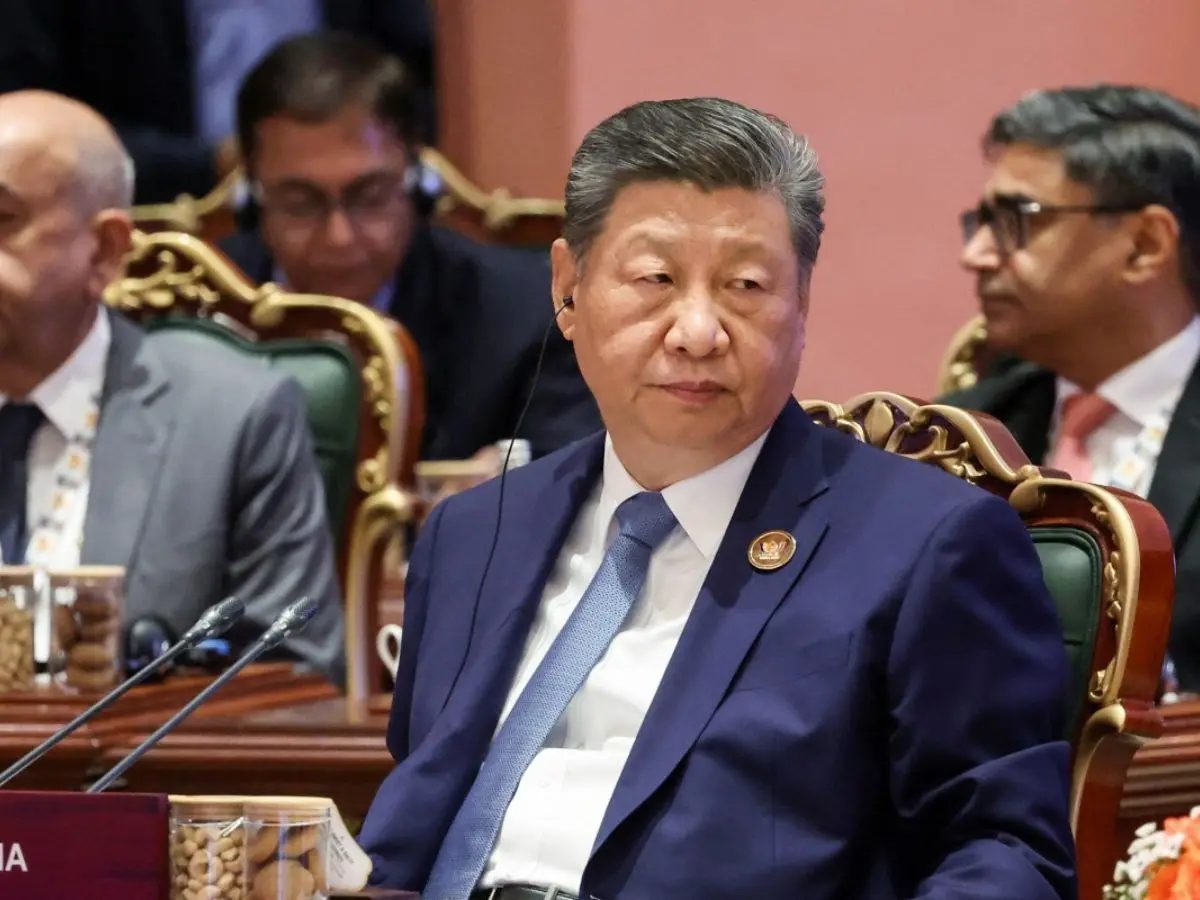
Xi Jinping, China’s leader, is planning a two-day visit to the United States.
He will meet President Trump after recently attending the BRICS Summit in New Delhi.
At that summit, countries criticized tariffs and economic pressure by individual nations.
The United States and China have argued over trade, technology, Taiwan, the South China Sea, and important minerals.
Trump originally used tariffs to try to make China change its policies.
However, China’s exports remain strong, so the meeting may aim mainly to keep trade tensions from getting worse.
India is concerned that the United States and China could make decisions without giving India enough importance.
Any agreement about technology, tariffs, or rare-earth minerals could affect Indian businesses.

Chinese President Xi Jinping is scheduled to visit the United States from September 23 to 25, arriving at Joint Base Andrews.
His trip follows India’s hosting of the 18th BRICS Summit in New Delhi, where members criticized unilateral tariffs and coercive economic measures.
The Trump-Xi meeting is expected to focus on maintaining a fragile trade truce rather than producing a major breakthrough.
Talks are expected to cover economic cooperation, artificial intelligence, trade, and rare-earth mineral flows.
India is watching whether a renewed US-China understanding could reduce its influence or reshape trade and supply chains affecting Indian industry.
- Who
- Chinese President Xi Jinping and US President Trump; India is closely observing the meeting.
- What
- Xi is scheduled to visit the White House for talks covering trade, artificial intelligence, economic cooperation, and rare-earth mineral flows.
- Where
- Washington, including the White House and Xi’s arrival at Joint Base Andrews; the preceding BRICS Summit was held in New Delhi.
- When
- September 23 to 25, 10 days after the 18th BRICS Summit in New Delhi.
- Why
- The talks are expected to address US-China strategic and economic tensions and preserve a fragile trade truce, with possible effects on India.
India’s Strategic Concerns
Potential Practical Benefits
India’s role in US-China relations
India’s Strategic Concerns
New Delhi is wary of being treated as a secondary player, and a high-profile Trump-Xi summit soon after the BRICS meeting could revive those concerns.
Potential Practical Benefits
If the talks stabilize US-China relations, India could gain greater clarity about the trade and strategic environment affecting it.
Trade and supply chains
India’s Strategic Concerns
A US-China agreement on tariffs, export controls, or rare-earth minerals could reshape trade conditions and affect Indian industry, which depends on Chinese-controlled critical supply chains.
Potential Practical Benefits
Dialogue on economic cooperation and trade could reduce uncertainty if it preserves the existing trade truce and avoids a new escalation.
Key facts
- Xi’s visit
- Scheduled for September 23–25, for two days in the United States.
- Welcome
- President Trump is expected to personally welcome Xi at Joint Base Andrews.
- BRICS Summit
- The 18th BRICS Summit was held in New Delhi 10 days before Xi’s US visit.
- BRICS position
- Members jointly targeted unilateral tariffs and coercive economic measures.
- Expected focus
- The meeting is expected to emphasize preserving a fragile trade truce rather than a dramatic breakthrough.
- Agenda
- Artificial intelligence, trade, economic cooperation, and rare-earth mineral flows are expected to be discussed.
- India’s concern
- A US-China understanding could affect India’s trade dynamics and access to critical supply chains.
Sources
Related news
Xi’s Potential India Visit Tests Fragile China-India Reset
Trump-Xi Meeting Could Reshape India’s Strategic Value to Washington

Xi Jinping Visits India as BRICS Summit Faces War
Xi Jinping to Visit India for BRICS Summit
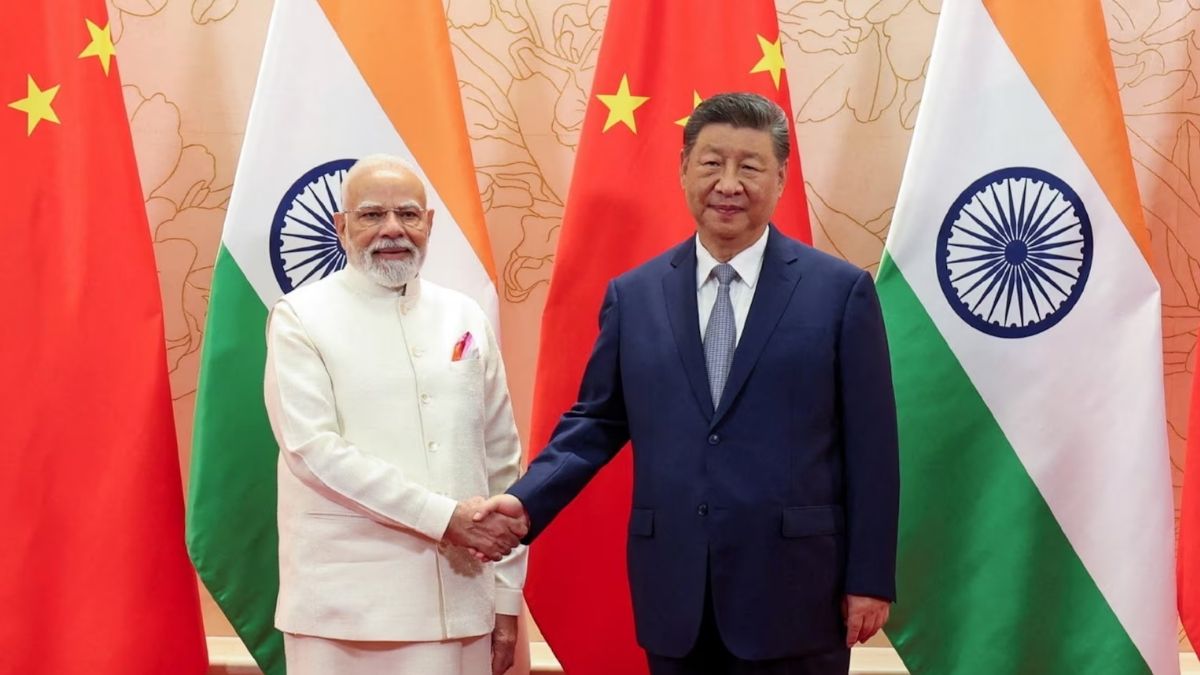
Xi Jinping’s India Visit Puts Border, Trade Ties Under Spotlight
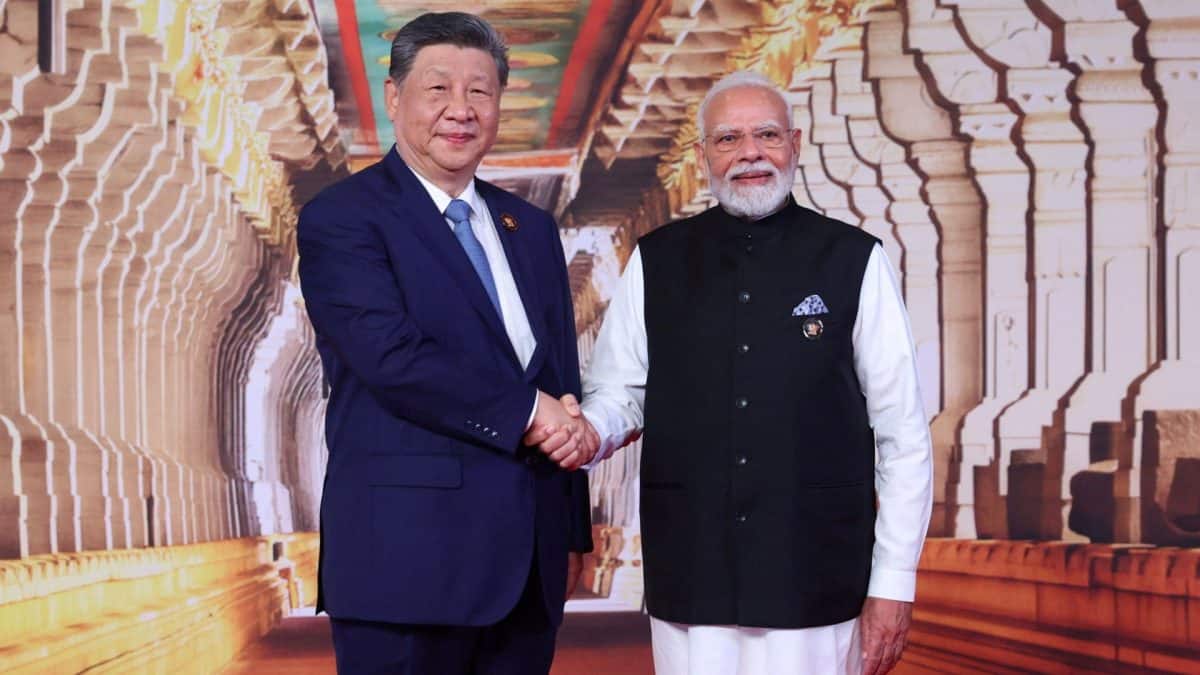
China’s Tactical India Rapprochement Is Shaped by US Ties

Trump Rejects Global AI Controls, Calls Regulation Globalist Scheme

Saudi Pipeline Restart Eases Asia Supply Fears, But Prices Rise

India Opens Chinese Glycine, CPVC Resin Trade Investigations
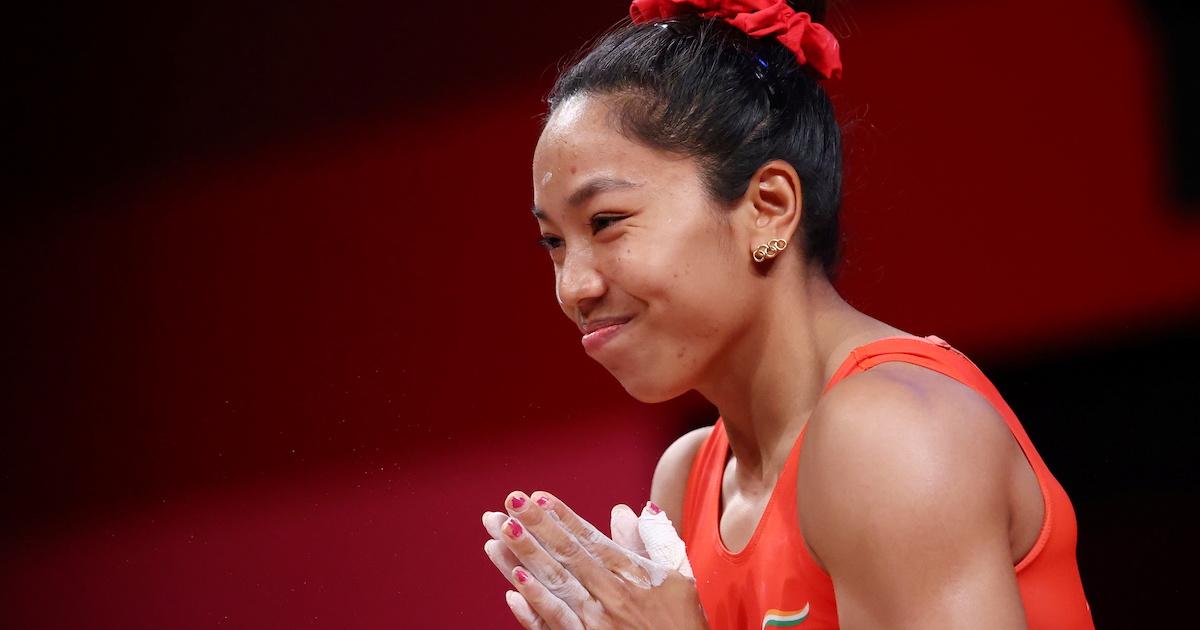
Indian Athletes Chase Asian Games Medals Across Packed Schedule
