

57 mins ago
China No Longer Waits for Trump to Set Rules
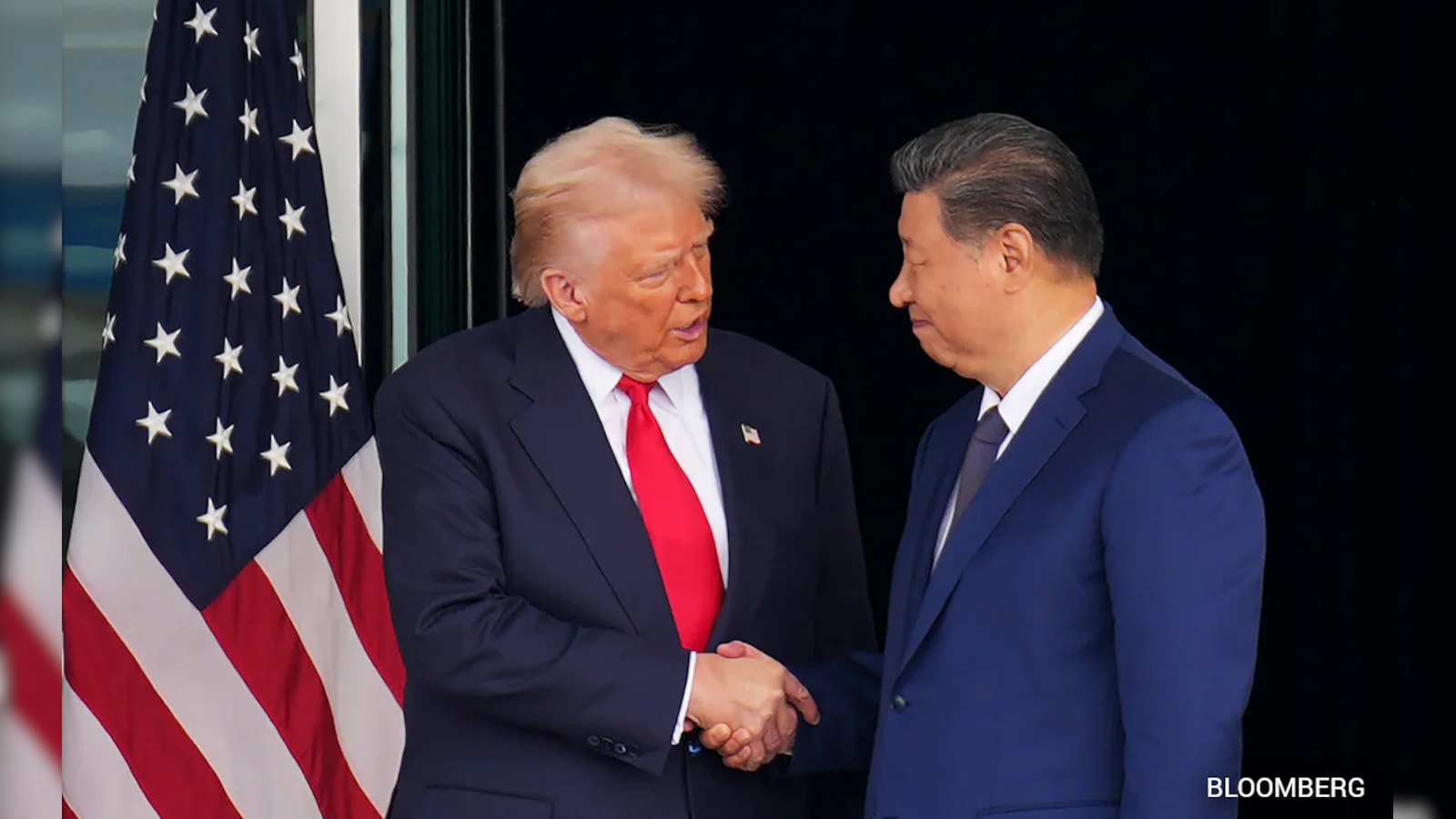
The article says China has become much stronger and more confident.
It argues that China is no longer waiting for the United States to decide how their relationship should work.
The United States is already spending significant resources confronting Russia over Ukraine.
Because of this, the article says Washington has less ability to pressure China at the same time.
Chinese leaders are described as accepting that the two countries will compete.
However, they want competition to remain controlled rather than become a dangerous crisis.
China also wants a world with several powerful countries instead of one mainly led by the United States.
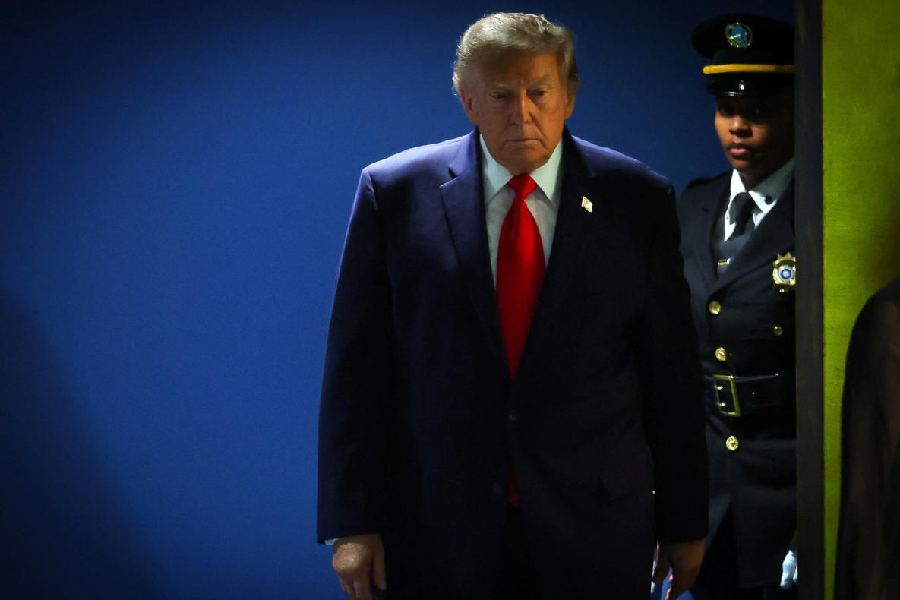
The article says President Donald Trump will try to persuade China to cooperate during a meeting with Xi Jinping.

The article argues that China has become more confident in shaping the terms of its relationship with the United States.
It says Washington’s focus on Russia and the Ukraine war has limited its ability to pressure China simultaneously.
The author claims China now has economic “escalation dominance,” allowing it to impose greater costs on the United States in a confrontation.
Chinese strategists are described as accepting competition with Washington while seeking to prevent it from becoming an existential conflict.
Ahead of a Trump-Xi summit, the article says Beijing favors sustained competition and multipolarity over a side deal or G-2 arrangement with Washington.
- Who
- China, the United States, Donald Trump, and Xi Jinping are the main actors.
- What
- The article analyzes a shift in United States-China relations, arguing that Beijing is increasingly setting the terms of competition and cooperation.
- Where
- The developments concern global geopolitics, including relations involving the Western Pacific, Eurasia, Ukraine, and the Middle East.
- When
- The article identifies 2026 as a turning point and discusses a Trump-Xi summit taking place this week.
- Why
- The author attributes the shift to China’s increased economic and technological strength, the broader move toward multipolarity, and the United States’ strained position from conflicts and strategic commitments elsewhere.
China’s Strategic Position
United States’ Strategic Position
How competition should be managed
China’s Strategic Position
China is portrayed as willing to recognize fundamental competition with the United States while managing differences to avoid an existential conflict.
United States’ Strategic Position
The article says U.S. strategists have sought to contain China or maintain stability while Washington manages major commitments elsewhere.
Future world order
China’s Strategic Position
Beijing is described as promoting a multipolar international system and rejecting a U.S.-China G-2 arrangement.
United States’ Strategic Position
The article suggests Washington would welcome a cooperative condominium or side deal with China to free resources for domestic priorities and reduce overseas military burdens.
Leverage in negotiations
China’s Strategic Position
The author argues that China now holds greater economic leverage and can impose more pain in an escalation.
United States’ Strategic Position
The Trump administration is depicted as having used strong rhetoric toward China in 2025 but ultimately lacking a sufficiently strong position to sustain that pressure.
Key facts
- Main argument
- China is portrayed as increasingly confident in defining the framework for relations with the United States.
- U.S. strategic focus
- The article says Washington has remained primarily focused on Russia and the Eurasian heartland.
- Ukraine conflict
- The 2014 Ukraine crisis and its escalation in 2022 are described as locking the United States into confrontation with Russia.
- Economic leverage
- The article cites analysts who believe China has “escalation dominance” because it can inflict greater economic pain on the United States.
- Chinese approach
- Beijing is described as favoring managed competition that does not become an existential threat.
- World-order preference
- China is said to support multipolarity rather than a U.S.-China condominium or G-2 arrangement.
- Upcoming diplomacy
- The article says Trump and his team will engage with Chinese visitors during a Trump-Xi summit this week.
Quotes
American analysts
Analysts cited in the article assessing the economic and strategic balance between China and the United States
“China has escalation dominance over the United States, meaning that at any level of threat, the Chinese government has the ability to inflict more pain on the United States than vice versa.”
 NDTV
NDTV
Sources
Related news
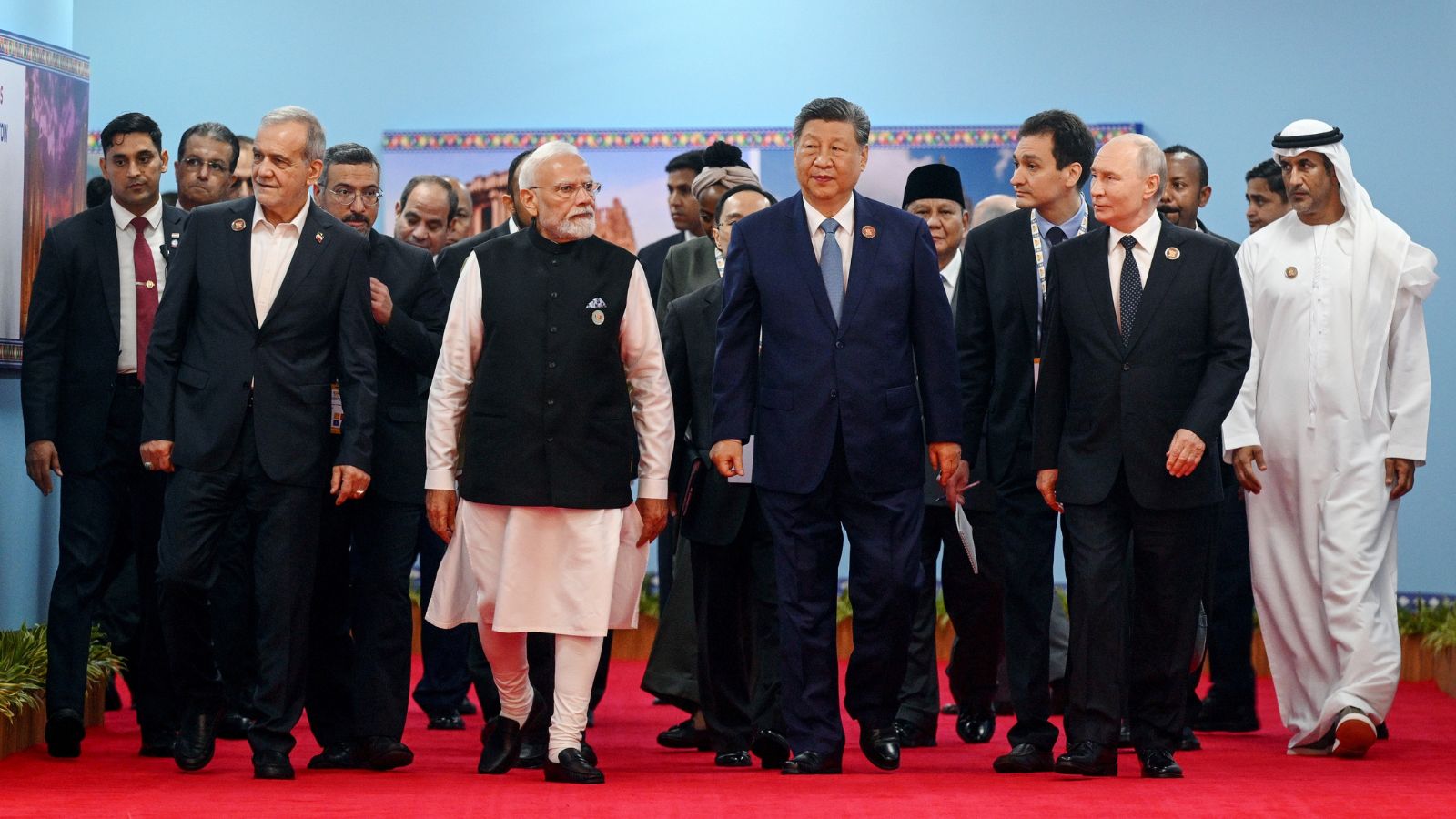
Why US-China Power Is Challenging the Multipolar World
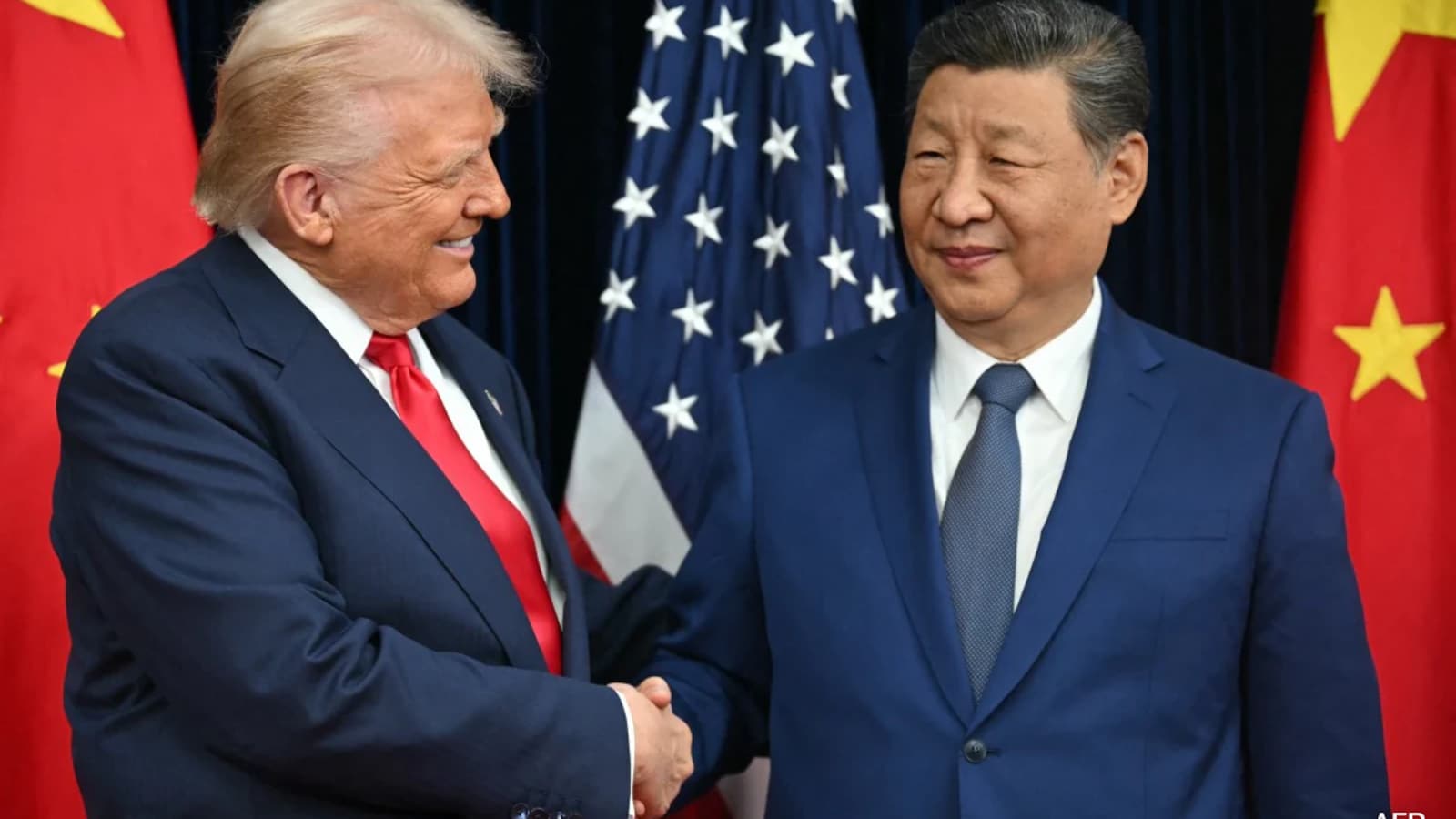
Trump Rolls Out Red Carpet for Xi Amid U.S.-China Rivalry

US-China Rivalry Takes Center Stage at Jaipur Strategic Dialogue
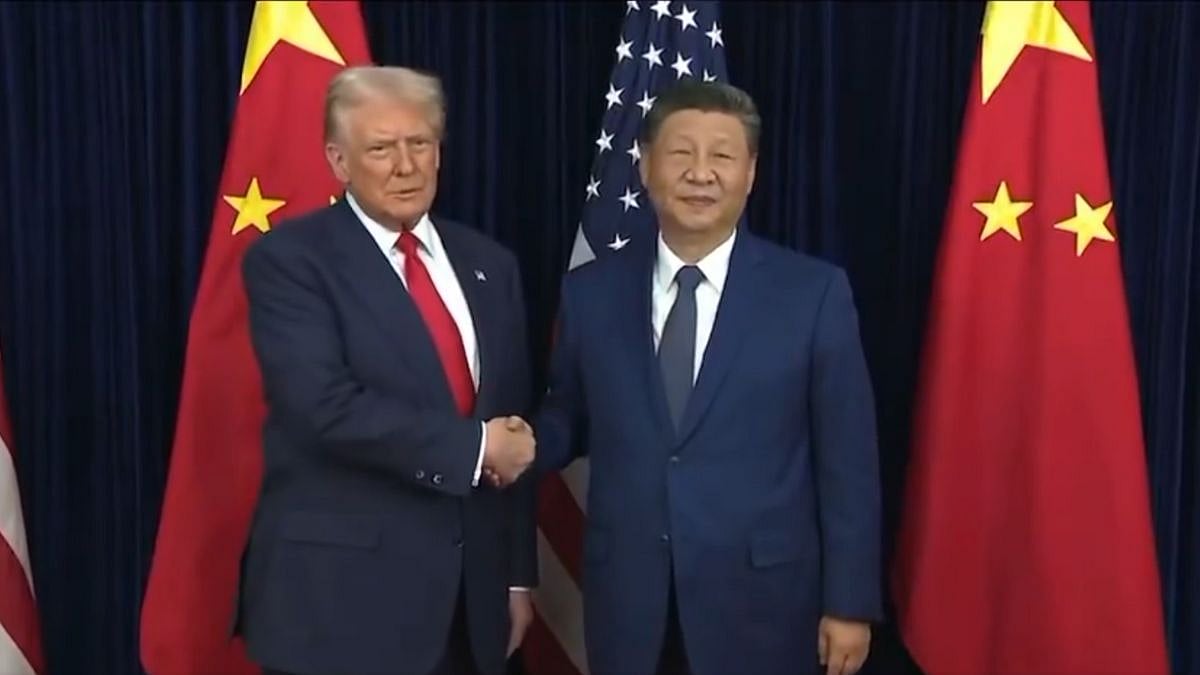
Trump-Xi Washington Summit Tests Managed Rivalry
China's SCO Power Grab Shapes Global Alliances and Trade
Why Delhi Should Bargain Hard With Xi’s China
Trump Pledges Military Force Against Cartels, Claims Greenland Security Pact
US-Greenland-Denmark Deal Expands Military Bases and Arctic Access
Trump UNGA address: Iran threats, wars, tariffs and global priorities

Trump, Denmark and Greenland Sign Arctic Security Agreement
