2 hrs ago
Trump-Xi Summit Raises Opportunities and Worries for India
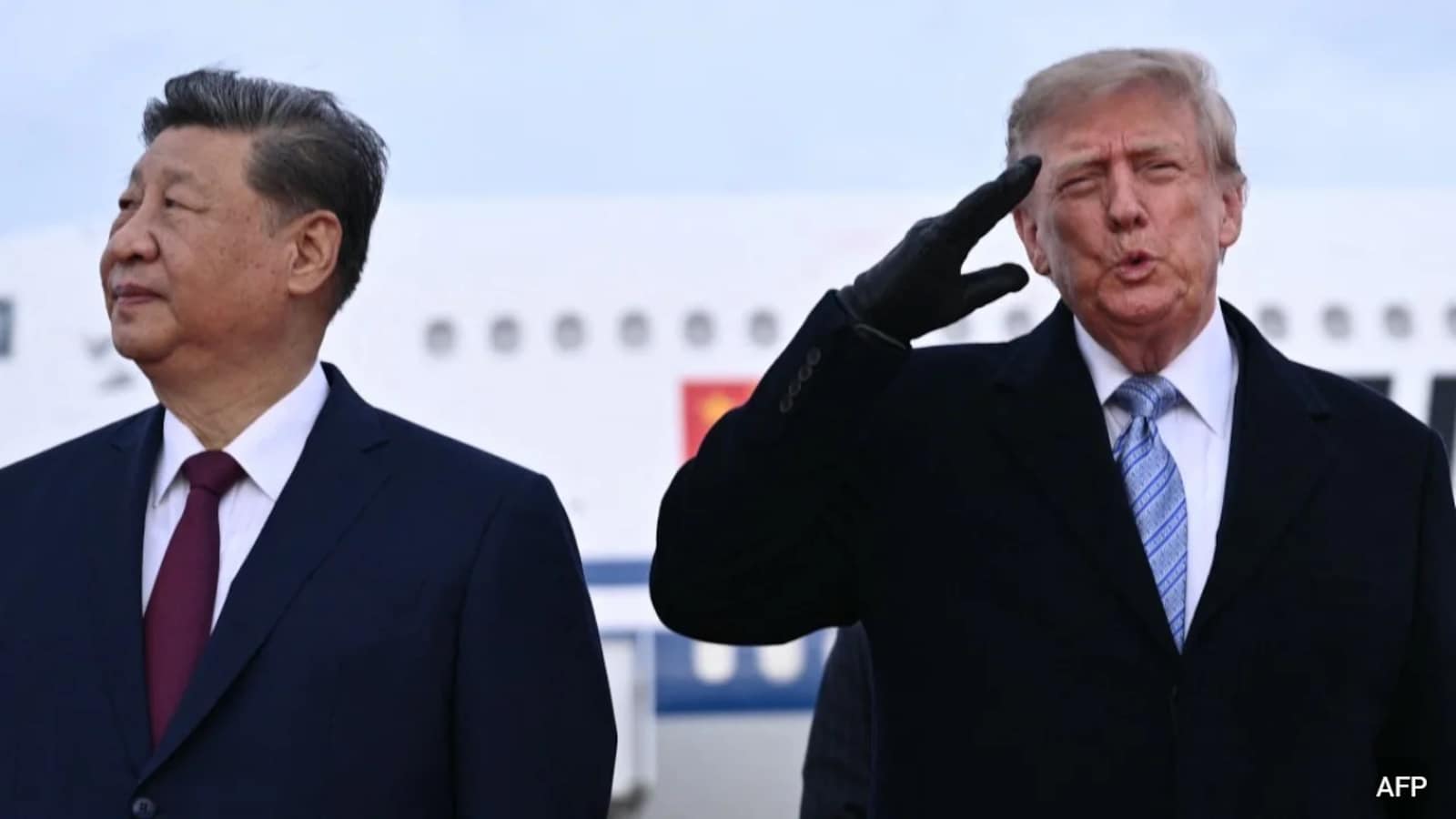
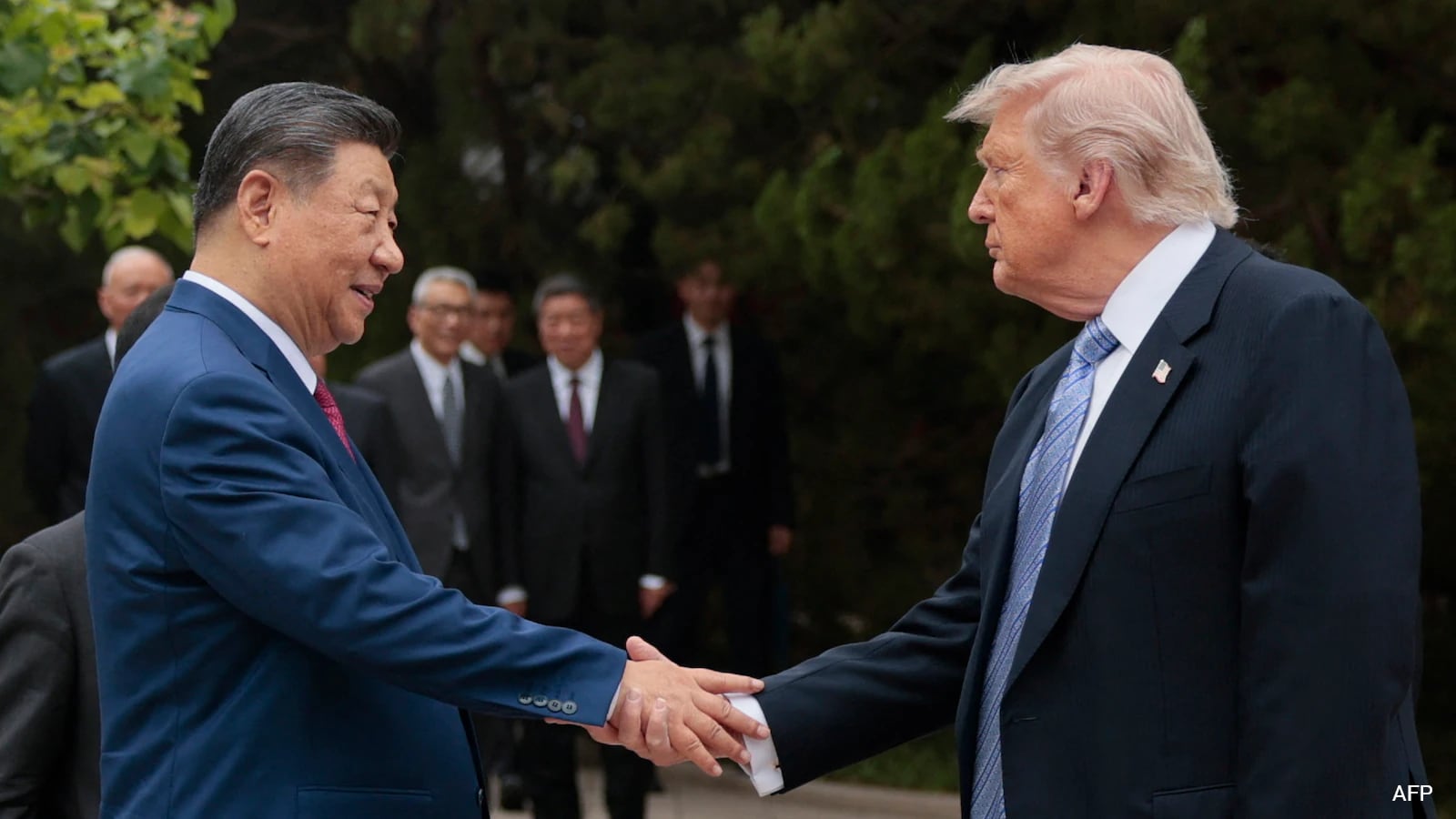
Donald Trump and Xi Jinping met to reduce problems between the United States and China.
They agreed to keep a temporary pause in their trade fight.
They also discussed artificial-intelligence safety and keeping military communication open.
The meeting did not solve their deeper disagreements.
India is relieved that the two countries did not appear to create a plan to divide Asia between themselves.
India may attract companies looking for alternatives to manufacturing in China.
However, China may continue to strengthen its position near India's borders.
The article says India should keep working with different countries while improving its own economy and defenses.

The Trump-Xi summit extended a trade truce and sought to prevent renewed tariff and supply-chain disruptions.
The United States and China opened preliminary discussions on artificial-intelligence safety and maintained military communication channels.
The summit eased immediate fears in India of a broad U.S.-China condominium dividing regional influence.
India sees potential gains from continued supply-chain diversification, but could face disadvantages if China receives better U.S. tariff terms.
The meeting reinforces India's need for multi-alignment, domestic economic modernization, and stronger defense capabilities.
- Who
- U.S. President Donald Trump and Chinese President Xi Jinping; the summit's implications are assessed for India.
- What
- The leaders reached a limited framework to stabilize trade and manage strategic tensions without resolving their broader rivalry.
- Where
- The summit's location is not specified in the article.
- When
- The summit had just concluded; the articles do not provide a specific date.
- Why
- To reduce immediate economic disruptions, prevent escalation, and manage ongoing competition between the United States and China.
Potential Benefits for India
Strategic and Economic Risks
U.S.-China geopolitical arrangement
Potential Benefits for India
The summit's limited, transactional outcome eases India's immediate fear that Washington and Beijing might divide regional spheres of influence through a broad G2 arrangement.
Strategic and Economic Risks
A more stable relationship could still give China greater freedom to pursue its regional interests, including in South Asia and along the Himalayan border.
Supply-chain diversification
Potential Benefits for India
Persistent structural rivalry and incomplete removal of tariffs and technology restrictions could encourage companies to diversify manufacturing away from China and benefit India.
Strategic and Economic Risks
The trade truce may reduce the immediate movement of capital out of China, while preferential U.S. tariff arrangements for China could leave Indian exporters at a disadvantage.
Indo-Pacific cooperation
Potential Benefits for India
The absence of a sweeping U.S.-China geopolitical settlement may indicate that Washington's China-containment strategy and the Quad remain relevant.
Strategic and Economic Risks
Uncertainty over whether the United States will support and attend a future Quad summit creates concern that India could lose momentum or hand over the chairmanship without hosting one.
Key facts
- Trade truce
- The United States and China agreed to extend their existing pause in trade hostilities.
- U.S. commitments
- Washington secured commitments concerning agricultural exports and predictable flows of critical minerals.
- Chinese gains
- Beijing received some tariff relief and a pause on certain U.S. export controls targeting non-sensitive technology sectors.
- Artificial intelligence
- The two countries established preliminary communication channels on artificial-intelligence safety and guardrails.
- Security dialogue
- Both sides agreed to keep military-to-military communication active while maintaining firm positions on Taiwan and regional maritime issues.
- India's economic opportunity
- Continued U.S.-China friction may sustain the China Plus One strategy and encourage investment in alternative manufacturing hubs such as India.
- India's strategic concern
- India remains concerned about the future of the Quadrilateral Security Dialogue and China's posture along their disputed border.
Sources
Related news
Xi’s BRICS-to-White House Sprint Raises Questions for India
Trump-Xi Washington Summit Tests Managed Rivalry
India-China Consensus Offers Cautious Momentum, Not Strategic Breakthrough
Trump-Xi Meeting Could Reshape India’s Strategic Value to Washington
Xi’s Potential India Visit Tests Fragile China-India Reset
Modi-Xi Talks At BRICS Summit Signal Cautious Asian Thaw
US and China Extend Trade Truce Through January
Peng Liyuan: Singer, First Lady and Diplomatic Presence in China
Trump and Xi Resume Talks Amid Uneven Trade Commitments
How Xi’s Special Plane Compares With Trump’s Air Force One
US and China Extend Trade Truce as Xi Arrives