

2 hrs ago
Trump-Xi Meeting Could Reshape India’s Strategic Value to Washington
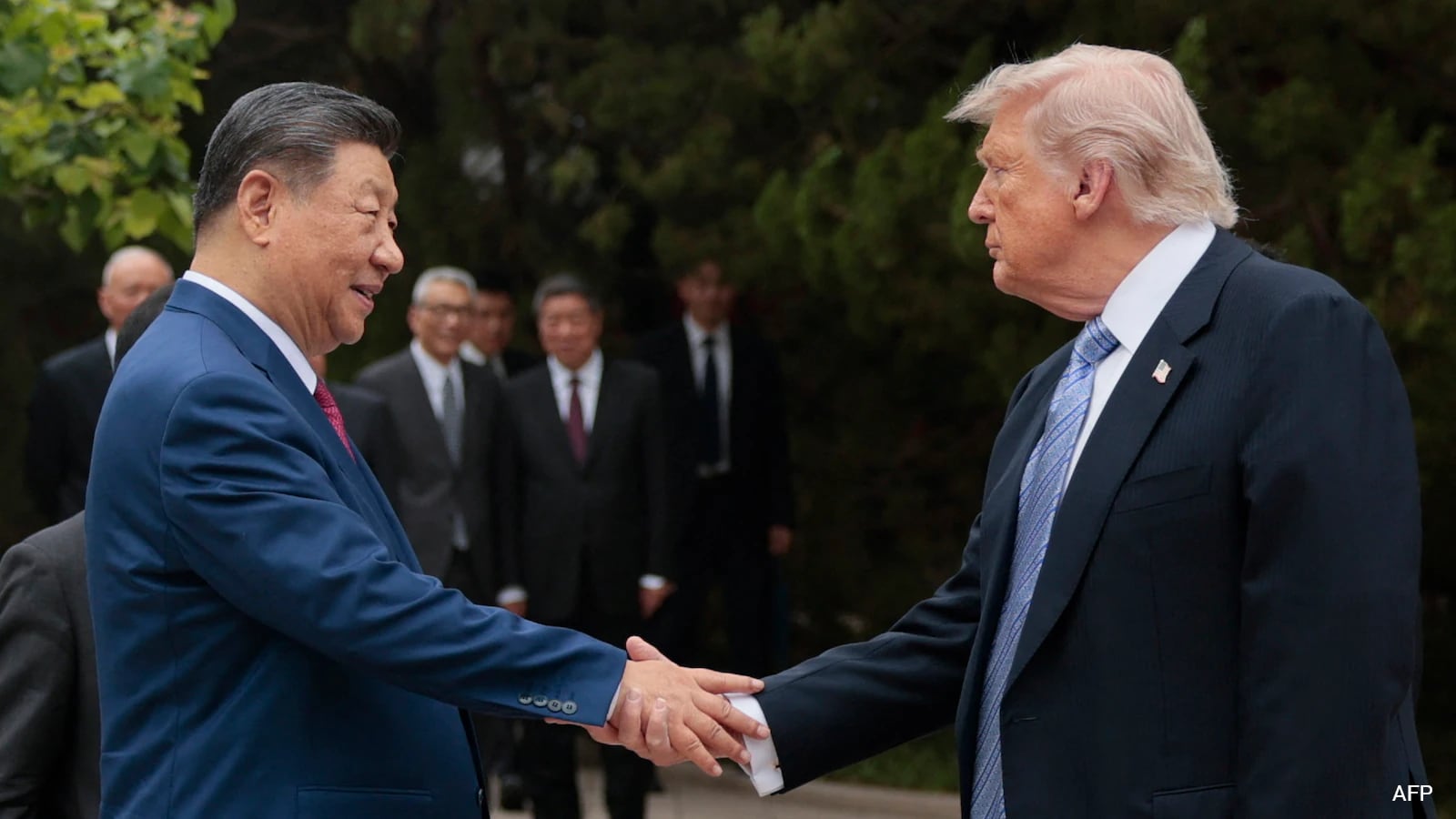
Donald Trump and Xi Jinping are expected to meet in Washington to discuss several disagreements between the United States and China.
They may talk about trade, technology, rare earths and other important minerals.
They may also discuss China’s relationship with Iran.
The United States wants China to make some changes, while China wants fewer restrictions and more certainty for its exporters.
If the two countries cooperate, America may need some Indian resources less urgently.
If they cannot agree, India could become more important as a partner.
However, Trump could also ask India for more concessions instead of simply offering more cooperation.
The meeting will show India what America may need from it next.

Donald Trump and Xi Jinping are scheduled to meet in Washington on September 24 amid negotiations over trade, minerals, technology and Iran.
Washington wants better trade access, reliable critical-mineral supplies and possible Chinese cooperation on financial links with Iran.
A successful agreement could reduce the immediate need for some Indian capabilities, while limited talks would preserve current opportunities.
If negotiations fail, India could become more valuable to the United States, though Trump might also demand greater concessions from New Delhi.
The meeting will test whether India’s economic, technological and military capabilities retain strategic value for Washington.
- Who
- Donald Trump, Xi Jinping, the United States, China and India.
- What
- A planned Trump-Xi meeting and its possible consequences for India’s strategic importance to Washington.
- Where
- Washington.
- When
- September 24; the articles do not specify the year.
- Why
- The United States and China are negotiating trade, critical minerals, technology and Iran-related issues while continuing their broader strategic competition.
India’s Strategic Value Could Increase
India’s Strategic Value Could Decline or Face More Pressure
If talks fail
India’s Strategic Value Could Increase
Continued U.S.-China friction could strengthen American interest in Indian supply chains, technology partnerships and Indo-Pacific security cooperation.
India’s Strategic Value Could Decline or Face More Pressure
Trump could respond to a difficult negotiation by demanding additional concessions from India on trade, market access or other issues.
If talks succeed
India’s Strategic Value Could Increase
A deal would not end U.S.-China strategic competition, so India would remain important because of its geography, military capabilities, market and Indo-Pacific role.
India’s Strategic Value Could Decline or Face More Pressure
More reliable Chinese cooperation on minerals, trade or Iran could reduce Washington’s immediate need for some Indian capabilities.
Meaning for India
India’s Strategic Value Could Increase
India’s strategic autonomy and relationships with multiple major powers could help it preserve relevance regardless of the meeting’s outcome.
India’s Strategic Value Could Decline or Face More Pressure
India may need to demonstrate stronger economic, technological and military capabilities because Washington could obtain particular outcomes from Beijing instead.
Key facts
- Meeting
- Donald Trump and Xi Jinping are scheduled to meet in Washington on September 24.
- Main negotiations
- Trade, rare earths and other critical minerals, technology, and financial links between China and Iran.
- U.S. objectives
- Better access for American goods, more balanced trade, reliable mineral supplies and possible Chinese cooperation on Iran.
- China’s objectives
- Tariff relief and greater certainty for Chinese exporters.
- India’s interests
- Technology partnerships, manufacturing, supply-chain diversification, defence, energy, connectivity and Gulf security.
- Strategic constraint
- The United States and China continue to hold fundamentally different positions on Taiwan.
- Possible Indian impact
- India’s value could decline in specific areas after a successful U.S.-China agreement, remain broadly stable after limited talks, or increase if negotiations fail.
Sources
Related news
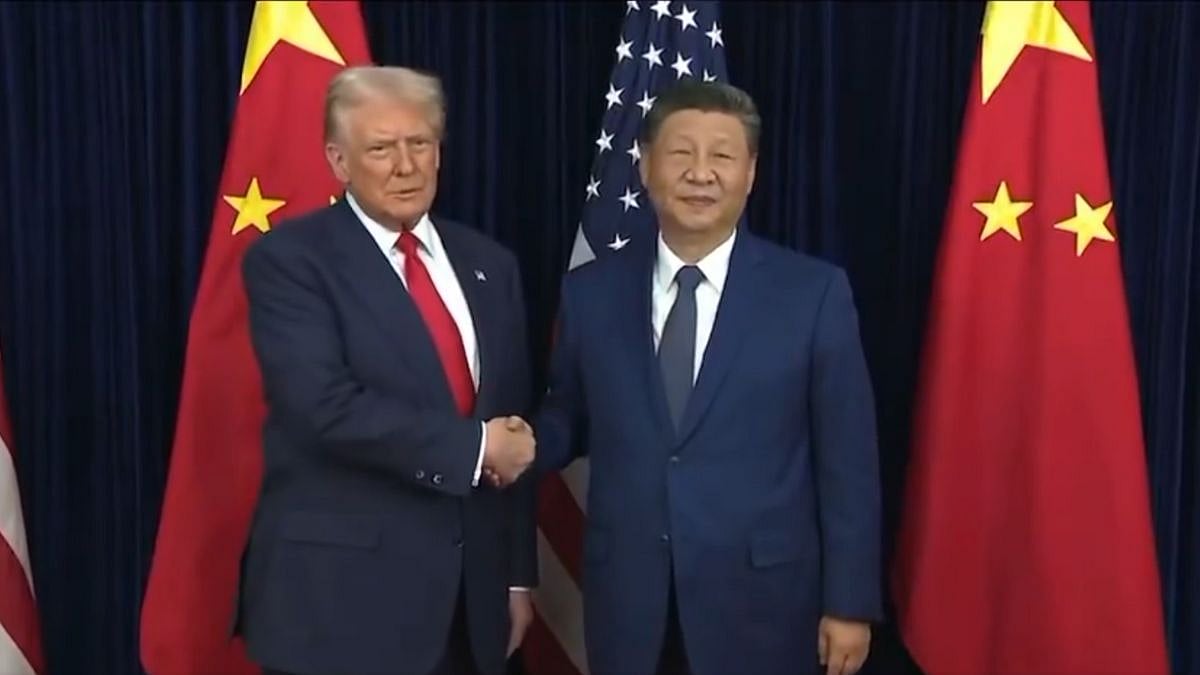
Trump-Xi Washington Summit Tests Managed Rivalry
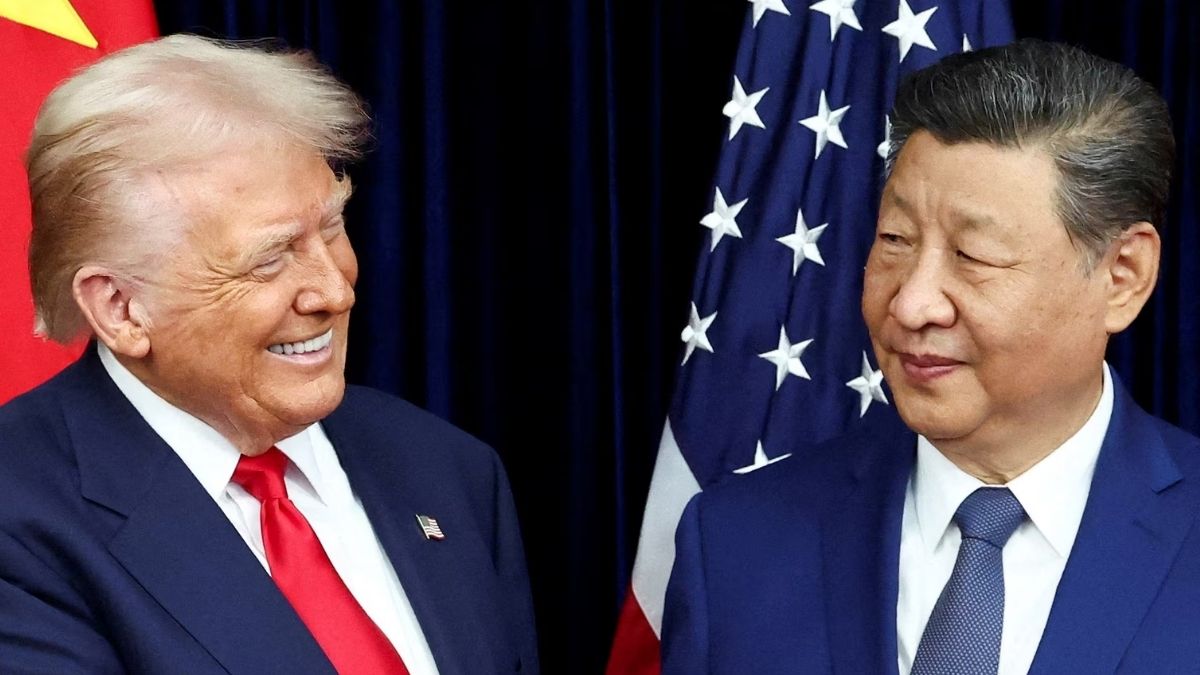
Xi Jinping's US Visit Tests Trade and AI Cooperation

Trump and Xi Prepare for High-Stakes White House Talks
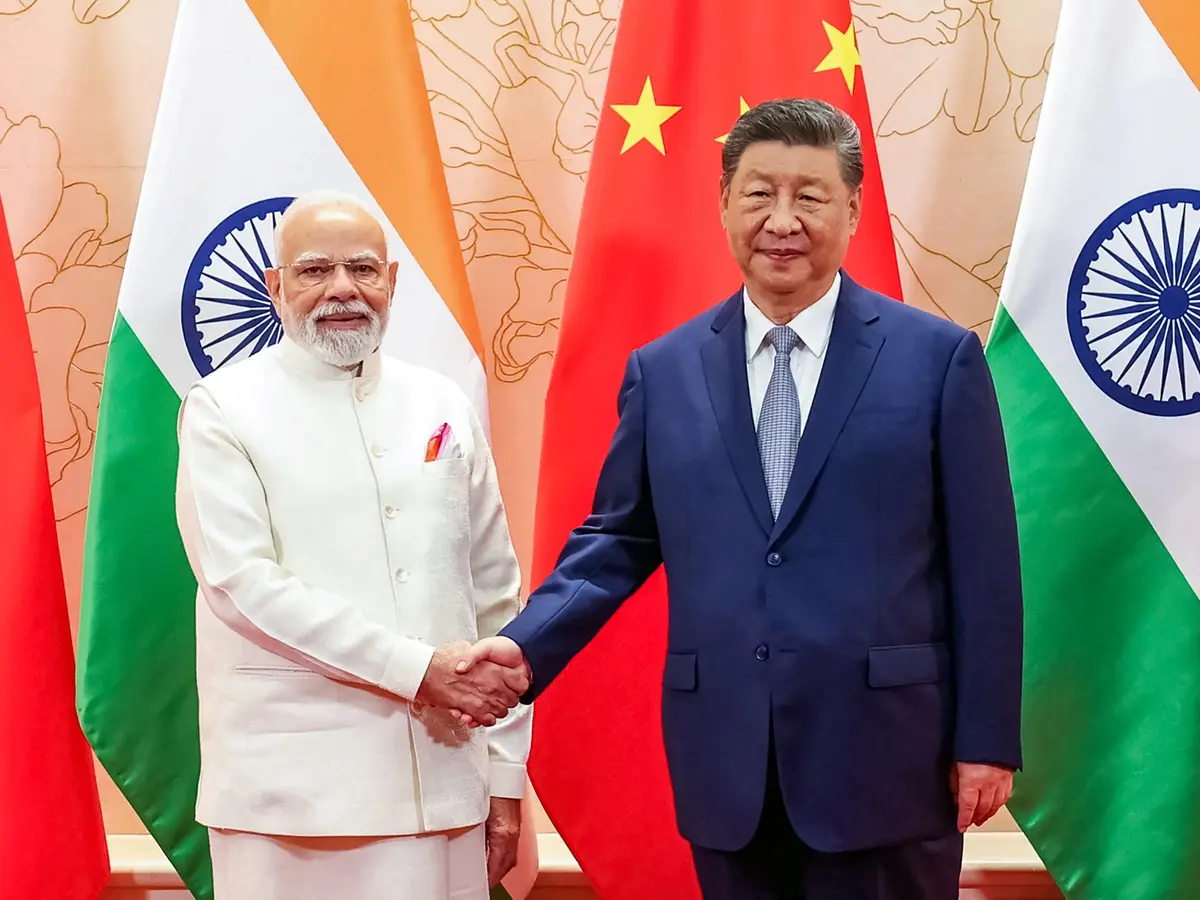
Xi’s Potential India Visit Tests Fragile China-India Reset

Trump-Xi Washington Summit Focuses on Trade, Taiwan and Security

Trump-Xi Washington Talks Put Global Economy in Focus

Noon News Guide Covers Trump TV, Xi Shake-Up, Markets

Drugmakers Press Trump Administration to Preserve China Biotechnology Deals

Xi-Trump September Summit Set as Iran War Overshadows Talks
Why Taiwan Remains a Crucial and Sensitive Issue for China
