2 hrs ago
India’s Renewable Energy Push Reshapes Its Clean Energy Future
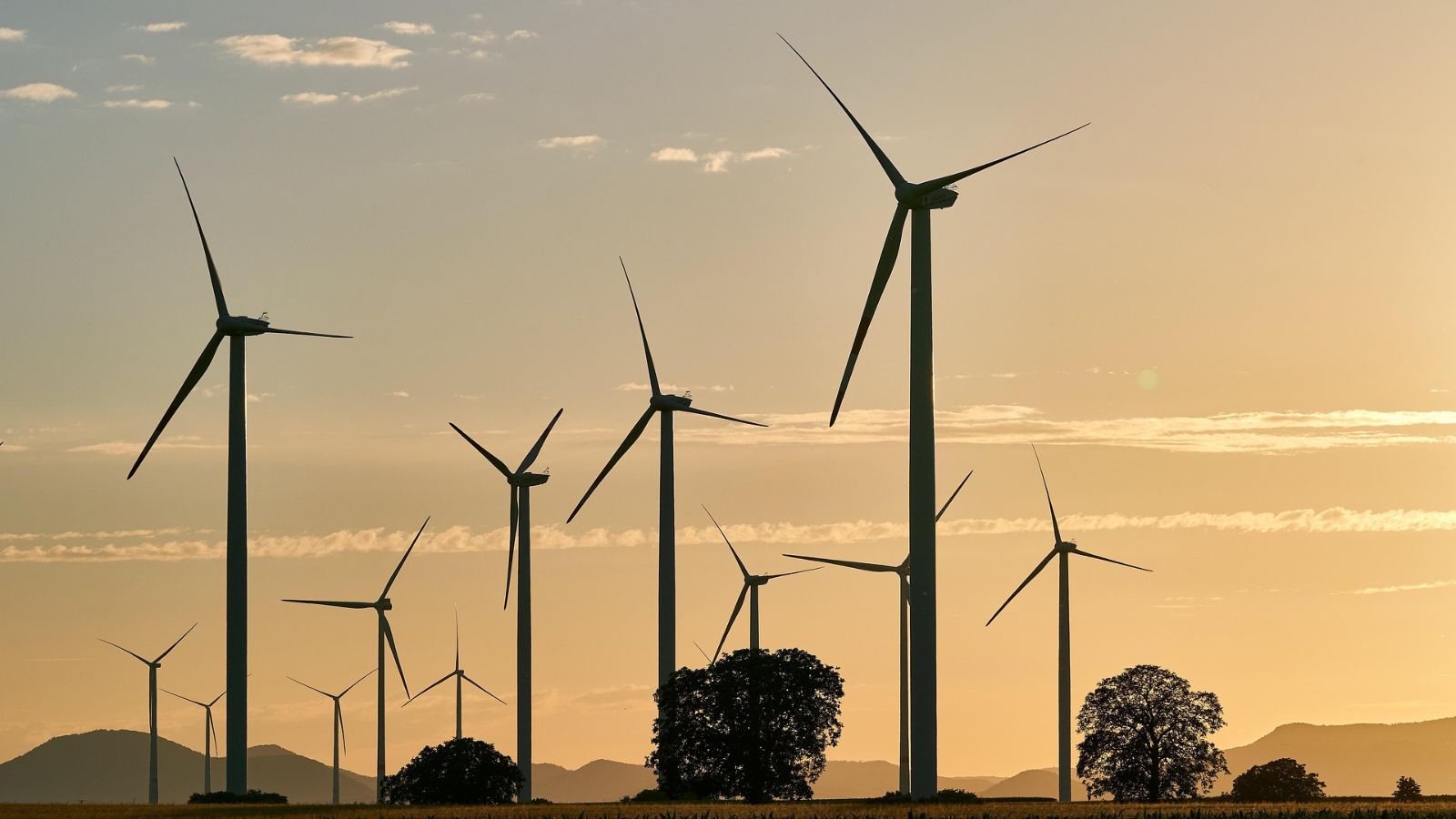
India is building much more solar and wind power.
Its renewable energy capacity has passed 200 gigawatts.
Renewables now make up nearly 45 percent of the country’s installed electricity capacity, according to the article.
Government programs are helping farmers and households use solar energy.
Some farmers can produce electricity, while rooftop solar can lower household power bills.
India is also making more solar panels, batteries, wind turbines, and other equipment at home.
This growth is creating jobs for engineers, technicians, researchers, and skilled workers.
A new plan called the National Green Hydrogen Mission focuses on cleaner fuel for industries and transport.
Coal, other thermal power, and nuclear power still help meet India’s electricity demand.

India’s renewable energy capacity has surpassed 200 gigawatts, with solar and wind driving much of the growth.
Renewables account for nearly 45 percent of India’s total installed electricity capacity, according to the article.
Programs including PM Surya Ghar and PM-KUSUM are expanding rooftop, rural, and agricultural solar power.
Domestic manufacturing of solar, wind, battery, and related equipment is growing through industrial policies and incentives.
The National Green Hydrogen Mission aims to position India as a global producer, user, and exporter of green hydrogen.
- Who
- India’s government, energy producers, farmers, households, manufacturers, and workers are involved; Prime Minister Narendra Modi is identified as a leader of the effort.
- What
- India is expanding renewable energy, domestic clean-energy manufacturing, and green-hydrogen development.
- Where
- Across India, including rural and urban areas, with international cooperation through the International Solar Alliance.
- When
- The article describes progress over the past 12 years and current ambitions for the next stage of development.
- Why
- The stated aims are to support economic growth, improve energy security, reduce environmental impacts, expand manufacturing and employment, and meet climate goals.
Key facts
- Renewable capacity
- More than 200 gigawatts
- Share of installed capacity
- Nearly 45 percent comes from renewable energy
- Main growth sources
- Solar and wind power
- Key solar programs
- PM Surya Ghar: Muft Bijli Yojana and PM-KUSUM
- Manufacturing focus
- Solar modules, photovoltaic cells, inverters, battery storage systems, wind turbines, and related equipment
- Green hydrogen initiative
- The National Green Hydrogen Mission
- Existing power sources
- Thermal and nuclear power continue to support baseload electricity demand
Sources
Related news

India Advances Renewable Energy and Indigenous Safety Technology
SECI Marks 15 Years Advancing India’s Clean Energy Vision

BRICS Clean Energy Hub Needs Resilient Grids, Storage And Finance
Modi Defends Nuclear Expansion, Challenges Critics Over Clean Energy
India’s Non-Fossil Capacity Crosses 300 GW as Centre Pushes Transition

Modi, Delta Electronics Discuss India’s Energy Transition and AI Plans
PM Modi Marks Ashok Singhal’s Birth Centenary and Legacy
UP Congress Chief Demands Cancellation of 2024 Varanasi Poll

US-China Rapprochement Challenges India’s Strategic Autonomy and Global Role
Bhupendra Patel Targets Rahul Gandhi Over SIR Dispute