1 hr ago
China’s Tactical India Rapprochement Is Shaped by US Ties
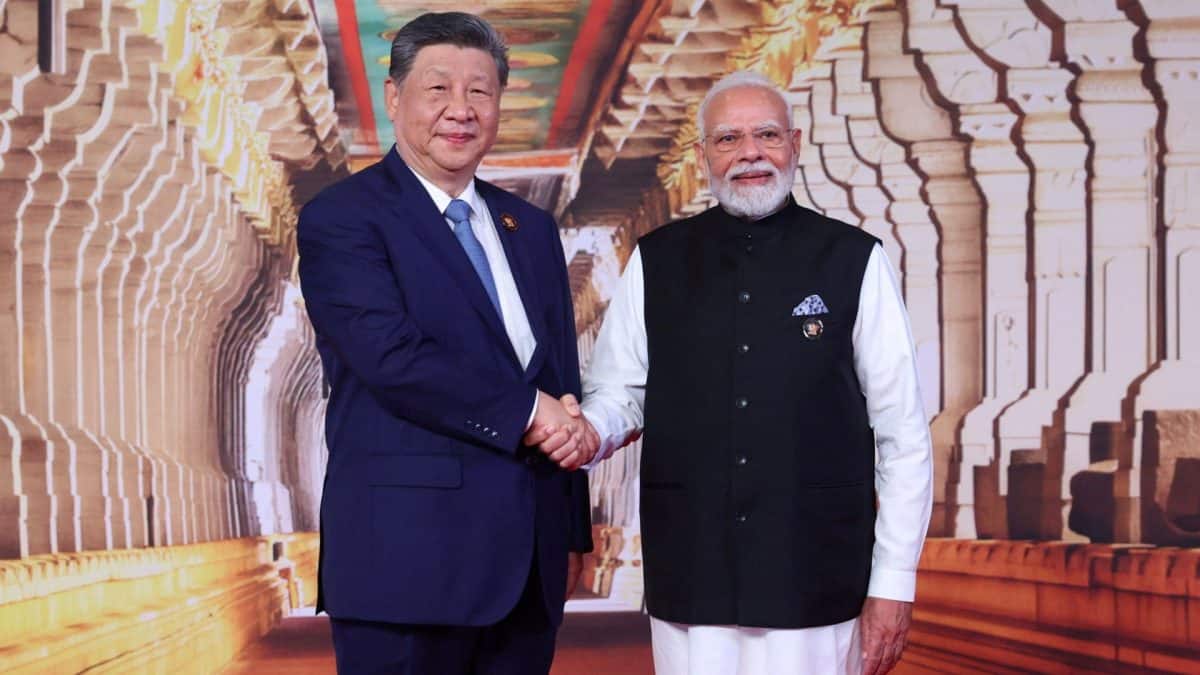
China and India are trying to keep their relationship from getting worse.
A Chinese analyst says this is a practical, short-term effort rather than a deep friendship.
China says India could benefit from Chinese factories, supplies and investment.
The article’s author is skeptical that depending heavily on China would be wise for India.
The two countries still have serious concerns about their heavily guarded border.
China also worries that India could work more closely with the United States.
American tariffs and other pressures are described as making India-China cooperation more attractive.
A smooth BRICS meeting helped China show cooperation before dealing with the United States.
However, the author says China may still seek to limit India’s influence in BRICS.

Chinese analyst Hu Shisheng describes India-China ties as tactical rapprochement, not strategic reconciliation.
Beijing is portrayed as seeking economic links while managing tensions along the militarized border.
Hu argues India needs Chinese supply chains to support manufacturing and Make in India.
The analysis says US tariffs, energy pressures and closer US-China ties are pushing India toward China.
A successful BRICS summit gives China diplomatic leverage before its chairmanship and future US engagement.
- Who
- India, China, Chinese analyst Hu Shisheng, Prime Minister Narendra Modi, President Xi Jinping and the United States.
- What
- The article examines China’s tactical rapprochement with India, its economic aims and the influence of US-China relations.
- Where
- The 18th BRICS Summit was held in New Delhi; the wider diplomacy involves India, China and the United States.
- When
- Around the 18th BRICS Summit; the article also discusses developments in 2026 and Xi Jinping’s upcoming US visit.
- Why
- China seeks economic access to India, a stable external environment and to prevent closer India-US alignment, while India faces economic and diplomatic pressures.
Critical assessment
Chinese strategic view
Nature of the rapprochement
Critical assessment
The author argues that China’s outreach is tactical and partly designed to persuade India that its suspicions are unwarranted.
Chinese strategic view
Hu Shisheng presents improved ties as a practical move from crisis management to border management and expanded cooperation.
Economic dependence
Critical assessment
The author says China’s record of export and visa controls shows the risks of relying on Chinese supply chains and favors reducing over-dependence.
Chinese strategic view
Hu argues that India’s manufacturing modernization and international competitiveness depend on continuing links with China’s production networks.
US-India relationship
Critical assessment
The author says China is exaggerating pressures on India and overlooking comparable uncertainty affecting China’s own ties with Washington.
Chinese strategic view
Hu argues that US tariffs, energy pressures and the importance of US-China ties are forcing India to repair relations with China.
Key facts
- Central assessment
- The relationship is described as tactical rapprochement rather than strategic reconciliation.
- Chinese analyst
- Hu Shisheng is identified as a South Asia expert at the China Institutes of Contemporary International Relations.
- Economic issue
- China argues that links with its production and supply chains can support India’s industrial modernization.
- Border issue
- The countries have moved rhetorically from crisis management to border management, despite a heavily militarized boundary.
- US pressures cited
- The article points to US tariffs on India, pressure on Russia-India energy cooperation and energy-related pressures linked to conflict in West Asia.
- BRICS outcome
- India secured a joint BRICS declaration and prevented plans for overt de-dollarisation, according to the article.
- Strategic concern
- China wants to avoid losing the Indian market and prevent friction or closer India-US alignment from obstructing its interests.
Quotes
Hu Shisheng
Chinese South Asia expert at the China Institutes of Contemporary International Relations
“tactical rapprochement, not a strategic reconciliation”
 firstpost.com
Sources
Related news
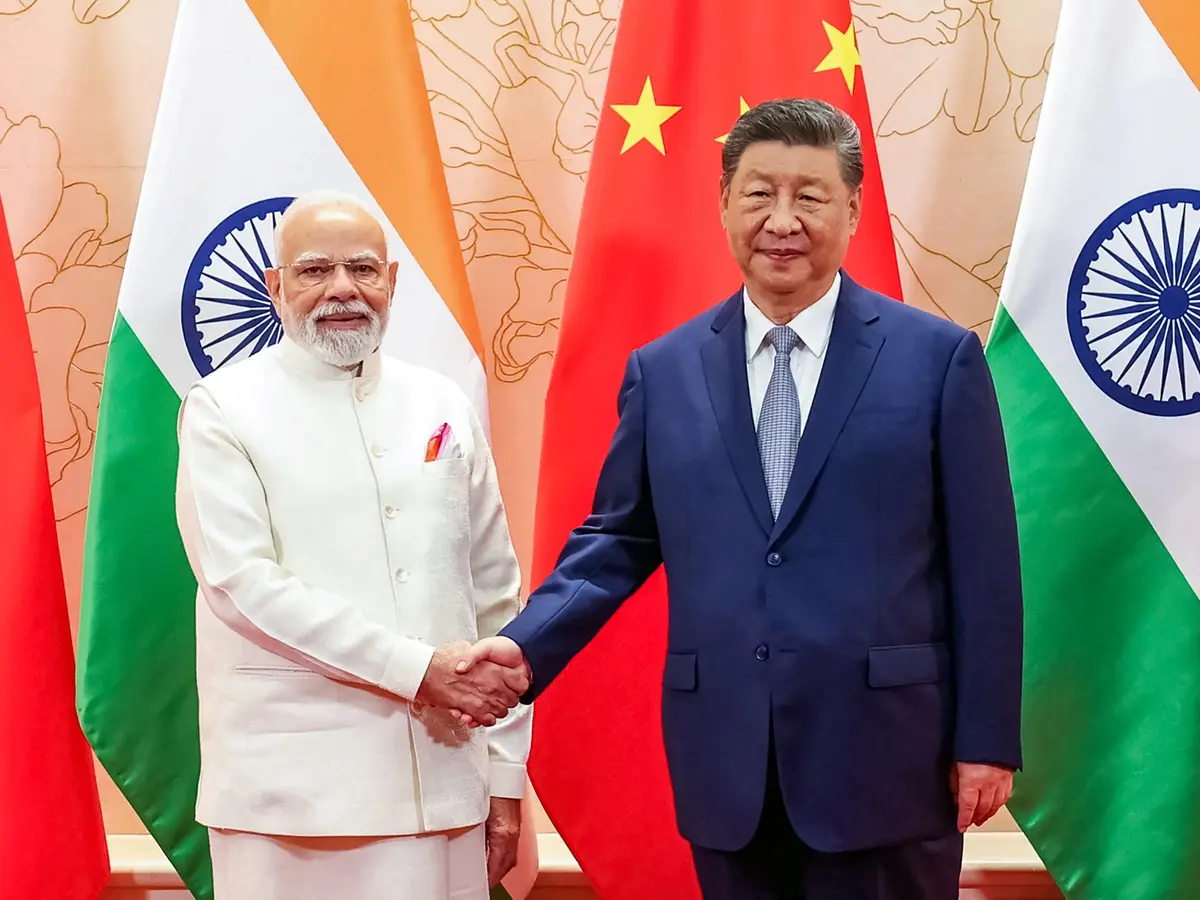
Xi’s Potential India Visit Tests Fragile China-India Reset
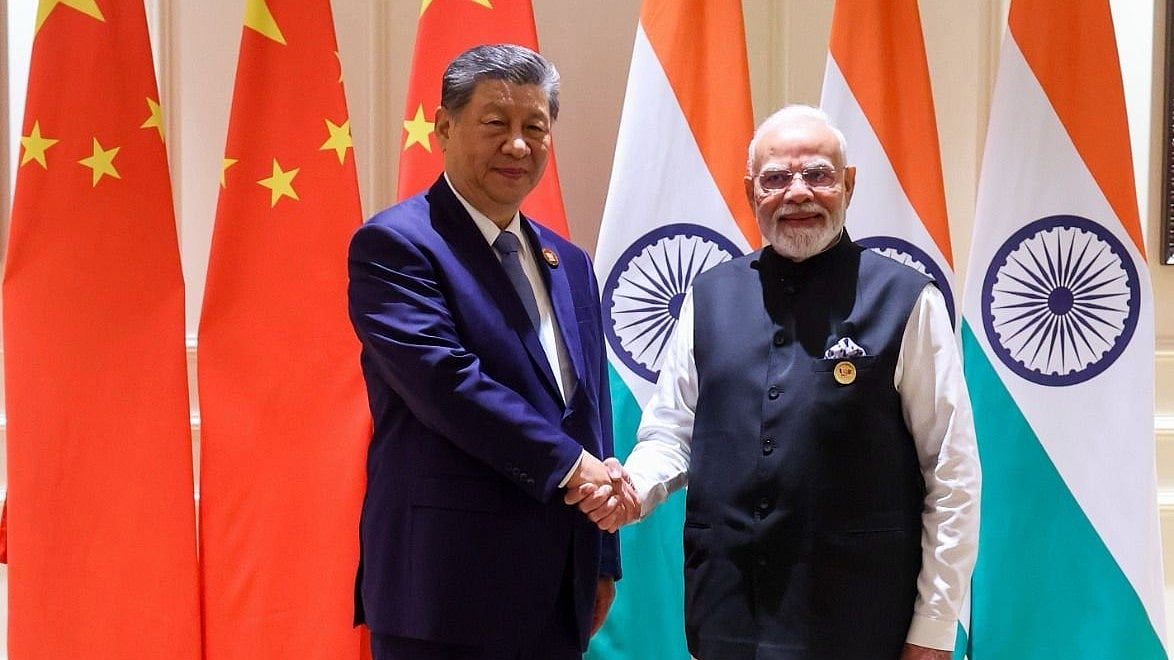
Xi and Modi Seek Stronger India-China Ties at BRICS Summit
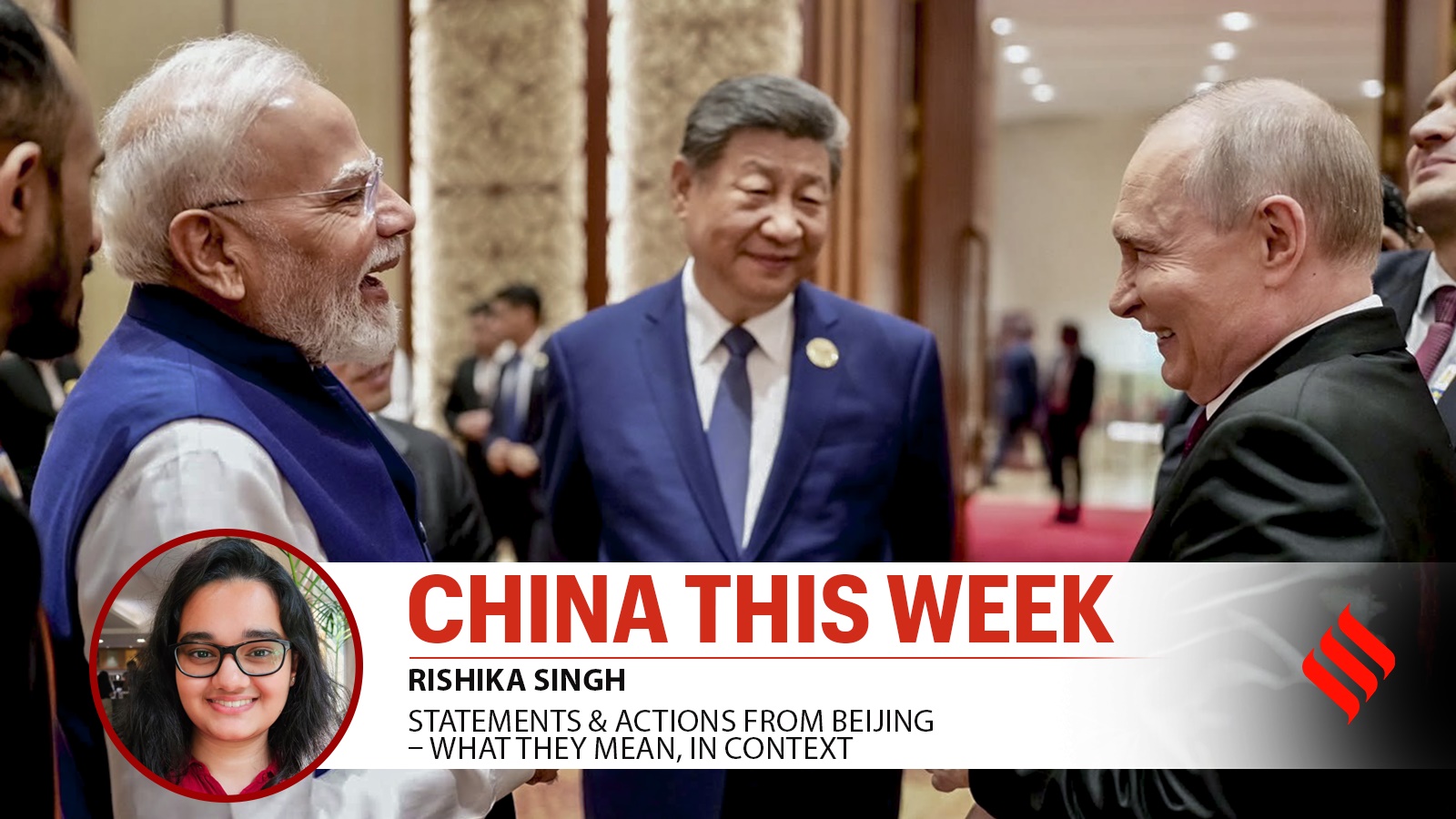
Chinese Media Cast BRICS Summit as Opportunity for India Ties

BRICS Gives India Strategic Room to Maneuver
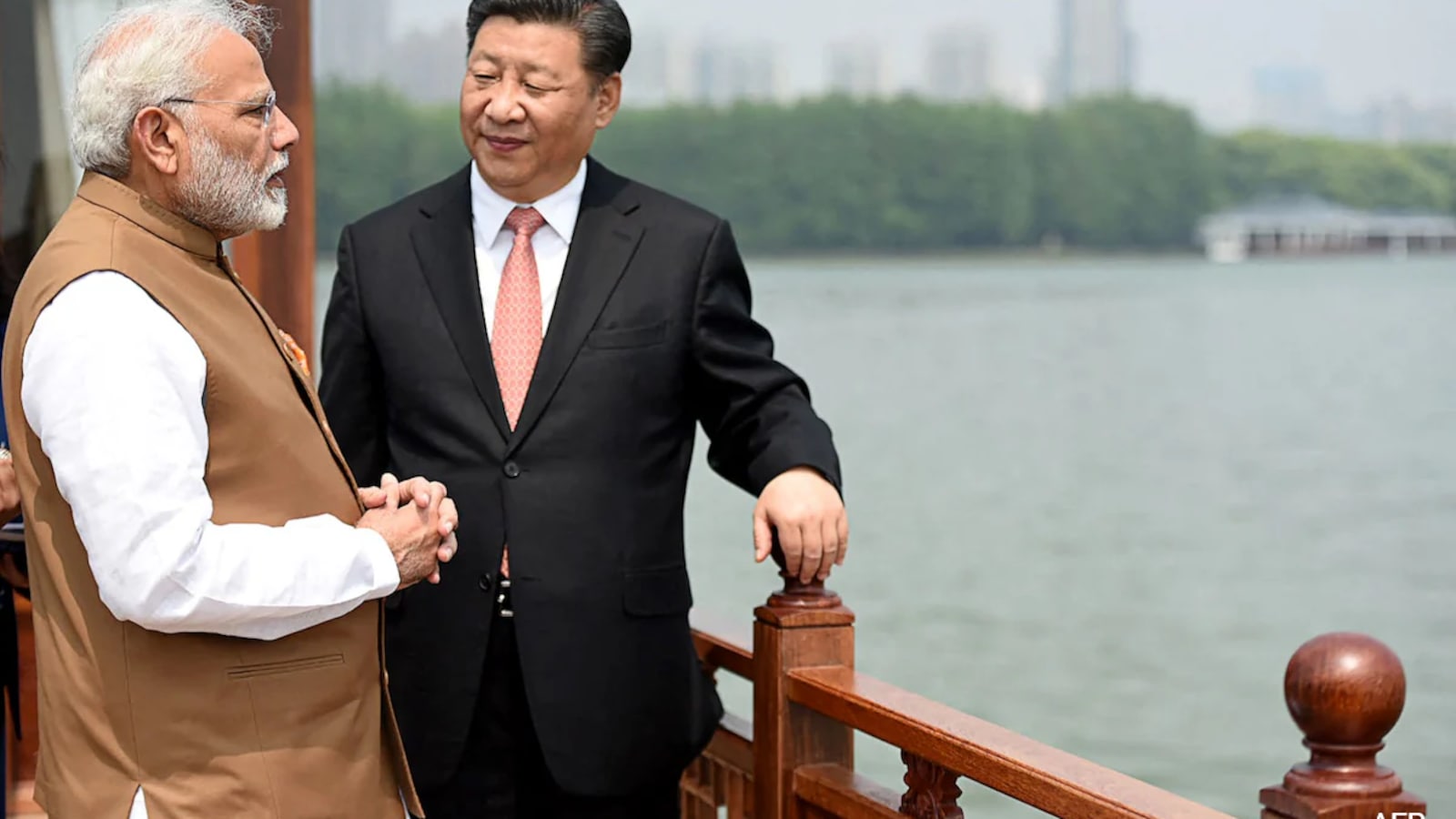
Xi India Visit May Ease Tensions, But Business Ties Struggle
Rahul Gandhi Indore Visit Sparks Congress-BJP Clash Over Remarks
Amit Shah to Lead National Conference on Drug Control
Uttar Pradesh Minister Claims State Will Split Into Four
BJP Leader Demands Rahul Gandhi Apology Over Mother Remarks