1 week ago
India Bets on Battery Storage to Reduce Solar Curtailments
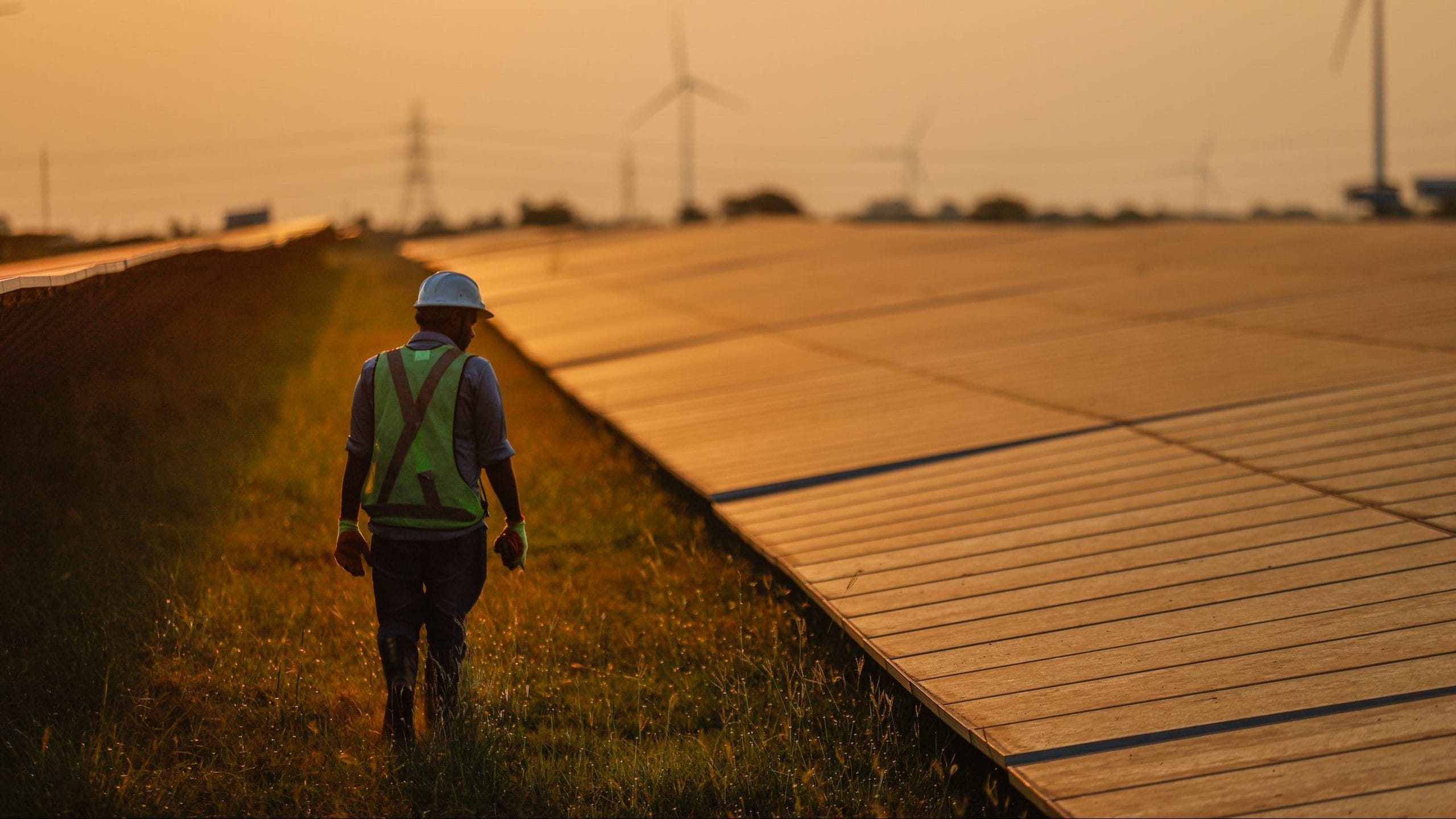
India is producing more solar power than its electricity network can use at some times.
This is especially common during sunny summer days.
When the grid cannot accept all the electricity, some solar plants are temporarily turned down.
About 11% of solar power was lost this way during the hottest months this year.
Batteries can store extra electricity during the day.
The stored power can then be supplied when people need it later.
The government expects more investment in batteries to reduce these losses.
Officials say solar projects without batteries may have difficulty finding buyers.
Nearly 42 gigawatts of planned capacity still do not have contracts to sell their electricity.

About 11% of India’s solar power was curtailed during the hottest months this year.
India’s transmission system failed to absorb more than 8 billion kilowatt-hours of power from April to June.
Nearly 42 gigawatts of planned renewable capacity have not yet secured offtake contracts.
Renewables Secretary Santosh Kumar Sarangi said projects without batteries may struggle to find buyers.
Solar developers are adding battery storage to provide electricity beyond daytime generation periods.
- Who
- The Indian government, solar developers, electricity-grid operators, and Renewables Secretary Santosh Kumar Sarangi.
- What
- India is promoting battery storage to reduce solar-power curtailments and make renewable projects more attractive to buyers.
- Where
- India, particularly northern and western regions where grid expansion has struggled to match solar growth.
- When
- The issue was discussed on Friday; the reported curtailments occurred mainly from April to June, including the hottest months this year.
- Why
- Rapid solar expansion has created daytime electricity surpluses that India’s transmission system cannot fully absorb.
Key facts
- Solar power curtailed
- About 11% of solar power generated during the hottest months this year was lost to grid curtailments.
- Unabsorbed electricity
- More than 8 billion kilowatt-hours were not absorbed by the transmission system from April to June.
- Power reaching the system
- About 63 billion kilowatt-hours reached India’s system from April to June.
- Planned capacity without contracts
- Almost 42 gigawatts of planned capacity had yet to sign offtake contracts.
- Projects at greater curtailment risk
- Almost 21 gigawatts of renewable projects have only part-time access to the grid.
- At-risk capacity
- About 18 gigawatts of solar-only projects and another 14 to 15 gigawatts awarded at high prices were identified as particularly at risk.
- Peak curtailment period
- The highest curtailment occurred in May, when scorching heat drove electricity use to a record.
Sources
Related news
India weighs storage changes to revive stalled renewable-energy bids

India Must Scale Storage as Renewable Capacity Expands
India’s Solar-Heavy Grid Needs Flexible Demand and Storage
Power imports, solar shortfall challenge Delhi's grid, IEEFA-Ember study says
India Adds Record 27 GW Solar Capacity in H1 2026

Swara Bhasker’s Jauhar Remarks Revive Padmaavat’s Historical Debate

Young Government Bank Officer Reveals Salary, Benefits After 2.5 Years

India’s Dementia Crisis May Affect 16.9 Million Seniors by 2036

Five Student-Friendly Laptops Covering Every College Budget and Workload

Putin Faces Western Isolation While Russia Builds Non-Western Ties