

1 week ago
India’s Solar-Heavy Grid Needs Flexible Demand and Storage
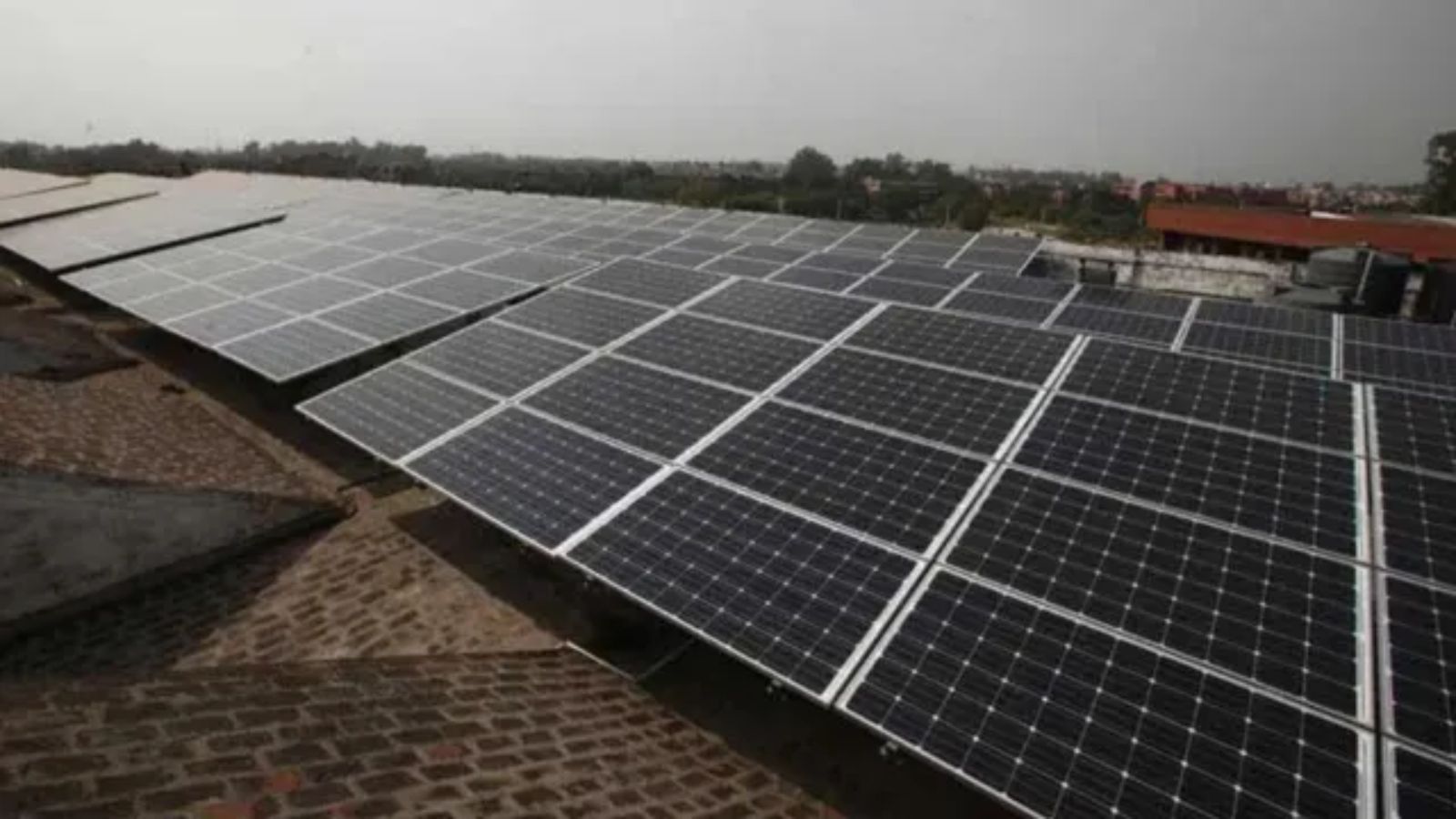
India is building many solar and wind power plants.
These plants do not produce the same amount of electricity all the time.
Solar panels often produce the most power when people are not using as much electricity.
Sometimes the grid must reduce or switch off renewable power, which is called curtailment.
Large batteries could save extra electricity, but they are currently expensive.
The authors suggest using more electricity during sunny hours, such as for factories and electric vehicles.
They also recommend small batteries in homes and better electricity-price signals.
If some renewable power still has to be reduced, they say power producers should be fairly paid and the process should be managed through clear markets.

India has installed 283 GW of renewable-energy capacity, with another 150 GW in development toward its 500 GW target by 2030.
Solar curtailment reached approximately 8,133 million units during the first six months of the year discussed.
High renewable penetration creates stability challenges because solar and wind rely on inverter-based technology rather than traditional generators.
Large batteries remain costly: a Uttar Pradesh tender priced four-hour storage at ₹6.45 per unit, above coal and utility-scale solar costs.
The authors propose combining industrial electrification, daytime EV charging, distributed batteries, and compensated curtailment to balance the grid.
- Who
- India, electricity generators, industries, utilities, regulators, households, and electric-vehicle users.
- What
- The country is seeking ways to integrate rapidly expanding renewable energy while keeping the grid stable and electricity affordable.
- Where
- Across India, including renewable-energy transmission corridors, households, industries, and workplaces; a storage example comes from Uttar Pradesh.
- When
- India is moving toward its 500 GW renewable-energy target for 2030 and a 60% non-fossil installed-capacity target for 2035; curtailment cited in the article occurred during the first six months of the year discussed.
- Why
- Solar and wind output varies, often mismatching electricity demand and creating grid-stability, congestion, curtailment, and cost challenges.
Key facts
- Installed renewable capacity
- 283 GW
- Renewable capacity in pipeline
- 150 GW
- Renewable target for 2030
- 500 GW
- Non-fossil capacity target for 2035
- 60% of cumulative installed electric-power capacity
- Solar curtailment
- Approximately 8,133 million units in the first six months of the year discussed
- Four-hour battery-storage tender price
- ₹6.45 per unit in Uttar Pradesh, after viability-gap funding
- Rooftop solar installations
- More than 49.8 lakh installations
Sources
Related news

India's Renewable Surge Tests Power Grid Management and Innovation
India Bets on Battery Storage to Reduce Solar Curtailments

Battery-Backed Renewables Can Beat New Coal Costs in India
India weighs storage changes to revive stalled renewable-energy bids

India Must Scale Storage as Renewable Capacity Expands

Politics Heats Up as Uttarakhand, Uttar Pradesh Polls Near
Teen Allegedly Gangraped on Moving Delhi Bus; Two Arrested

Mayawati to Review BSP Preparations for 2027 Elections

Ayodhya Temple CEO Appointment Faces Opposition Donation Allegations

UP Government Releases ₹101.49 Crore to Upgrade Kasturba Schools
