3 weeks ago
Power imports, solar shortfall challenge Delhi's grid, IEEFA-Ember study says
Delhi is a very big city in India where lots of people live.
In the summer, it gets very hot, so people use fans and air conditioners a lot.
That means the city needs a huge amount of electricity.
On one very hot day, Delhi needed more power than ever before at that time of year.
The city cannot make all of this electricity by itself, so it buys power from other places.
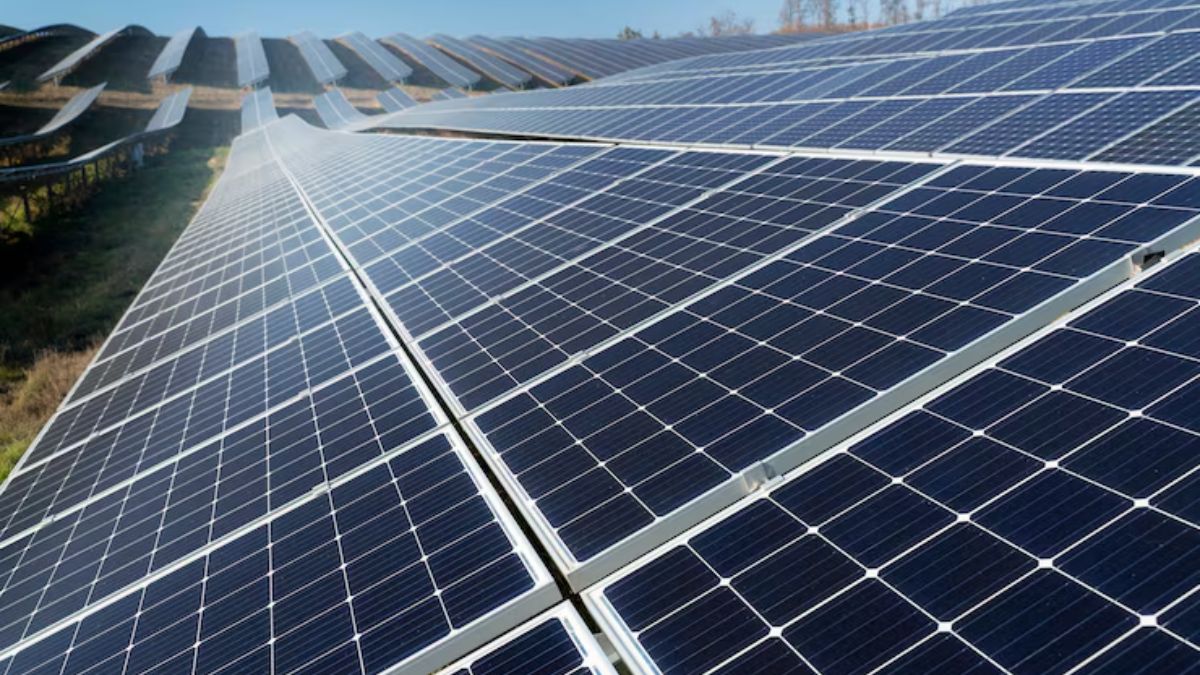
Solar panels help during the day, but the sun does not shine at night, when the city also needs power.
Batteries can save the sun's power for later, and experts say Delhi needs more of them.
Only a few buildings have solar panels on their roofs so far, and the city is behind its target.
A new report by IEEFA and Ember suggests ways to fix this, like getting cleaner power and using electricity wisely.
Their ideas can help Delhi stay cool without breaking the power system.

Delhi's peak demand hit 8,748 MW on June 29, 2026, the highest June level recorded during FY23-27.
The capital's total energy requirement rose to a record 38,482 million units (MU) in FY26, about 2.2% of India's requirement.
Delhi's local generation fell to 4,627 MU in FY25, meeting only 13% of total power purchases of 36,813 MU.
Rooftop solar reached about 446 MW by June 2026, against the 750 MW target under the Delhi Solar Energy Policy 2023.
The study calls for expanded battery storage, faster rooftop solar approvals and solar-hour-aligned time-of-day tariffs.
- Who
- A study by IEEFA and Ember analyzing Delhi's power sector, involving distribution utilities TPDDL and BRPL, which operate the city's battery storage systems.
- What
- Rising day-and-night demand peaks, falling local generation and untapped rooftop solar potential are straining Delhi's electricity grid.
- Where
- Delhi, India.
- When
- The study covers data through June-July 2026, with peak demand recorded on June 29, 2026.
- Why
- Growing cooling requirements amid heat stress, commercial activity, electrification of transport and services, and declining local generation are widening the demand-supply gap.
Key facts
- Peak demand (June 29, 2026)
- 8,748 MW, highest June level during FY23-27
- FY26 energy requirement
- 38,482 MU (record), about 2.2% of India's requirement
- Local generation (FY25)
- 4,627 MU, meeting 13% of 36,813 MU total purchases
- Rooftop solar capacity (June 2026)
- About 446 MW against 750 MW target
- FY26 rooftop installations
- 5,378 new installations (record), up from 119 MW in March 2019
- Battery storage
- 10 MW/10 MWh (TPDDL) and 20 MW/40 MWh (BRPL)
- Smart meters sanctioned (July 2026)
- 3,521 under the Revamped Distribution Sector Scheme, installation not yet progressed
- Report authors
- IEEFA and Ember
Quotes
IEEFA and Ember report
Study by IEEFA and Ember on Delhi’s electricity transition
“Delhi’s transition will depend on optimising clean power procurement, scaling rooftop solar and storage, improving energy efficiency, enabling demand‑side flexibility, and leveraging power markets.”
 financialexpress.com
“The emergence of significant night‑time peaks underscores the importance of energy storage to utilise renewable energy resources in meeting evolving demand patterns.”
financialexpress.com
Sources
Related news
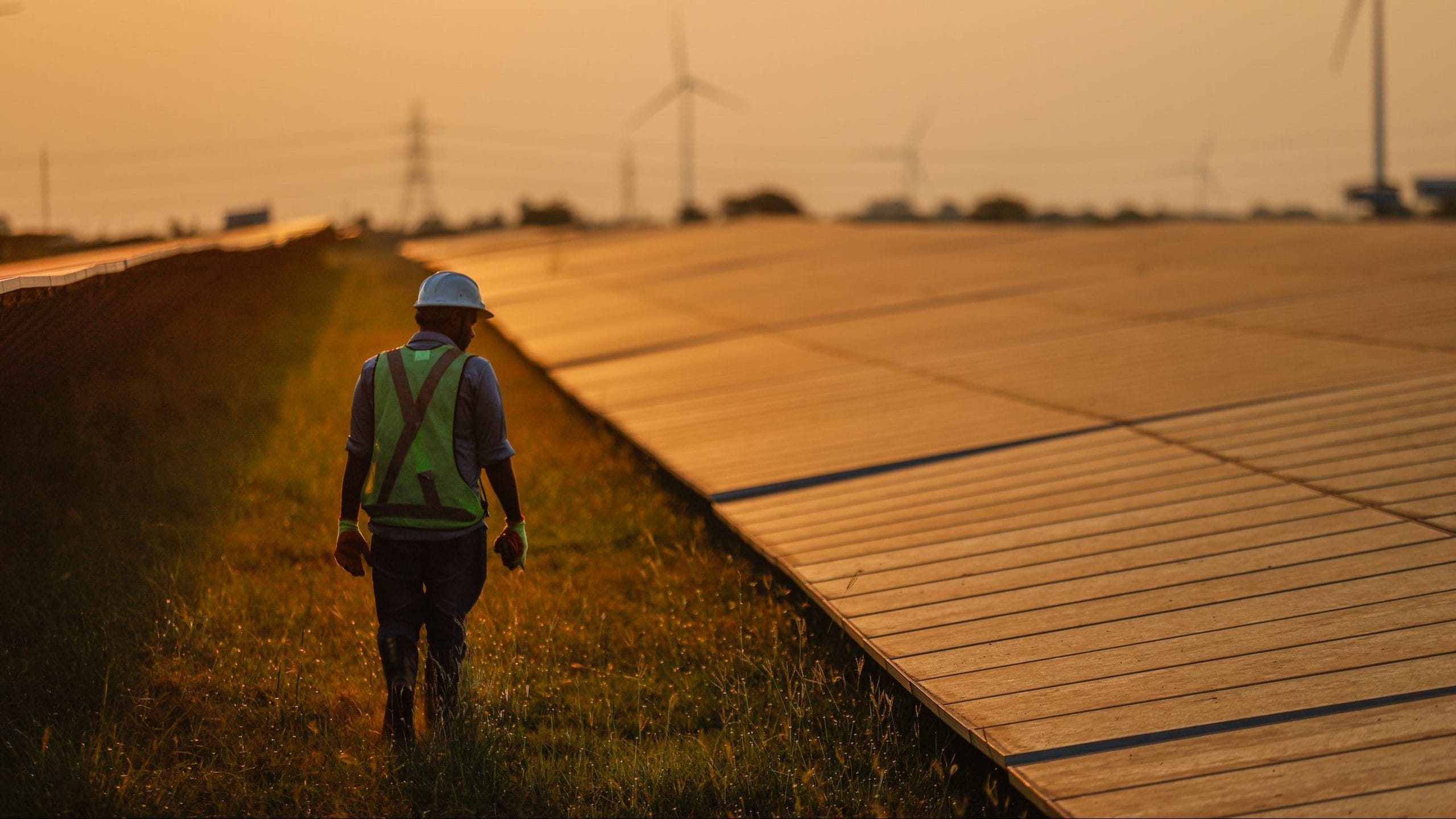
India Bets on Battery Storage to Reduce Solar Curtailments

India Must Scale Storage as Renewable Capacity Expands
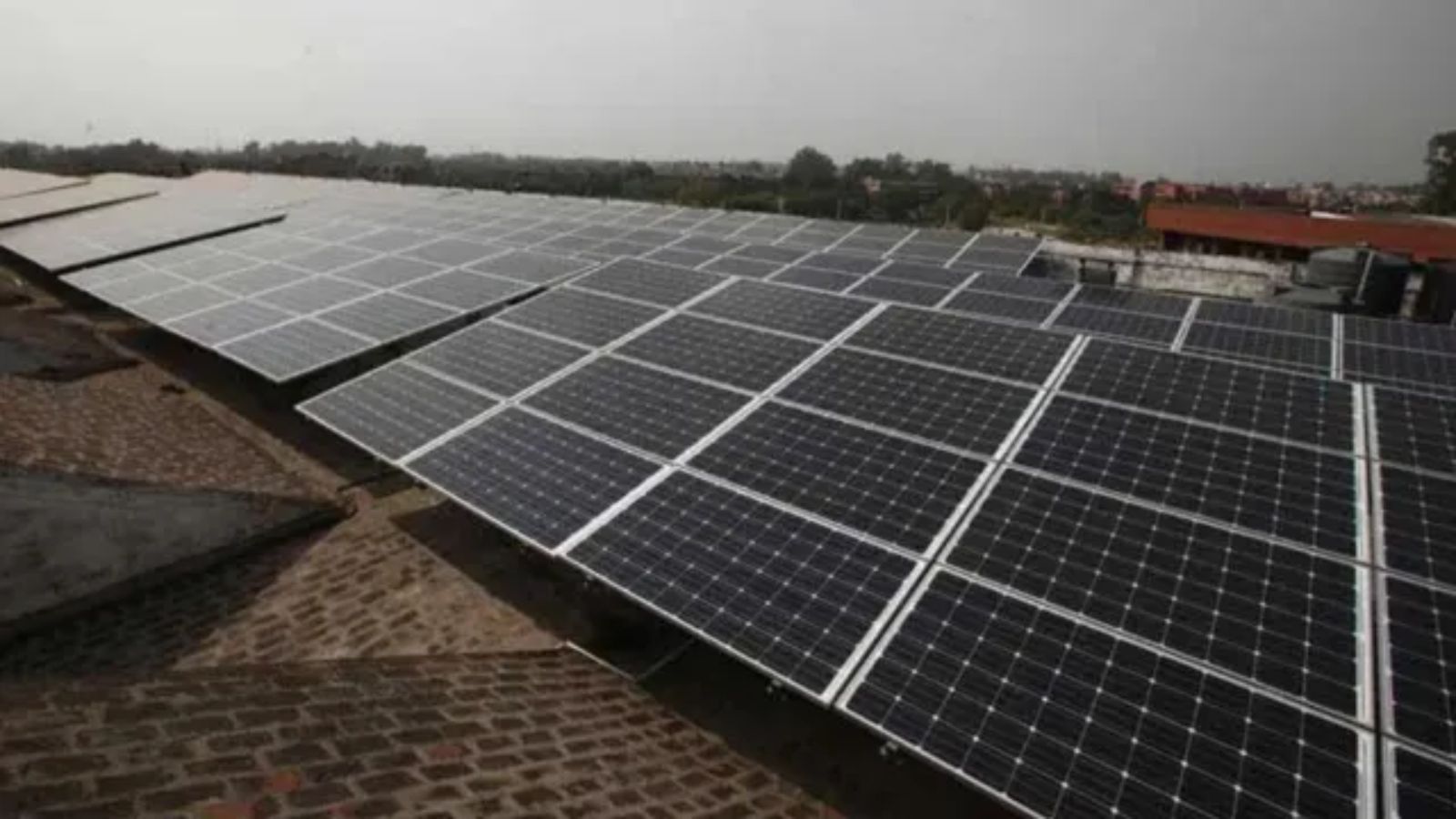
India’s Solar-Heavy Grid Needs Flexible Demand and Storage

India’s Power Demand Surges as Data Centres Expand Grid Needs
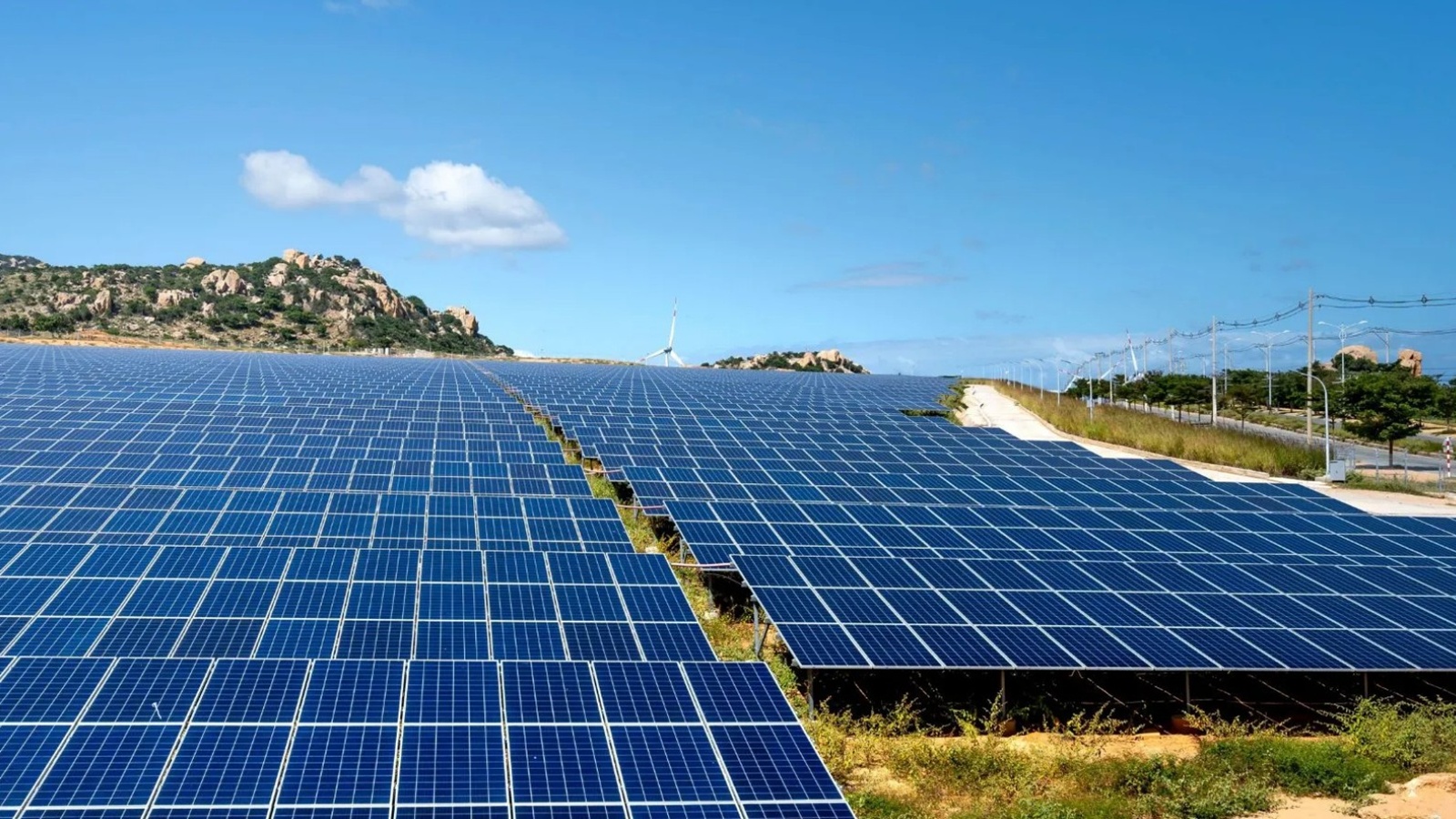
Delhi Approves Free Rooftop Solar Panels for 2.3 Lakh Homes

Delhi Power Minister Chairs Review to Streamline Sector Operations

JAKSON Group Names Ivan Saha Managing Director For Solar Business

Mumbai Metro One Launches Digital Passes On WhatsApp For Commuters
India Energy Stack: UPI-like digital backbone for electricity trading
DERC permits Delhi discoms to impose additional fuel surcharge

Delhi's Greater Kailash M Block parking facility finds few takers