

2 hrs ago
Nepal Proposes Himalayan Climate Mechanism With India and China

Nepal’s prime minister wants Nepal, India and China to work together to protect the Himalayas.
He suggested creating a Himalayan Climate Resilience Mechanism.
The countries would share satellite information and scientific knowledge.
They would watch dangerous lakes created by melting glaciers.
They would also build better warning systems for floods and landslides.
If a disaster happens, the countries could help one another across their borders.
Shah said warming temperatures and melting permafrost are making mountain slopes less stable.
Nepal says recent floods caused more than $5 billion in damage and showed why more climate cooperation is needed.

Prime Minister Balendra Shah proposed a Himalayan Climate Resilience Mechanism led by Nepal, India and China.
Shah made the proposal during his maiden address to the 81st United Nations General Assembly session on Thursday.
The mechanism would share satellite data and expertise, monitor dangerous glacial lakes and strengthen joint early-warning systems.
It would coordinate cross-border disaster assistance after floods, landslides and other hazards.
Nepal says recent disasters caused more than $5 billion in losses, while the United States announced $31 million in new recovery aid.
- Who
- Nepal Prime Minister Balendra Shah proposed cooperation involving Nepal, India and China.
- What
- He proposed a Himalayan Climate Resilience Mechanism to share data, monitor hazards, improve warnings and coordinate disaster assistance.
- Where
- The proposal was made at the United Nations General Assembly and concerns the Hindu Kush Himalaya region, including areas affected across Nepal, China and downstream India.
- When
- Thursday, during Shah’s maiden address to the 81st session of the United Nations General Assembly.
- Why
- Shah cited warming climate, melting permafrost, unstable mountain slopes, glacial hazards and recent devastating flash floods.
Key facts
- Proposed mechanism
- Himalayan Climate Resilience Mechanism
- Proposed leaders
- Nepal, India and China
- Planned cooperation
- Satellite-data and expertise sharing, glacial-lake monitoring, joint early-warning systems and cross-border disaster assistance
- Main hazards
- Ice-rock avalanches, floods, landslides and other cascading hazards
- Estimated Nepal losses
- More than $5 billion, nearly 15% of gross domestic product and one-third of the annual budget
- United States aid
- $31 million announced for Nepal’s flood recovery, bringing total financial help to $36 million
- Population in the Hindu Kush Himalaya
- Nearly two billion people
Quotes
Balendra (Balen) Shah
Prime Minister of Nepal speaking at the UN General Assembly
“Thus for Nepal, this catastrophe is not merely a humanitarian emergency. It is a development emergency dismantling years of progress. It is a justice crisis exposing the inequities of global climate action, and it is an existential crisis striking at the very survival of our communities and our future”
 telegraphindia.com
“Let us monitor dangerous glacial lakes. Let us strengthen joint early-warning systems. And when disaster strikes, let us coordinate assistance across borders. Let the Himalayas become a laboratory of international cooperation, rather than a frontier of fragmented information”
telegraphindia.com
 theprint.in
Sources
Related news
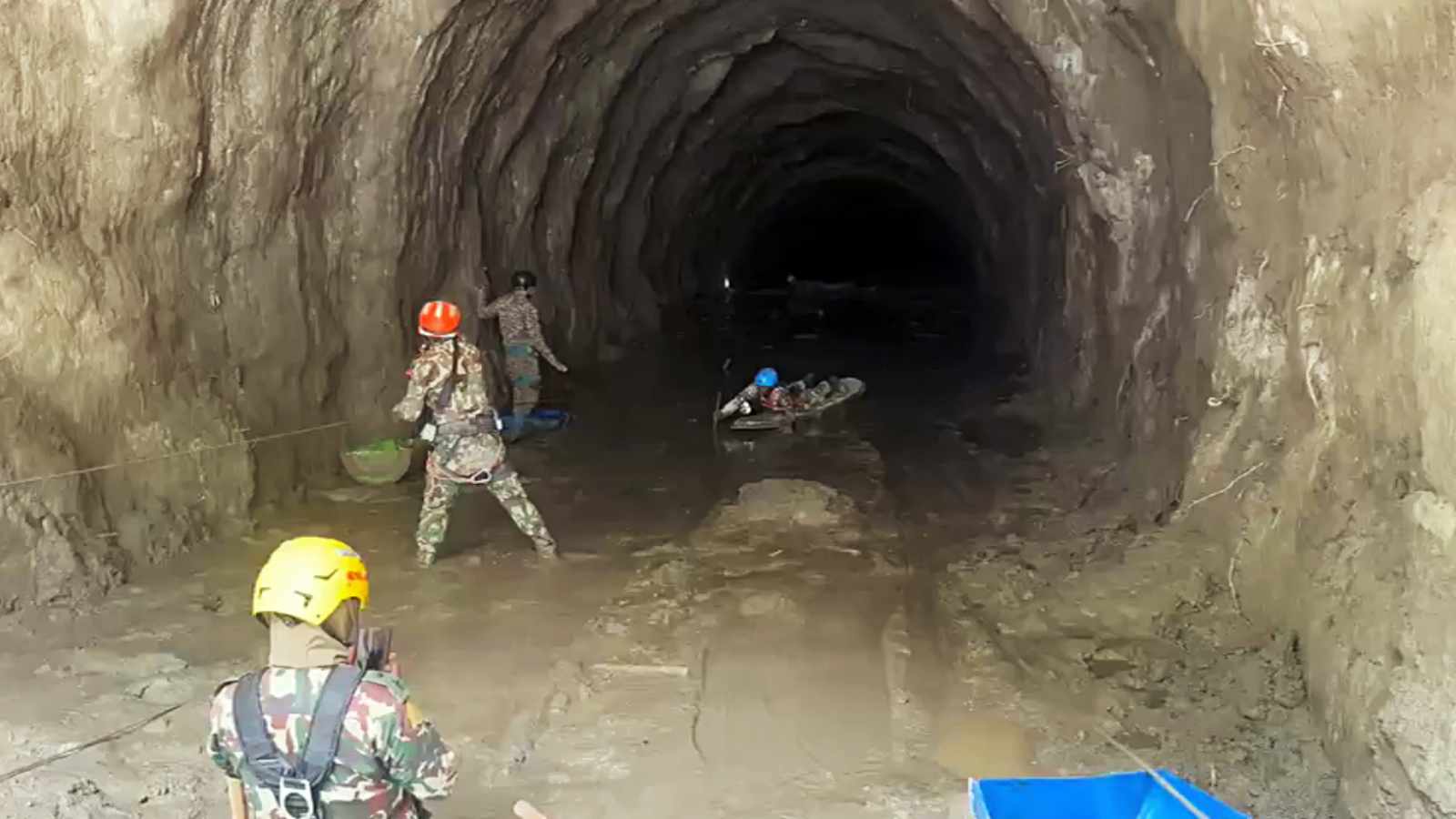
Himalayan Disaster Highlights Need for India-Nepal-China Climate Cooperation

Nepal Urges India, China Cooperation After Devastating Floods
Nepal Flood Catastrophe Signals Need for Himalayan Cooperation
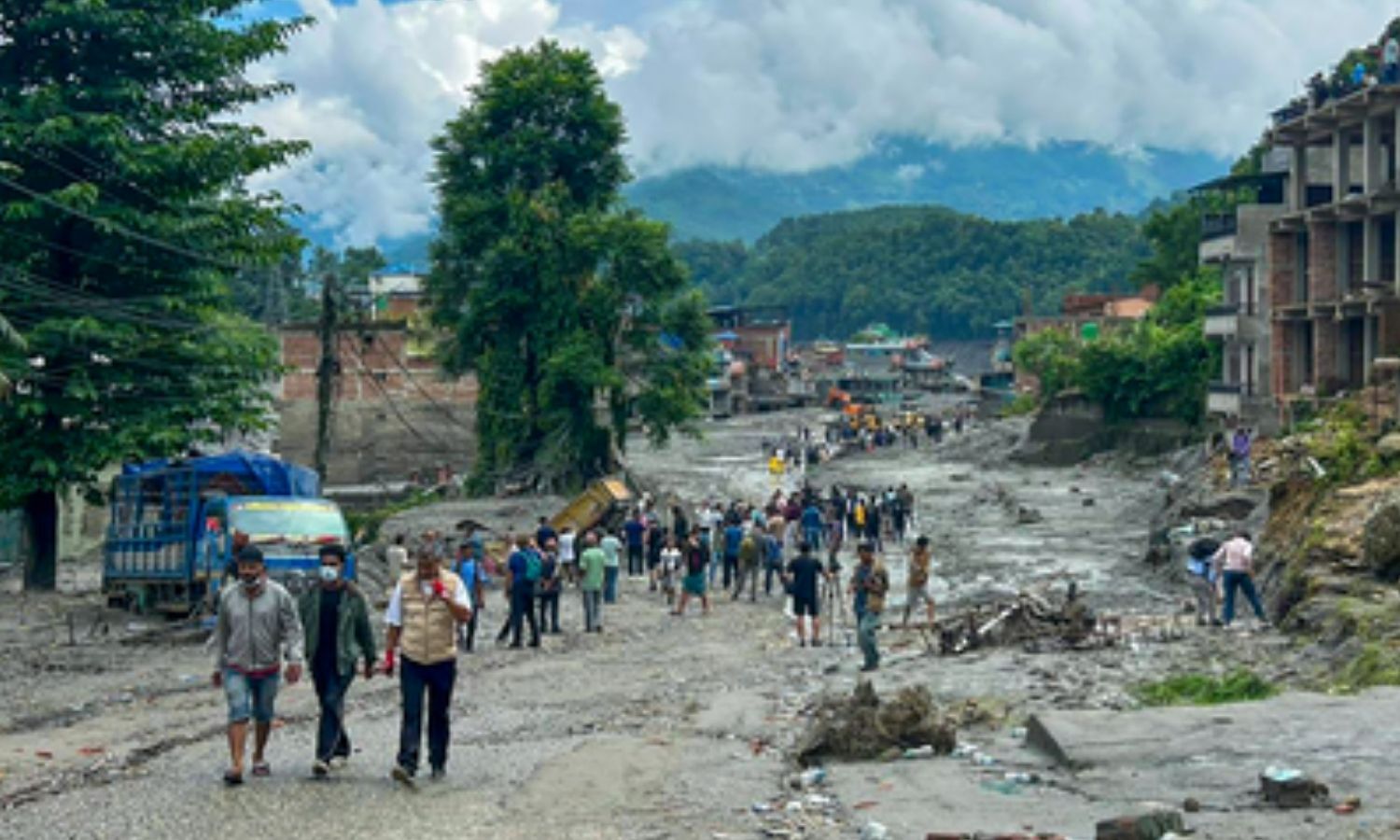
Nepal Flood Disaster Spurs Calls for Himalayan Cooperation
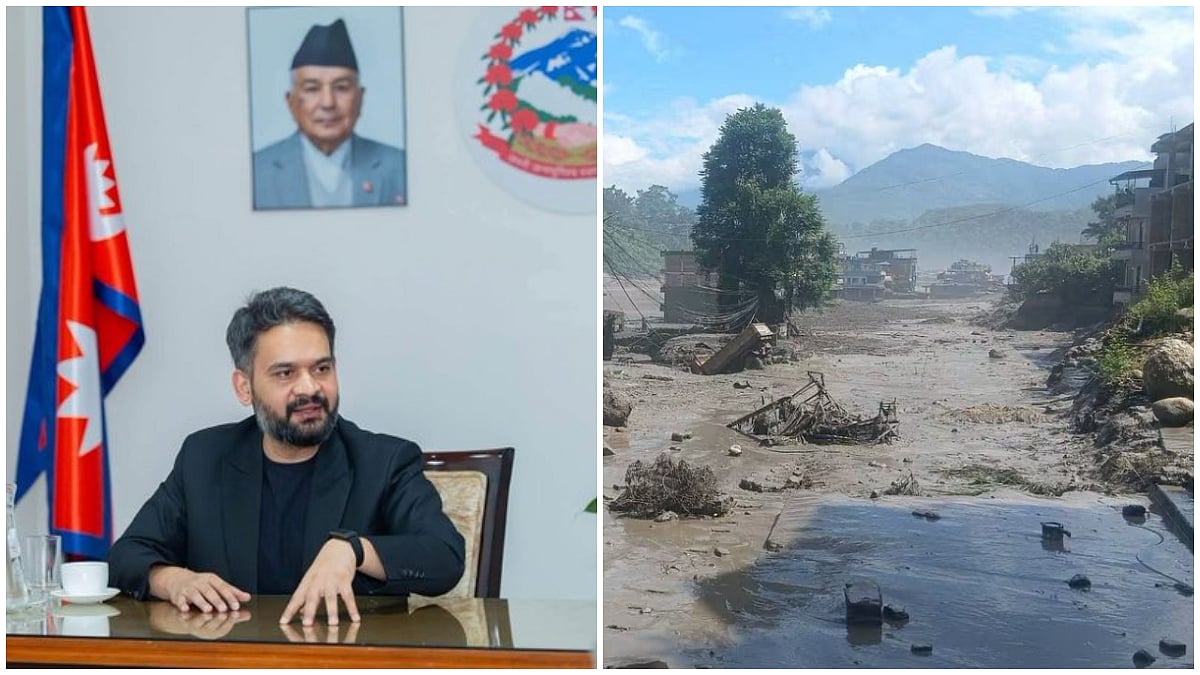
Nepal PM Balendra Shah to Seek Climate Justice at UNGA

India Becomes Net Steel Importer During April-August Period

Nepal Seeks Grants as Glacier Flood Recovery Costs Mount

Afghanistan Face Nepal in Asian Games Group A Clash

ICAI Plans AI-Focused CA Curriculum and Global Programme
