

1 hr ago
Nepal Seeks Grants as Glacier Flood Recovery Costs Mount
A glacier collapse caused a huge flood in Nepal’s mountain communities.
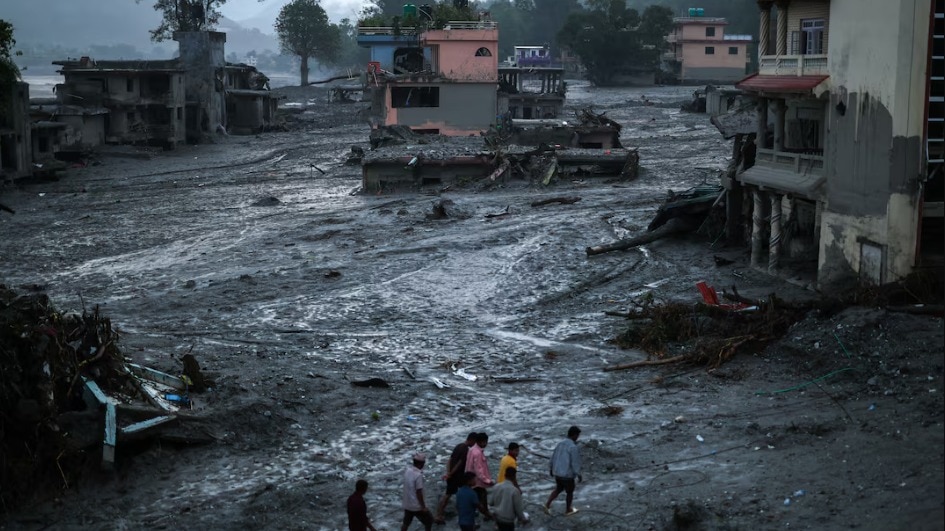
At least 1,450 people died, and more than 6,000 are still missing.
The disaster damaged roads, bridges, schools, homes and people’s ways of earning a living.
Nepal says rebuilding could cost about one-tenth of the country’s economy.
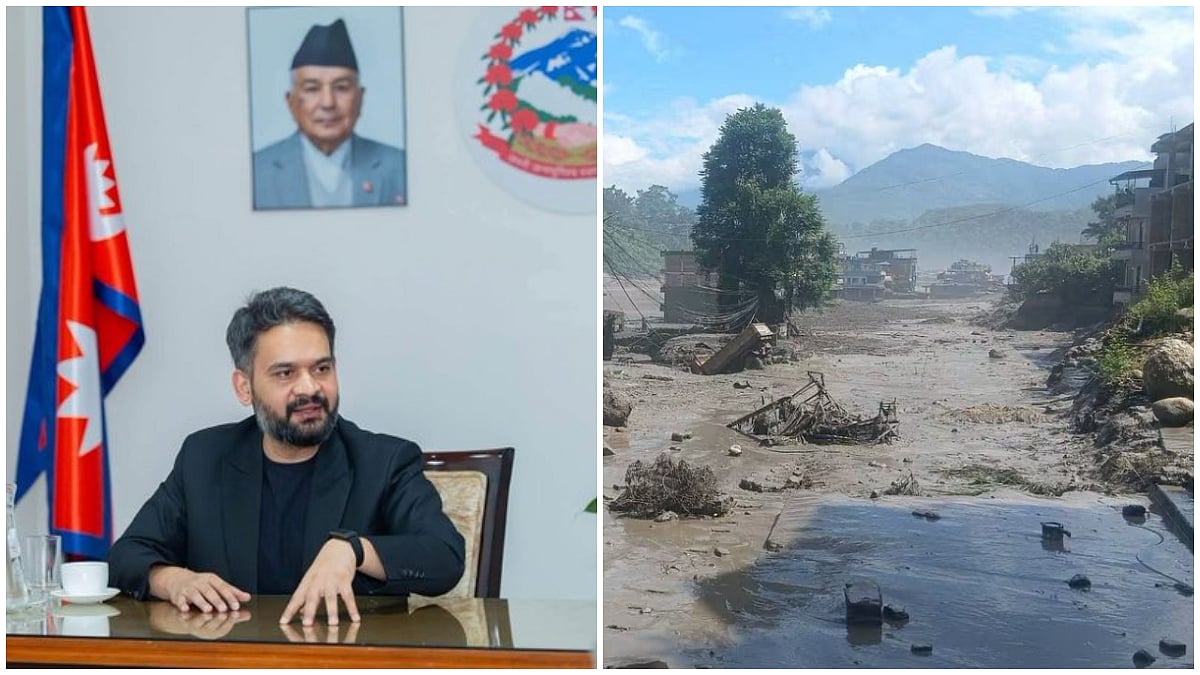
Prime Minister Balendra Shah asked other countries to give Nepal grants instead of making it borrow more money.
He said poor countries should not take on extra debt after climate disasters.
Shah also asked Nepal, India and China to work together to watch glaciers and warn people about floods.
The World Bank has made up to $170 million available for emergency response and recovery.
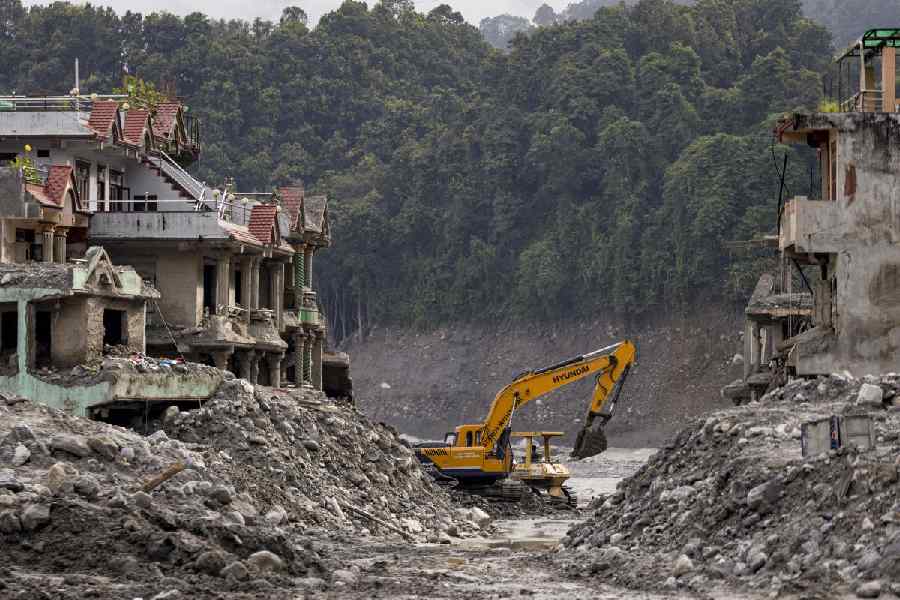
Search and recovery efforts were still continuing weeks after the flood.

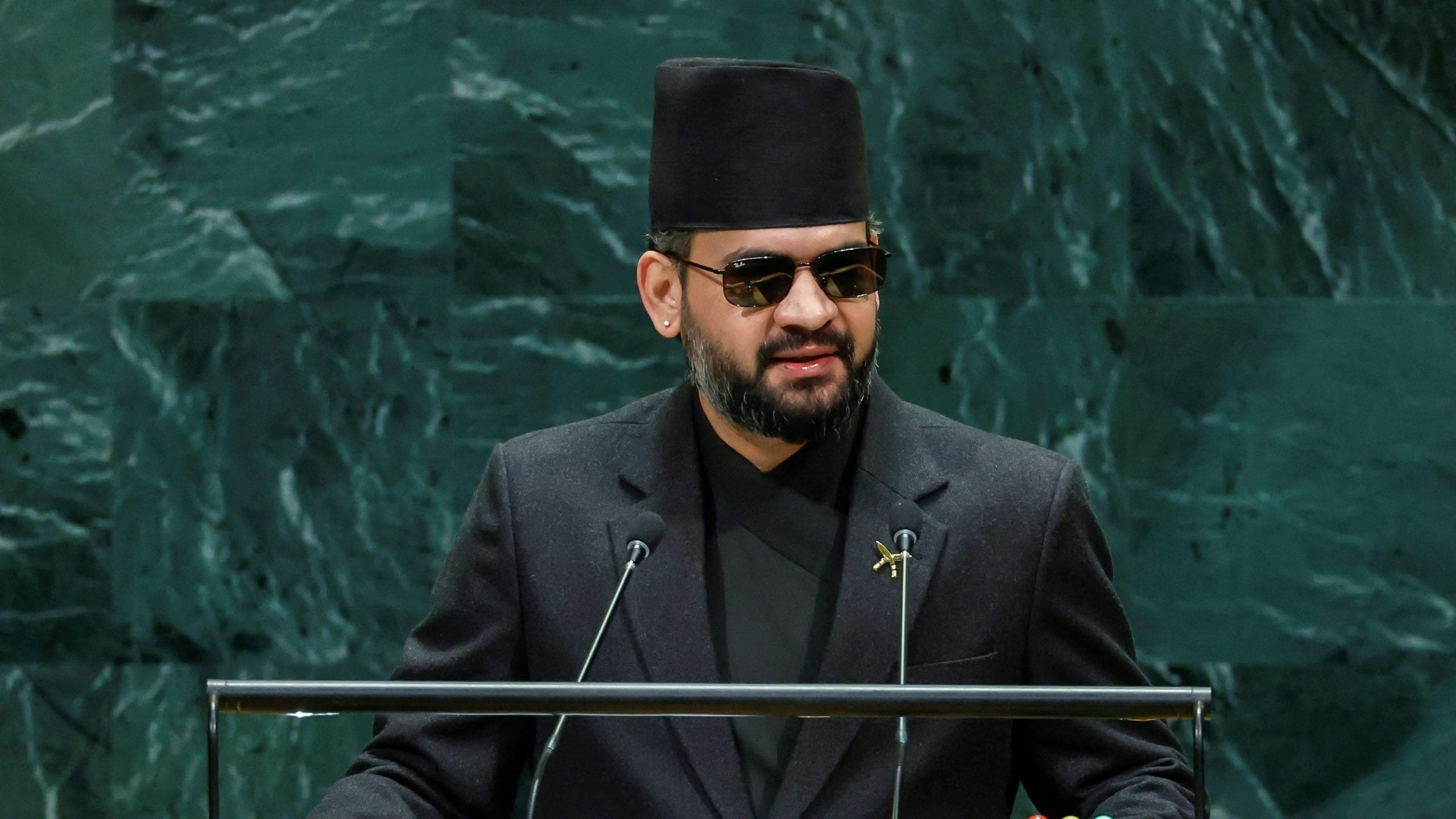
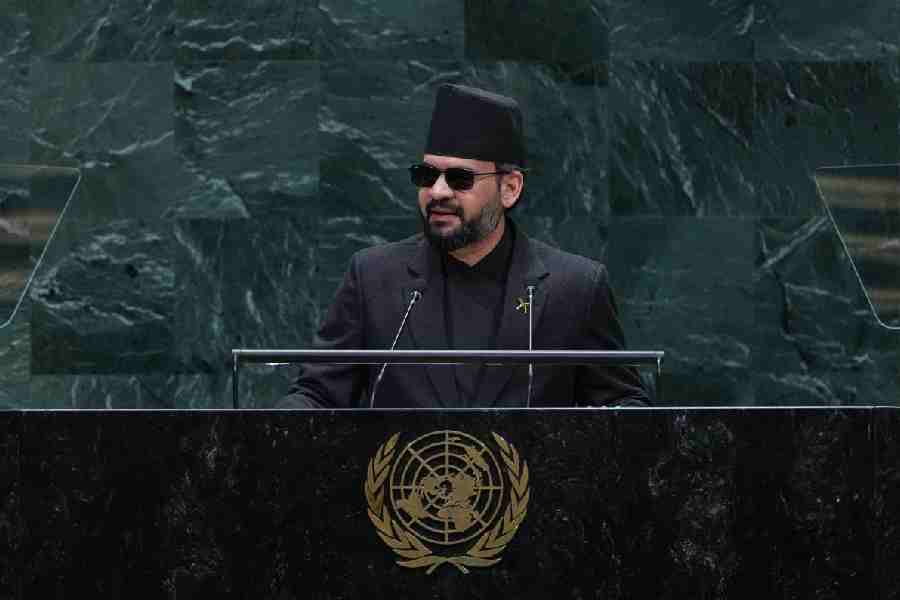
Prime Minister Balendra Shah urged grant-based international support for Nepal’s recovery at the United Nations General Assembly.
The late-August glacier collapse and resulting flood killed at least 1,450 people, while more than 6,000 remain missing.
Nepal estimates recovery and reconstruction needs at about 10% of its gross domestic product.
Shah said the disaster destroyed roads, bridges, schools, homes and livelihoods, disrupting the country’s development.
He called for Nepal, India and China to share satellite data, monitor glacial lakes and coordinate cross-border disaster responses.
- Who
- Nepal Prime Minister Balendra Shah called for international grant support, with Nepal, India, China and the World Bank involved in the response.
- What
- Nepal is seeking grant-based assistance to recover from a glacier-triggered flood that killed at least 1,450 people.
- Where
- The disaster struck mountain communities in Nepal after a glacier collapsed near the Nepal-China border in Tibet Autonomous Region; Shah spoke in New York.
- When
- The glacier collapse occurred in late August; Shah made the appeal on Thursday, about four weeks after the flood.
- Why
- Nepal says recovery and reconstruction will cost about 10% of gross domestic product and argues that vulnerable countries should not take on more debt after climate disasters.
Nepal’s Position
Current Financing Response
How recovery should be funded
Nepal’s Position
Balendra Shah argued that climate-vulnerable countries should receive adequate grants and should not be forced to take on additional debt to rebuild after catastrophic disasters.
Current Financing Response
The World Bank has made up to $170 million in emergency financing available for Nepal’s response and recovery; the report does not specify whether this assistance is grant-based or loan-based.
Key facts
- Deaths
- At least 1,450 people were killed.
- Missing
- More than 6,000 people remained missing weeks after the disaster.
- Estimated recovery need
- About 10% of Nepal’s gross domestic product.
- World Bank financing
- Up to $170 million was made available for emergency response and recovery.
- Disaster trigger
- A glacier collapse near the Nepal-China border caused landslides and a flash flood.
- Requested support
- Nepal is seeking adequate grant-based international assistance rather than additional debt.
- Regional proposal
- Shah urged Nepal, India and China to share satellite data, monitor glacial lakes and coordinate disaster responses.
Quotes

Balendra Shah
Nepal’s prime minister, speaking at the United Nations General Assembly
“When a climate-driven disaster destroys infrastructure of a poor country, the answer cannot simply be another mega loan or a patchwork of small grants. We need adequate grant-based support from the world.”
 theprint.in
Sources
Related news

Nepal Estimates $4.78 Billion Reconstruction Cost After Glacial Floods
Nepal Seeks Global Aid After Himalayan Flash Flood Damage
Nepal PM Balendra Shah to Seek Climate Justice at UNGA
UN Loss and Damage Fund Promises Nepal Urgent Flood Support

Nepal PM Thanks India, China Amid Climate Compensation Demand

India Becomes Net Steel Importer During April-August Period

Afghanistan Face Nepal in Asian Games Group A Clash

ICAI Plans AI-Focused CA Curriculum and Global Programme
Nepal Proposes Himalayan Climate Mechanism With India and China
