1 week ago
Skin and Waist Changes May Signal Improving Insulin Sensitivity
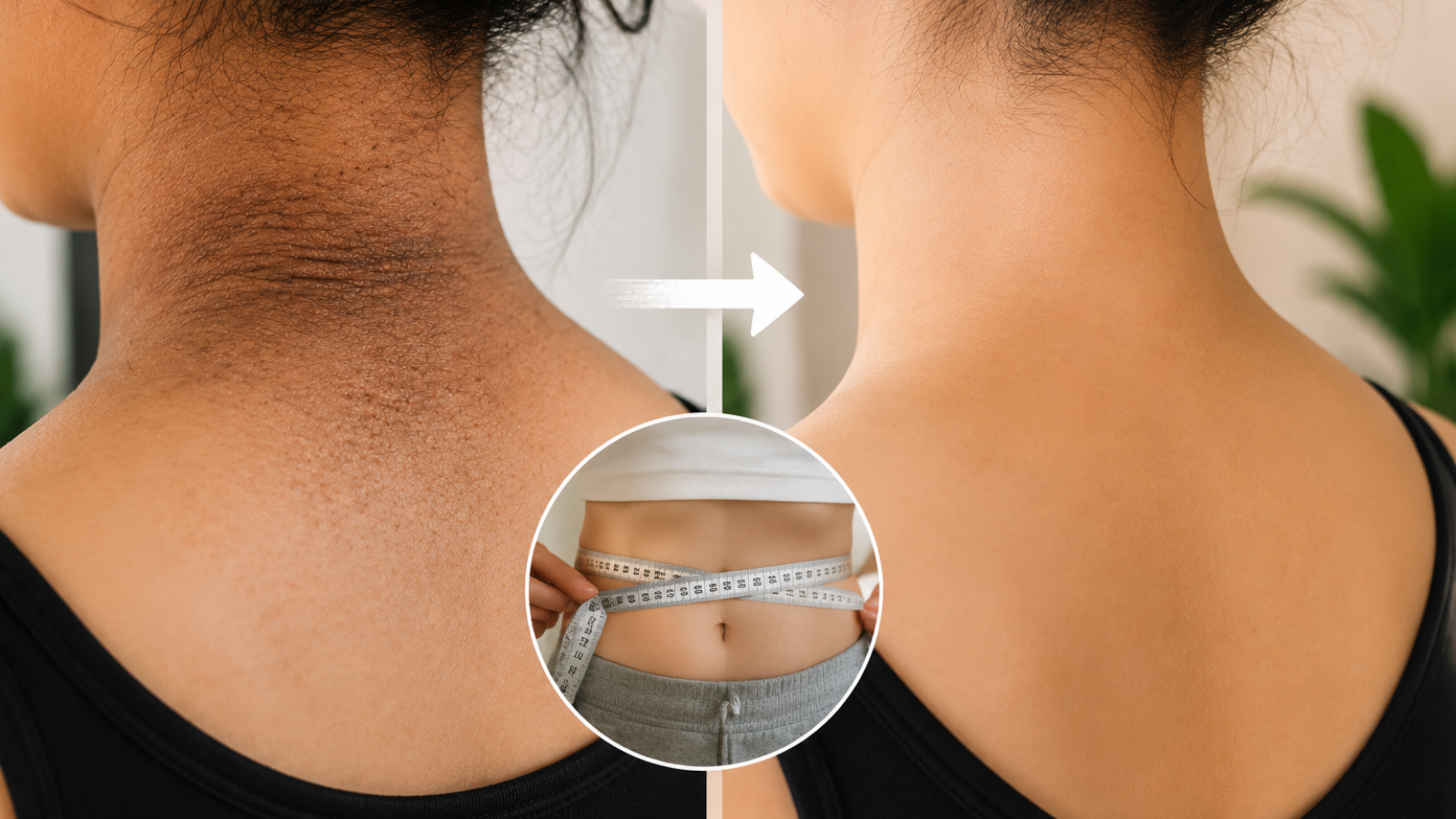
Insulin sensitivity describes how well the body responds to insulin.
When sensitivity improves, some changes may be visible.
These changes might happen before a blood test shows improvement.
Skin changes can be one possible clue.
A condition called acanthosis nigricans creates darker, thicker, velvety skin.
It often appears on the neck or underarms.
Changes in waist size may also provide information, according to the article.
People should ask a health professional before starting any new routine.

Visible changes may sometimes appear before improvements show up in blood tests.
Skin and waist-size changes may provide clues about improving insulin sensitivity.
Dr. Vijay Dutta said these changes can indicate the body is responding better to insulin.
Acanthosis nigricans causes dark, thickened, velvety patches of skin.
These patches commonly appear around the neck or underarms.
- Who
- Dr. (Col) Vijay Dutta, Director of Internal Medicine and Respiratory Services at ISIC Multispecialty Hospital, Delhi.
- What
- Visible skin and waist-size changes may offer signs that insulin sensitivity is improving.
- Where
- The skin changes commonly occur around the neck or underarms.
- When
- The timing is not specified; the article says visible cues may appear before changes show up in a blood test.
- Why
- They may indicate that the body is responding better to insulin.
Key facts
- Health topic
- Insulin sensitivity
- Possible visible cues
- Skin and waist-size changes
- Skin condition
- Acanthosis nigricans
- Skin appearance
- Dark, thickened, velvety patches
- Common locations
- Neck and underarms
- Expert cited
- Dr. (Col) Vijay Dutta
- Medical caution
- Consult a health practitioner before starting any routine
Sources
Related news

Thin Outside, Fat Inside: Visceral Fat Can Hide Health Risks

Five Signs You Are Losing Body Fat, Not Just Weight

Prayer Sign Test May Reveal Hidden Diabetes-Related Stiffness

How Modern Lifestyles Are Changing Women’s Skin Health

Liver fat, not BMI, predicts diabetes risk in Asian Indians

At 48, Gauri Pradhan Shares Her Glowing Skin Mantra

Why Gen Z Keeps Dating Connections Alive Without Commitment

Protein Timing Matters, But Daily Intake Matters More

Kolkata Pink Line Wins Clearance After Years of Delays

Baranagar-Barrackpore Metro Revives After 15-Year Pipeline Stalemate

Protest erupts in Baranagar after woman’s death; husband, mother-in-law arrested