1 week ago
Thin Outside, Fat Inside: Visceral Fat Can Hide Health Risks

Some people look thin but still have extra fat deep inside their belly.
This fat is called visceral fat, and it can surround important organs.
It is different from the soft fat just beneath the skin.
Too much visceral fat may affect how the body handles sugar and may cause inflammation.
A normal weight does not always mean that a person has a healthy metabolism.
Doctors can check waist size, blood pressure, blood sugar and cholesterol for additional clues.
Sitting too much, eating unhealthy foods, sleeping poorly and feeling long-term stress may increase the risk.
Exercise can help reduce fat and build stronger muscles.
Eating nutritious food and getting enough sleep are also important.

Visceral fat surrounds abdominal organs and can affect inflammation and glucose metabolism.
People with normal weight or BMI may still have excess abdominal fat and metabolic risks.
Waist circumference, blood pressure, blood glucose, HbA1C and cholesterol can reveal risks missed by weight alone.
Sedentary habits, high-calorie foods, poor sleep, stress and prolonged sitting may increase visceral fat.
Regular exercise, muscle-building, a nutritious diet, adequate sleep and medical advice can help reduce risk.
- Who
- People who appear lean or have a normal BMI but may carry excess visceral fat, along with health professionals quoted in the article.
- What
- The article explains how hidden visceral fat can create metabolic risks even when someone looks thin.
- Where
- The condition involves fat stored around organs in the abdominal cavity; the quoted experts work at hospitals in Bangalore and Delhi.
- When
- The article does not specify a particular time.
- Why
- Visceral fat may contribute to inflammation, insulin resistance, type 2 diabetes, fatty liver disease and heart-related problems.
Key facts
- Visceral fat
- Fat stored deep in the abdomen around vital organs.
- Subcutaneous fat
- The pinchable layer of fat beneath the skin, which mostly provides insulation.
- Potential risks
- Insulin resistance, type 2 diabetes, metabolic disorders, fatty liver disease and heart ailments.
- Possible warning signs
- An expanding waistline, high blood sugar, abnormal cholesterol or other metabolic risk factors.
- Contributing factors
- Sedentary living, high-calorie foods, lack of sleep, stress, prolonged sitting, ageing and weak muscles.
- Useful assessments
- Waist circumference, blood pressure, blood glucose, HbA1C, cholesterol, lifestyle and family history.
- Risk reduction
- Regular exercise, muscle building, a diet containing protein, fibre and fruit, sufficient sleep and less prolonged sitting.
Quotes
Dr Dinesh Thakur
Senior Consultant in Advanced Laparoscopic and Bariatric Surgery at Apollo Spectra Hospital, Delhi
“We do come across people who seem lean or whose BMI is normal but have more fat content in the abdomen or visceral fat, especially when muscle mass is less and physical activity is insufficient.”
 livemint.com
“Being thin from the outside is not equivalent to having a healthy body composition.”
livemint.com
Sources
Related news

Lean Adults Can Develop Fatty Liver Despite Normal BMI
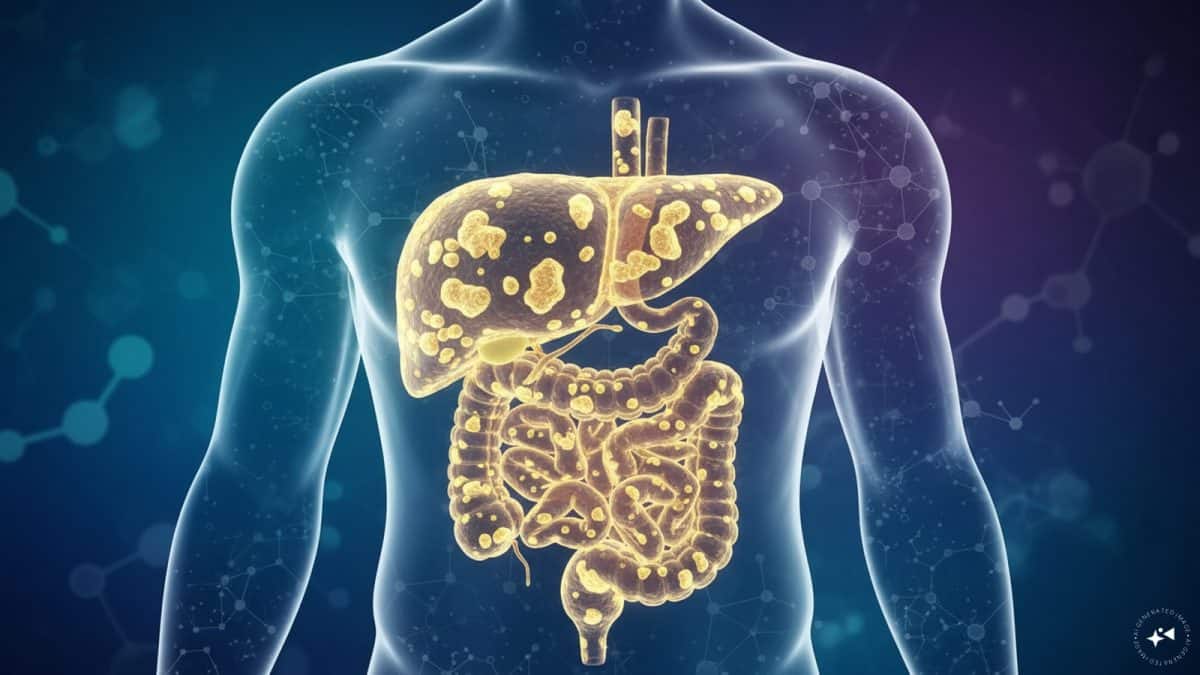
Liver fat, not BMI, predicts diabetes risk in Asian Indians
Why Indians in Their 20s Face Diabetes, Fatty Liver

Why Indians Are Ageing Faster Than They Realise

Syrma SGS, Elemaster Launch High-Reliability Electronics Facility in Bengaluru

Shivakumar Says Sita’s Sacrifice Inspires Women Entrepreneurs and Leadership

16th Aero India Show Set for Bengaluru in February
Corporate Daycares Offer Working Parents Convenience Amid Safety Concerns

Bengaluru Police Expose Fake Officer Profiles Used in Furniture Fraud