1 week ago
Baranagar-Barrackpore Metro Revives After 15-Year Pipeline Stalemate
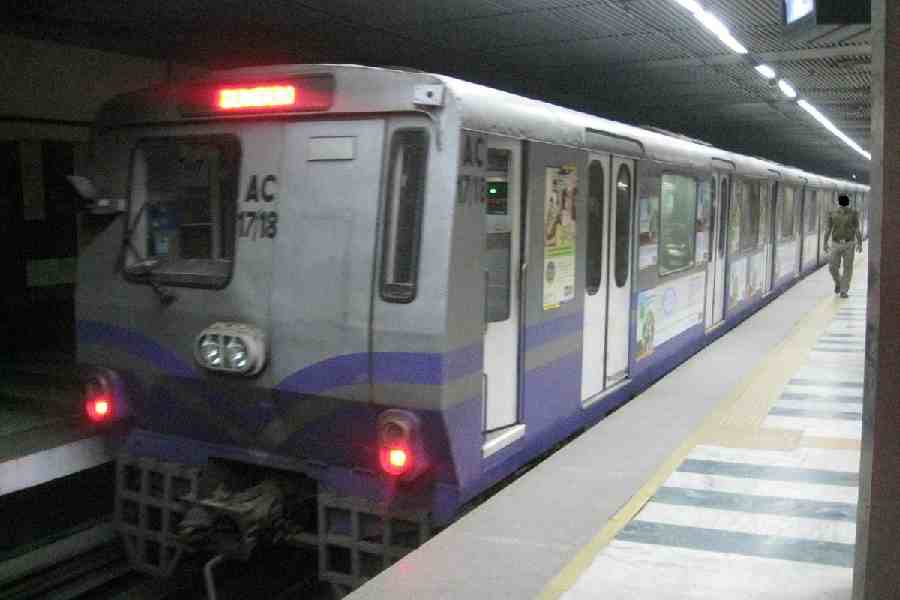
The Baranagar-Barrackpore Metro project has been stuck for about 15 years.
It could not begin because large underground water pipes were in the way.
The Kolkata Municipal Corporation has now given permission for the project to move forward.
The old 48-inch pipes will be replaced by larger 72-inch pipes.
This should protect the city’s drinking-water supply while allowing the metro to be built.
The metro corridor will be about 12.3 kilometres long.
It will include a viaduct and 10 elevated stations.
Officials say the project could make travel easier and reduce traffic on the roads.
A railway official said the delay was caused by politics, while the chief minister presented the clearance as the result of determined administration.

The Kolkata Municipal Corporation cleared the stalled Baranagar-Barrackpore Metro project after around 15 years.
The 12.3-kilometre Pink Line corridor had been delayed by disagreements over shifting underground water pipelines along BT Road.
Existing 48-inch pipelines will be closed and replaced with 72-inch pipelines, according to the KMC communication.
Rail Vikas Nigam Limited has invited bids for the viaduct and 10 elevated stations after an initial agreement with KMC and Metro officials.
Chief minister Suvendu Adhikari said the clearance would expand northern Kolkata’s mass transit network and reduce travel times and traffic congestion.
- Who
- The Kolkata Municipal Corporation, Rail Vikas Nigam Limited, Metro officials and chief minister Suvendu Adhikari are involved.
- What
- The KMC issued a No Objection Certificate for the 12.3-kilometre Baranagar-Barrackpore Metro, or Pink Line, corridor.
- Where
- The corridor will run along BT Road between Baranagar and Barrackpore in the northern suburbs of Kolkata.
- When
- The clearance was reported on Monday, after the project had been stalled for around 15 years; KMC and Metro officials met on May 26 to address the deadlock.
- Why
- The project was delayed by a dispute over shifting underground water pipelines; new pipelines are intended to clear the route while protecting the potable-water supply.
Administrative Coordination
Political Dispute
Reason for the project’s revival
Administrative Coordination
Chief minister Suvendu Adhikari described the KMC clearance as evidence of focused administrative determination and coordinated, sustainable development.
Political Dispute
A railway official said the project had been stalled because of politics, while acknowledging that the pipeline work could be completed with planning.
Balancing metro construction and water supply
Administrative Coordination
The administration said a new dedicated water transmission pipeline would safeguard the city’s essential potable-water supply while enabling the metro project.
Political Dispute
The pipeline replacement is described as a gigantic undertaking requiring six pipelines to be shut and new ones to be built.
Key facts
- Project
- Baranagar-Barrackpore Metro corridor, also known as the Pink Line
- Length
- 12.3 kilometres
- Clearance authority
- Kolkata Municipal Corporation
- Implementing agency
- Rail Vikas Nigam Limited
- Planned structures
- A viaduct and 10 elevated stations
- Pipeline change
- Existing 48-inch pipelines will be closed and replaced with 72-inch pipelines
- Delay
- The project had been stalled for around 15 years
Quotes

Suvendu Adhikari
Chief minister who announced and welcomed the municipal clearance
“I warmly welcome the issuance of the No Objection Certificate (NOC) by the Kolkata Municipal Corporation (KMC) for the Baranagar–Barrackpore Metro Corridor (Pink Line) along BT Road.”
 telegraphindia.com
Railway official
Railway official involved in or commenting on the metro project
“Six pipelines have to be shut, and new pipelines have to be built. It is a gigantic project, but it can be done with planning. The project was stalled because of politics.”
telegraphindia.com
Sources
Related news
Kolkata Pink Line Wins Clearance After Years of Delays
Hyderabad Infrastructure Projects Face Central Clearance Delays
Kolkata Metro North-South corridor services disrupted by signalling breach
Departments Urged to Clear Hyderabad Metro Phase II
TBM Divya completes second Kidderpore-Victoria tunnel on Joka-Esplanade metro
Indian Stocks Move Sharply on Company-Specific Developments
Ashoka Buildcon Shares Surge on ₹602-Crore RVNL Order
Ashoka Buildcon Wins ₹602 Crore Uttarakhand Rail Project Order
Rishikesh-Karnaprayag Rail Project Targeted for December 2029 Completion
RVNL Invites Bids for ₹1,086 Crore Madhya Pradesh Rail Line