4 days ago
Protein Timing Matters, But Daily Intake Matters More
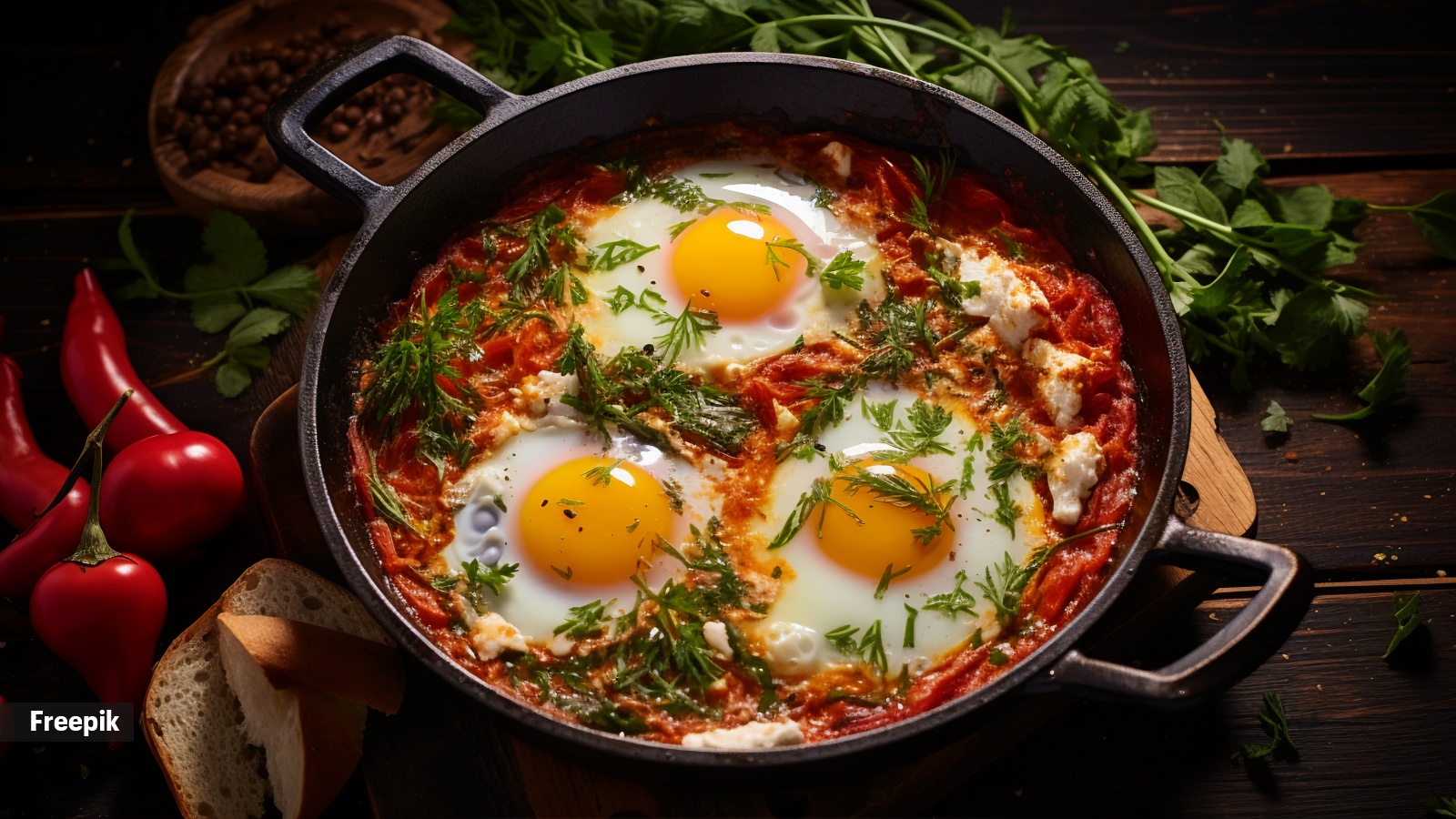
Your body needs protein throughout the day.
Protein at breakfast is not magically better than protein at dinner.
However, a protein-rich breakfast may help you feel full for longer.
It may also reduce hunger and cravings later in the day.
Protein can digest more slowly than carbohydrates and provide steadier energy.
Eating some protein at breakfast, lunch and dinner is generally better than saving most of it for dinner.
Foods such as eggs, curd, paneer, dal and sprouts can add protein to breakfast.
People with medical conditions should ask a health professional how much protein they need.

Protein at breakfast is not automatically better than protein at dinner.
Eating protein at breakfast may improve fullness and reduce later hunger and cravings.
Experts recommend spreading protein across breakfast, lunch and dinner rather than eating most of it at one meal.
Eggs, curd, paneer, dal and sprouts are suggested protein-rich breakfast options.
Individual protein needs vary, so people with medical conditions should seek personalised advice.
- Who
- Dr. (Col) Vijay Dutta, Director of Internal Medicine & Respiratory Services at ISIC Multispeciality Hospital, provides the guidance.
- What
- The article explains whether protein is best eaten at breakfast or dinner and recommends distributing it across the day.
- Where
- The guidance was provided to indianexpress.com.
- When
- The article does not specify when the guidance was issued.
- Why
- Spreading protein across meals may support fullness, appetite control and muscle maintenance while helping people meet their overall protein needs.
Key facts
- Main recommendation
- Include protein at breakfast, lunch and dinner rather than consuming most of it at dinner.
- Breakfast benefit
- A protein-rich breakfast may increase fullness and reduce later hunger and cravings.
- Digestion
- Protein digests more slowly than carbohydrates, which may help provide steadier energy.
- Suggested foods
- Eggs, curd, paneer, dal and sprouts are suggested as protein-rich options.
- Potentially helpful groups
- Older adults, people managing their weight and those aiming to maintain muscle may particularly benefit from a protein-rich breakfast.
- Important distinction
- The body can digest and absorb substantial protein from a meal, but that does not mean all of it is used equally for muscle building and maintenance.
- Medical advice
- Protein requirements vary, and people with medical conditions should seek personalised advice.
Quotes
Dr. (Col) Vijay Dutta
Director of Internal Medicine and Respiratory Services at ISIC Multispeciality Hospital
“Protein timing matters to some extent, but getting enough protein throughout the day is more important. Having a good protein source at breakfast can help improve fullness and support muscle maintenance. Ideally, protein should be spread across breakfast, lunch and dinner rather than consumed mainly at one meal.”
 indianexpress.com
“The body can digest and absorb a large amount of protein, but that does not mean all of it is used equally for building and maintaining muscle. For most people, spreading protein across three main meals is a better approach than consuming most of it at dinner.”
indianexpress.com
Sources
Related news

Fitness Coach Shares Two Protein Rules For Faster Muscle Growth

Dietitian advises balancing daily protein intake amid longevity research
How to Increase Protein Intake Without Losing Dietary Balance

Nisha Aggarwal Shares Simple 86-Gram High-Protein Daily Diet

Protein Moves Beyond Gyms Into Everyday Indian Nutrition
Should You Drink Protein Shakes for Maximum Muscle Growth?

Why Gen Z Keeps Dating Connections Alive Without Commitment

Kolkata Pink Line Wins Clearance After Years of Delays

Baranagar-Barrackpore Metro Revives After 15-Year Pipeline Stalemate

Protest erupts in Baranagar after woman’s death; husband, mother-in-law arrested