3 weeks ago
Himalayan warming, human settlements cited as Assam flood crisis causes

Assam is a state in India that often gets flooded.
A new report from a group called Climate Trends explains why the floods are getting worse.
The Earth is getting warmer because of climate change, and that is a big reason.
Warmer air can hold more water, so rainstorms become stronger and drop more rain.
Warmer weather also melts snow and ice in the Himalayas faster.
The melted water flows into the big Brahmaputra river and makes it overflow.
People are also building homes and cutting down trees in places where floods happen.
That makes the ground less able to soak up water, so flooding gets worse.
Scientists say we need to prepare for floods differently now that the weather is changing.

An analysis by Climate Trends says floods in Assam have become more frequent, harder to predict and increasingly destructive.
Key drivers include intense rainfall, Himalayan warming, changing river dynamics, accelerated erosion and expanding human settlements in flood-prone areas.
About 40 per cent of Assam's land is flood-prone as the sediment-laden Brahmaputra continuously shifts its course.
Back-to-back monsoon systems over the Bay of Bengal in July kept infusing moisture into the northeastern states, triggering heavy rain and cloudbursts.
Climate models project more extreme flooding across the Indus-Ganga-Brahmaputra basins between 2020 and 2059.
- Who
- Climate Trends, a Delhi-based climate research organisation, released the analysis; experts Mahesh Palawat of Skymet Weather and Dr Akshay Deoras of the National Centre for Atmospheric Science at the University of Reading commented.
- What
- Floods in Assam are becoming more frequent, unpredictable and destructive due to climate change and human factors.
- Where
- Assam, India, particularly the Brahmaputra basin and the eastern Himalayas.
- When
- The analysis was released on Friday, following July flooding in Assam.
- Why
- Intense rainfall, Himalayan warming and glacier melt, changing river dynamics, accelerated erosion and expanding human settlements in flood-prone areas.
Key facts
- Analysis by
- Climate Trends (Delhi-based climate research organisation)
- Flood-prone land in Assam
- About 40 per cent
- Brahmaputra Basin drainage in India within Assam
- About 36 per cent
- Atmospheric moisture gain per 1°C temperature rise
- About 7 per cent
- Immediate trigger of 2026 flooding
- Persistent monsoon systems over the Bay of Bengal in July
- Projected period of increased extreme flooding
- 2020-2059 (Indus-Ganga-Brahmaputra basins)
- Key experts quoted
- Mahesh Palawat (Skymet Weather), Dr Akshay Deoras (University of Reading)
Quotes
Dr Akshay Deoras
Research scientist at the National Centre for Atmospheric Science, University of Reading
“We have been witnessing sharp intraseasonal variations in the rainfall patterns; either the rainfall is very intense or break‑monsoon periods are quite long, triggering extreme weather events. This is direct impact of global warming. It is high time that we prepare for the season, keeping in mind these changes in the rainfall patterns and not just by the amount of rainfall.”
 theprint.in
“There have been back-to-back weather systems forming in the Bay of Bengal during July. Until the systems prevailed over the ocean, they kept infusing ample moisture into the northeastern states. This constant flow of moisture kept the conditions conducive for rainfall, sometimes even triggering cloudbursts.”
theprint.in
Sources
Related news
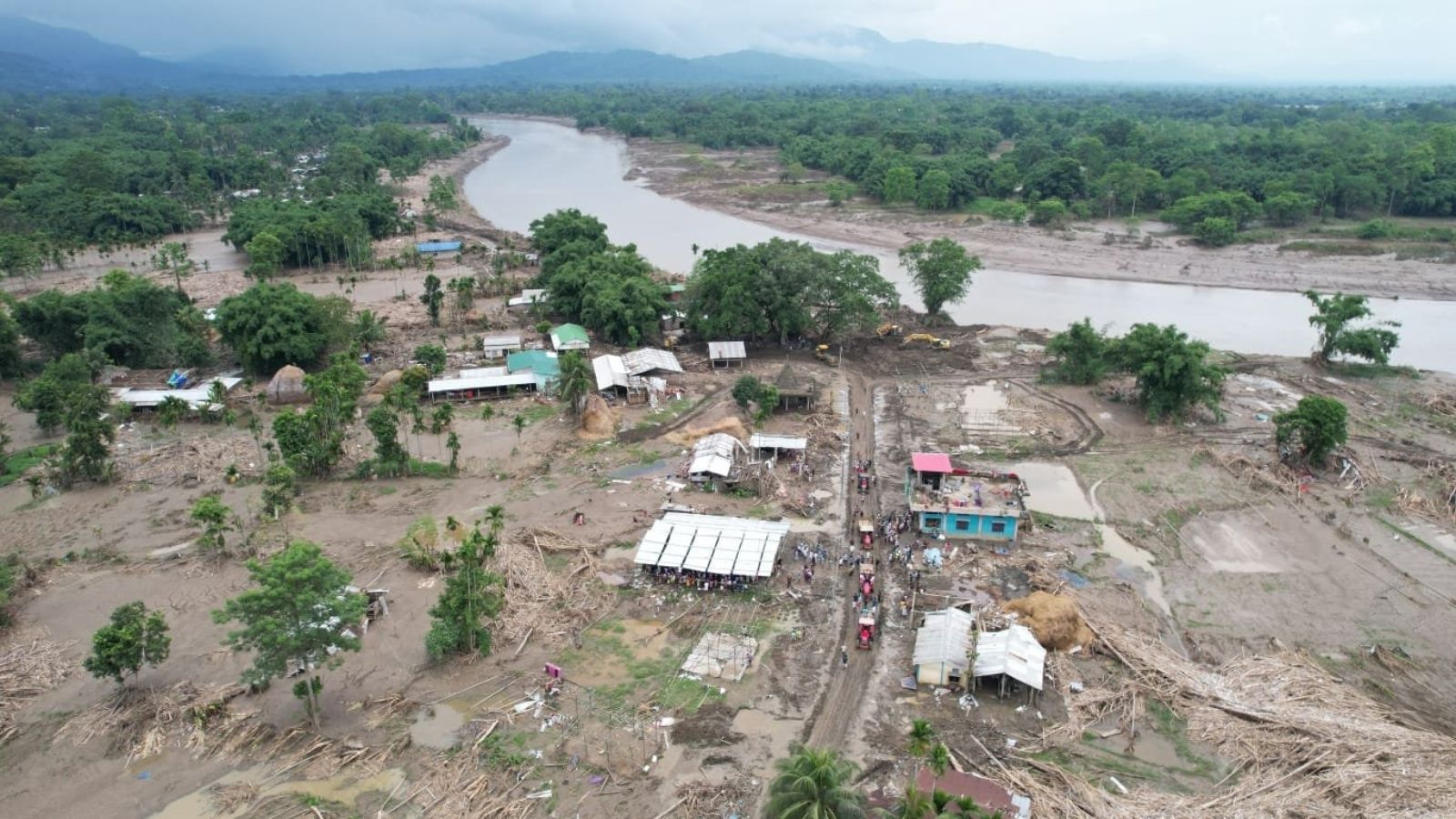
Assam's July Floods: More Than Just the Brahmaputra
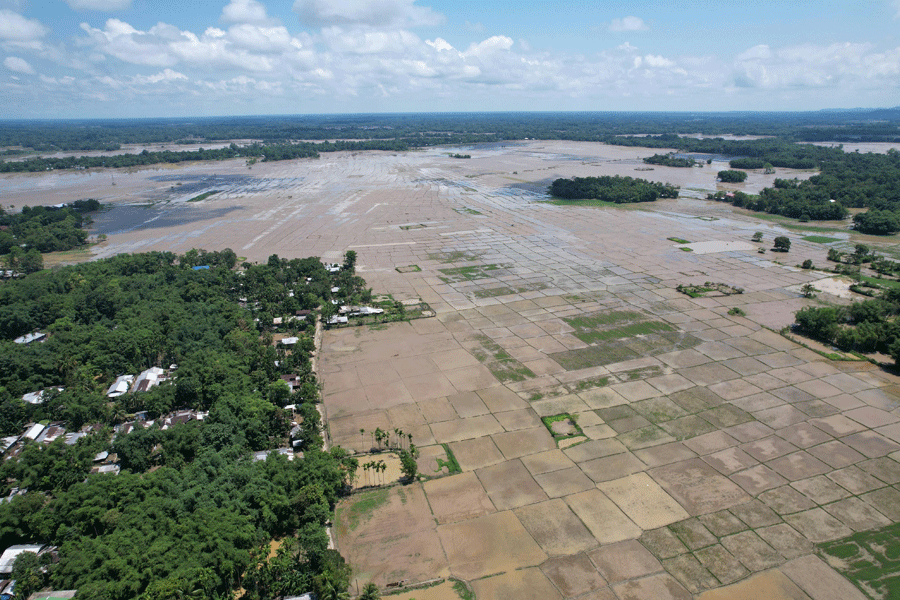
Why Assam floods every monsoon, what is different this year
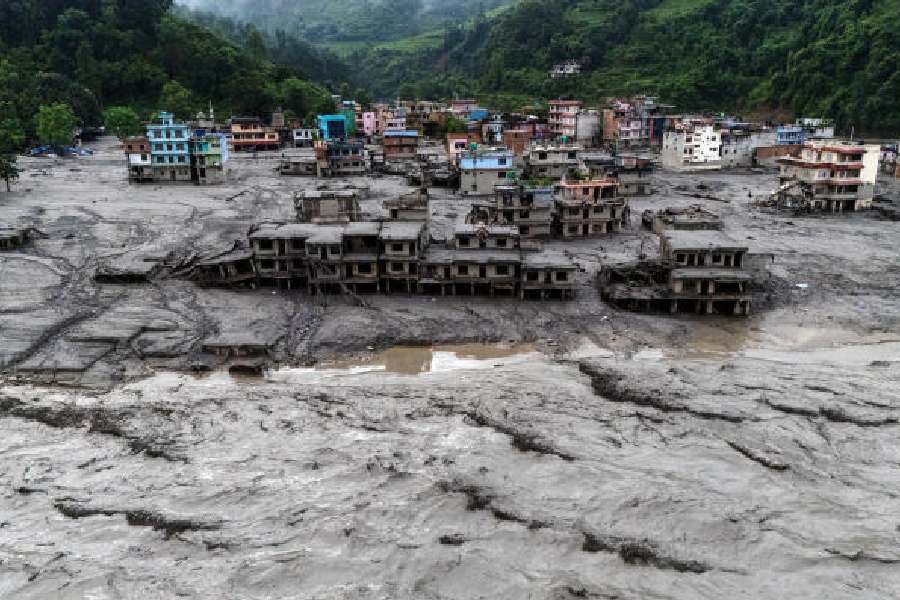
Nepal and Upper Assam Disasters Expose Climate Risks
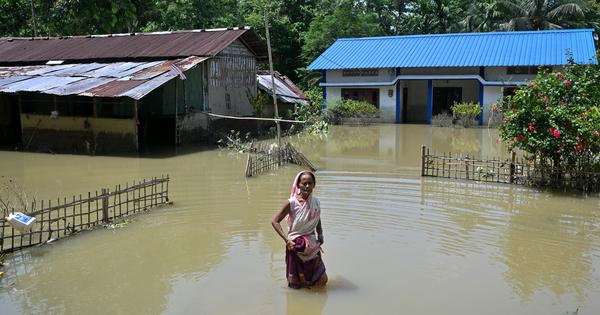
Assam rebuilds after floods kill 97, displace 12 lakh
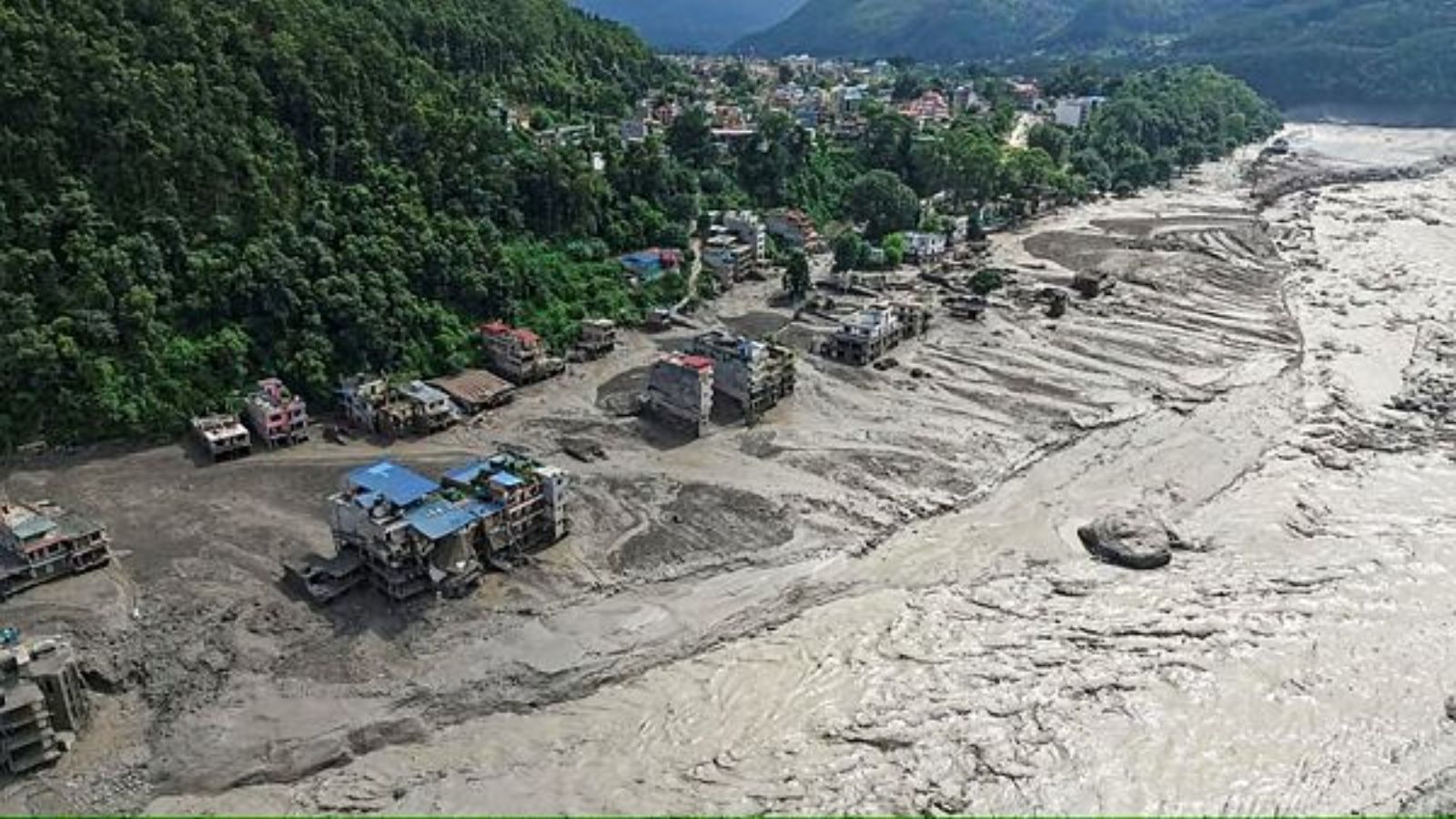
Bhote Koshi Flood Exposes Growing Himalayan Climate Risks
Extreme Himalayan rainfall driven by climate change, human factors: Govt
Assam Teacher Allegedly Kills Wife, Two Children; Daughter Critical

Assam Proposes Scholarships for 100 IIT Guwahati Students
NESt Fest to spotlight Northeast culture and youth talent
CBI Books Former FCI Officials Over Alleged Rice Allocation Loss

Supreme Court Allows Oil India Fresh Plea On Drilling