2 weeks ago
Soren slams Mines Bill as 'black', threatens massive agitation

A big argument is happening in India about rocks and minerals under the ground, like coal and iron ore.
The national government passed a new law about who can collect money from those minerals.
A leader named Hemant Soren, who runs a state called Jharkhand, is very unhappy about it.
He says the minerals belong to the people of Jharkhand, and the new law is not fair to them.
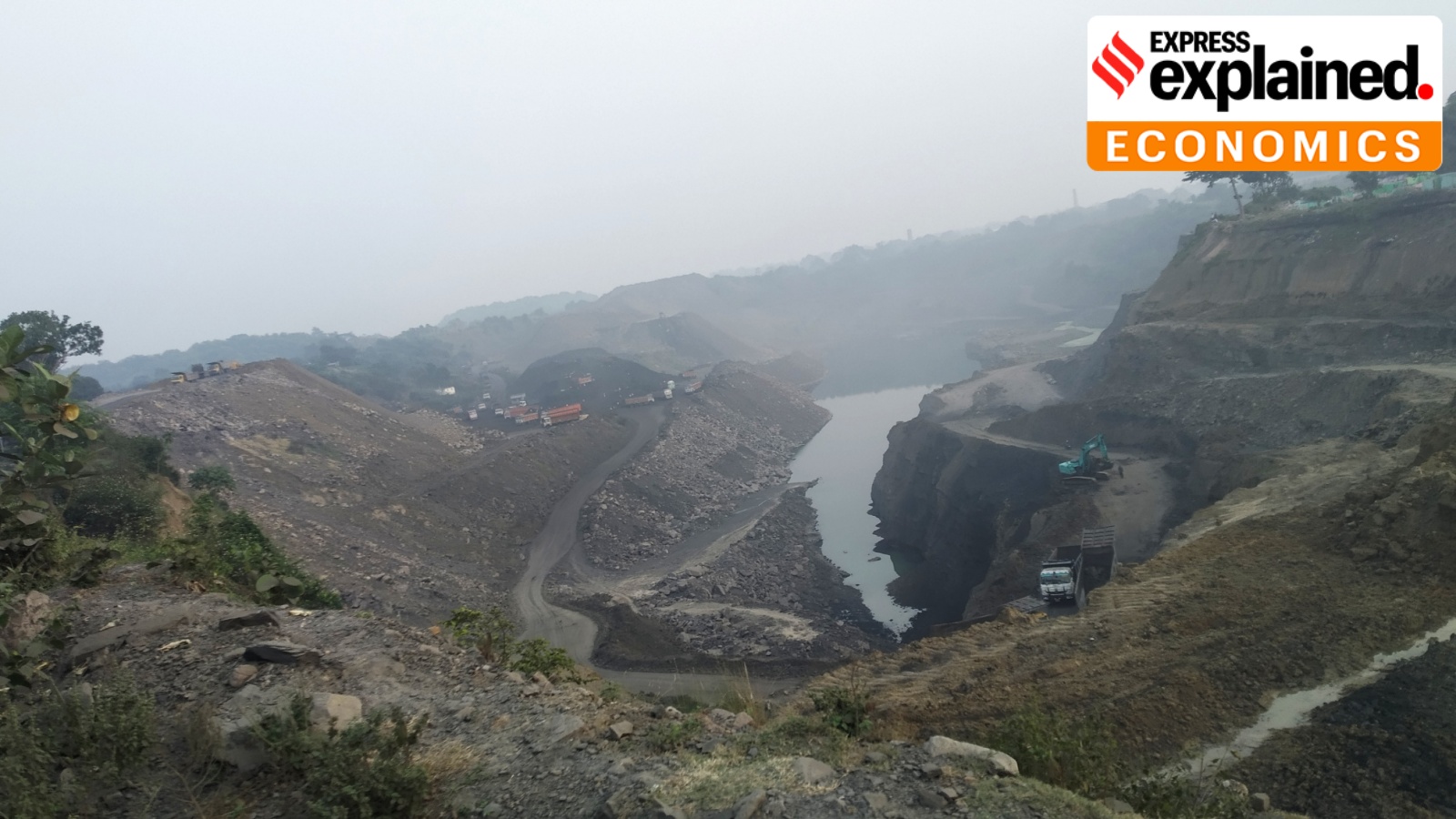
Jharkhand has a lot of India's minerals — about 40 out of every 100 — so this matters a lot.
Soren says he will hold very big protests until the law is taken away.
He is also worried that programs that help families with money and homes might have to stop.
Another leader, G Kishan Reddy, says the law is good and fair.
He says states will still get most of the money from minerals, so nobody will lose money.
The two leaders disagree, and people are watching to see what happens next.

Jharkhand Chief Minister Hemant Soren called the Mines and Minerals (Development and Regulation) Amendment Bill, 2026 a 'black bill' and warned of a massive agitation against it.
Soren said the bill restricts states' powers to levy taxes on mineral rights and mineral-bearing lands, undermining Jharkhand's rights over its resources.
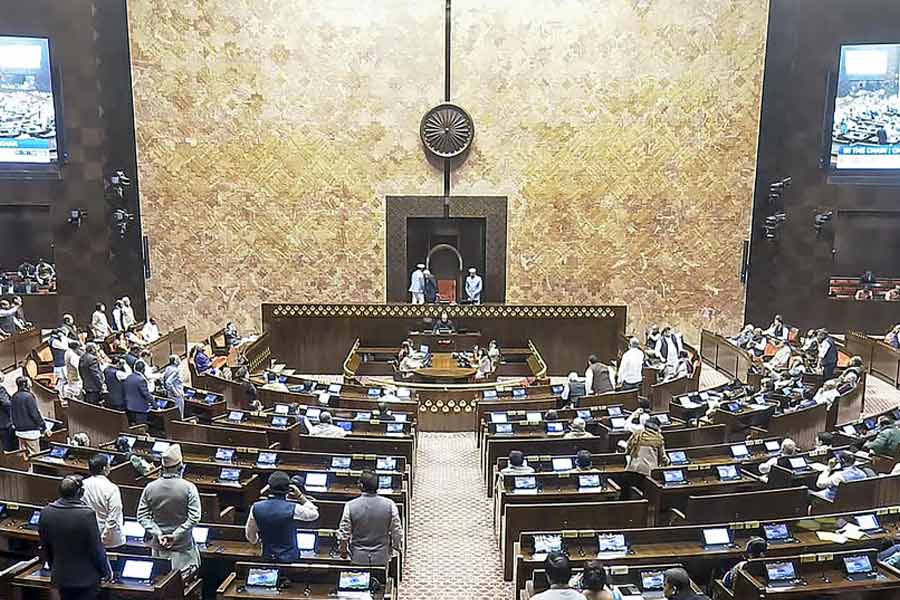
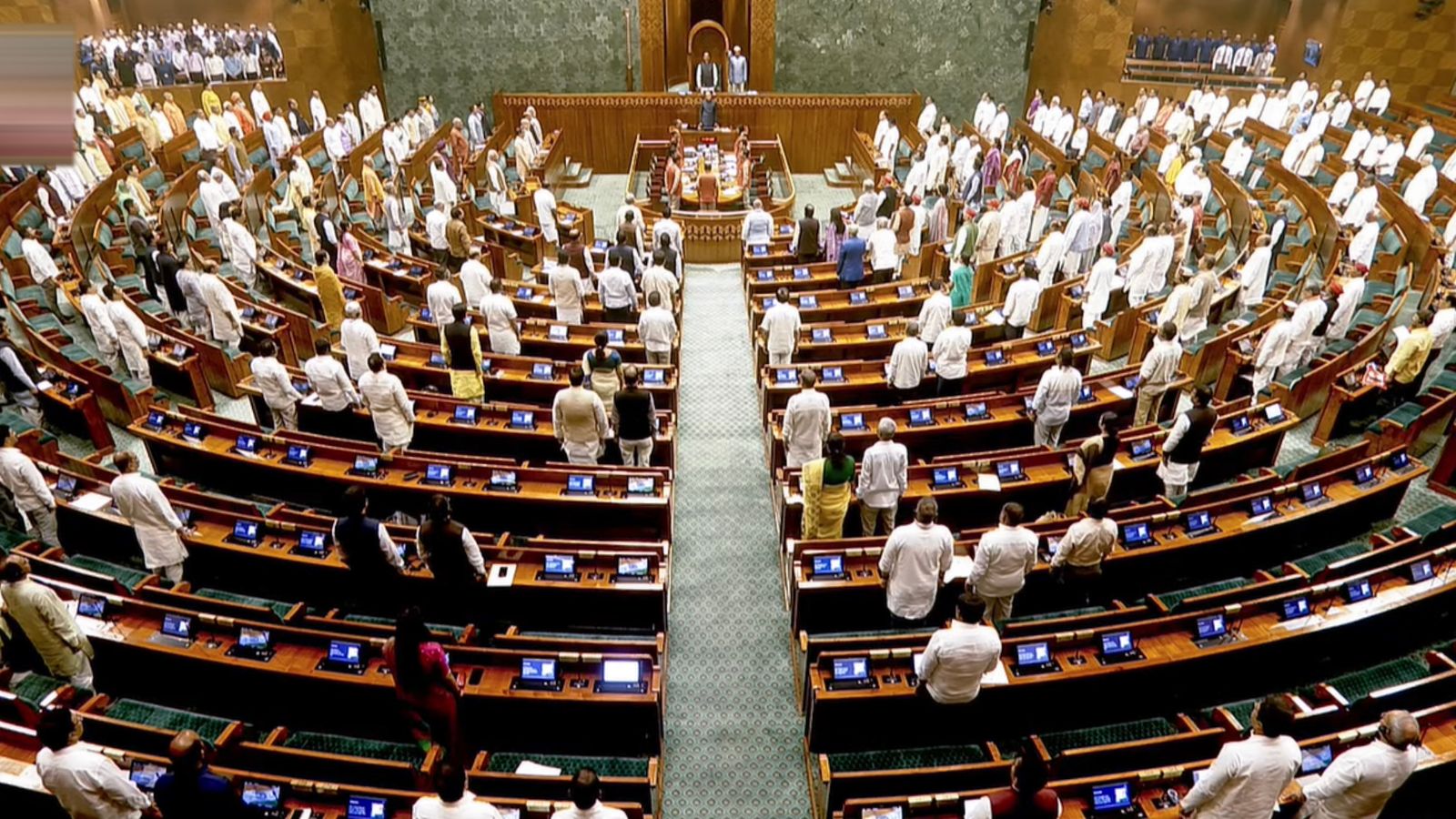
The Lok Sabha passed the bill on August 12 and the Rajya Sabha cleared it on Thursday, August 13; it becomes law after the President's assent.
Soren warned that Jharkhand welfare schemes such as the Maiya Samman Yojana, Abua Awas Yojana, pensions, education and health could be on the verge of closure.
Union Mines Minister G Kishan Reddy defended the bill, saying no state will suffer revenue loss and that states' share of mineral revenue has risen from 65 per cent in 2014-15 to 85 per cent.
- Who
- Jharkhand Chief Minister Hemant Soren, president of the Jharkhand Mukti Morcha, and Union Mines Minister G Kishan Reddy, representing the BJP-led central government.
- What
- Parliament passed the Mines and Minerals (Development and Regulation) Amendment Bill, 2026, which restricts states' powers to levy taxes on mineral rights and mineral-bearing lands; Soren vowed a massive agitation against it.
- Where
- Ranchi, Jharkhand, where Soren's remarks were reported, and the Indian Parliament, which passed the bill.
- When
- Thursday, August 13, 2026; the Lok Sabha had passed the bill on August 12.
- Why
- Soren says the bill undermines Jharkhand's rights over its mineral resources — the state accounts for about 40 per cent of the country's minerals — while the Centre says it ensures uniform mineral rates across the country.
Jharkhand government
BJP-led central government
State rights over minerals
Jharkhand government
The bill restricts states' powers to levy taxes on mineral rights and mineral-bearing lands, undermining Jharkhand's rights and entitlements; minerals and land belong to Jharkhand.
BJP-led central government
The bill does not interfere with the autonomy or revenue rights of states and only aims to ensure uniform mineral rates across the country.
Revenue impact
Jharkhand government
The state may lose revenue, forcing welfare schemes such as the Maiya Samman Yojana, Abua Awas Yojana, pensions, education and health to the verge of closure.
BJP-led central government
No state will suffer any revenue loss; states' share of mineral revenue has risen from 65 per cent in 2014-15 to 85 per cent, and their coal revenue share from 51 per cent to 96 per cent.
Process and fairness
Jharkhand government
The bill was passed in haste, 'tying Jharkhand's hands and feet,' and treats the state with 'stepmotherly treatment'; it must be withdrawn immediately.
BJP-led central government
The Centre regulates only major minerals such as coal, limestone, iron ore, copper and manganese, while states continue to have powers over 49 minor minerals.
Key facts
- Bill
- Mines and Minerals (Development and Regulation) Amendment Bill, 2026
- Lok Sabha passage
- August 12, 2026
- Rajya Sabha passage
- August 13, 2026
- Next step
- President's assent
- Jharkhand's share of national minerals
- About 40 per cent
- Major minerals under central regulation
- Coal, limestone, iron ore, copper, manganese
- Minor minerals under state control
- 49
- Coal share of India's electricity generation
- 73 per cent
Quotes

G Kishan Reddy
Union Mines Minister
“"Mines and Minerals (Development and Regulation) Amendment Bill, 2026, is a black bill – injustice to Jharkhand, its people. it is a severe blow to their development and future. Minerals belong to Jharkhand; land belongs to Jharkhand; so why should Delhi decide on our rights and entitlements?"”
 theprint.in
“"The legislation does not seek to interfere with the autonomy or revenue rights of states, but aims to ensure uniform mineral rates across the country."”
theprint.in
Sources
Related news
Jharkhand Congress Announces Protest Against Mines Tax Powers Bill
Parliament passes mineral bill limiting state taxes on mining resources
India's mining tax overhaul reignites Centre-state tussle over revenue
Jharkhand Congress Protests New Mines Law Over Revenue Concerns
Rajya Sabha Passes Amendment Bill Curbing States' Mineral Taxes
Parliament Passes Mines and Minerals Amendment Bill Curbing State Levies

Government Defends 7.8% GDP Growth as Congress Raises Doubts
Kerala BJP Chief Attacks IUML Over Sharia Law Allegations

BJP, Karni Sena Criticize Swara Bhasker’s Padmaavat Comments
Akhilesh Yadav Questions Irregularities After Ram Temple CEO Appointment
Jharkhand Authorities Probe Voter Deletion Forms After Express Report