1 week ago
India Builds Semiconductor Ecosystem From Chips to Fabs
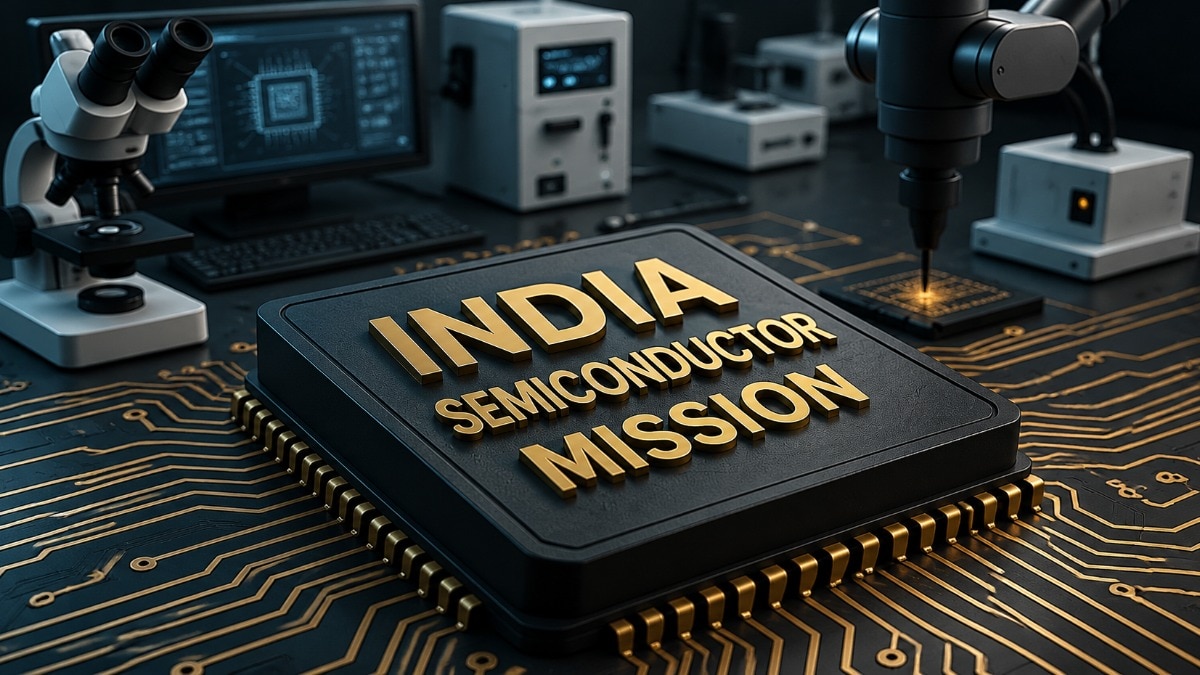
India wants to make more computer chips inside the country.
Chips are important because they are used in phones, cars, aircraft and medical machines.
The government says it is building factories along with the suppliers, materials and skilled workers they need.
A programme launched in 2021 has approved 12 semiconductor units.
Three units have already started commercial production.
India has also given universities and startups access to chip-design software.
The government says Indian engineers are working on very advanced chip designs.
Its next plan will support more factories, research, materials and training.
The minister says India should become a major global center for semiconductor design.

India’s Semicon India programme has approved 12 semiconductor units with $20 billion in cumulative investment.
Micron, Kaynes and CG Power began commercial production on February 28, March 31 and July 4, respectively.
The government says electronics manufacturing created the foundation for semiconductor expansion, supporting 2.5 million jobs.
More than 320 universities and startups have received chip-design tools through the Chips to Startup programme.
Semicon 2.0 will target advanced nodes, equipment, materials, packaging and training 100,000 chip-design engineers.
- Who
- The Indian government, led on this issue by Electronics and Information Technology Minister Ashwini Vaishnaw, along with semiconductor companies, universities and startups.
- What
- India is developing a semiconductor ecosystem covering chip fabrication, packaging, design, equipment, materials and workforce training.
- Where
- India.
- When
- The Semicon India programme began in 2021; Micron began production on February 28, Kaynes on March 31 and CG Power on July 4. Semicon 2.0 has now been announced.
- Why
- The government aims to strengthen domestic chip supply chains, support electronics manufacturing and build India into a global semiconductor design center.
Government’s ecosystem-first strategy
Industry skepticism and advanced-node concerns
How to build the industry
Government’s ecosystem-first strategy
Ashwini Vaishnaw says India deliberately chose to build a broad ecosystem rather than pursue isolated or “vanity” chip-factory projects.
Industry skepticism and advanced-node concerns
Vaishnaw said industry voices initially questioned whether India understood the difficulty of building clean rooms, producing ultrapure water and operating lithography equipment.
Starting with established technologies
Government’s ecosystem-first strategy
The government argues that India should develop capabilities through legacy technologies while progressively moving toward more advanced nodes.
Industry skepticism and advanced-node concerns
The semiconductor industry is increasingly focused on 5-nanometre, 3-nanometre and 2-nanometre chips, creating pressure for India to catch up; Vaishnaw defended the gradual approach by saying countries developing 2-nanometre technology have decades of experience.
Key facts
- Semicon India launch
- The programme was launched in 2021 with a $10 billion support package.
- Approved units
- Twelve semiconductor units have been approved, representing $20 billion in cumulative investment.
- Production status
- Three approved units have begun commercial production, while construction continues on the others.
- Electronics manufacturing
- India has more than 300 electronics manufacturing units, with production above $130 billion and exports above $48 billion.
- Design support
- The government has supported 105 startups through the Design Link Incentive scheme and provided $83 million to 24 of them.
- University access
- More than 320 universities and startups have received electronic design automation tools through Chips to Startup.
- Future workforce target
- Semicon 2.0 plans to train 100,000 chip-design engineers.
Quotes

Ashwini Vaishnaw
India’s Electronics and IT Minister
“Just like the IT sector, we want India to become the semiconductor design capital of the world.”
 businesstoday.in
“One must learn to walk before sprinting in a full marathon.”
businesstoday.in
Sources
Related news
India Expands Semicon 2.0 With 100,000 Engineer Target

India builds domestic semiconductor and AI capabilities with major investments
India Notifies Rs 1.27 Lakh Crore Semicon 2.0 Programme

India Notifies ₹1.27 Lakh-Crore Semicon 2.0 Semiconductor Expansion Scheme
SEMICON India 2026 Showcases India’s Expanding Semiconductor Ambitions
India's New Smartphone Scheme Faces Consumer Product Test
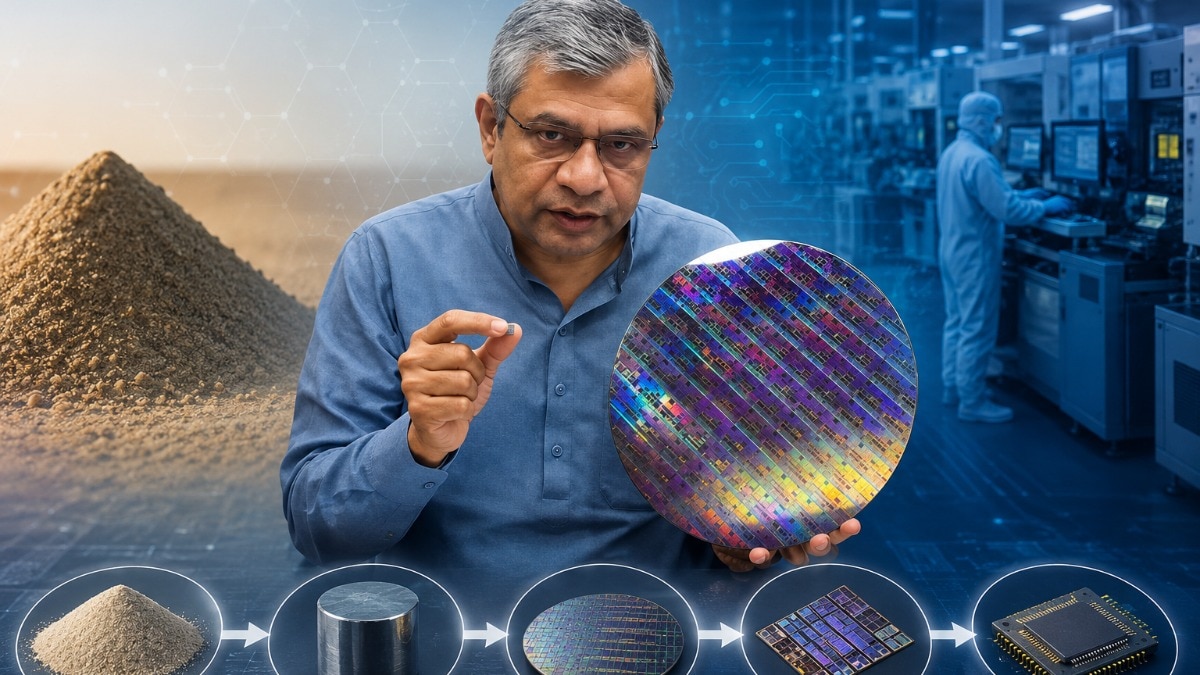
Vaishnaw Explains India’s Journey From Sand to Semiconductor Chips

Proposed Bullet Train Could Cut Delhi-Patna Travel Time

Adityanath Accuses Previous Governments of Hiding Encephalitis Deaths

Upgraded Nepalganj Road-Bahraich Rail Section Inaugurated in Uttar Pradesh