18 hrs ago
India's New Smartphone Scheme Faces Consumer Product Test
India wants to help build smartphone companies that are owned and developed in India.
An earlier government program helped many companies manufacture phones in India, but most Indian brands did not grow enough to compete with major companies.
The new program gives extra support to brands with Indian ownership and technology work.
It also rewards companies for designing products and buying parts locally.
The important question is whether shoppers will actually choose these phones.
Government support can help companies get started, but it cannot guarantee that people will like their products.
Officials expect some companies to bring new designs to market within 10 to 14 months.
The strongest test will be whether an Indian brand remains successful after the subsidies disappear.

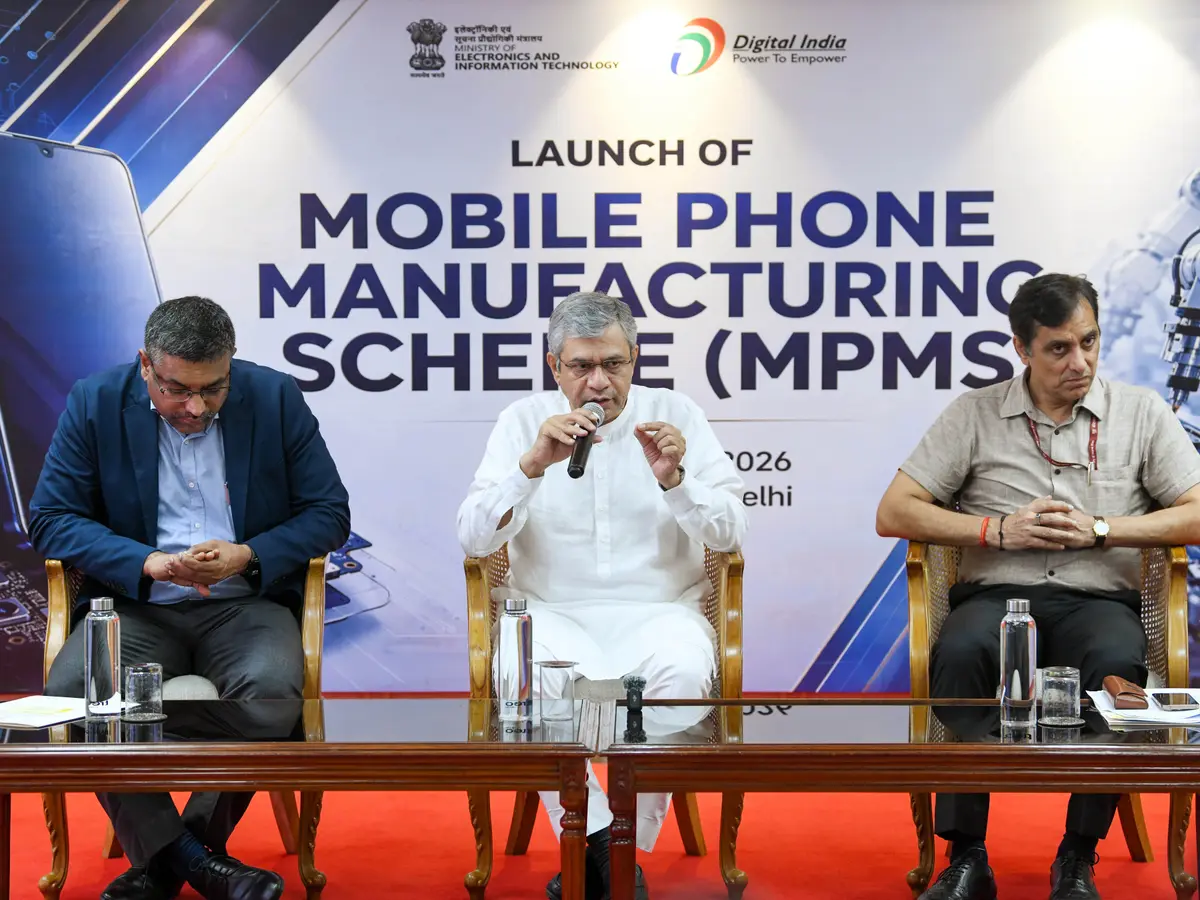
The new mobile phone manufacturing scheme seeks to create Indian smartphone brands able to compete with global and Chinese rivals.
The first production-linked incentive scheme expanded smartphone manufacturing and exports but domestic companies generally struggled to meet production targets.
The new scheme requires eligible brands to have majority Indian ownership, Indian management control, and India-based intellectual property, trademarks, design, and research capabilities.
Eligible companies can receive incentives tied to sales, Indian design and research, and domestic sourcing.
The scheme's success will depend on whether an Indian brand can sell competitive products at scale after subsidies end.
- Who
- The Indian government, prospective Indian smartphone brands, and established rivals such as Samsung, Xiaomi, Vivo, Oppo, and Apple.
- What
- The government is introducing a targeted mobile phone manufacturing scheme focused on Indian-owned brands, design, research, and product development.
- Where
- The scheme focuses on smartphone manufacturing, ownership, design, and research in India.
- When
- Prospective brands are expected to develop products within 10 to 14 months.
- Why
- It aims to address weaknesses exposed by the first incentive program and create an Indian smartphone brand that can compete without permanent subsidies.
Targeted Industrial Support
Market-Based Skepticism
Can incentives create Indian brands?
Targeted Industrial Support
Tying support to Indian ownership, intellectual property, design, research, sales, and domestic sourcing could address shortcomings of the first production-linked incentive scheme.
Market-Based Skepticism
Subsidies may not solve fundamental problems involving product quality, differentiation, technology, distribution, scale, and consumer demand.
How should success be measured?
Targeted Industrial Support
Early product launches within 10 to 14 months could show whether the more targeted approach is producing capable Indian brands.
Market-Based Skepticism
The meaningful measure is not the number of qualifying companies or subsidized production, but whether consumers choose the products and the brands survive after support ends.
Manufacturing versus product ownership
Targeted Industrial Support
The first scheme's success in attracting global manufacturers and expanding Indian production provides a foundation for a stronger domestic industry.
Market-Based Skepticism
Manufacturing growth alone did not create a globally competitive Indian product company; ownership must be matched by technology, design, brand strength, and market acceptance.
Key facts
- New scheme
- The mobile phone manufacturing scheme is intended to support Indian-owned smartphone brands.
- Indian ownership requirement
- Eligible brands must have more than 51% Indian ownership and Indian management control.
- Intellectual property
- Eligible companies must hold their intellectual property and trademarks in India.
- Design and research
- Companies must have in-house design and research and development capabilities in India.
- Sales incentive
- Eligible companies can receive 5% on eligible sales.
- Additional incentives
- The scheme offers another 3% for Indian design and research and up to 1.5% for domestic sourcing.
- Proposed outlay
- The article cites a total outlay of Rs 62,500 crore.
- Success measure
- The central test is whether at least one Indian brand remains competitive after subsidies end.
Sources
Related news
India’s Rs 62,500-Crore Mobile Scheme Targets Brands and Scale
India’s Rs 62,500 Crore Scheme Promotes Domestic Mobile Brands

India Plans New Smartphone Brands Through Manufacturing Push
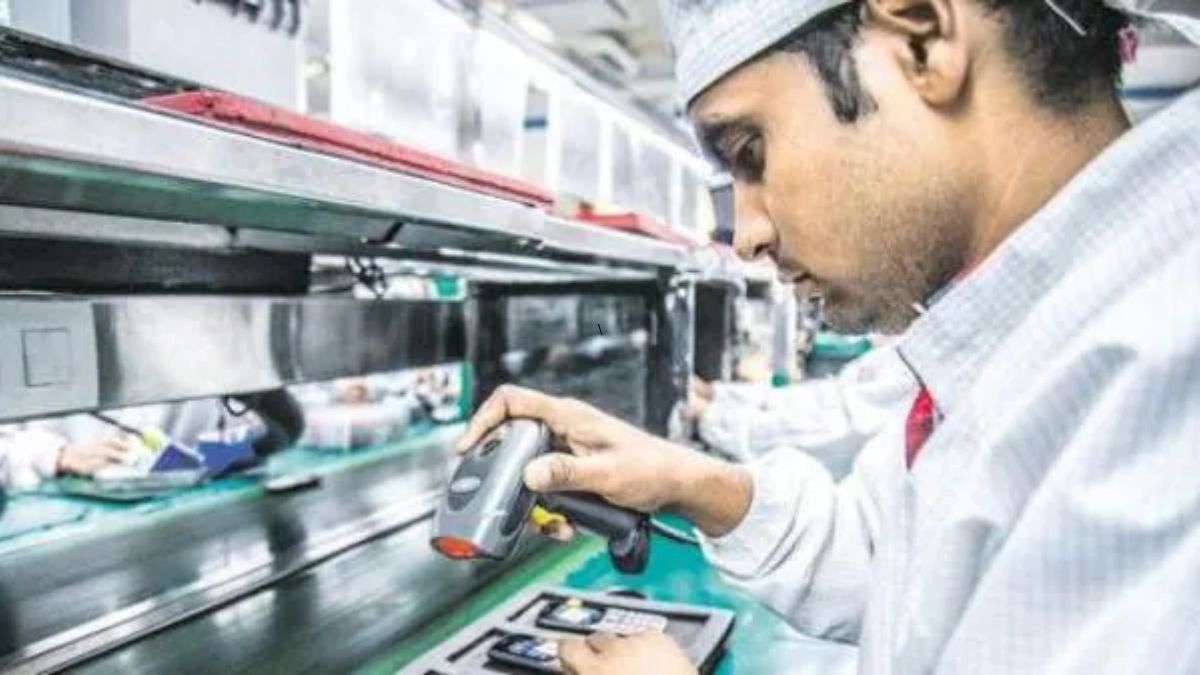
India's Mobile Manufacturing Scheme Targets Technology and R&D Capabilities
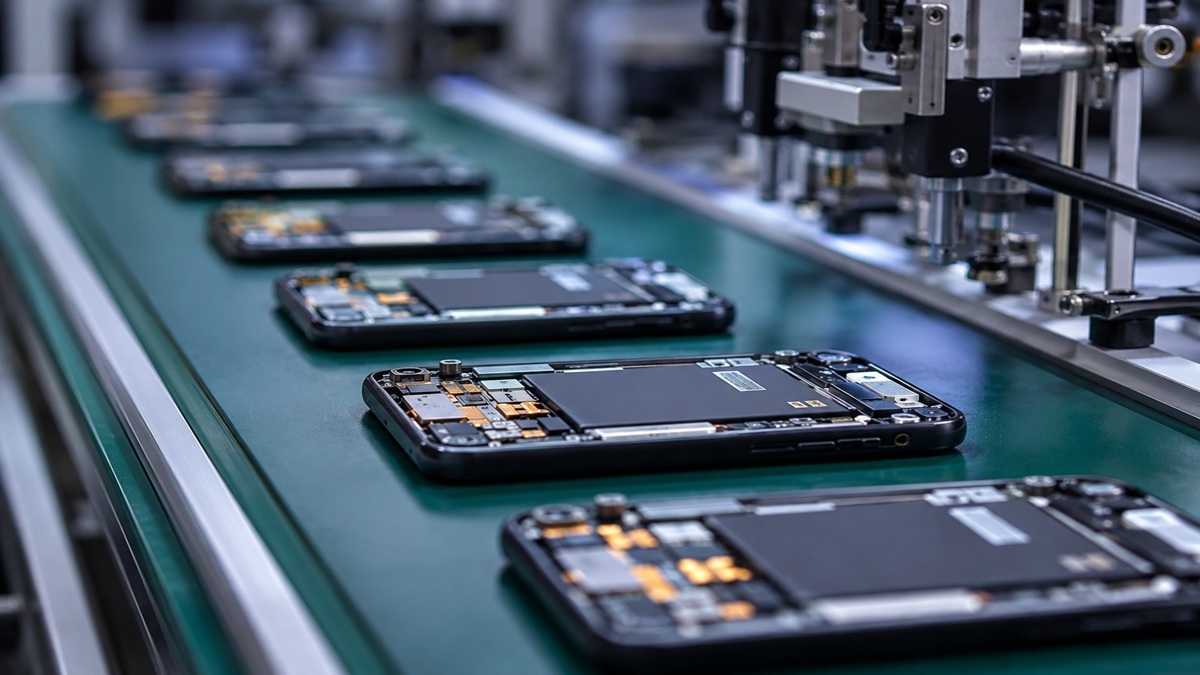
Exports Emerge as Key to India’s Rs 62,500-Crore Mobile Incentives
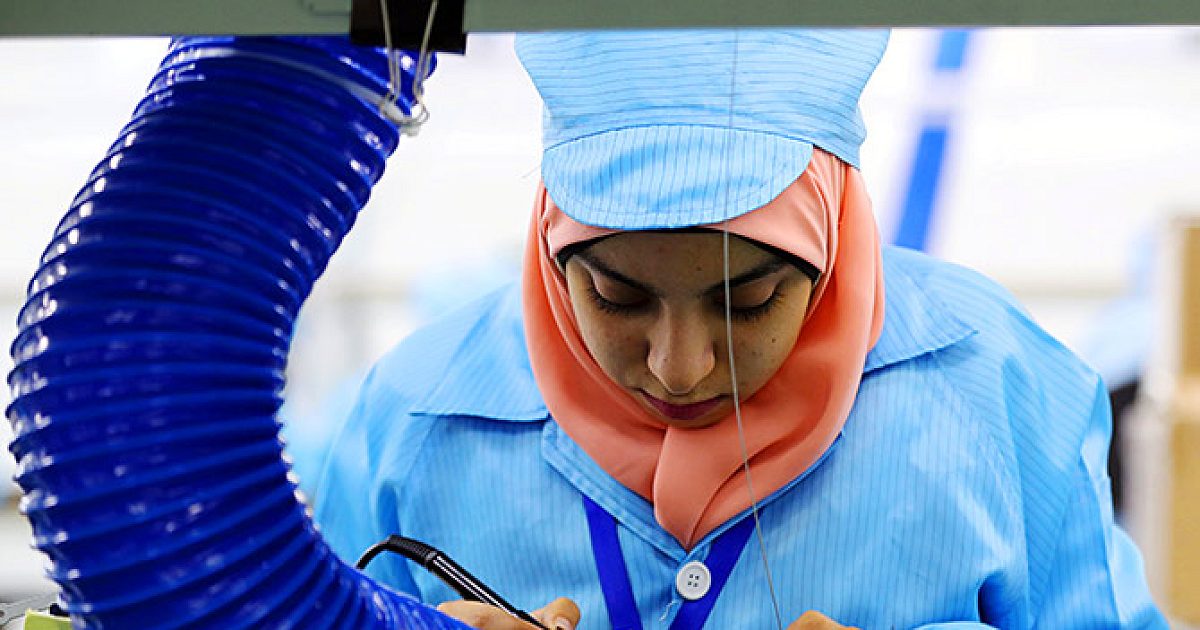
India Launches Rs 62,500-Crore Mobile Production Scheme for Brands
TCL sues Samsung over alleged false Mini LED advertising
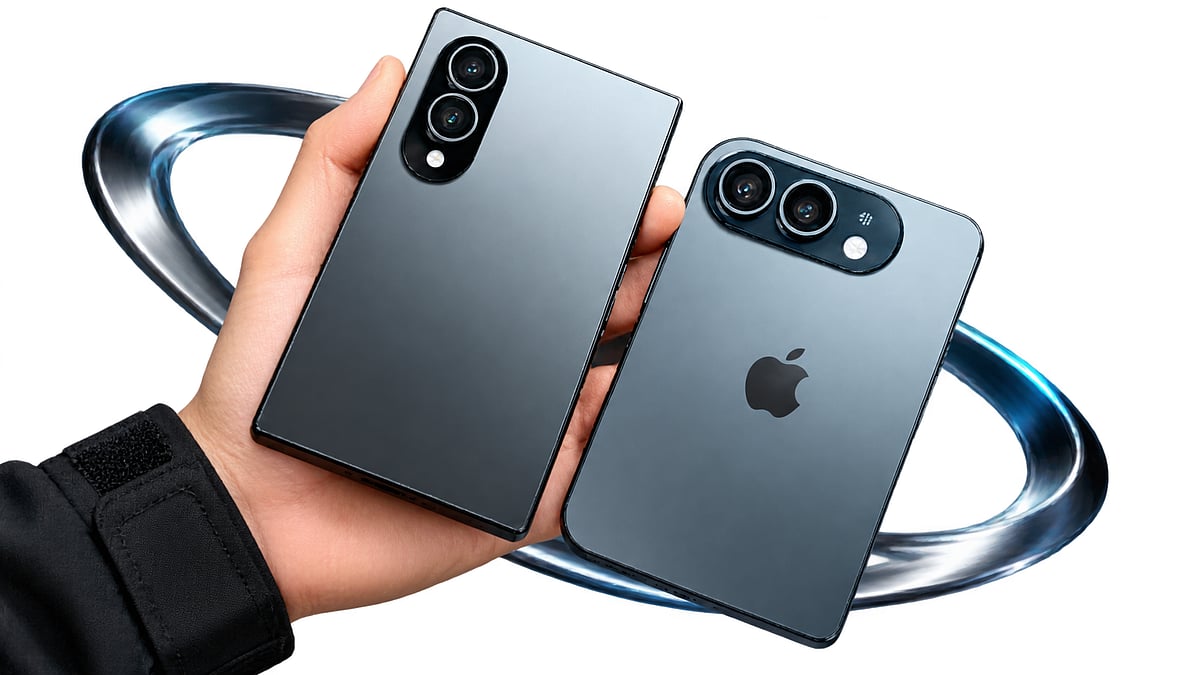
Apple's First Foldable iPhone Ultra May Challenge Samsung

Apple iPhone Ultra Rumors Point Toward First Foldable
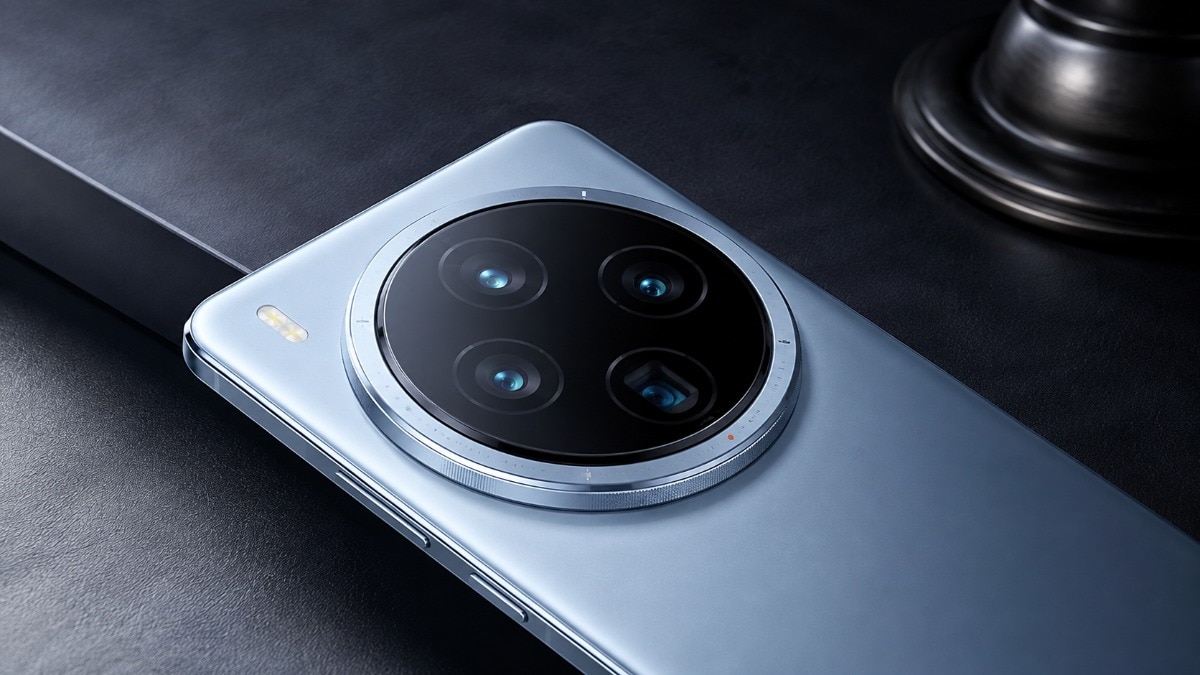
Vivo X500 Pro Max Reveals Massive Camera Island Design