1 hr ago
India Rejects PCA Orders in Indus Waters Treaty Dispute
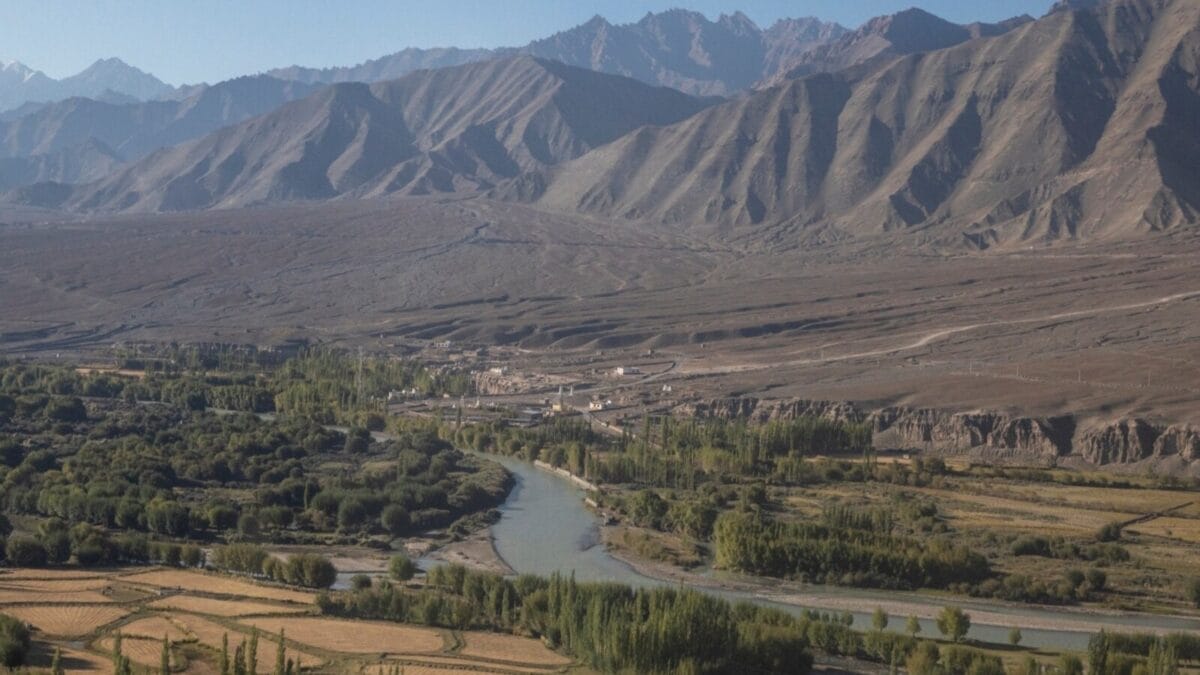
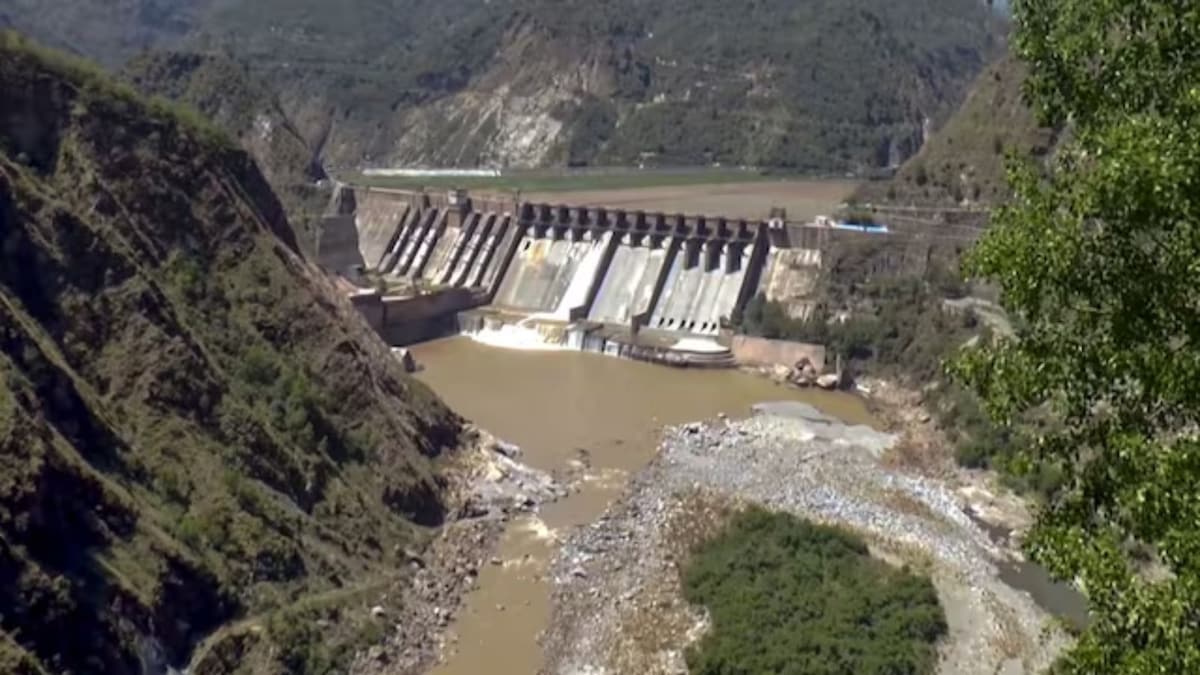
India and Pakistan disagree about an important agreement that governs how they share river water.
India says the agreement is currently on hold because it wants Pakistan to permanently stop cross-border terrorism.
Pakistan says the agreement is still legally binding and that India cannot suspend it alone.
Pakistan has asked international groups to support its position.
India rejects the authority of the Permanent Court of Arbitration in this dispute.
Pakistan says shared water should not be used for political pressure.
The disagreement could make relations between the two countries more tense.
Pakistani officials have warned about a possible water conflict, but the reports do not confirm that a larger war will happen.
Any future agreement may require new negotiations.

India has placed the 1960 Indus Waters Treaty in complete abeyance.
New Delhi says the Permanent Court of Arbitration proceedings were illegally constituted and lack jurisdiction over India.
Pakistan maintains that the treaty remains legally binding and cannot be changed unilaterally.
India says any reconsideration depends on Pakistan taking verifiable, permanent steps to end cross-border terrorism.
Pakistan has raised the dispute at the Shanghai Cooperation Organisation while warning of risks to regional stability.
- Who
- India and Pakistan are disputing the status and implementation of the Indus Waters Treaty.
- What
- India has rejected recent Permanent Court of Arbitration orders and placed the treaty in complete abeyance, while Pakistan demands full compliance.
- Where
- The dispute involves the Indus river-water system and international forums, including the Permanent Court of Arbitration and the Shanghai Cooperation Organisation.
- When
- The dispute was reported on September 3, 2026.
- Why
- India links any reconsideration of the treaty to Pakistan permanently ending cross-border terrorism; Pakistan says the treaty must be honored without conditions.
India's Position
Pakistan's Position
Treaty status
India's Position
India has placed the treaty in complete abeyance and says its reactivation depends on Pakistan ending cross-border terrorism permanently.
Pakistan's Position
Pakistan says the treaty remains legally binding and cannot be suspended or changed through unilateral action.
Court proceedings
India's Position
India says the Permanent Court of Arbitration was illegally constituted under the treaty's dispute-resolution framework and that its orders have no jurisdiction over India.
Pakistan's Position
Pakistan is relying on international arbitration and other forums to press India to comply with the treaty.
Use of shared water
India's Position
India presents its treaty position as connected to security concerns involving cross-border terrorism.
Pakistan's Position
Pakistan's Prime Minister Shehbaz Sharif says shared water resources should not be used as political leverage and that water treaties must be honored in full.
Key facts
- Treaty
- The 1960 Indus Waters Treaty governs water sharing between India and Pakistan.
- India's position
- India has placed the treaty in complete abeyance.
- India's condition
- India says reconsideration depends on verifiable, permanent steps by Pakistan to cease cross-border terrorism.
- Arbitration dispute
- India considers the Permanent Court of Arbitration proceedings legally invalid and says its orders have no jurisdiction over India.
- Pakistan's position
- Pakistan says the treaty remains legally binding and cannot be altered unilaterally.
- Diplomatic forum
- Pakistan has raised the issue at the Shanghai Cooperation Organisation summit.
- Long-term outlook
- The report says any future water-sharing agreement may require renegotiation to reflect changed climatic and demographic conditions.
Sources
Related news

Pakistan Urges India to Uphold Indus Waters Treaty Ruling
India Keeps Indus Treaty Suspended as Pakistan Warns Region
India Rejects Hague Award, Keeps Indus Waters Treaty Suspended
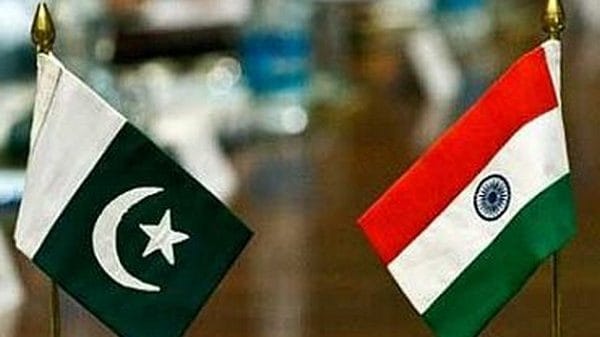
India Rejects Hague Ruling Upholding Pakistan Water Treaty
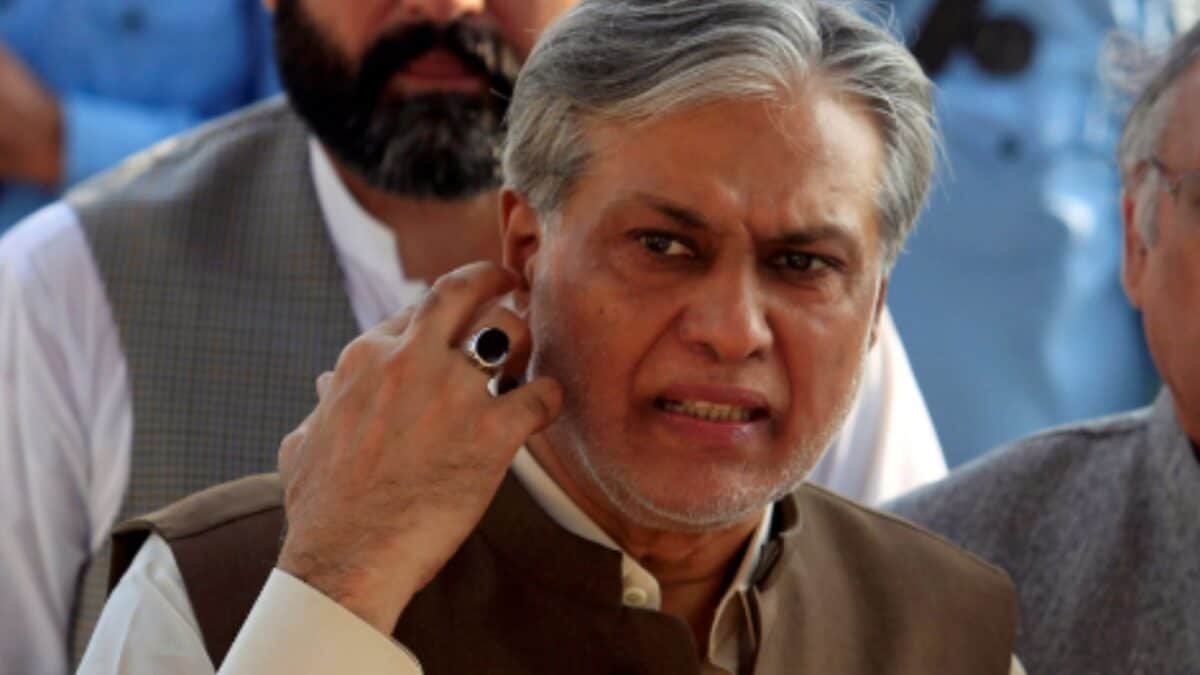
India, Pakistan Clash Over Indus Waters Treaty Compliance
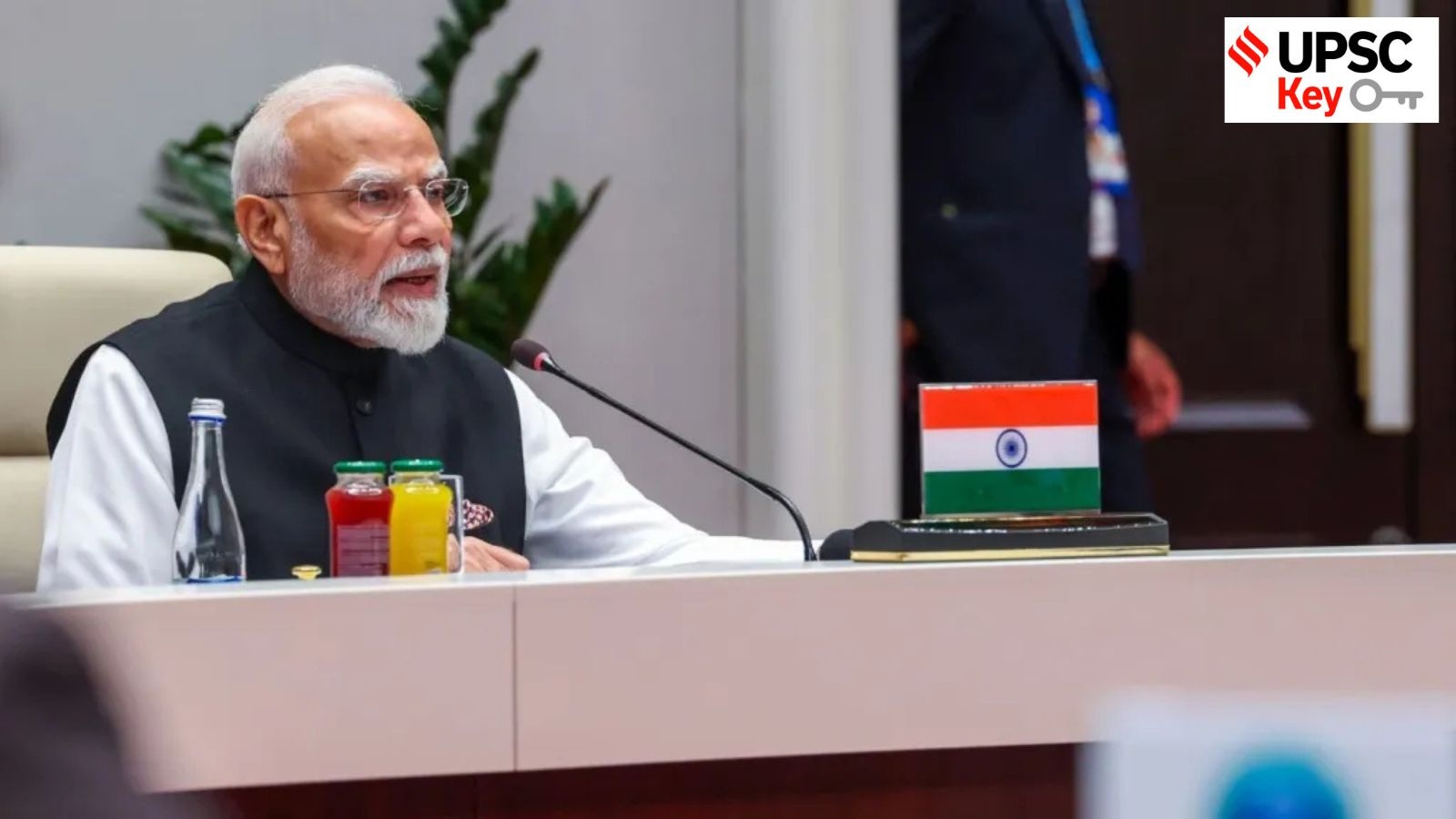
UPSC Key Covers SCO, Electoral Rolls, Economy, Defence and Climate
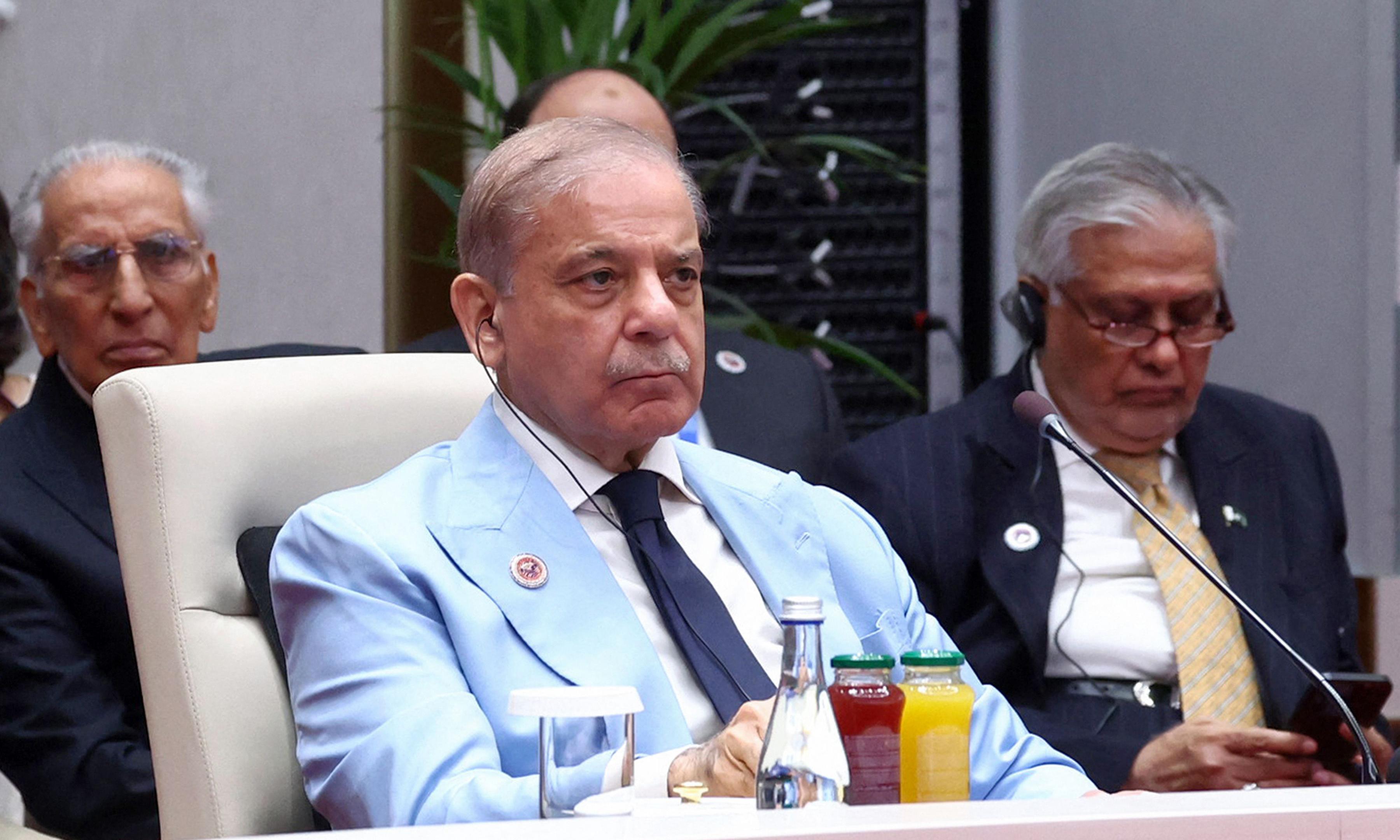
Sharif Urges Water Treaty Respect at SCO Summit