

4 days ago
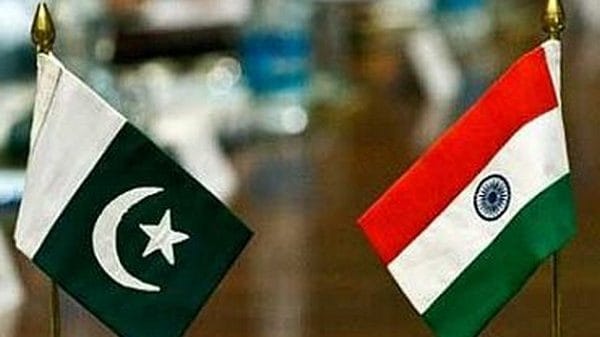
India, Pakistan Clash Over Indus Waters Treaty Compliance
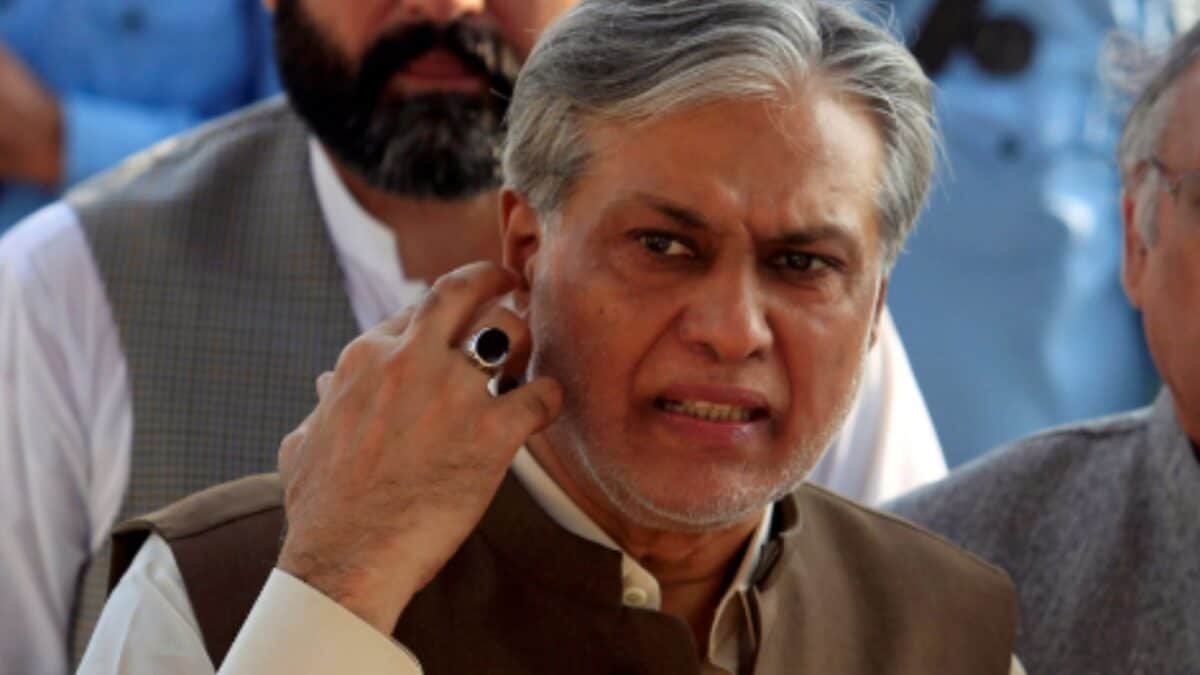
Pakistan and India disagree about an important water-sharing treaty.
Pakistan’s foreign minister, Ishaq Dar, said the treaty is still valid and should be followed.
He warned that cutting Pakistan’s water could harm peace and security in the region.
Indian officials said Pakistan cannot demand cooperation while attacks against India continue.
They also accused Pakistan of using different dispute processes at the same time.
India says the treaty needs to be renegotiated because conditions have changed since the 1950s.
Pakistan says treaty procedures should be used to settle disagreements.
Both sides say water is closely connected to national security and people’s livelihoods.

Pakistan’s Ishaq Dar said the Indus Waters Treaty remains fully valid, binding and operative.
Dar warned that depriving Pakistan of treaty-allocated waters could have profound regional consequences.
An Indian government source said Pakistan cannot expect non-reciprocal compliance while targeting Indian citizens and security forces.
Indian intelligence sources accused Pakistan of weakening treaty dispute mechanisms through parallel proceedings.
India has said the treaty must be renegotiated and will not return to its current form without an end to cross-border terrorism.
- Who
- Pakistan’s Deputy Prime Minister and Foreign Minister Muhammad Ishaq Dar, the Indian government, and Indian intelligence sources.
- What
- The two countries exchanged opposing positions over the validity, operation and possible renegotiation of the Indus Waters Treaty.
- Where
- The dispute concerns water from the Indus river system; Dar made his remarks at a seminar in Washington.
- When
- The remarks and responses were reported on August 29, 2026; Dar spoke at a seminar in Washington on Friday.
- Why
- Pakistan wants the treaty and its dispute mechanisms maintained, while India links future water cooperation to ending cross-border terrorism and seeks a revised framework.
Pakistan’s Position
India’s Position
Treaty status
Pakistan’s Position
Ishaq Dar said the Indus Waters Treaty remains fully valid, binding and operative, and rejected India’s decision to place it in abeyance.
India’s Position
India says the treaty cannot continue in its present form and will not function again unless it is renegotiated.
Water cooperation
Pakistan’s Position
Pakistan called for dialogue, transparent data-sharing and greater technical engagement, especially because climate change makes cooperation essential.
India’s Position
An Indian government source said Pakistan cannot expect full, non-reciprocal compliance and data-sharing while continuing to target Indian citizens and security forces.
Dispute resolution
Pakistan’s Position
Dar said using the Permanent Indus Commission, a Neutral Expert or a Court of Arbitration is required by the treaty and is not confrontational.
India’s Position
Indian intelligence sources said Pakistan weakened the bilateral framework by pursuing parallel processes, producing conflicting procedural rulings and politicising technical hydro-projects.
Key facts
- Treaty
- The Indus Waters Treaty was signed in 1960.
- Pakistan’s position
- Ishaq Dar said the treaty remains fully valid, binding and operative.
- India’s position
- India says the treaty cannot continue in its current form and must be renegotiated.
- India’s condition
- India will not restore the treaty in its current form unless Pakistan permanently ends cross-border terrorism against India.
- Pakistan’s warning
- Dar said depriving Pakistan of treaty-allocated waters could have profound consequences for regional peace and security.
- Dispute mechanisms
- Dar cited the Permanent Indus Commission, a Neutral Expert and a Court of Arbitration as treaty-based mechanisms.
- Projects cited
- Indian sources referred to the Kishanganga and Ratle hydropower projects.
Quotes
Muhammad Ishaq Dar
Pakistan’s Deputy Prime Minister and Foreign Minister
“The Treaty endured because both countries understood that waters upon which hundreds of millions of lives depend are too fundamental to be subjected to the fluctuations of political relations. Today, however, that principle faces its gravest challenge.”
 news18.com
“We have invoked Treaty mechanisms because that is what the Treaty requires. Resort to the Permanent Indus Commission, a Neutral Expert or a Court of Arbitration is not an act of confrontation.”
news18.com
An unnamed Indian government source
A senior Indian government source quoted by CNN-News18
“Water security and national security are interlinked and Pakistan cannot expect full, non reciprocal compliance and data-sharing from India while continuing to target Indian citizens and security forces.”
news18.com
Sources
Related news
India Keeps Indus Treaty Suspended as Pakistan Warns Region

Sharif Declares Every Drop of Pakistan's Water a 'Red Line'

Pakistan Urges India to Uphold Indus Waters Treaty Ruling
Sharif Urges Water Treaty Respect at SCO Summit
Pakistan Raises Indus Treaty Concerns as India Rejects Hague Ruling
India Rejects Hague Ruling Upholding Pakistan Water Treaty

Eric Trump Showcases New Patriot Passport Bearing Trump’s Image
US Warns Middle East Travelers Amid Escalating Iran-Linked Tensions

Family Seeks US Intervention Over VanDyke Detention in Delhi

India and World Bank Discuss Deeper Capital Cooperation

Trump Administration Proposes Parental Status Proof for Children’s Passports
