1 day ago
UPI MDR GST Impact Expected to Remain Minimal
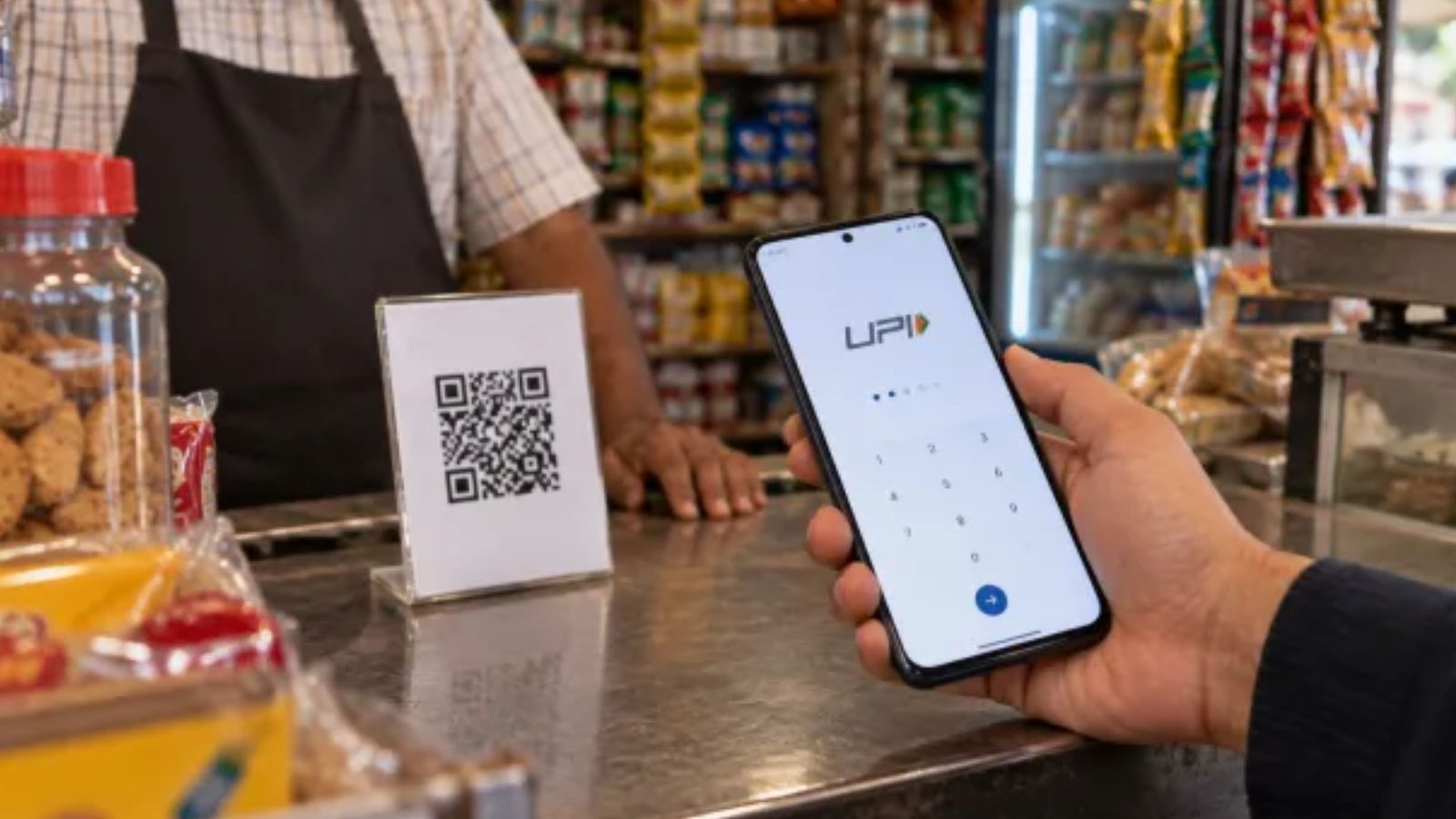
A new fee will apply to some businesses when customers pay them through UPI.
It will generally cover merchant payments above ₹2,000 starting October 15.
The usual fee will be 0.4%, with a maximum of ₹300 per transaction.
Businesses will also pay 18% GST on that fee.
GST-registered businesses can claim this GST back as a tax credit.
Smaller payments and person-to-person transfers will not be covered.
Some unregistered sellers could still face a GST cost, but officials say they will be few.
The GST Council could consider how to address this issue.

A 0.4% MDR will apply from October 15 to eligible person-to-merchant UPI payments above ₹2,000, capped at ₹300.
GST of 18% on the MDR can be claimed as input tax credit by GST-registered businesses.
Person-to-person transfers and merchant payments up to ₹2,000 will remain outside the MDR framework.
Some unregistered sellers above the small-merchant threshold could face GST on MDR, although officials expect this group to be small.
Capital-market transactions will attract a 0.02% MDR, while certain categories will face a flat ₹5 fee, according to sources.
- Who
- The government, GST Council, merchants, GST-registered businesses, unregistered sellers, payment aggregators and UPI users are involved.
- What
- A revised MDR framework will impose fees on certain UPI merchant payments, with 18% GST on the MDR and input tax credit available to registered businesses.
- Where
- The framework applies to eligible UPI merchant transactions; the articles do not identify a specific location.
- When
- The MDR takes effect on October 15; the GST Council is scheduled to meet on October 7.
- Why
- The government expects the GST impact to be minimal because most UPI payments are below ₹2,000 and registered businesses can claim input tax credit.
Government and Officials
Potentially Affected Sellers
Expected GST impact
Government and Officials
Officials expect the impact to be very minimal because most UPI payments fall below ₹2,000 and GST-registered businesses can claim input tax credit.
Potentially Affected Sellers
Unregistered sellers who do not qualify for the MDR exemption could face GST on MDR without being able to claim input tax credit.
How the issue should be handled
Government and Officials
The government says the potentially affected group is very small and that the GST Council can reasonably address the matter.
Potentially Affected Sellers
The unresolved treatment of some unregistered sellers leaves them exposed to an additional tax cost unless the GST Council changes the rules.
Passing the cost to consumers
Government and Officials
The government plans to monitor implementation through payment aggregators to ensure merchants do not pass the MDR on to customers.
Potentially Affected Sellers
Merchants are the stated payers of the MDR, but the articles identify the possibility of additional costs for some sellers.
Key facts
- Effective date
- October 15
- Standard MDR
- 0.4% on eligible person-to-merchant UPI payments above ₹2,000
- Standard cap
- ₹300 per transaction
- GST rate
- 18% on the MDR
- Input tax credit
- Available to businesses registered under the GST regime
- Exempt payments
- Person-to-person transfers and merchant payments of up to ₹2,000
- Capital-market MDR
- 0.02%, capped at ₹300, for transactions involving mutual funds, securities, stockbrokers and dealers
- Small-merchant data
- Officials said 96% of person-to-merchant UPI transactions are below ₹2,000
Quotes
A senior finance ministry official
Anonymous finance ministry official discussing the impact of UPI MDR and GST on small merchants
“Even if there is an issue, the GST Council will take a decision at an appropriate time. But it’s not a very big issue, it’s a very, very small issue… and can be reasonably tackled by the GST Council.”
 indianexpress.com
“96% of P2M UPI transactions are under Rs 2,000. For small merchants with a turnover of below Rs 40 lakh, 99% of their UPI payments may be smaller than Rs 2,000.”
indianexpress.com
Sources

Related news
India to Levy 18% GST on UPI MDR Above ₹2,000

UPI MDR Begins October 15, Merchants Face Charges, Customers Don’t

New UPI MDR Rules Keep Consumers Free, Charge Eligible Merchants

UPI Sets 0.4% MDR on High-Value Merchant Payments
UPI MDR Will Target Specified Merchant Payments Above ₹2,000
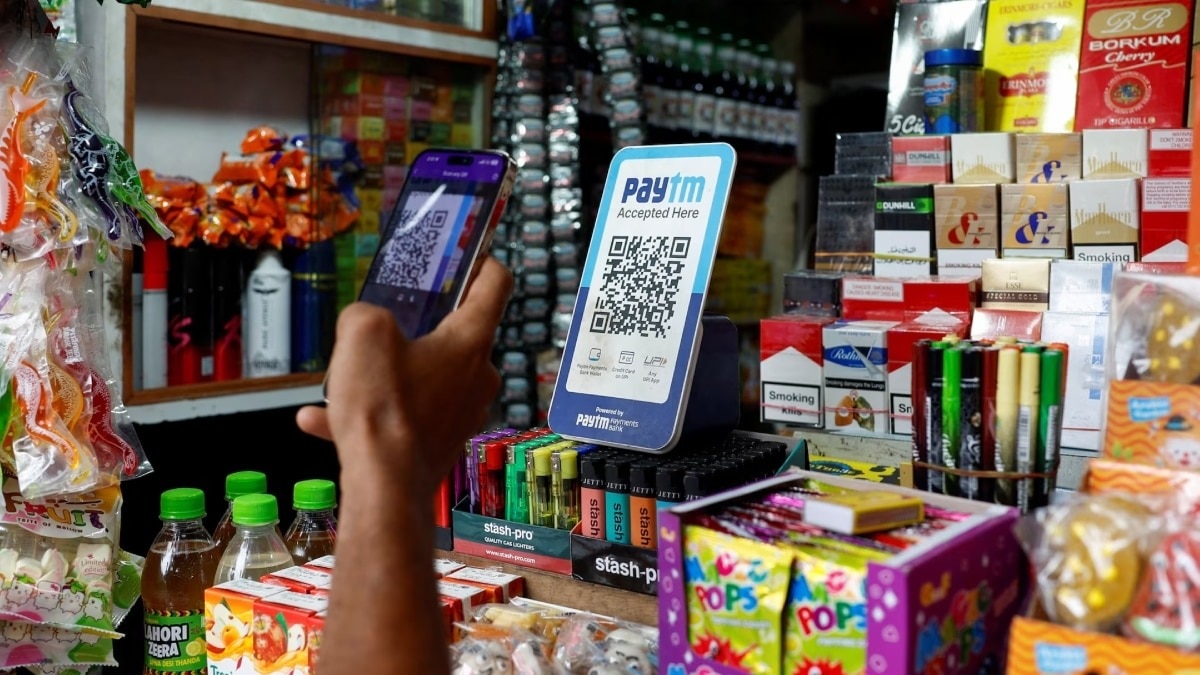
UPI Payments Above ₹2,000 Face New Merchant Fee

UPI Charges Push Delhi Retailers Toward Cash Payments
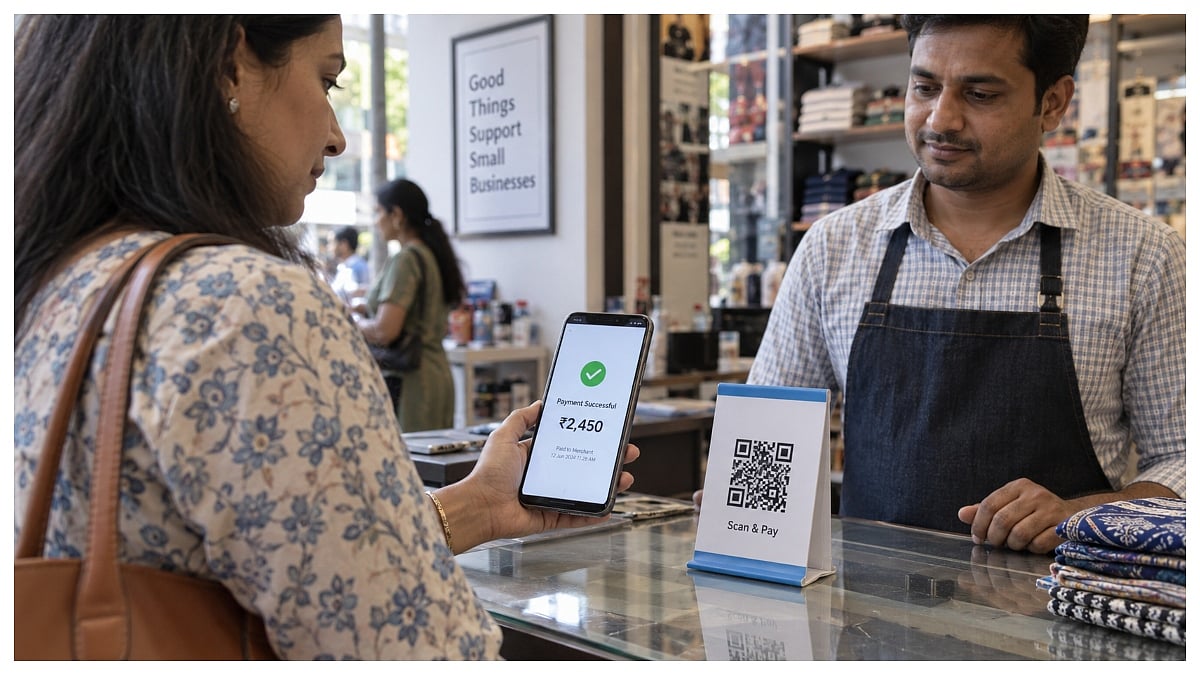
New UPI MDR Raises Questions About Merchant Payment Costs

Apple Pay Reportedly Set for India Launch With Axis Bank
Noon News Guide Covers iPhone Launch, Crime, Markets And Sports

Readers Debate Lake Conservation, Child Safety, Renaming, and UPI Fees