2 days ago
India to Levy 18% GST on UPI MDR Above ₹2,000
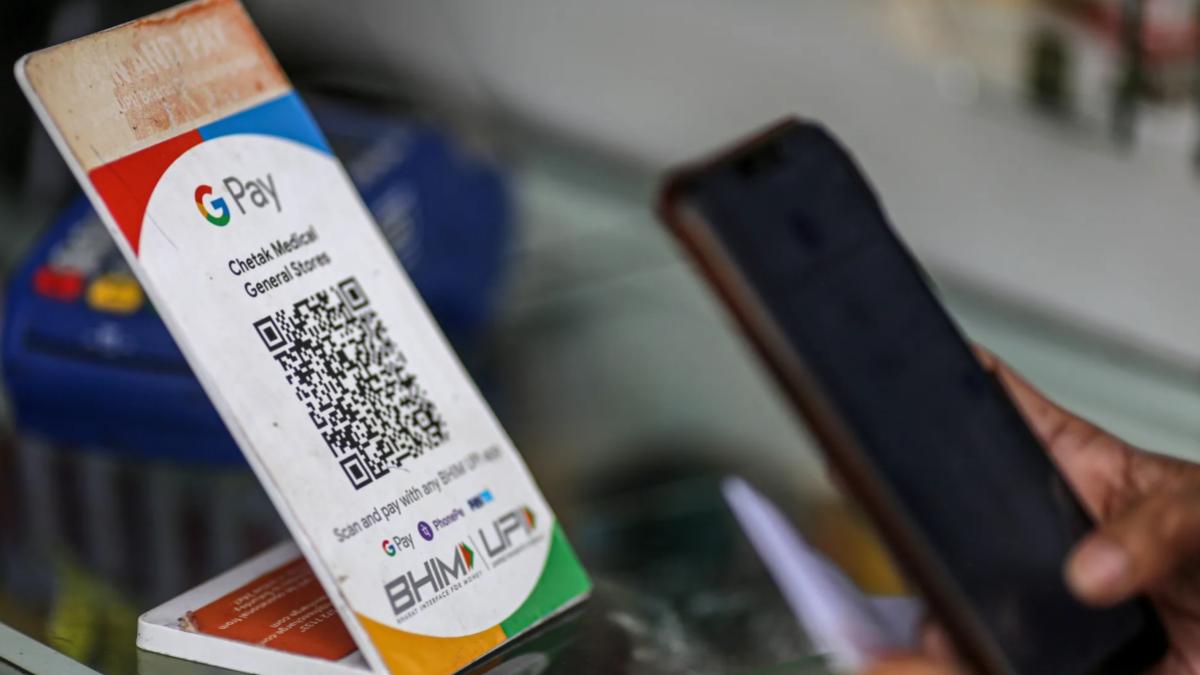
A new rule will add a payment fee when businesses receive UPI payments above ₹2,000.
The fee is called the Merchant Discount Rate, or MDR.
Normally, the MDR will be 0.4% of the payment, with a maximum of ₹300.
An 18% GST will be charged on this fee, not on the entire payment.
Some sectors, including railways, telecom, insurance and fuel, will pay a special ₹5 MDR.
Businesses registered for GST and selling taxable goods or services may claim the GST on MDR as a tax credit.
Businesses selling GST-exempt goods or services may have to bear the cost themselves.
Experts disagree about how much extra GST the government will collect, with estimates ranging from about ₹2,000 crore to more than ₹5,000 crore annually.

From October 15, UPI merchant payments above ₹2,000 will incur a 0.4% MDR, capped at ₹300.
An 18% GST will apply to the MDR service charge rather than the underlying transaction value.
Railways, telecom, insurance and fuel transactions above ₹2,000 will face a concessional ₹5 MDR.
GST-registered merchants with taxable output supplies can generally claim input tax credit on GST paid on MDR.
Revenue estimates vary from about ₹2,000 crore to more than ₹5,000 crore annually, depending on transaction volumes and credits.
- Who
- Merchants receiving UPI person-to-merchant payments, banks and payment-service providers, and the government are affected.
- What
- An MDR of 0.4%, capped at ₹300, will apply to eligible UPI merchant payments above ₹2,000, with 18% GST charged on the MDR.
- Where
- India.
- When
- The framework is scheduled to take effect on October 15.
- Why
- The measure applies GST to payment settlement services and is expected to generate government revenue while supporting payment infrastructure.
Potential Relief and Revenue
Potential Costs and Uncertainty
Impact on merchants
Potential Relief and Revenue
GST-registered merchants with taxable output supplies can claim input tax credit, potentially reducing or neutralising the effective tax burden.
Potential Costs and Uncertainty
Merchants dealing in GST-exempt goods or services cannot claim the credit and may have to absorb the GST on MDR.
Government revenue
Potential Relief and Revenue
The measure could create a substantial new GST revenue stream and help fund payment infrastructure; some experts estimate collections above ₹5,000 crore annually.
Potential Costs and Uncertainty
A senior National Payments Corporation of India official estimated collections at about ₹2,000 crore or slightly more, while other estimates vary because of exemptions, concessional rates, transaction caps and input-tax-credit claims.
Effect on digital payments
Potential Relief and Revenue
Experts say the framework could preserve the zero-fee experience for retail users while applying charges to higher-value merchant payments.
Potential Costs and Uncertainty
The MDR is borne by merchants as a payment-settlement charge, creating an additional cost for businesses that cannot recover it through input tax credit.
Key facts
- Payment threshold
- UPI merchant payments above ₹2,000
- Standard MDR
- 0.4%, capped at ₹300
- GST rate
- 18% on the MDR service charge
- Concessional MDR
- ₹5 for specified categories including railways, telecom, insurance and fuel
- Input tax credit
- Generally available to eligible GST-registered merchants with output tax liability
- High-value payment share
- P2M UPI payments above ₹2,000 rose from about 15% in FY23 to roughly 20% currently
- Revenue estimates
- Published estimates range from about ₹2,000 crore to more than ₹5,000 crore annually
Quotes

NPCI senior official
Senior official at the National Payments Corporation of India discussing GST on UPI MDR.
“Using the reported monthly value of Rs 6 lakh crore in merchant payments above Rs 2,000, a uniform 0.4 per cent MDR would imply gross GST of approximately Rs 432 crore a month, or Rs 5,184 crore annually.”
 financialexpress.com
 rediff.com
“However, the regulatory structure provides crucial relief: registered merchants absorbing these fees can claim Input Tax Credit (ITC) on the GST paid, heavily softening their overall tax burden.”
financialexpress.com
Sources
Related news
UPI MDR GST Impact Expected to Remain Minimal

UPI MDR Begins October 15, Merchants Face Charges, Customers Don’t
UPI MDR Will Target Specified Merchant Payments Above ₹2,000

New UPI MDR Rules Keep Consumers Free, Charge Eligible Merchants

UPI Sets 0.4% MDR on High-Value Merchant Payments
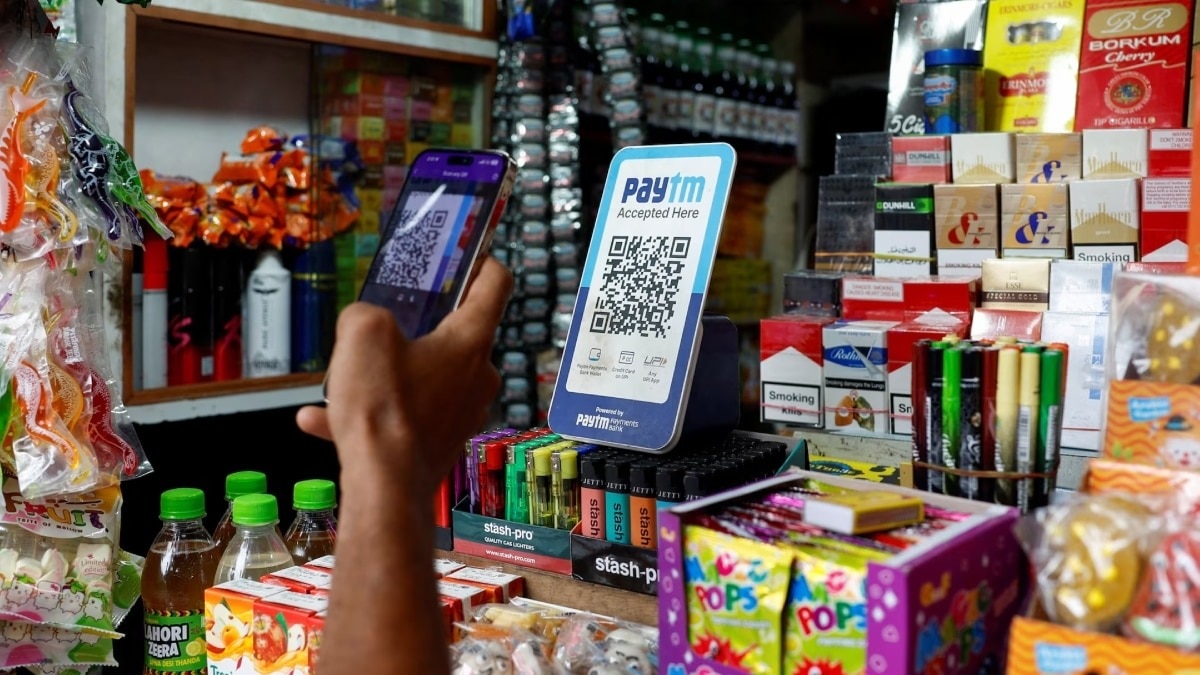
UPI Payments Above ₹2,000 Face New Merchant Fee

UPI Charges, Fed Hike, Oil Tariffs And Celebrity Controversy

UPI Charges Push Delhi Retailers Toward Cash Payments
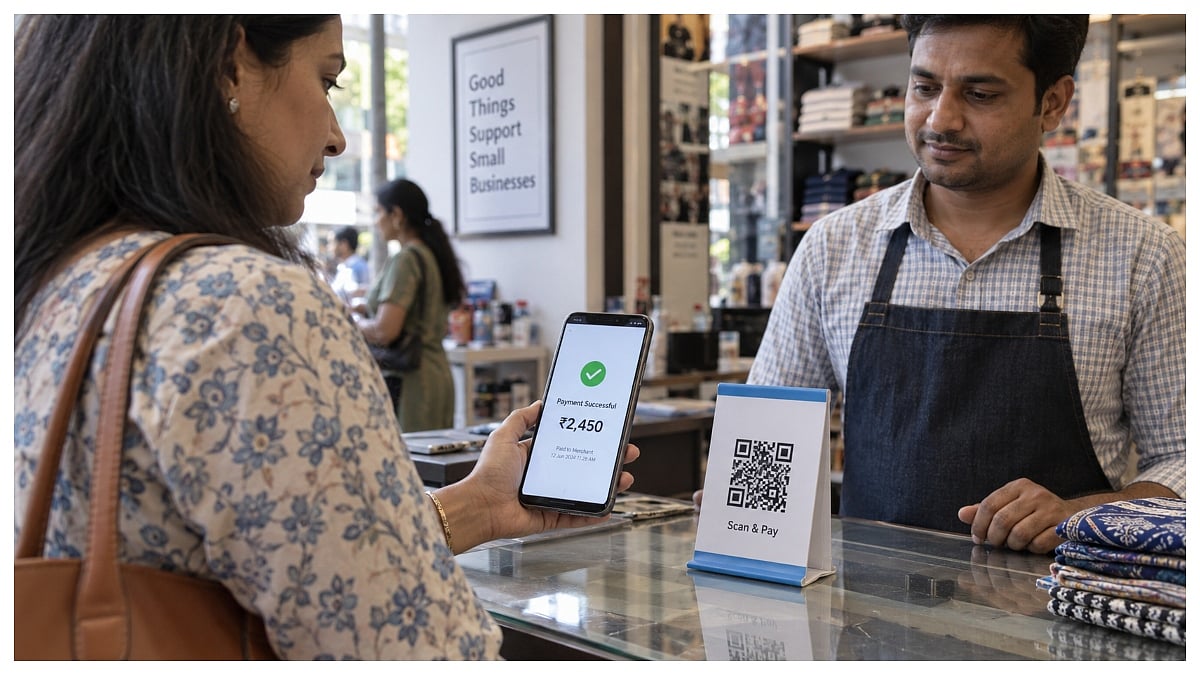
New UPI MDR Raises Questions About Merchant Payment Costs

Apple Pay Reportedly Set for India Launch With Axis Bank
Noon News Guide Covers iPhone Launch, Crime, Markets And Sports