

9 hrs ago
Proposed UPI MDR Draws Criticism as Government Details Limited Charges
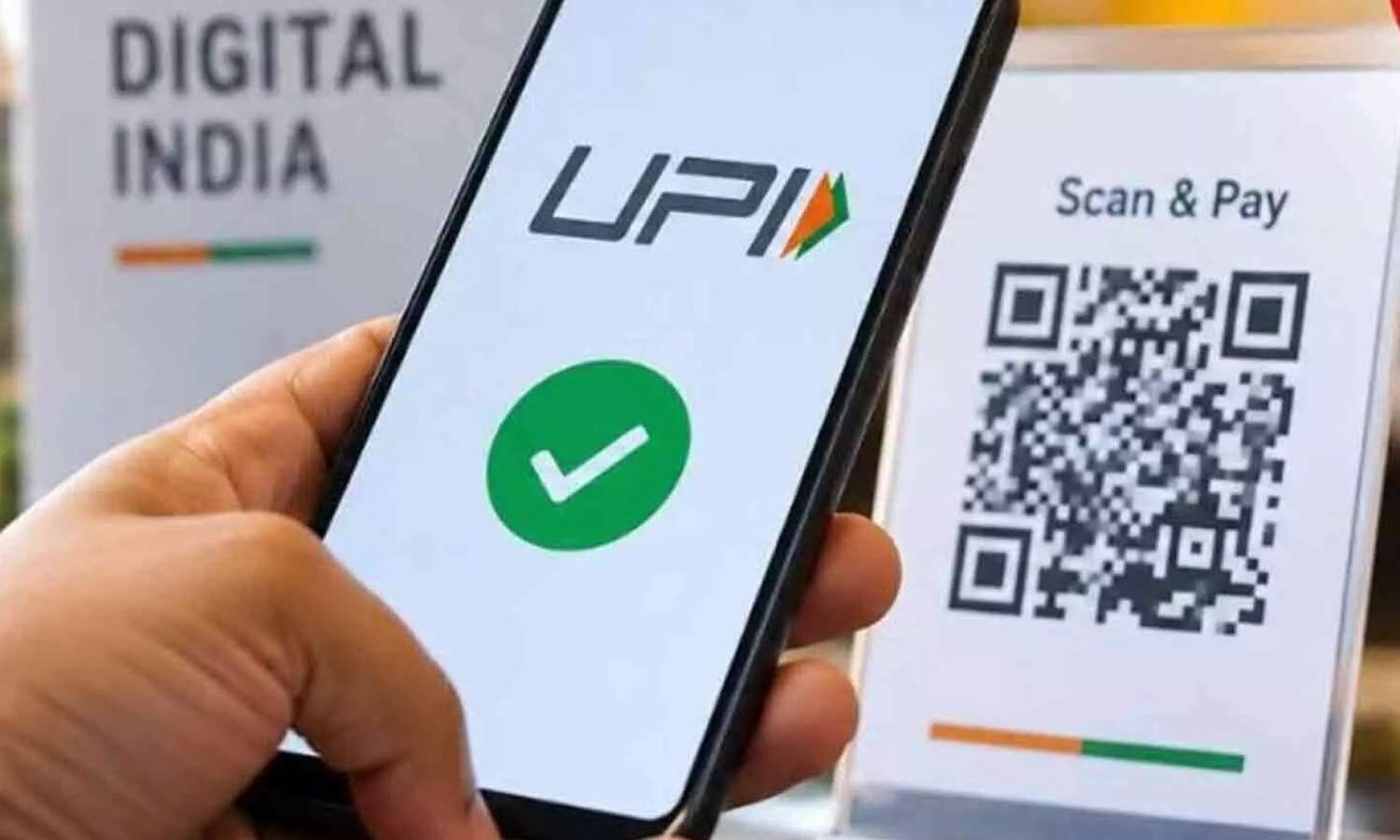
Dr Satish Kumar says new UPI charges could make digital payments more expensive for ordinary people.
The proposed charge is called a Merchant Discount Rate, or MDR.
It would apply only to certain business payments above Rs 2,000.
Sending money to another person through UPI would remain free.
Business payments of Rs 2,000 or less would also remain free.
The Finance Ministry says about 96% of merchant UPI payments would not be affected.
The charge would usually come out of the money received by the business, rather than being billed separately to the customer.
Officials say the money would help maintain and expand the payment system, while Kumar wants the government to keep ordinary UPI payments free.

AAP leader Dr Satish Kumar opposed the proposed 0.4% MDR on specified UPI merchant transactions above Rs 2,000.
The framework would leave person-to-person payments and transactions of Rs 2,000 or less free.
The Finance Ministry says about 96% of person-to-merchant transactions would remain unaffected.
MDR would generally be deducted from merchants, not separately collected from customers.
The measure is intended to support the operation and expansion of the UPI payment ecosystem.
- Who
- AAP state organising secretary Dr Satish Kumar criticized the proposal; the Ministry of Finance described the proposed MDR framework.
- What
- A proposed 0.4% Merchant Discount Rate would apply to specified merchant UPI transactions above Rs 2,000, with exemptions and lower or flat rates for some categories.
- Where
- The criticism was made in Bengaluru, while the proposal concerns India’s national UPI payment system.
- When
- The articles do not specify when the proposed MDR would take effect; they mention that a Rs 1,500-crore UPI incentive scheme was approved in March 2025.
- Why
- The framework is intended to support the operation and expansion of UPI and its payment ecosystem; Kumar says it could burden people and merchants.
Critics of the proposal
Framework explanation
Effect on ordinary users
Critics of the proposal
Dr Satish Kumar says charges could eventually be passed on to consumers through traders and create an additional burden.
Framework explanation
The Finance Ministry’s framework says MDR is deducted from the merchant’s transaction amount rather than separately collected from the customer, while ordinary low-value payments remain free.
Scope of the charge
Critics of the proposal
Kumar is concerned that the initial 0.4% charge could later increase or be extended to more transactions.
Framework explanation
The described proposal is limited to specified merchant payments above Rs 2,000; person-to-person transfers and payments of Rs 2,000 or less remain free.
Need for charges
Critics of the proposal
Kumar questions why revenue should be generated from UPI users and says the National Payments Corporation of India has profits and cash reserves.
Framework explanation
The measure is presented as support for operating and expanding the UPI ecosystem, while a March 2025 Rs 1,500-crore incentive scheme showed that maintaining zero-MDR digital payments has required public financial support.
Key facts
- Proposed standard MDR
- 0.4% on specified merchant UPI transactions above Rs 2,000
- Person-to-person payments
- Remain completely free under the described framework
- Payments up to Rs 2,000
- Remain outside the standard MDR framework
- Estimated unaffected transactions
- Approximately 96% of person-to-merchant transactions
- MDR on Rs 3,000
- Rs 12
- MDR cap
- Rs 300 once a transaction reaches Rs 75,000
- Average person-to-merchant transaction
- About Rs 577
- Small merchants
- Those receiving up to Rs 1 lakh monthly through UPI QR under the specified category continue to have zero MDR
Quotes
Dr Satish Kumar
Aam Aadmi Party state organising secretary who criticised the proposed UPI charges
“If charges are imposed on UPI transactions, the burden could eventually reach consumers through traders. It is also a matter of concern that the government, while allowing a 0.4 per cent charge now, could increase the rate or bring more transactions under the charging framework in the future.”
 thehansindia.com
“NPCI, which built the UPI system, has profits and cash reserves. In such a situation, it is difficult for people to accept the argument that free transactions cannot continue.”
thehansindia.com
Sources
Related news
India Adds UPI Merchant Fees Above ₹2,000

UPI Charges Debate Grows as MDR Framework Opens Higher Payments

UPI Sets 0.4% MDR on High-Value Merchant Payments
Government Rules Out Rollback of 0.4% UPI Fee

Pinarayi Vijayan Calls New UPI Merchant Fee Daylight Robbery

UPI MDR Begins October 15, Merchants Face Charges, Customers Don’t

Ryan Williams set for full-circle India return at Kanteerava

Woman Dies After Car Falls From Bengaluru-Mysuru Expressway Flyover
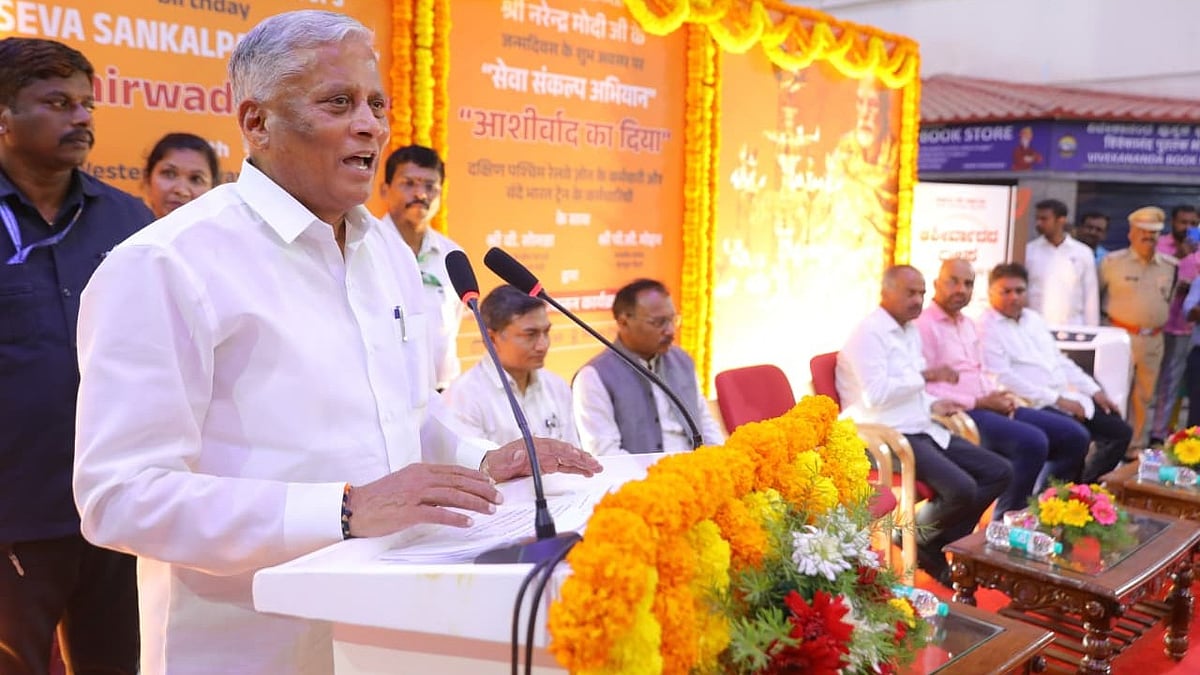
Railway Staff Honoured During Seva Diwas Celebrations in Bengaluru

Dr Satinder Sartaaj Announces 2026-27 India Tour
Manipal Law School Honors Miss Universe India 2026 Winner
