10 hrs ago
Readers Debate Lake Conservation, Child Safety, Renaming, and UPI Fees
The letters discuss four different public issues.
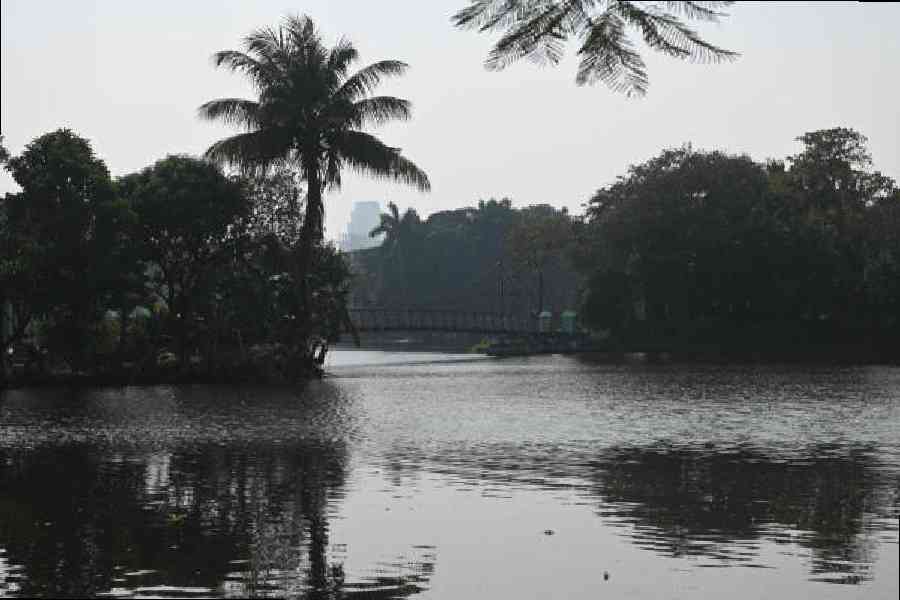
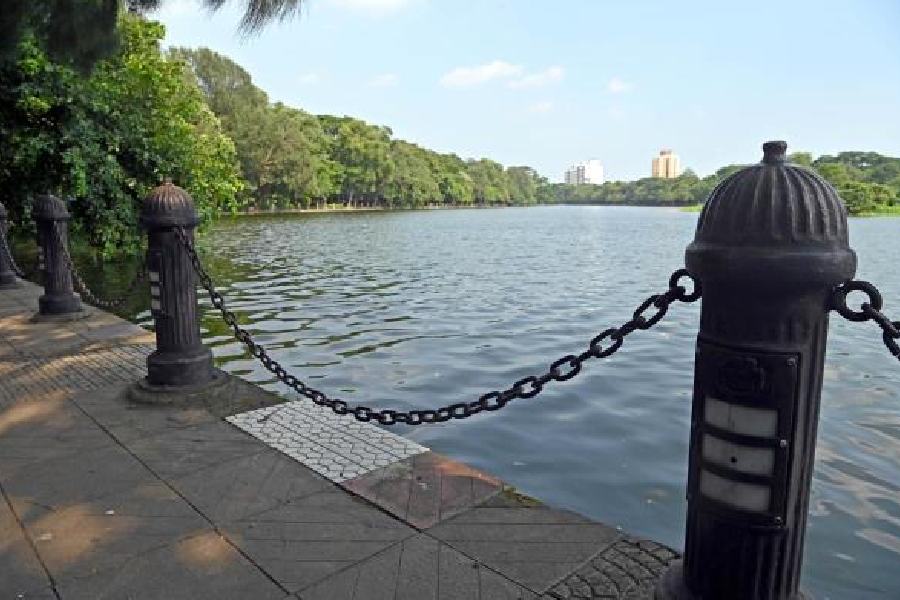
One writer says Rabindra Sarobar is home to many kinds of living things and should not be cleaned in a way that harms them.
Other writers say Meta and Instagram must do more to protect children from harmful content.
They disagree about whether Meta’s payments and new reporting plan are enough.
Another writer says Metro stations could be renamed after their locations to make them easier to find.
A different writer worries that changing names can erase history and memories.
The letters also debate a proposed fee on some UPI payments.
Some writers say fees could help pay for digital services, while others fear they could make digital payments less attractive.

A reader says Rabindra Sarobar should be protected as a biodiversity hotspot rather than purified solely for cosmetic cleanliness.
Several readers criticize Meta’s child-safety record, while welcoming or questioning its decision to report cases directly to Indian authorities.
One reader argues that renaming Metro stations by location could help commuters, despite the historical significance of existing names.
Readers disagree over a proposed 0.4% fee on person-to-merchant UPI payments above Rs 2,000.
Suggestions for financing digital payments include advertising, subscriptions, premium tools, financial-product marketing, cashback, and partnerships.
- Who
- Letters were written by Suchitra Basu, Salil Karmakar, Khokan Das, Vijaykumar H.K., Chanchal Nandy, Md. Sabir Hussain, N. Mahadevan, and G. David Milton; the discussion also involves Agnimitra Pal, Meta, and the National Democratic Alliance government.
- What
- The letters debate Rabindra Sarobar’s conservation, online child safety, Metro-station renaming, and charges on certain UPI payments.
- Where
- The issues concern Rabindra Sarobar and Bengal, Meta’s operations in India, Indian Metro stations, and UPI payments across India.
- When
- The letters refer to current proposals and decisions, Meta’s $18.2 billion settlement, a September 16 report, and UPI’s 2016 launch.
- Why
- The writers are concerned about protecting ecosystems and children, improving commuter clarity, preserving heritage, and finding a sustainable way to fund digital payment infrastructure.
Arguments for Practical Reform and Funding
Concerns About Harm, Cost, and Heritage
Rabindra Sarobar’s future
Arguments for Practical Reform and Funding
Making the lake exceptionally clean could support a beautification and purification goal.
Concerns About Harm, Cost, and Heritage
The lake should be conserved as a biodiversity hotspot, and purification that damages fish or aquatic life would be environmentally harmful.
Meta’s child-safety responsibilities
Arguments for Practical Reform and Funding
Meta’s direct reporting of child-safety cases to Indian authorities could shorten the distance between detection and investigation.
Concerns About Harm, Cost, and Heritage
Critics say payments, voluntary self-regulation, and weak automated moderation are insufficient without measurable compliance and meaningful consequences.
Metro-station names
Arguments for Practical Reform and Funding
Location-based names could make stations easier for commuters to identify and reduce confusion.
Concerns About Harm, Cost, and Heritage
Names honoring eminent figures carry nostalgia, legacy, and significance, so repeated renaming may undermine that heritage.
UPI charges
Arguments for Practical Reform and Funding
A fee could contribute to a sustainable financing model for digital public infrastructure.
Concerns About Harm, Cost, and Heritage
Charges could raise transaction costs, encourage users to split payments or return to cash, and make UPI less attractive to merchants and users.
Key facts
- Rabindra Sarobar
- A reader describes the lake as a biodiversity hotspot whose ecosystem could be harmed by excessive purification.
- Meta settlement
- One letter says Meta agreed to pay $18.2 billion as a fine but argues that payment alone does not resolve child-safety concerns.
- Child-safety reporting
- Meta’s decision to report child-safety cases directly to Indian authorities is described as a welcome first step.
- UPI charge
- The letters discuss a 0.4% charge on person-to-merchant UPI payments above Rs 2,000.
- UPI launch
- One letter says UPI was launched in 2016 with the aim of reducing cash transactions.
- Proposed alternatives
- Suggested revenue sources include advertising, merchant subscriptions, premium business tools, financial-product marketing, cashback, and partnerships.
Sources
Related news

Environmentalists Seek Fast Conservation Status for Navi Mumbai’s DPS Lake

Meta Settles Teen Harm Claims as India Faces Regulatory Gap
India Debates MDR Charges to Sustain UPI Payment Revolution

Former RBI Official Backs MDR on High-Value UPI Transactions
Campaigners Challenge Barclays Financing of Rampal Coal Power Plant
US Meta Settlement Highlights India’s Need for Child Protection
Calcutta’s Public Spaces Caught Between Compassion and Encroachment

Bhaichung Bhutia Champions Fitness Ahead of Kolkata 25K
Kolkata 25K: New Route for 10th Year

Kolkata’s Weekend Activity Club Unites Strangers