

2 hrs ago
UPI Merchant Charges Begin October 15 for Higher-Value Payments
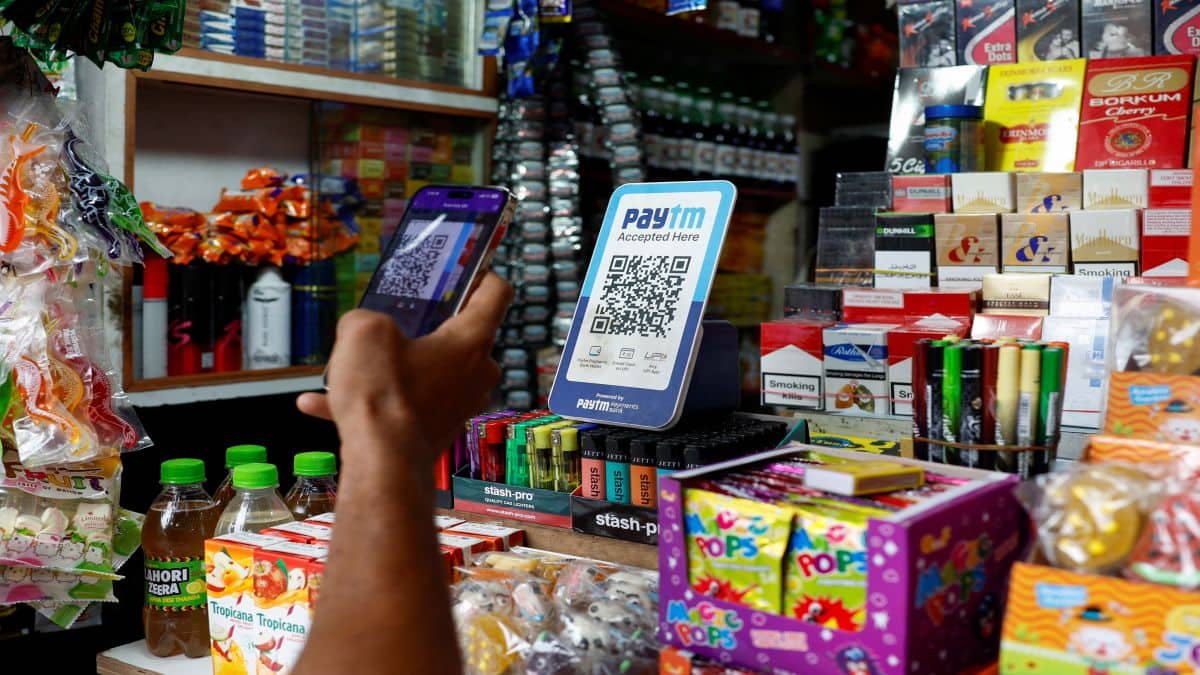
Some businesses will start paying a small fee when customers make large UPI payments.
This change begins on October 15.
The fee is usually 0.4% for merchant payments above ₹2,000.
Customers will not see a separate UPI charge.
Sending money to another person will remain free.
Small eligible shops receiving up to ₹1 lakh each month through QR payments will remain exempt.
Railways, fuel, telecom, insurance and some utilities will have special ₹5 fees.
The money will be shared among banks and payment companies to help run UPI.
Some experts worry that businesses might raise prices to recover the cost.

From October 15, eligible UPI merchant payments above ₹2,000 will incur a 0.4% MDR, capped at ₹300 for payments of ₹75,000 or more.
Railways, telecom, insurance, fuel and utilities will generally face a flat ₹5 MDR above ₹2,000, while capital-market payments carry 0.02% MDR capped at ₹300.
Customers will not pay a UPI transaction or platform fee, and person-to-person payments, payments up to ₹2,000 and recurring UPI mandates remain free.
Eligible small merchants receiving up to ₹1 lakh monthly through UPI QR payments will retain zero MDR, including qualifying rural and semi-urban merchants.
NPCI says the revenue will support infrastructure, cybersecurity and expansion, while analysts warn some merchants could indirectly pass costs to customers.
- Who
- The National Payments Corporation of India, banks, payment apps, payment service providers, merchants and UPI users are affected.
- What
- A merchant discount rate will apply to specified UPI merchant payments above ₹2,000, while customers will not be charged directly.
- Where
- The framework applies to UPI merchant payments in India, including eligible transactions in rural, semi-urban and underserved areas.
- When
- The new MDR framework takes effect on October 15.
- Why
- NPCI and the government say the revenue will help fund UPI infrastructure, cybersecurity, fraud prevention, customer service, innovation and expansion.
MDR supports UPI sustainability
Merchants may pass costs to customers
Purpose of the fee
MDR supports UPI sustainability
NPCI, the government and the Reserve Bank of India say predictable revenue can fund UPI infrastructure, cybersecurity, fraud prevention, customer support and continued expansion.
Merchants may pass costs to customers
Critics and some analysts question whether merchants will absorb the cost, particularly because there is no clear deterrent against indirectly recovering it through higher prices.
Effect on consumers
MDR supports UPI sustainability
Customers will not pay a separate UPI fee, and the framework keeps person-to-person payments, payments up to ₹2,000 and recurring mandates free.
Merchants may pass costs to customers
Although merchants cannot label the MDR as a UPI fee, they may increase product or service prices, potentially shifting the economic burden to customers.
Impact on merchants
MDR supports UPI sustainability
NPCI says UPI remains cheaper than card acceptance and that higher volumes, larger average payments and lower cash-handling costs can offset the MDR.
Merchants may pass costs to customers
Large merchants will face a new processing cost on qualifying payments, while some businesses may have less ability to absorb the charge.
Key facts
- Effective date
- October 15
- Standard MDR
- 0.4% on eligible merchant payments above ₹2,000
- Standard cap
- ₹300 for eligible payments of ₹75,000 or more
- Special-category MDR
- ₹5 above ₹2,000 for categories including railways, telecom, insurance, fuel and utilities
- Capital-market MDR
- 0.02% of the transaction value, capped at ₹300
- Customer charges
- No UPI transaction or platform fee; person-to-person payments remain free
- Small-merchant exemption
- Eligible merchants receiving up to ₹1 lakh monthly through UPI QR payments retain zero MDR
Quotes
National Payments Corporation of India (NPCI)
The organization that operates India’s UPI payment network
“UPI remains the most affordable digital payment acceptance tool for commercial enterprises”
 telegraphindia.com
Dharmender Jhamb
Partner and fintech industry leader at Grant Thornton Bharat
“A modest 0.4 per cent MDR on select higher-value merchant transactions, while keeping consumers and small merchants protected, strikes the right balance between affordability and sustainability. Equally important is the creation of a dedicated fund for small merchants and underserved regions, ensuring that revenues generated from scale are reinvested into inclusion”
telegraphindia.com
Sources
Related news

UPI Sets 0.4% MDR on High-Value Merchant Payments

New UPI MDR Rules Keep Consumers Free, Charge Eligible Merchants
UPI Payments Above ₹2,000 Face New Merchant Fee
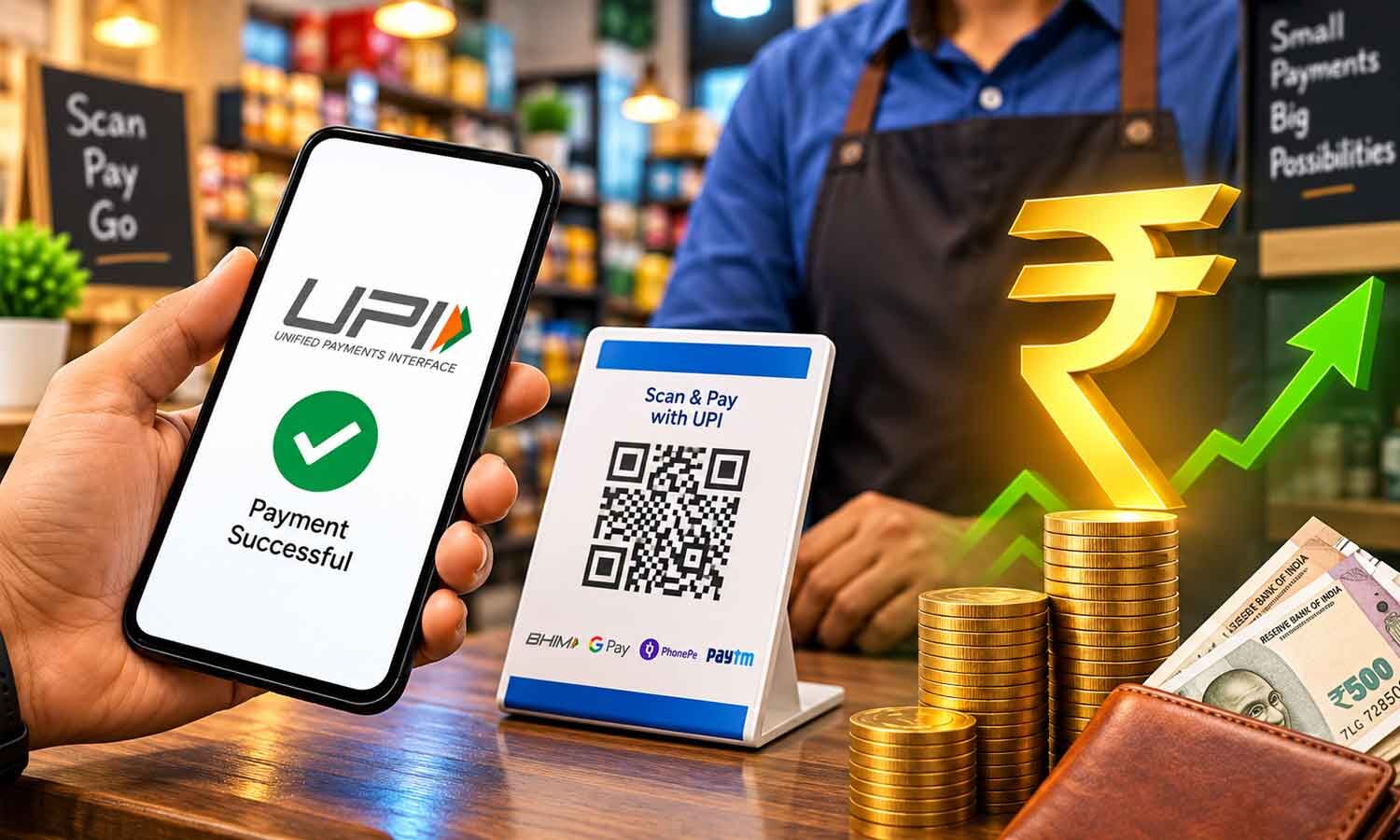
India Adds UPI Merchant Fees Above ₹2,000
Panel to Decide UPI MDR Charges Above ₹2,000 Soon

UPI Charges Debate Grows as MDR Framework Opens Higher Payments
MobiKwik, PhonePe Founders Back New UPI MDR Charge

UPI Fees May Push Retail Users Toward Digital Currency
RBI Backs MDR on Large UPI Transactions for Sustainability

Government Exempts Credit-Linked UPI Payments From New MDR
