1 day ago
UPI MDR Will Target Specified Merchant Payments Above ₹2,000
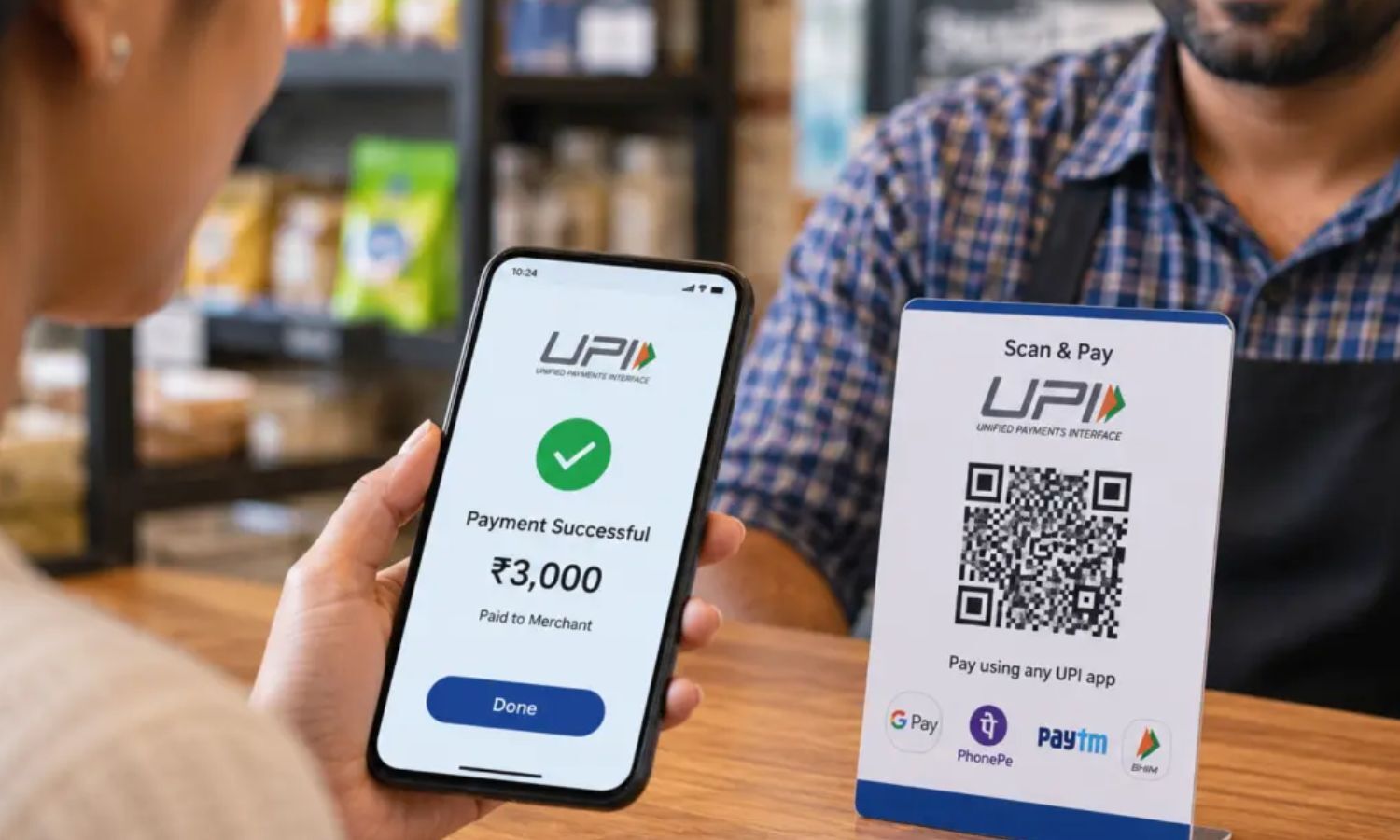
UPI is a way to pay people and businesses using a phone.
Starting October 15, 2026, some larger payments to businesses will have a processing charge.
The usual charge will be 0.4% for eligible merchant payments above ₹2,000.
This charge is meant for the merchant side, so customers are not supposed to receive an extra bill.
Payments between people will stay free.
Merchant payments up to ₹2,000 will also stay outside the charge.
Eligible small shops can remain exempt under the rules, including a stated ₹1 lakh monthly QR-collection threshold.
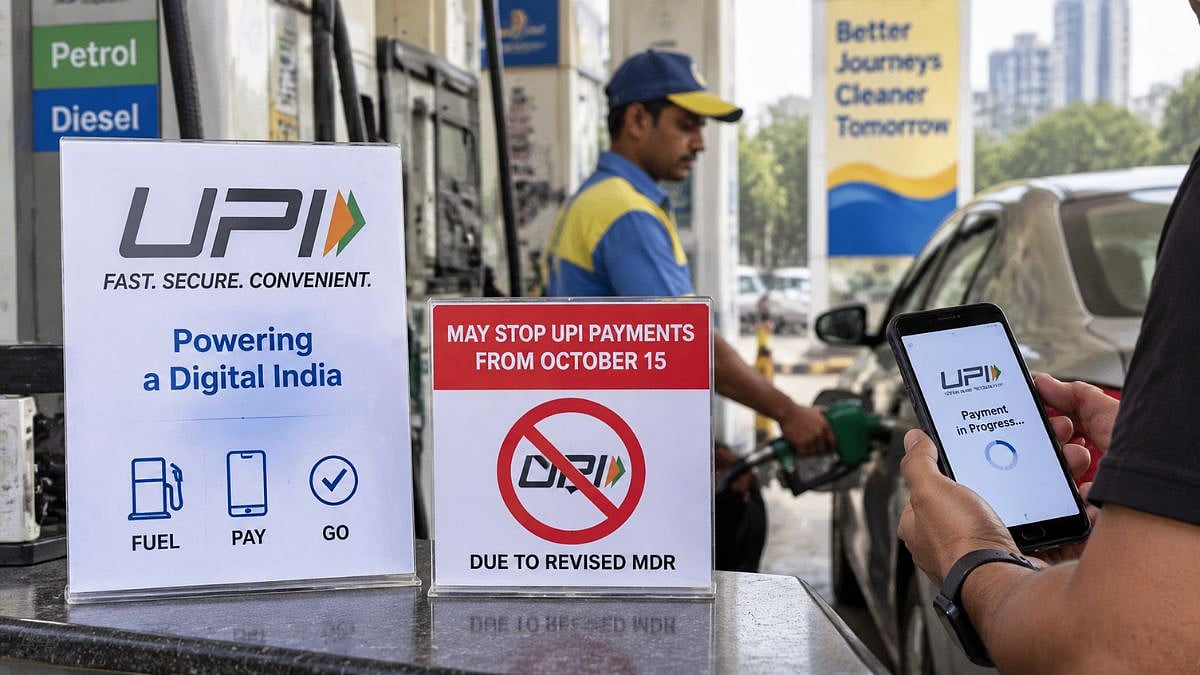
Some sectors will have different rates, such as a flat ₹5 for eligible payments involving fuel, railways, telecommunications and insurance.
The money is intended to help support UPI's infrastructure, security and expansion.

From October 15, 2026, a 0.4% MDR will apply to specified merchant UPI payments above ₹2,000.
Customers are not supposed to be charged MDR separately; the fee applies on the merchant side.
Person-to-person payments and merchant payments up to ₹2,000 will remain free, subject to applicable conditions.
The standard MDR is capped at ₹300, while fuel, railways, telecommunications and insurance have a flat ₹5 rate and capital-market payments a 0.02% rate.
Only about 4% of P2M payments exceed ₹2,000, but they account for roughly 66% of P2M payment value.
- Who
- UPI users, merchants, banks and payment-service providers are affected; retailer groups have raised concerns about merchant costs.
- What
- A new MDR framework will charge specified merchant-side UPI transactions above ₹2,000, generally at 0.4%, with sector-specific rates and caps.
- Where
- Across India's UPI payment network.
- When
- The framework is scheduled to begin on October 15, 2026.
- Why
- The stated aim is to create revenue for operating, securing and expanding the UPI ecosystem, while supporting adoption among small merchants.
Supporters and Payment Ecosystem
Retailers and Industry Critics
Need for MDR
Supporters and Payment Ecosystem
The government says MDR will provide revenue to support UPI infrastructure, cybersecurity, fraud prevention, upgrades and network expansion.
Retailers and Industry Critics
Retailer groups and industry participants are concerned that the added cost could pressure businesses operating on thin margins.
Effect on customers
Supporters and Payment Ecosystem
Because MDR is a merchant-side charge, customers are not supposed to pay an additional fee, preserving the low-cost user experience.
Retailers and Industry Critics
Retailers could potentially discourage large-value UPI payments, shift toward cash or try to recover the cost through pricing, although these outcomes have not been established.
Small-merchant exemption
Supporters and Payment Ecosystem
Eligible small merchants can continue receiving zero-MDR treatment under the specified conditions, including the cited ₹1 lakh monthly QR-collection threshold.
Retailers and Industry Critics
Parts of the retail industry question whether the threshold adequately covers businesses with relatively thin margins.
Key facts
- Effective date
- October 15, 2026
- Standard MDR
- 0.4% on specified merchant transactions above ₹2,000
- Customer charge
- Customers are not supposed to be separately billed for MDR
- Standard cap
- ₹300 per transaction; the cap applies for transactions of ₹75,000 and above
- Small merchants
- Eligible small merchants can retain zero-MDR treatment; the cited framework threshold is up to ₹1 lakh per month in UPI QR collections
- Sector rates
- Eligible fuel, railway, telecommunications and insurance payments above ₹2,000 attract a flat ₹5 MDR; capital-market transactions have a 0.02% rate
- UPI scale
- In FY26, UPI recorded 24,162 crore transactions, with about 63% classified as P2M payments
- High-value share
- About 4% of P2M transactions exceed ₹2,000 but represent roughly 66% of P2M payment value
Sources
Related news

UPI MDR Begins October 15, Merchants Face Charges, Customers Don’t
UPI Sets 0.4% MDR on High-Value Merchant Payments
UPI Payments Above ₹2,000 Face New Merchant Fee

New UPI MDR Rules Keep Consumers Free, Charge Eligible Merchants
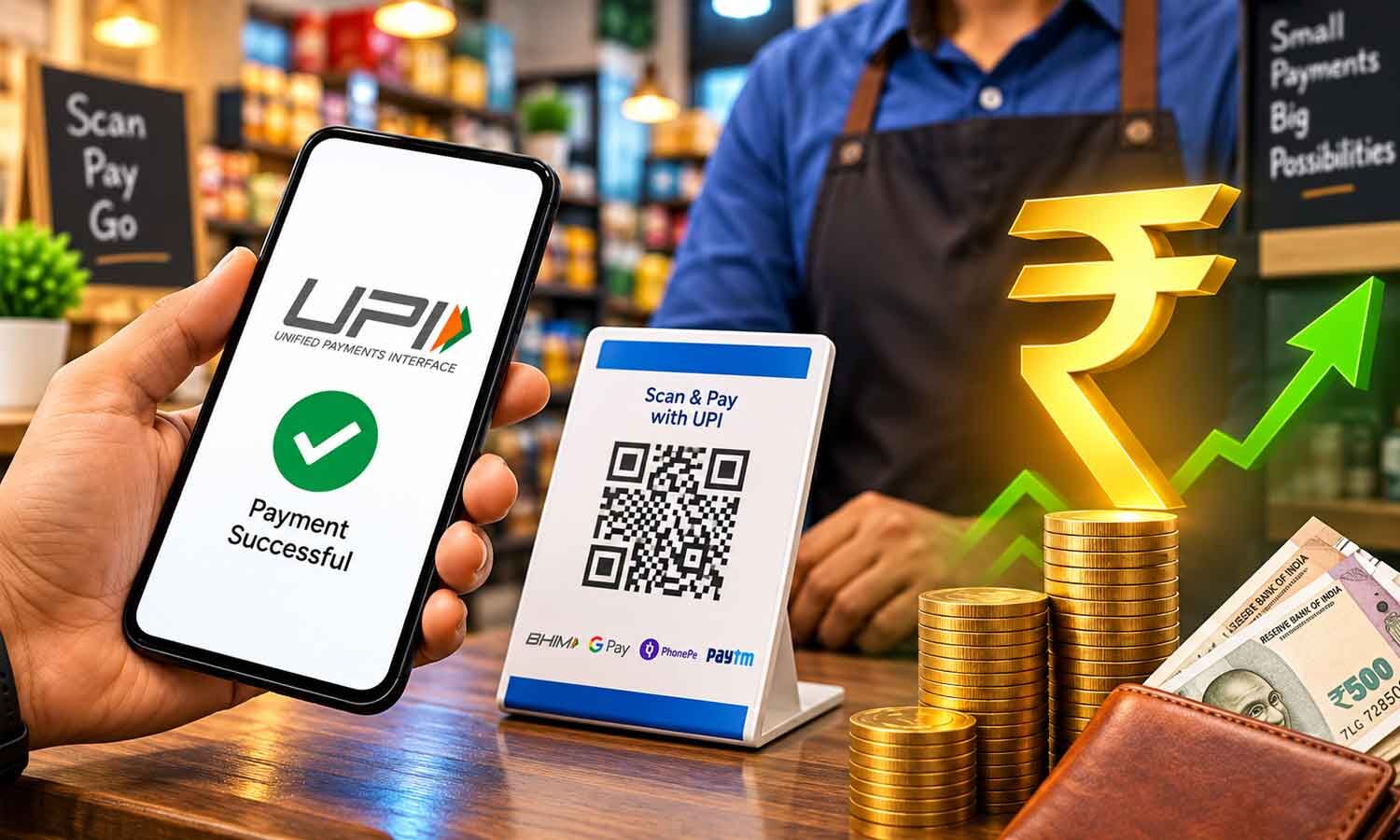
India Adds UPI Merchant Fees Above ₹2,000
India’s UPI MDR Plan Tests Digital Payments’ Durability
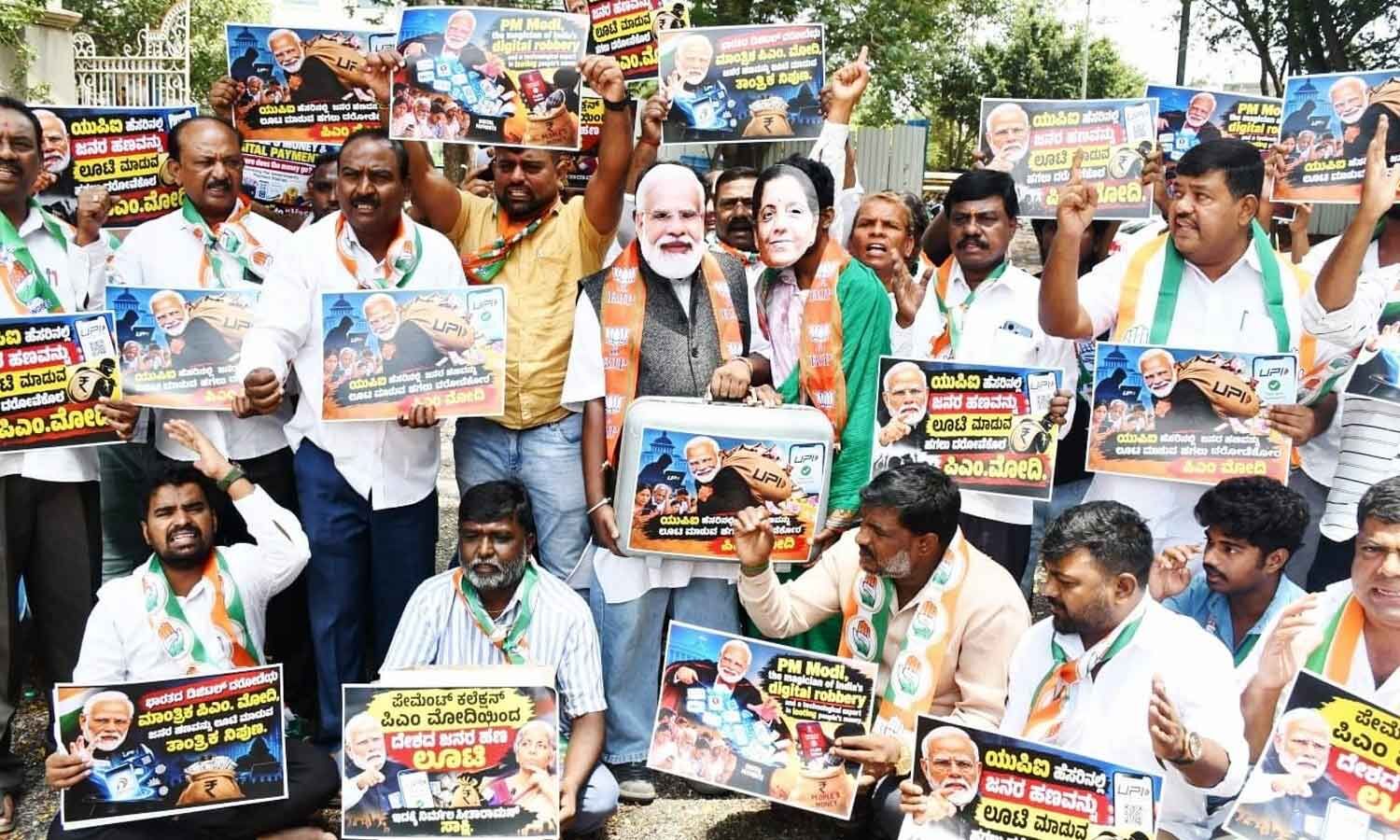
Congress Protests Proposed Extra UPI Charges on Transactions

CAMS Dominance Meets Valuation Discount Against KFin Technologies
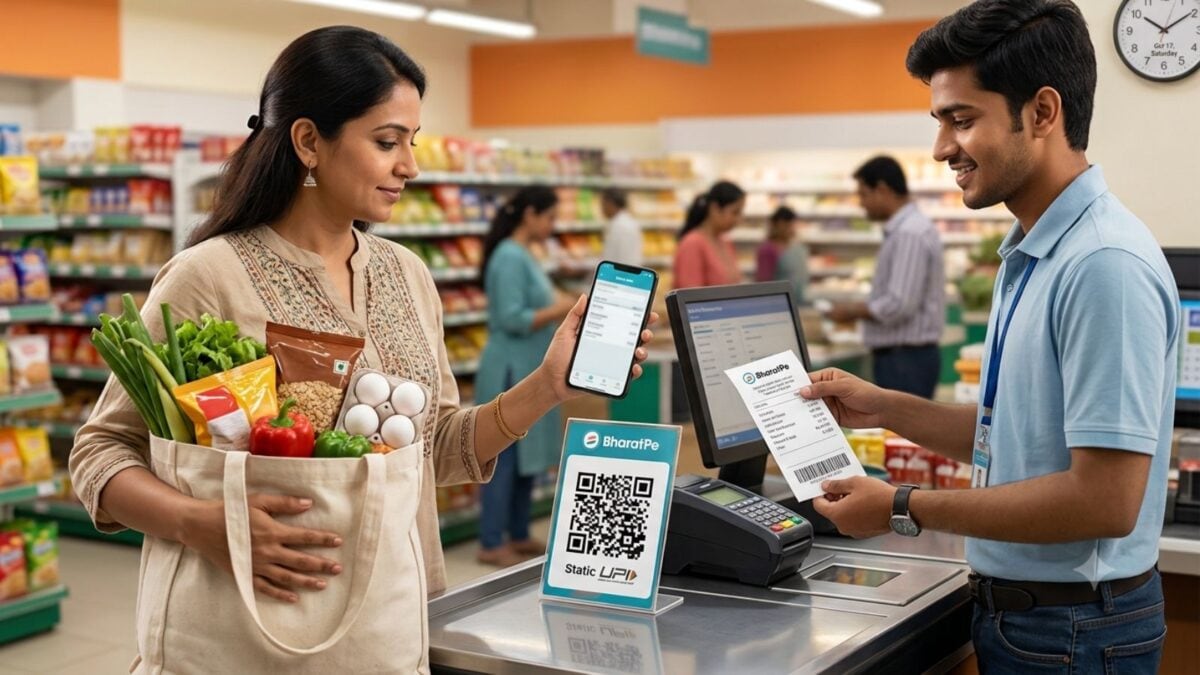
Government Talks Aim To Keep New UPI Fees Off Customers
Mumbai Petrol Pumps Threaten UPI Shutdown Over Revised MDR

Indian Markets Mixed Amid NSE IPO and Tata Governance Dispute