

1 hr ago
Why ISRO Chose GSLV Mk-II Over PSLV for EOS-05
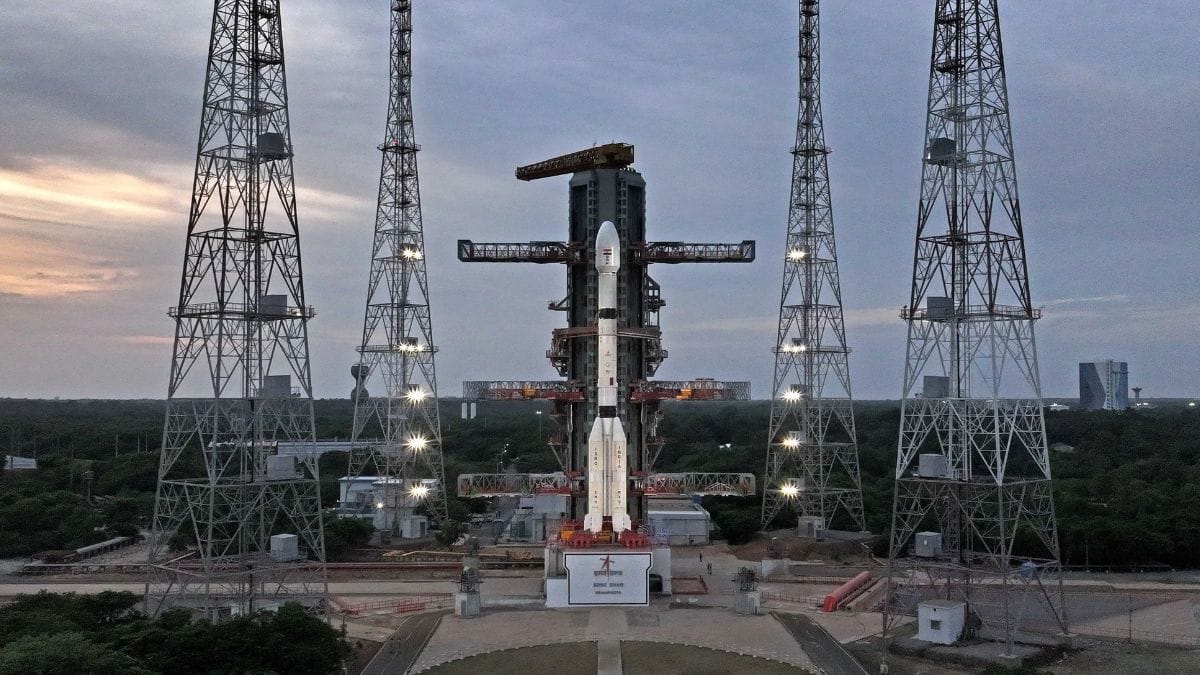
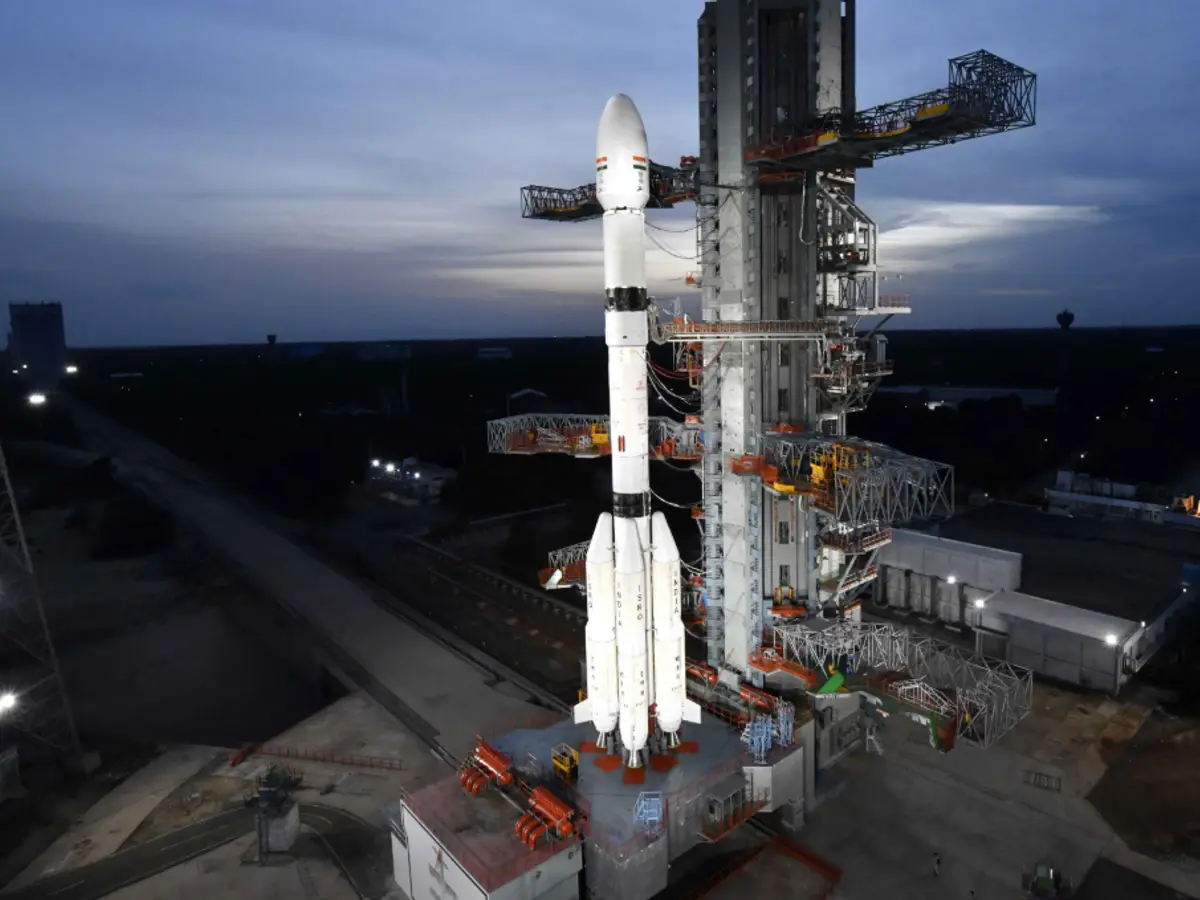
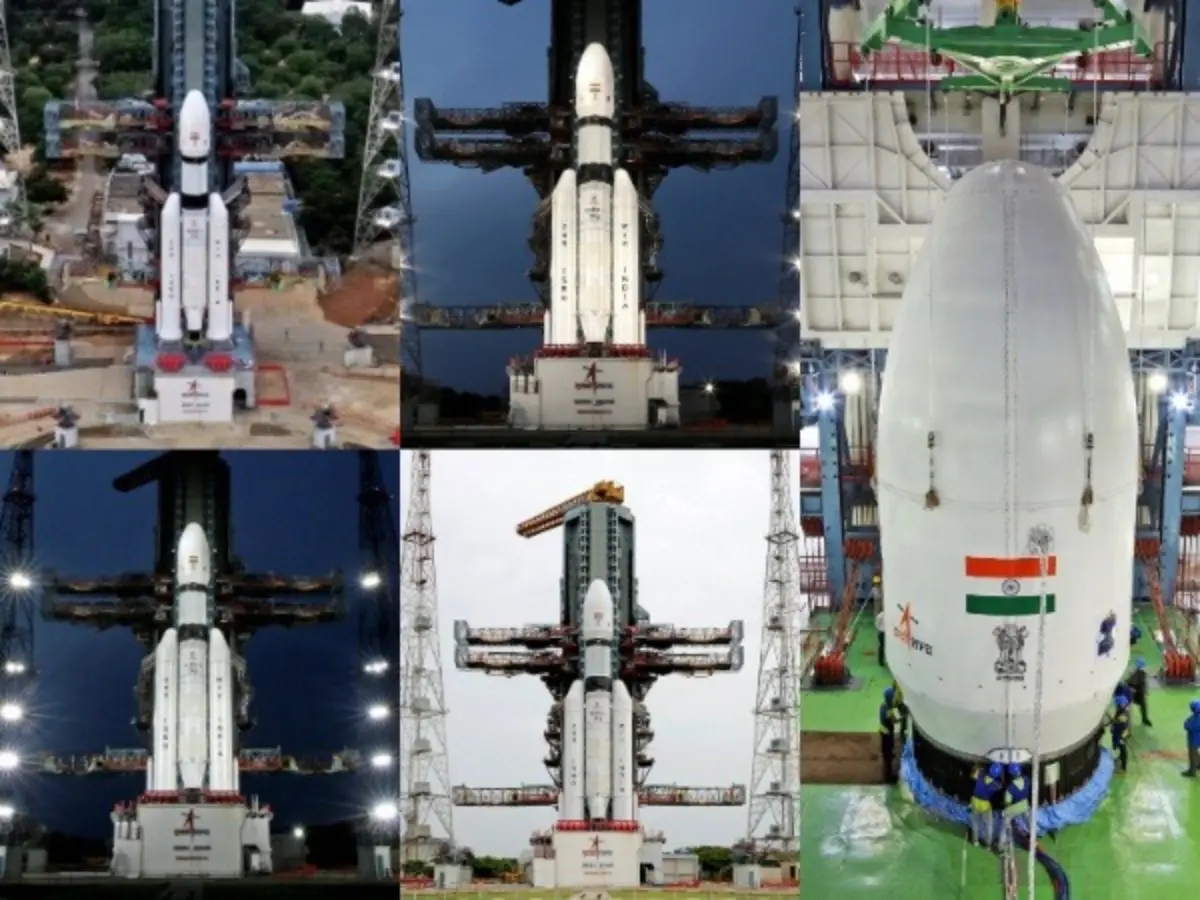
ISRO launched the EOS-05 satellite using GSLV Mk-II instead of its usually preferred PSLV.
EOS-05 needs to reach a much higher orbit than many Earth-imaging satellites.
GSLV can provide the extra energy needed to reach that orbit.
The rocket placed the satellite at an apogee of 31,026 kilometers.
That was about 2,100 kilometers higher than expected.
The successful launch ended an eight-month pause in ISRO launches.
GSLV was once called “Naughty Boy” because of several early failures.
It has performed better since receiving an indigenous cryogenic upper stage.
PSLV is still expected to return to service and remain important for future missions.

ISRO used GSLV Mk-II because EOS-05 required more orbital energy for a geosynchronous orbit.
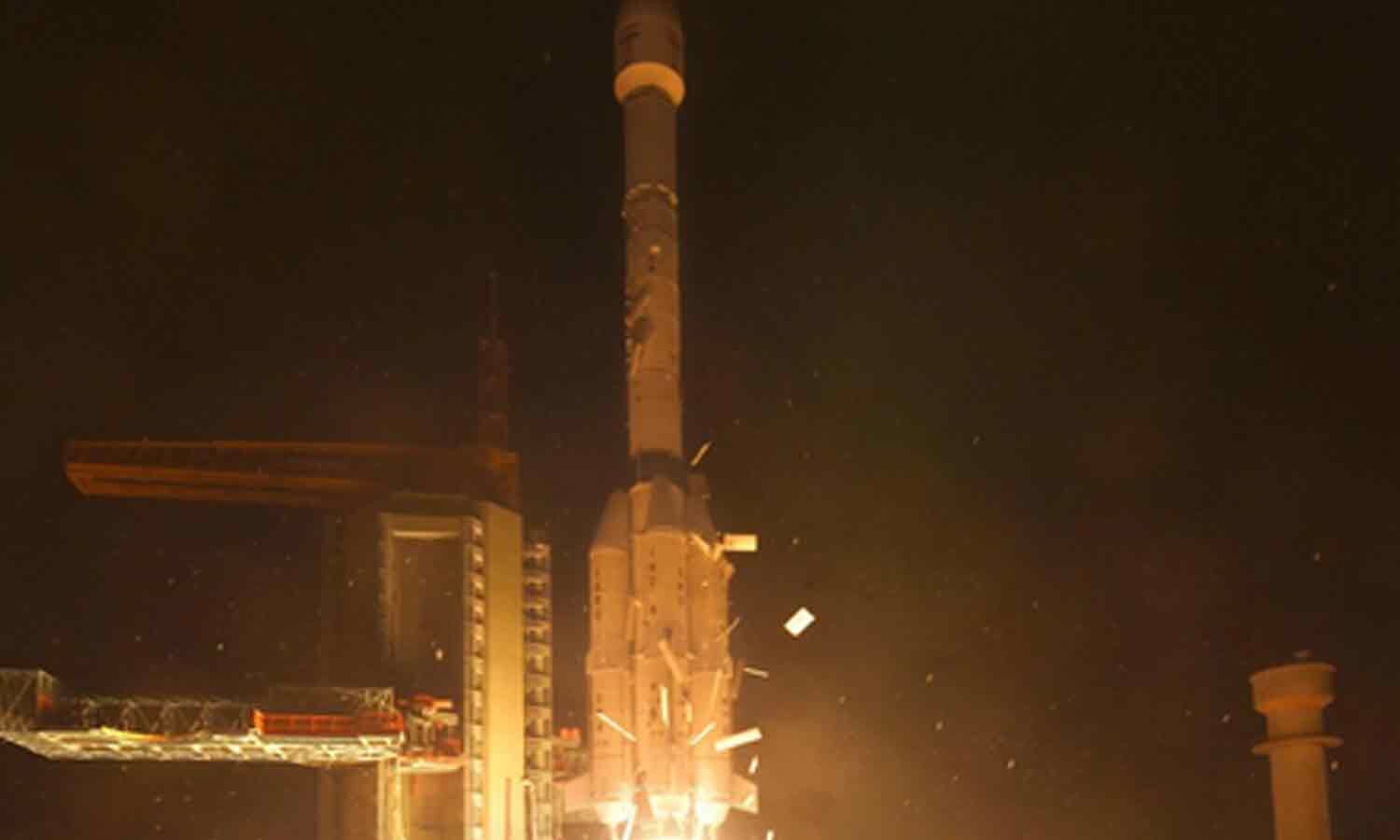
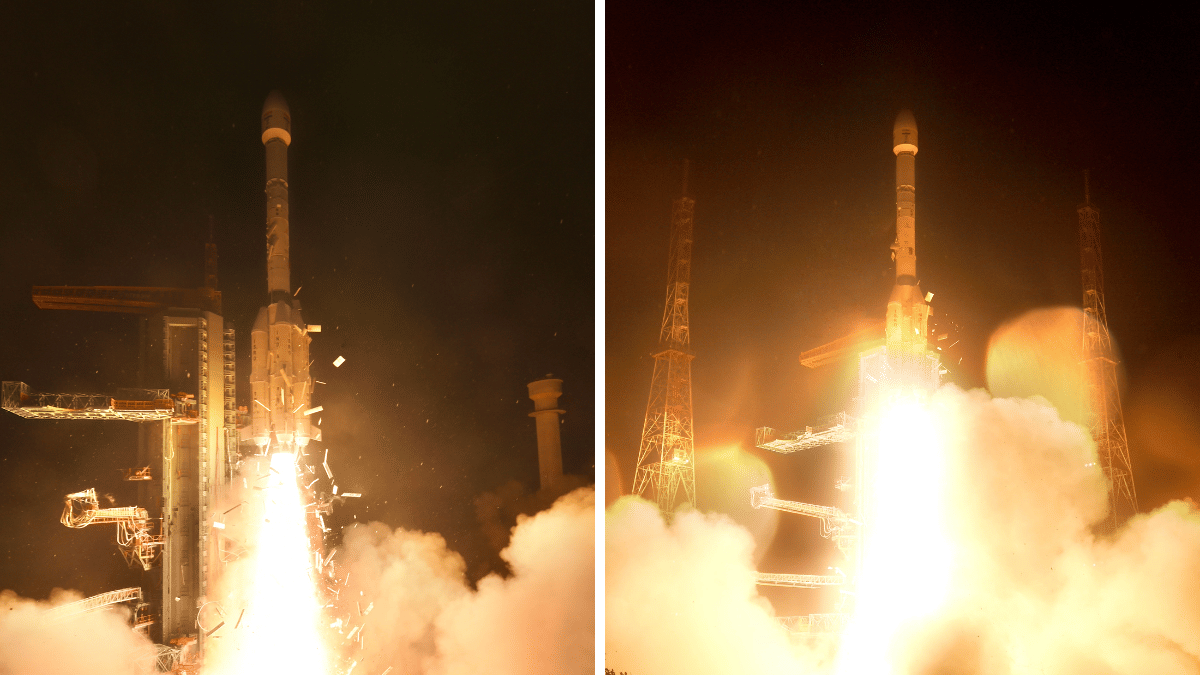
GSLV-F17 placed EOS-05 at an apogee of 31,026 kilometers, about 2,100 kilometers above expectations.
The mission ended an eight-month launch lull and marked a successful GSLV flight.
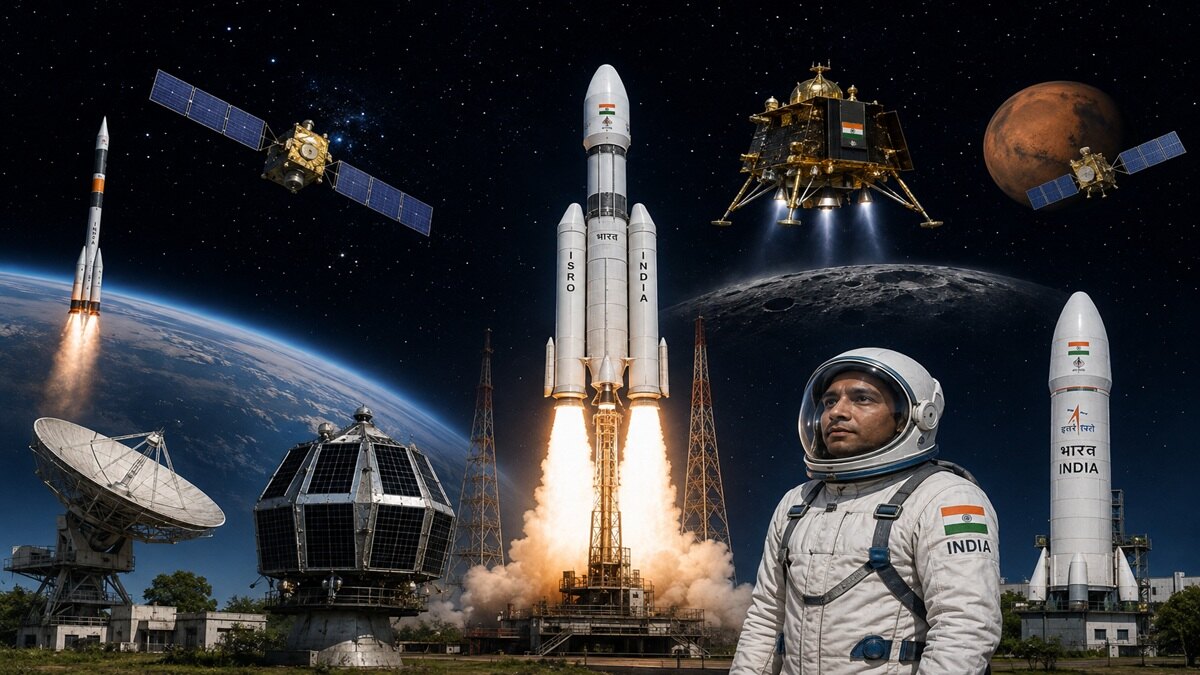
PSLV remains versatile and has launched missions including Chandrayaan-1, the Mars Orbiter Mission and Aditya-L1.
PSLV launches were temporarily paused after anomalies in the PSLV-C61 and PSLV-C62 missions, while corrective action was reviewed.
- Who
- The Indian Space Research Organisation, led by chairperson V Narayanan, launched the EOS-05 satellite.
- What
- GSLV-F17 successfully injected EOS-05 into its intended orbit instead of using the usually assigned PSLV.
- Where
- The mission was conducted by ISRO; the articles do not specify the launch site.
- When
- The successful launch took place on a Friday; the articles do not provide a calendar date.
- Why
- EOS-05 required greater orbital energy to reach a geosynchronous orbit, making GSLV Mk-II a better fit for the mission.
Mission-specific GSLV Choice
PSLV’s Continuing Role
Best vehicle for EOS-05
Mission-specific GSLV Choice
ISRO officials said EOS-05 required a different combination of payload mass and orbital energy, so GSLV Mk-II was the better fit.
PSLV’s Continuing Role
A senior ISRO official said PSLV can also place satellites into geosynchronous orbit and has been adapted for major missions.
Recent reliability concerns
Mission-specific GSLV Choice
GSLV’s successful F17 mission ended an eight-month lull and showed that the vehicle could meet the mission’s demanding orbital requirements.
PSLV’s Continuing Role
PSLV faced back-to-back problems in the third stage of PSLV-C61 and PSLV-C62, but ISRO said the incidents were unrelated and described the pause as temporary.
Future launch plans
Mission-specific GSLV Choice
GSLV Mk-II is expected to remain central to missions requiring heavier spacecraft and geosynchronous transfer orbits.
PSLV’s Continuing Role
Scientists and ISRO officials said PSLV will return after corrective measures and remain important alongside GSLV Mk-II, with production expanded through private industry.
Key facts
- Satellite
- EOS-05, described as India’s first imaging satellite designed to operate from a geosynchronous orbit.
- Launch vehicle
- GSLV Mk-II, used in the GSLV-F17 mission.
- Recorded apogee
- 31,026 kilometers, nearly 2,100 kilometers higher than initial expectations.
- Target orbital altitude
- About 36,000 kilometers above Earth’s surface for the geosynchronous orbit.
- PSLV pause
- PSLV launches were temporarily paused after failures or anomalies in the PSLV-C61 and PSLV-C62 missions.
- GSLV history
- GSLV was nicknamed “Naughty Boy” after a series of early failures, but later missions achieved successful satellite launches.
- Future production
- NewSpace India Limited is set to coordinate PSLV production through private-industry consortiums.
Quotes
A senior ISRO official
ISRO official who explained the launcher-selection rationale.
“A lot of factors go into deciding the launcher for a mission. This required a different combination of payload mass and orbital energy, and that is why the GSLV was a better fit,”
 theprint.in
“Our plan is to increase the launches in the coming years. Some big missions are also in the pipeline. More launches mean you will need these trusted rockets to launch,”
theprint.in
Sources
Related news
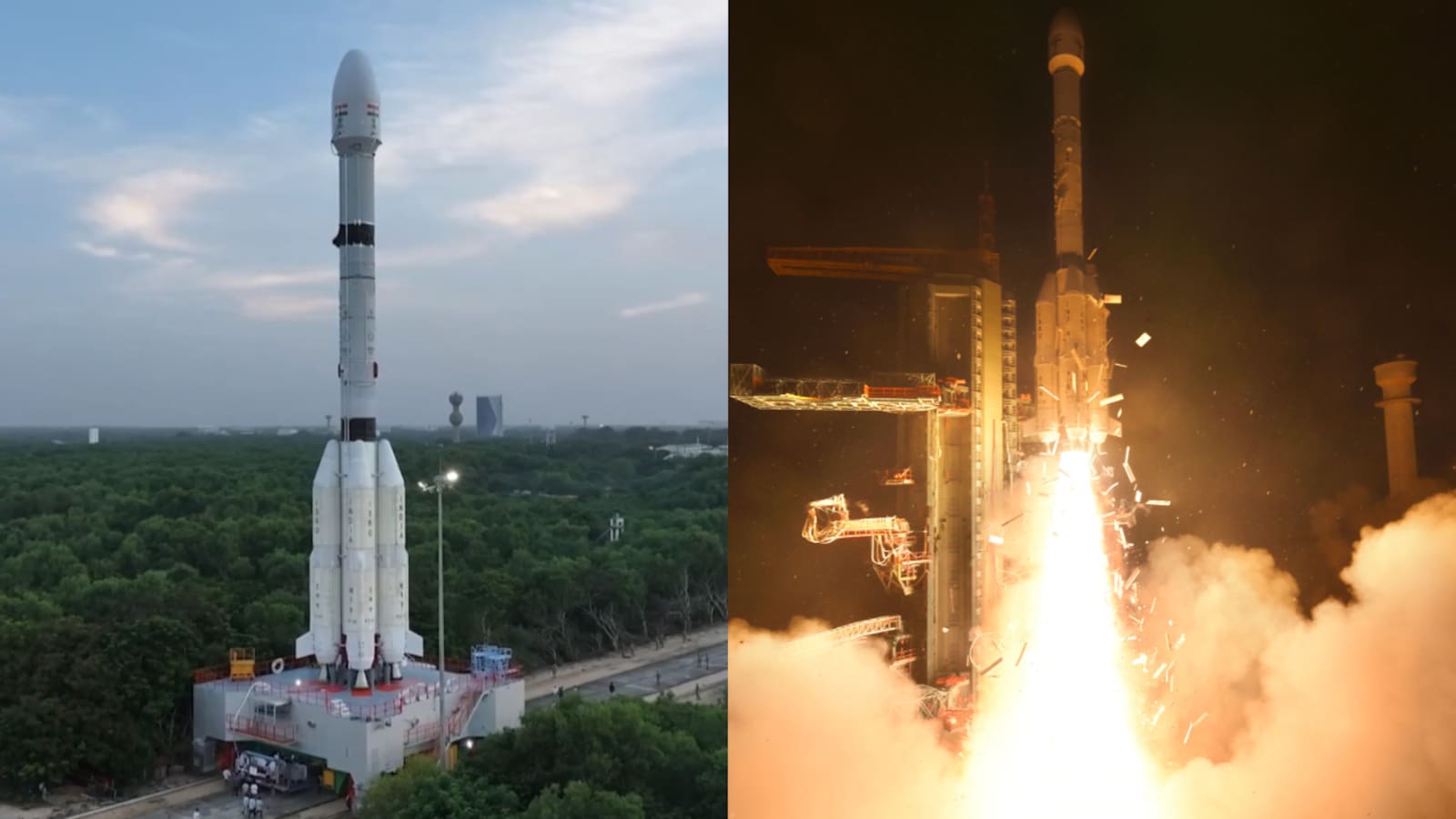
GSLV-F17 Launches EOS-05, Offering ISRO a Confidence Boost
ISRO Plans EOS 5 Comeback Launch After PSLV Setbacks
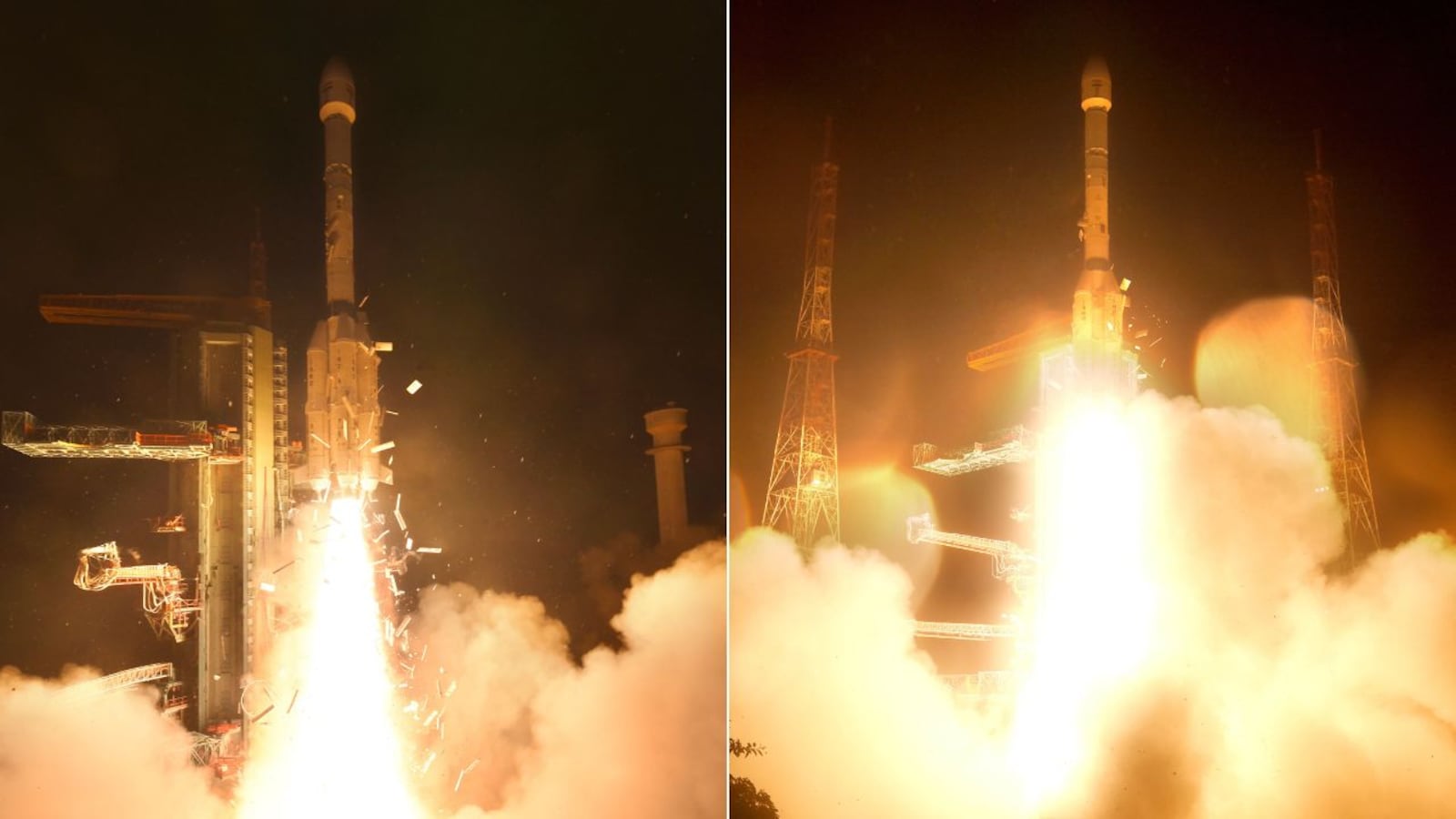
ISRO Launches EOS-05 for Frequent Imaging of India
ISRO’s GSLV to Carry Heaviest Payload in 25 Years
ISRO Launches EOS-05 Toward India’s First Geosynchronous Imaging Mission
ISRO’s ‘Naughty Boy’ Boosts EOS-05 Orbit, Saving Propellant
India’s Space Journey Enters a Commercial, Human-Spaceflight Era

India’s Space Sector Expands With 440 Startups After Reforms

Lunar South Pole May Preserve Earth Microbes, Study Finds
From Mangalyaan to Chandrayaan-3: India's Rise as a Space Power
