3 hrs ago
ISRO’s ‘Naughty Boy’ GSLV Faces Crucial EOS-5 Launch
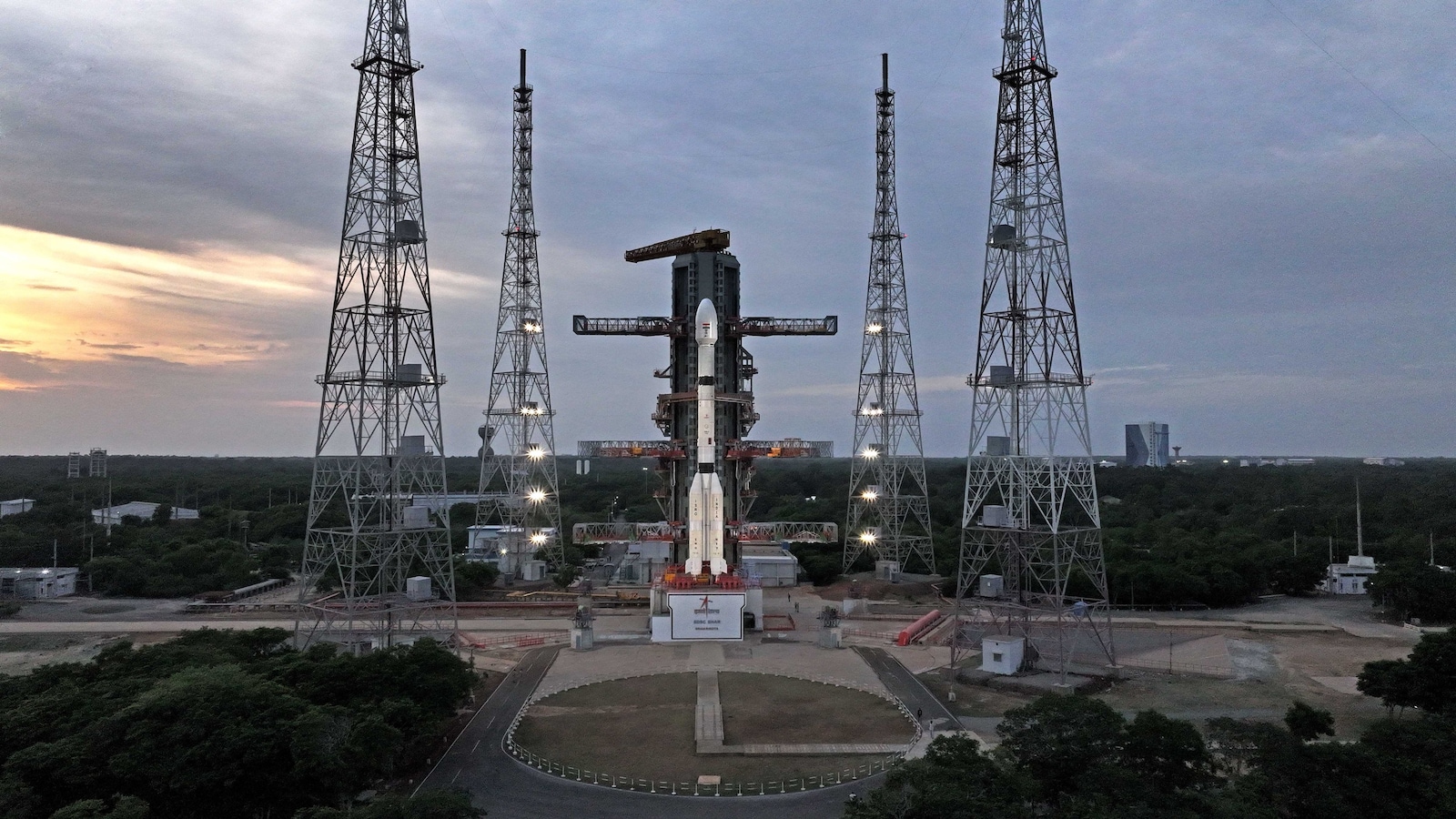
ISRO plans to launch a rocket called GSLV-F17 early on September 4.
It will carry a satellite named EOS-5.
The satellite is meant to watch India from a very high orbit, about 36,000 kilometers above Earth.
It could help monitor weather, disasters, the environment, and national infrastructure.
This launch is important because a similar mission failed in 2021.
The rocket’s cryogenic engine did not work properly during that earlier launch.
GSLV is nicknamed the “naughty boy” because some of its earlier flights had problems.
If this launch succeeds, it could help rebuild confidence in ISRO.

GSLV-F17 is scheduled to launch EOS-5 from Sriharikota at 2:55 a.m. on September 4.
EOS-5 is designed to become India’s first imaging satellite operating from geosynchronous orbit.
The satellite will provide near-continuous observation of India and the surrounding region from about 36,000 kilometers above Earth.
The mission follows the 2021 loss of EOS-03 after the GSLV-F10 cryogenic upper stage failed to ignite properly.
A successful launch could restore confidence in ISRO after consecutive PSLV setbacks in 2025 and 2026.
- Who
- The Indian Space Research Organisation (ISRO), its GSLV-F17 rocket, and the EOS-5 satellite.
- What
- A planned launch of EOS-5 aboard GSLV-F17 into a Sub Geosynchronous Transfer Orbit.
- Where
- The Second Launch Pad at Sriharikota, India.
- When
- September 4 at 2:55 a.m.
- Why
- To deploy an advanced Earth-observation satellite and help restore confidence in ISRO after recent launch setbacks.
Key facts
- Launch vehicle
- GSLV-F17, a GSLV Mk II rocket
- Payload
- EOS-5 Earth-observation satellite
- Satellite mass
- Approximately 2,367 kilograms
- Planned orbit
- Sub Geosynchronous Transfer Orbit, followed by manoeuvring toward geosynchronous orbit
- Orbital altitude
- Nearly 36,000 kilometers above Earth
- Rocket dimensions
- 51.7 metres tall and 420.5 tonnes at liftoff
- Previous related setback
- EOS-03 was lost during the August 2021 GSLV-F10 mission after the indigenous cryogenic upper stage failed to ignite properly
Sources
Related news
ISRO Plans EOS 5 Comeback Launch After PSLV Setbacks
India’s GSLV-F17 Set to Launch EOS-05 From Sriharikota
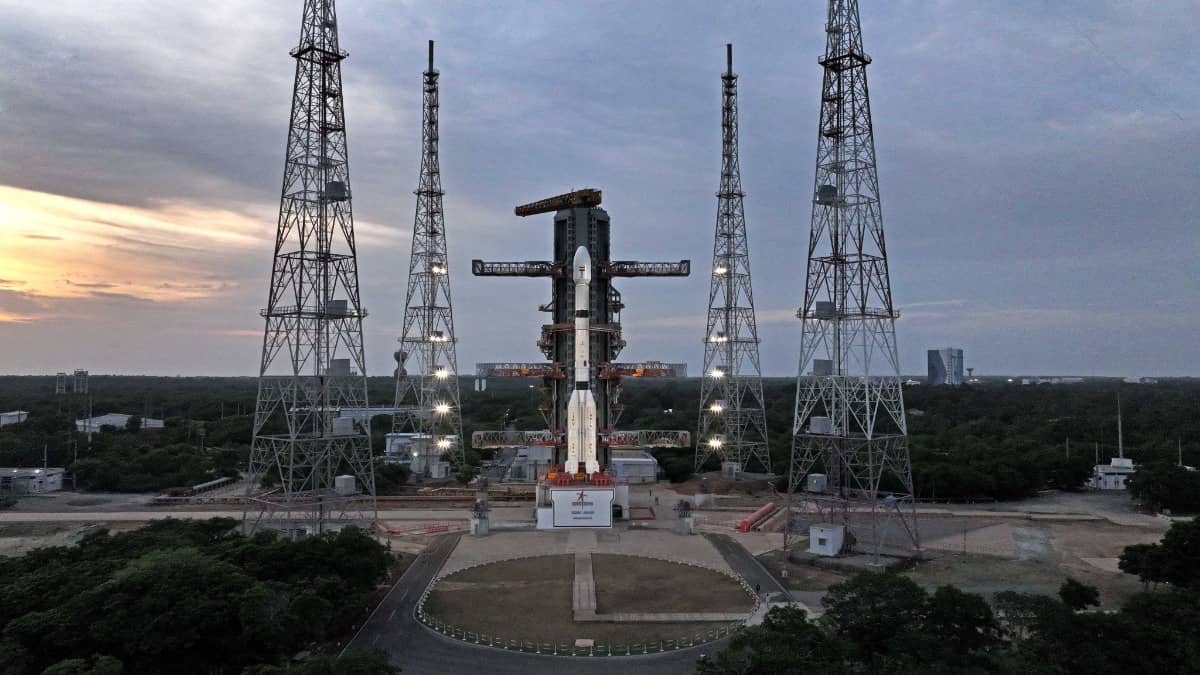
ISRO Sets September Launch for EOS-05 Earth-Imaging Satellite
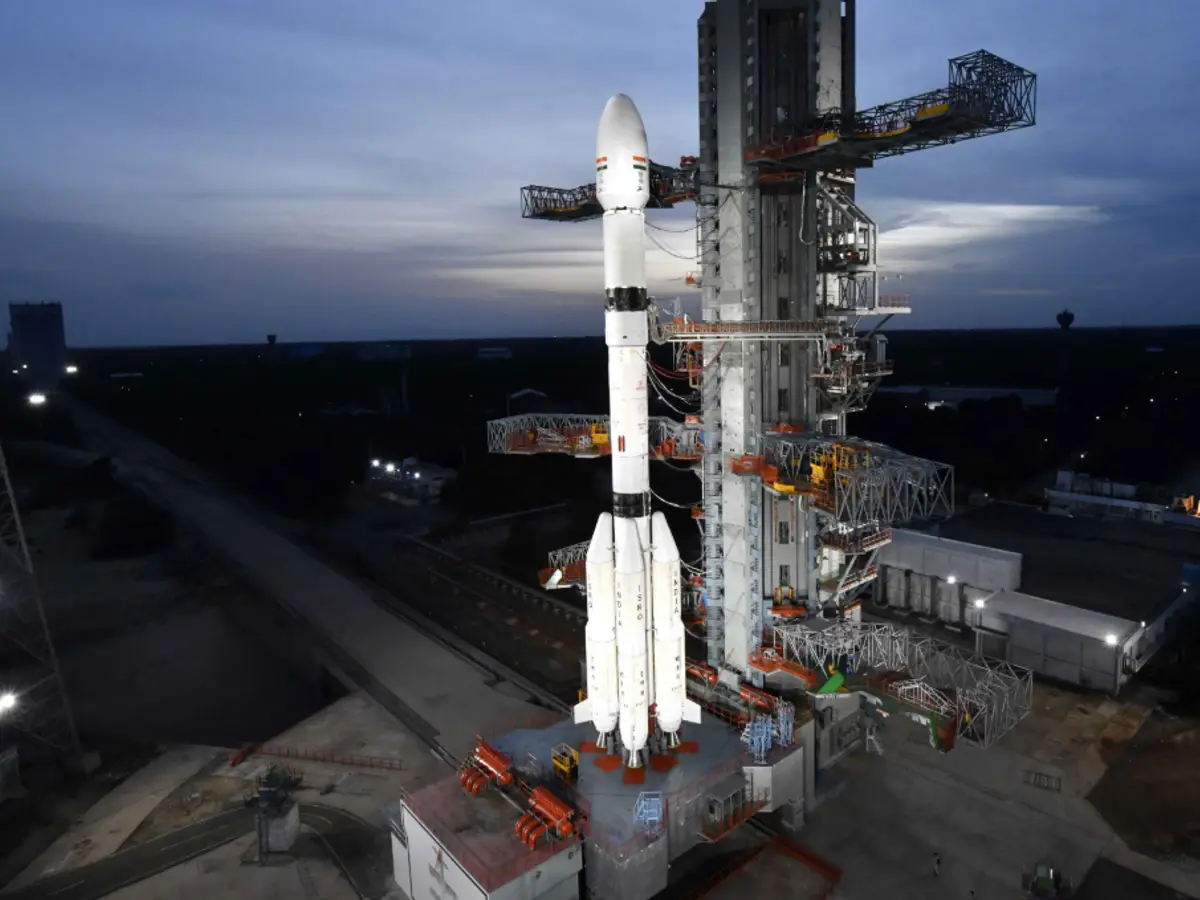
ISRO’s GSLV to Carry Heaviest Payload in 25 Years
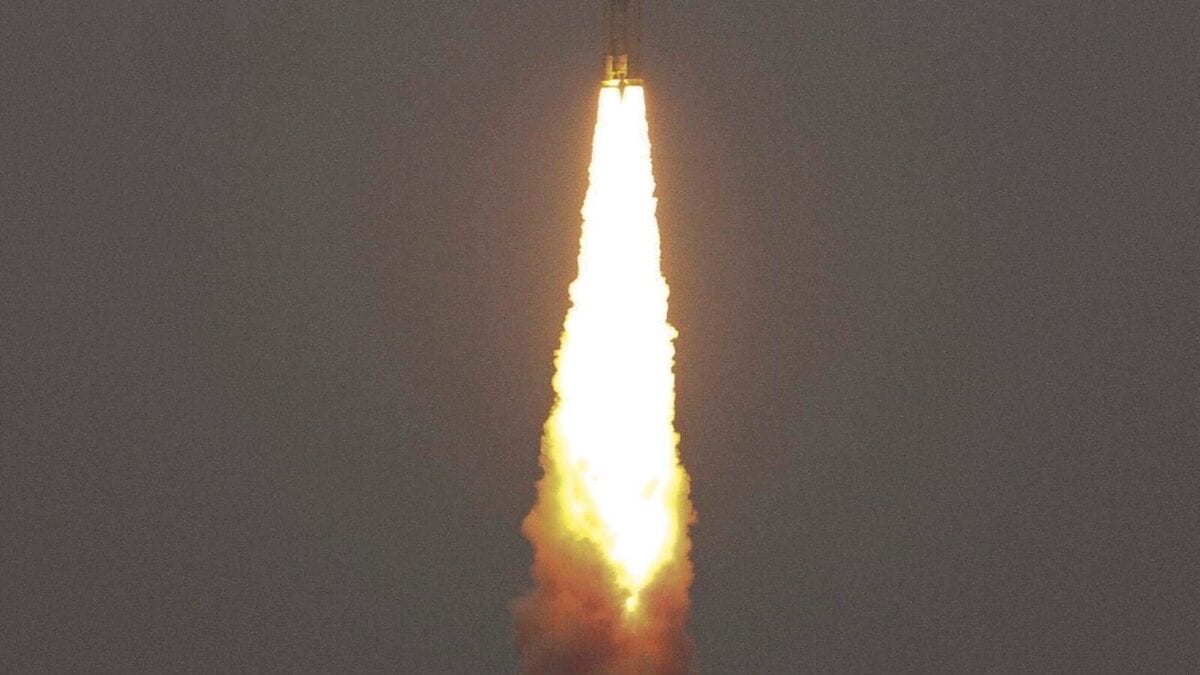
ISRO Plans September GSLV Mk-II Launch After Eight-Month Pause
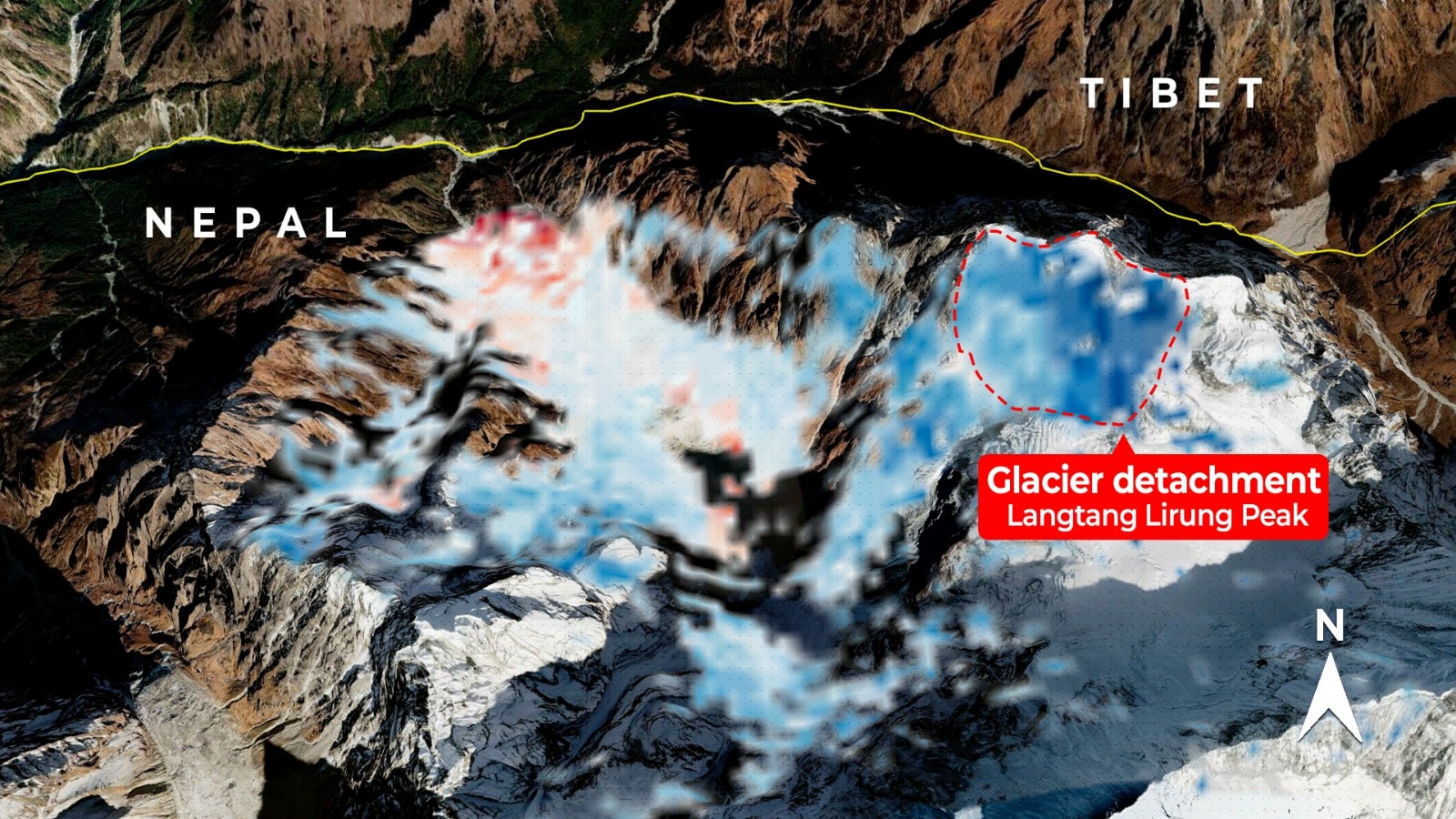
Satellite Radar May Strengthen Nepal's Flood Warning Systems
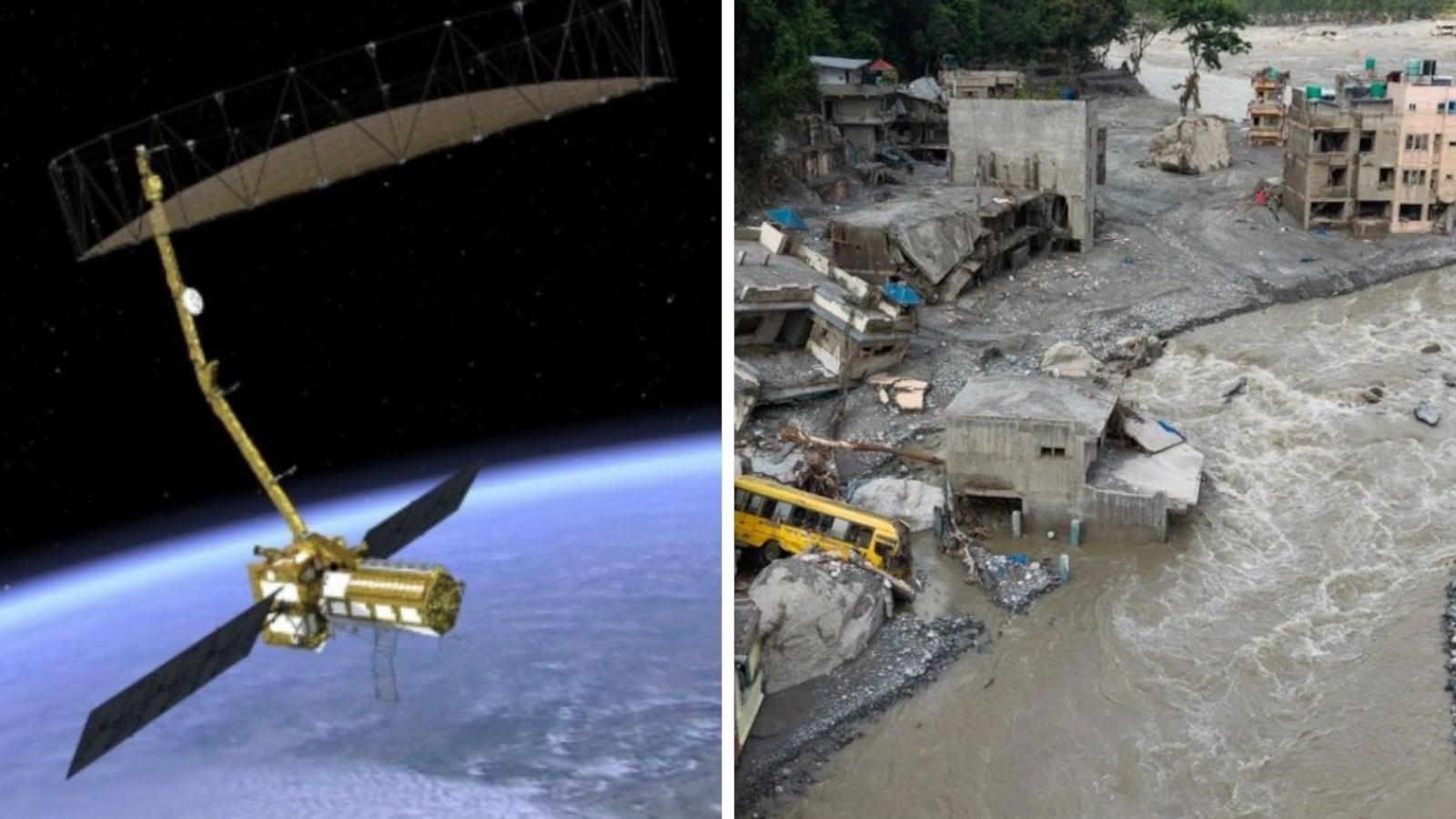
NISAR's Nepal Flood Silence Raises Questions About Disaster Readiness

India’s Space Ambitions Expand From Moon to Mars, Venus