1 hr ago
ISRO’s EOS-05 Set to Track India Every 30 Minutes
ISRO is preparing to launch a satellite called EOS-05.
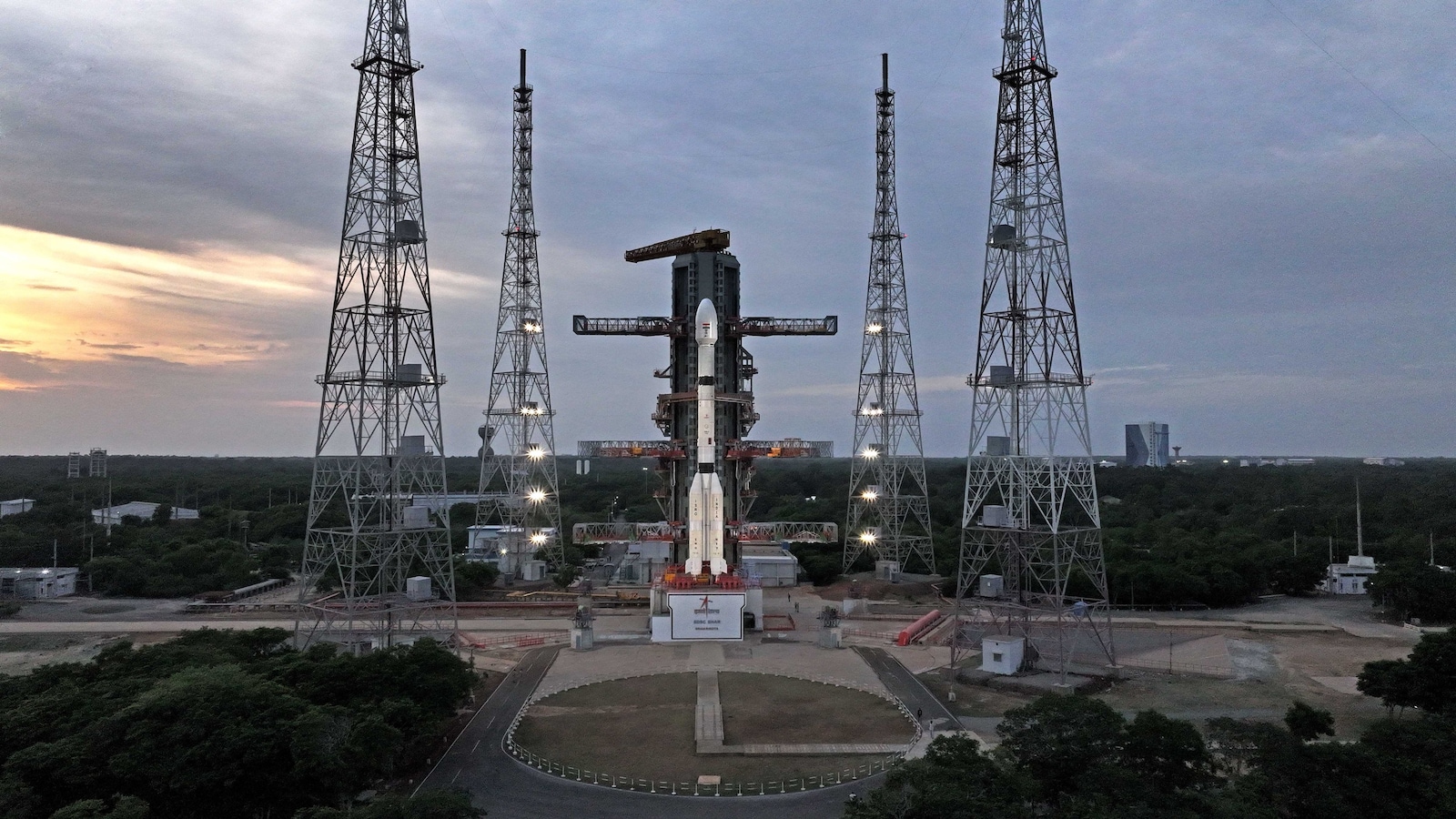
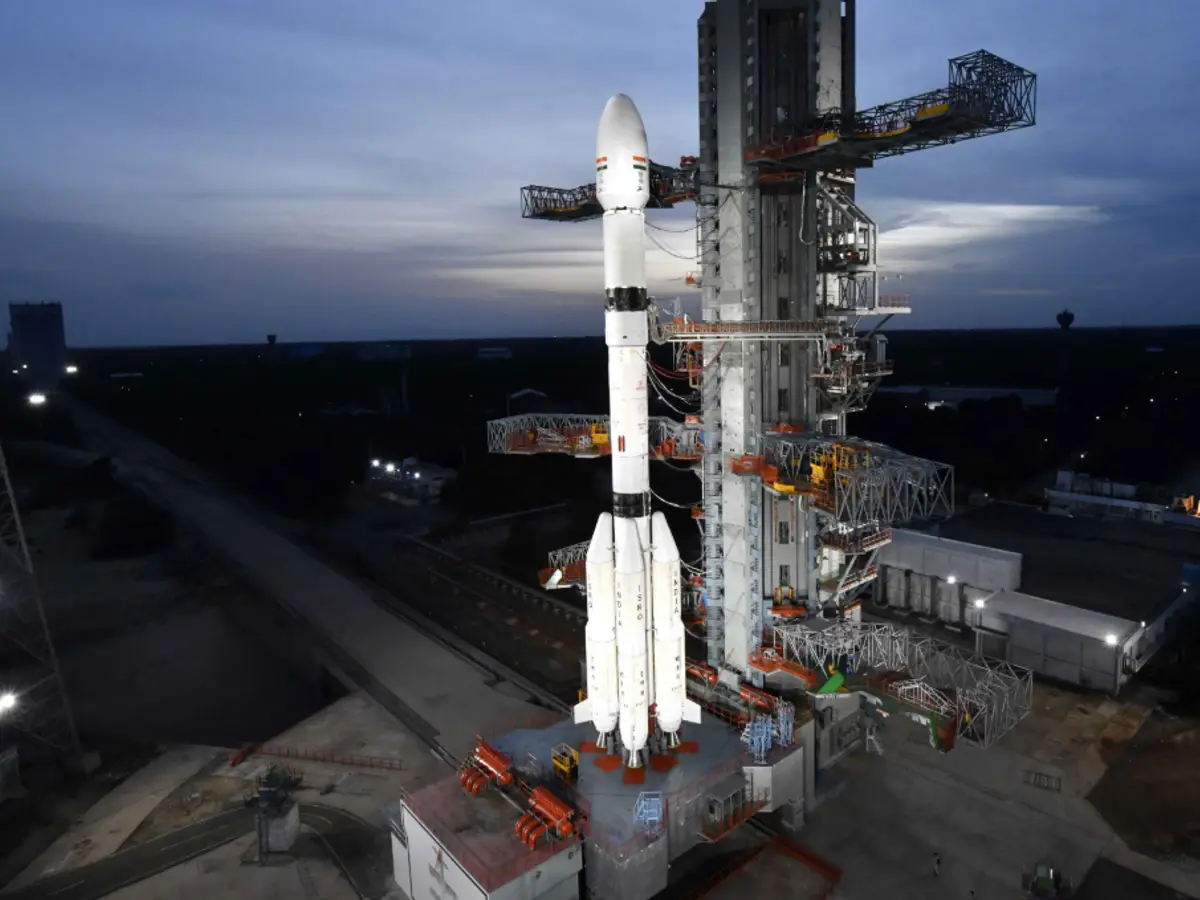
It will be carried by a rocket called GSLV-F17 from Sriharikota.
The satellite is meant to watch India from very high above Earth.
It should take new pictures of the country about every 30 minutes.
These pictures could help people follow cyclones, floods, fires and other fast-changing events.
They may also help with farming, forests and weather studies.
The rocket will not take the satellite all the way to its final orbit.
EOS-05 must use its own engines to climb higher after the rocket releases it.
The mission is important because ISRO has recently experienced several launch and satellite-orbiting problems.

ISRO plans to launch the 2,367-kilogram EOS-05 satellite aboard GSLV-F17 at 2:55 a.m. on Friday from Sriharikota.
EOS-05 is designed to observe India from geosynchronous orbit and provide imagery roughly every 30 minutes.
The satellite could support monitoring of cyclones, floods, cloudbursts, forest fires, agriculture and forestry.
GSLV-F17 will release EOS-05 into a sub-geosynchronous transfer orbit, after which the satellite must raise itself using onboard propulsion.
The mission follows recent PSLV failures and the 2025 GSLV mission in which NVS-02 failed to reach its intended orbit.
- Who
- The Indian Space Research Organisation (ISRO) is preparing to launch EOS-05 aboard the GSLV-F17.
- What
- A 2,367-kilogram Earth-observation satellite will be launched and then maneuvered toward geosynchronous orbit.
- Where
- From the Second Launch Pad at the Satish Dhawan Space Centre in Sriharikota, India.
- When
- The launch is scheduled for Friday at 2:55 a.m.; the article does not specify the calendar date.
- Why
- EOS-05 is intended to provide imagery of India about every 30 minutes and support disaster monitoring, resource management, agriculture, forestry and weather applications.
Key facts
- Satellite
- EOS-05, also known as GISAT-1A
- Launch vehicle
- GSLV-F17, the 19th flight of the GSLV
- Satellite mass
- 2,367 kilograms
- Planned launch time
- 2:55 a.m. on Friday
- Initial orbit
- Approximately 170 kilometers by 28,934 kilometers
- Target orbit
- Geosynchronous orbit, roughly 36,000 kilometers above the equator
- Expected revisit interval
- About 30 minutes over the Indian landmass
Sources
Related news
ISRO Sets September Launch for EOS-05 Earth-Imaging Satellite
ISRO Plans EOS 5 Comeback Launch After PSLV Setbacks
India’s GSLV-F17 Set to Launch EOS-05 From Sriharikota
ISRO’s ‘Naughty Boy’ GSLV Faces Crucial EOS-5 Launch
ISRO’s GSLV to Carry Heaviest Payload in 25 Years

ISRO Chief Prays at Tirumala Ahead of EOS-05 Launch