1 hr ago
ISRO’s GSLV to Carry Heaviest Payload in 25 Years

ISRO is preparing to launch a large satellite called EOS-05.
The satellite will be carried by India’s GSLV rocket from Sriharikota.
At 2,367 kilograms, it is the heaviest payload this rocket has carried in 25 years.
The rocket will first place it in an orbit that is lower than the usual transfer orbit.
The satellite will then use its own thrusters to climb higher.
Eventually, it is meant to reach an orbit about 36,000 kilometers above Earth.
The satellite will take detailed pictures of large areas.
These pictures may help monitor disasters, farming, forests, water bodies, storms and cyclones.

GSLV-F17 is expected to launch the 2,367-kilogram EOS-05 satellite from Sriharikota at 2:55 a.m. on Friday, September 4.
The mission will carry the heaviest payload in the GSLV’s 25-year operational history.
EOS-05, also called GISAT-1A, is a strategic Earth-imaging satellite and a replacement for the GISAT-1 lost in 2021.
The rocket will place the satellite into sub-GTO orbit, after which the satellite’s thrusters will raise it toward geostationary orbit.
The launch is expected to end ISRO’s seven-month launch lull following the PSLV-C62 failure in January 2026.
- Who
- The Indian Space Research Organisation, using the GSLV-F17 rocket, is launching the EOS-05/GISAT-1A satellite.
- What
- A 2,367-kilogram strategic Earth-imaging satellite will be launched into sub-GTO orbit before raising its orbit with onboard thrusters.
- Where
- The launch is scheduled from the second launchpad at the Satish Dhawan Space Centre in Sriharikota.
- When
- The launch is expected at 2:55 a.m. Indian time on Friday, September 4; the 27-hour, 30-minute countdown began at 11:25 p.m. on Wednesday.
- Why
- EOS-05 is intended to provide frequent, near-real-time images for disaster monitoring, agriculture, forestry, water-body analysis and other short-term events.
Key facts
- Mission
- GSLV-F17/EOS-05
- Payload
- EOS-05, also known as GISAT-1A
- Payload mass
- 2,367 kilograms
- Launch vehicle
- GSLV, also known as GSLV Mk2
- Planned launch time
- 2:55 a.m. Indian time on Friday, September 4
- Initial orbit
- Sub-GTO orbit with a perigee of 170 kilometers and an apogee of 28,934 kilometers
- Final orbital destination
- Geostationary orbit, approximately 36,000 kilometers above Earth
- Satellite purpose
- Frequent Earth imaging for disaster, weather, agriculture, forestry and water monitoring
Sources
Related news
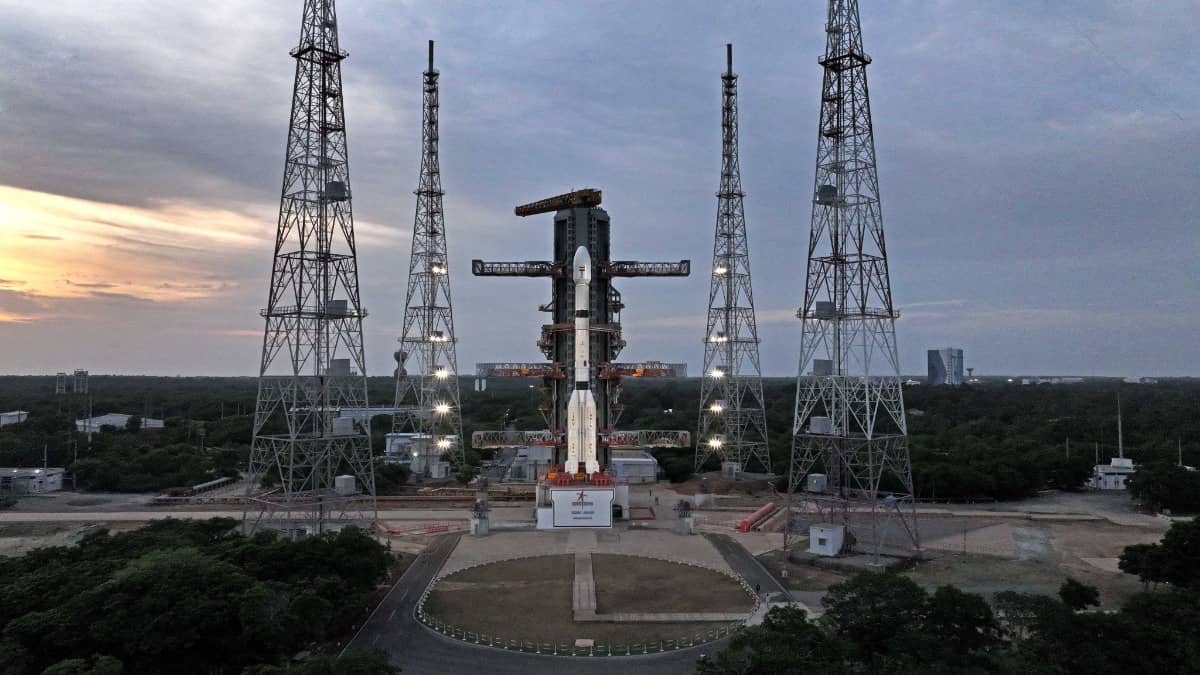
ISRO Sets September Launch for EOS-05 Earth-Imaging Satellite
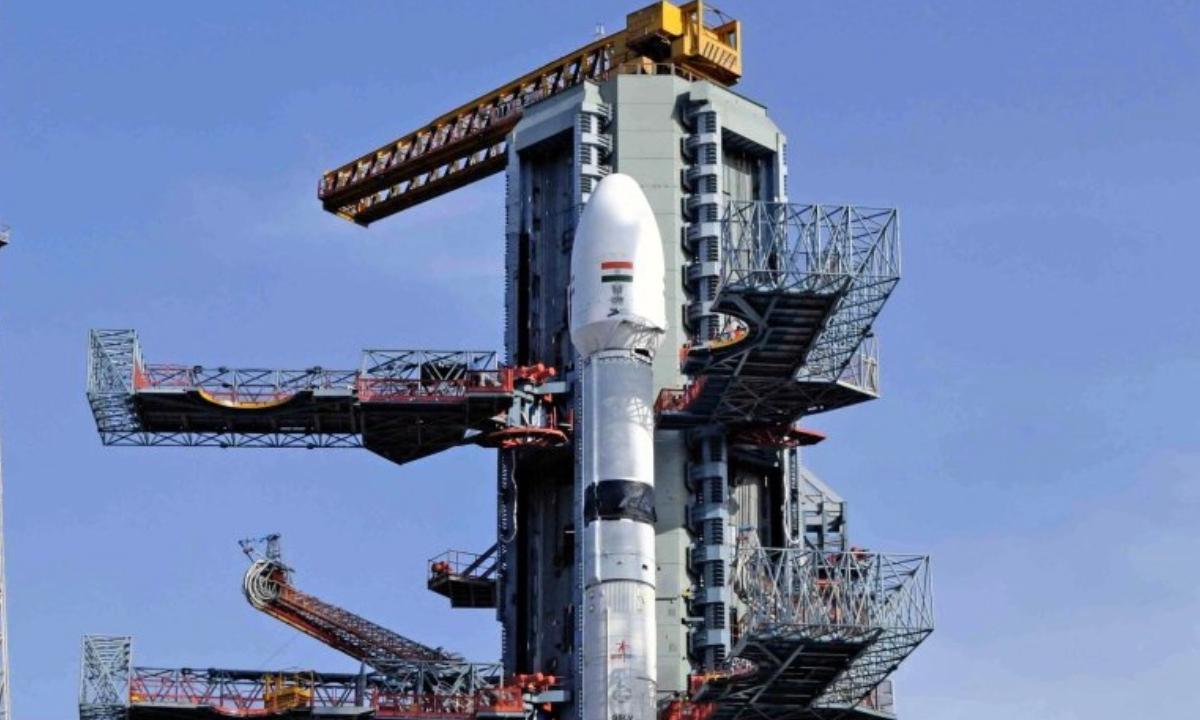
India’s GSLV-F17 Set to Launch EOS-05 From Sriharikota
ISRO Plans EOS 5 Comeback Launch After PSLV Setbacks

ISRO Chief Prays at Tirumala Ahead of EOS-05 Launch
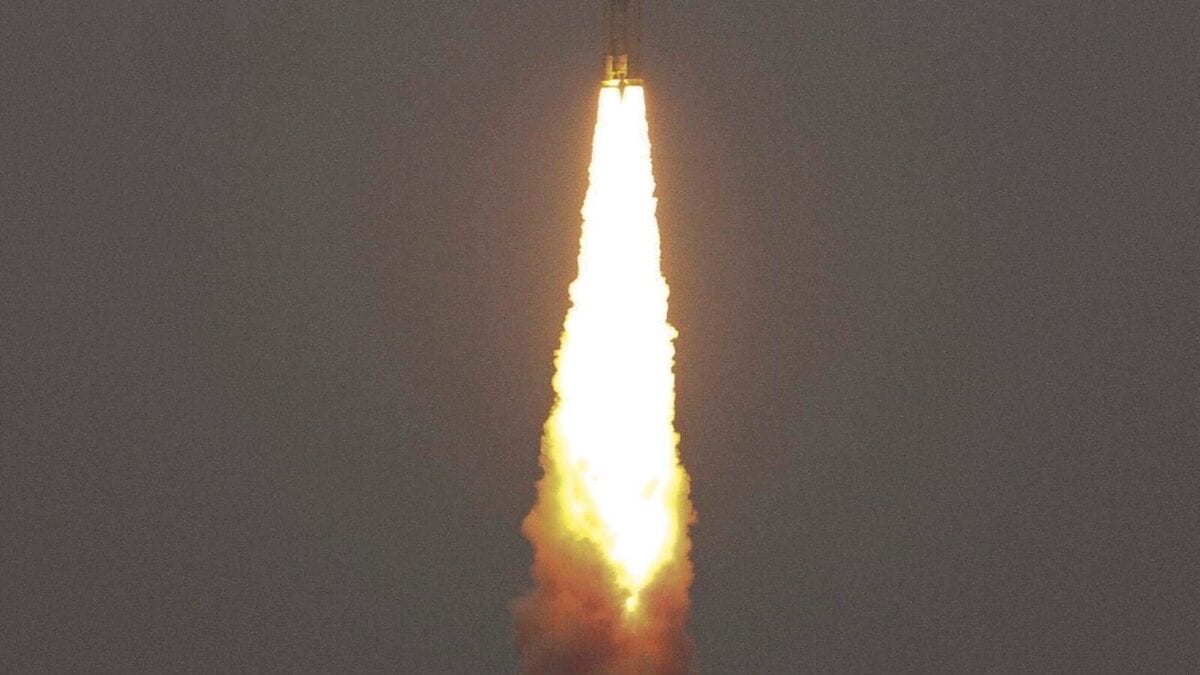
ISRO Plans September GSLV Mk-II Launch After Eight-Month Pause

Congress Accuses Modi Government of Planning ISRO Privatization