15 hrs ago
Indus Treaty Dispute Tests International Law Against Security Threats
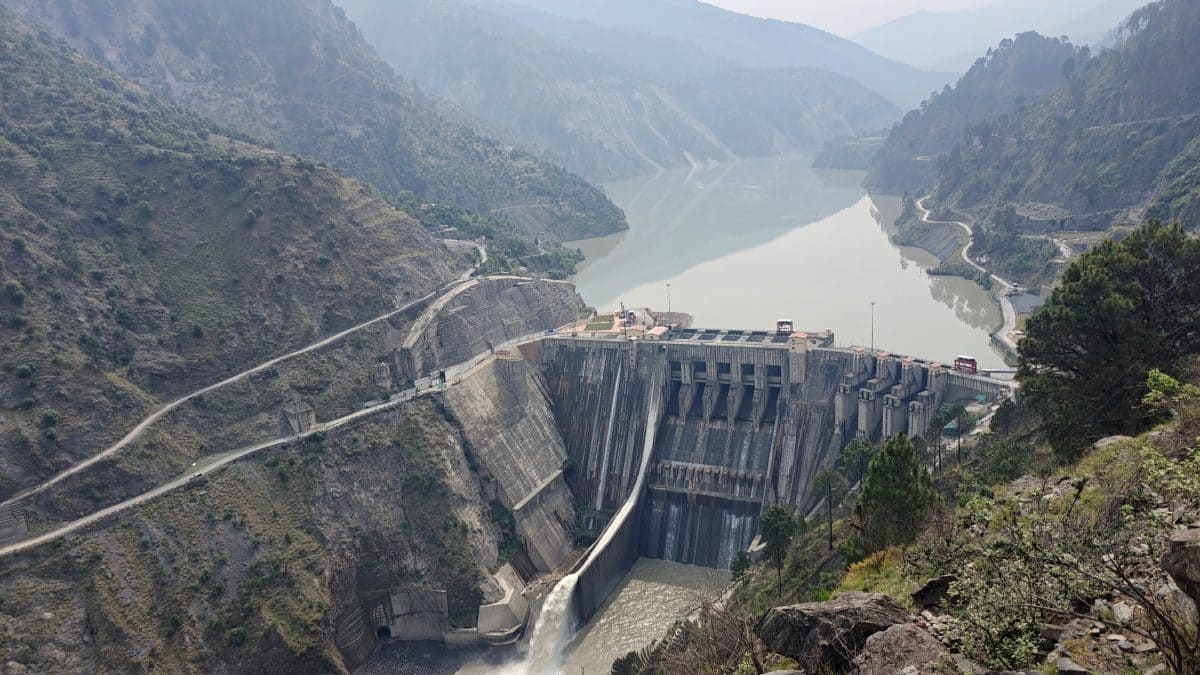
A treaty between India and Pakistan divides the water of the Indus river system.
After an attack in Pahalgam killed 26 people, India said it would stop following the treaty for now.
India blamed Pakistan-based militants, but Pakistan denied being involved.
Pakistan said the treaty was still valid.
A legal tribunal later said India could not suspend the treaty by itself.
India rejected the tribunal’s authority and said its decision still stands.
The disagreement is about both water and how countries should follow treaties during serious security problems.
It could influence how other countries handle treaties when terrorism or conflict is involved.

India declared the Indus Waters Treaty in abeyance after the April 22, 2025, Pahalgam attack, blaming Pakistan-based militants.
Pakistan denied involvement and maintained that the treaty remained fully operative.
A Court of Arbitration ruled in August 2026 that the treaty remains in force and that India’s unilateral suspension was not legally authorized.
India rejected the tribunal’s authority, arguing that it was illegally constituted and had no jurisdiction over the abeyance decision.
The dispute raises broader questions about balancing counterterrorism, national security, treaty obligations and international legal stability.
- Who
- India, Pakistan and a Court of Arbitration constituted under the Indus Waters Treaty are the main parties; the treaty concerns the two countries.
- What
- India declared the Indus Waters Treaty in abeyance, while Pakistan and the tribunal disputed the legality of that action.
- Where
- The dispute concerns the Indus river system and has been addressed by a tribunal based in proceedings registered by the Permanent Court of Arbitration in The Hague.
- When
- India announced the abeyance within 48 hours of the April 22, 2025, Pahalgam attack; the tribunal issued a supplemental award in June 2025 and a unanimous award on August 31, 2026.
- Why
- India linked its action to alleged Pakistani support for cross-border terrorism, while Pakistan and the tribunal maintained that the treaty does not permit unilateral suspension.
India’s Security and Sovereignty Position
Pakistan’s Treaty and Tribunal Position
Whether the treaty can be suspended
India’s Security and Sovereignty Position
India argues that it need not continue a cooperative framework benefiting a neighbour that it says supports terrorism against India, and maintains that its abeyance decision stands.
Pakistan’s Treaty and Tribunal Position
Pakistan and the tribunal argue that the treaty contains no unilateral suspension clause and that Article XII provides for termination through mutual agreement.
Authority of the arbitration tribunal
India’s Security and Sovereignty Position
India says the tribunal was illegally constituted, lacks jurisdiction and cannot decide what India considers a sovereign decision.
Pakistan’s Treaty and Tribunal Position
The tribunal ruled in July 2023 that it was competent to hear the dispute and later held that India’s abeyance declaration could not limit its competence.
Security versus treaty stability
India’s Security and Sovereignty Position
India’s position is that water-sharing cooperation cannot be separated from the security environment when cross-border terrorism is involved.
Pakistan’s Treaty and Tribunal Position
The tribunal’s position is that national security concerns do not automatically authorize unilateral disregard of treaty obligations, particularly where the treaty specifies no such ground.
Key facts
- Treaty
- The Indus Waters Treaty was concluded in 1960 with facilitation from the World Bank.
- Treaty function
- It apportions the waters of the Indus system between India and Pakistan.
- Triggering attack
- Gunmen killed 26 tourists near Pahalgam in Jammu and Kashmir on April 22, 2025.
- India’s position
- India said the treaty would remain in abeyance until Pakistan credibly and irrevocably rejected support for cross-border terrorism.
- Pakistan’s position
- Pakistan denied involvement in the attack and said the treaty remained fully operative.
- Tribunal ruling
- On August 31, 2026, the Court of Arbitration found that the treaty remained in force and that India’s unilateral abeyance was unauthorized.
- Earlier proceedings
- Pakistan initiated the arbitration in August 2016 over India’s Kishenganga and Ratle hydroelectric projects.
Sources
Related news
India Keeps Indus Treaty Suspended as Pakistan Warns Region

India Rejects Hague Ruling Upholding Pakistan Water Treaty
Hague Court Says India Must Uphold Indus Waters Treaty
India Rejects Hague Award, Keeps Indus Waters Treaty Suspended
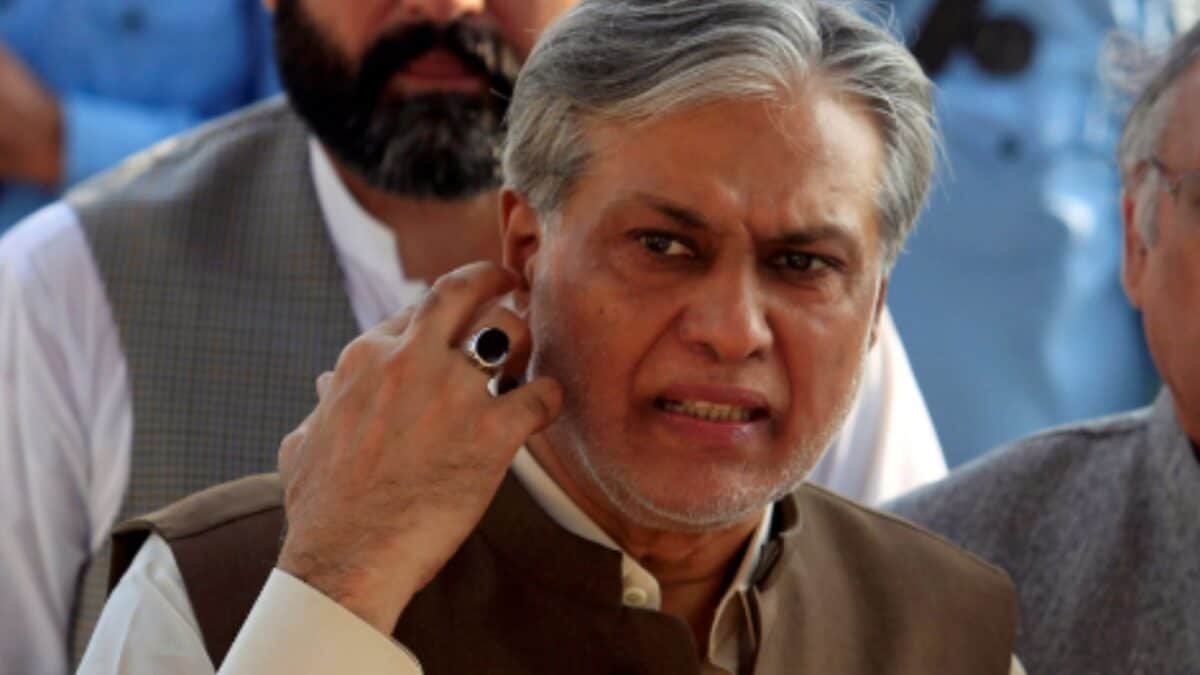
India, Pakistan Clash Over Indus Waters Treaty Compliance
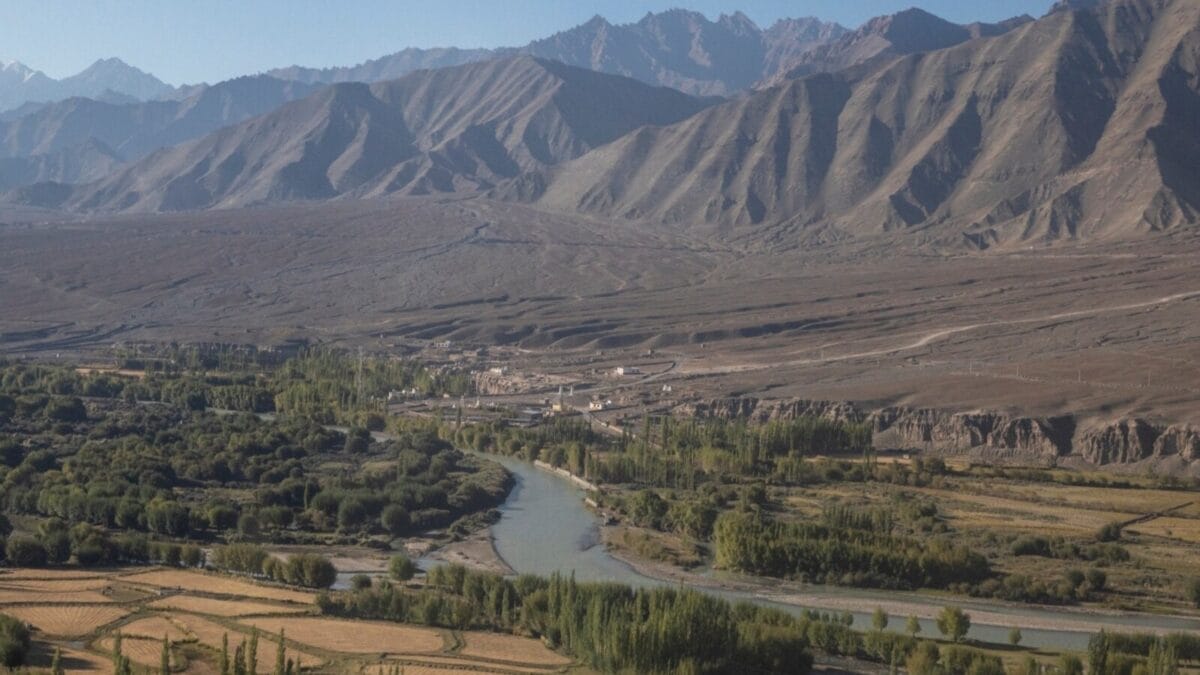
India Rejects PCA Orders in Indus Waters Treaty Dispute

Brijendra Singh Choudhary Stripped of Asian Beach Games Silver
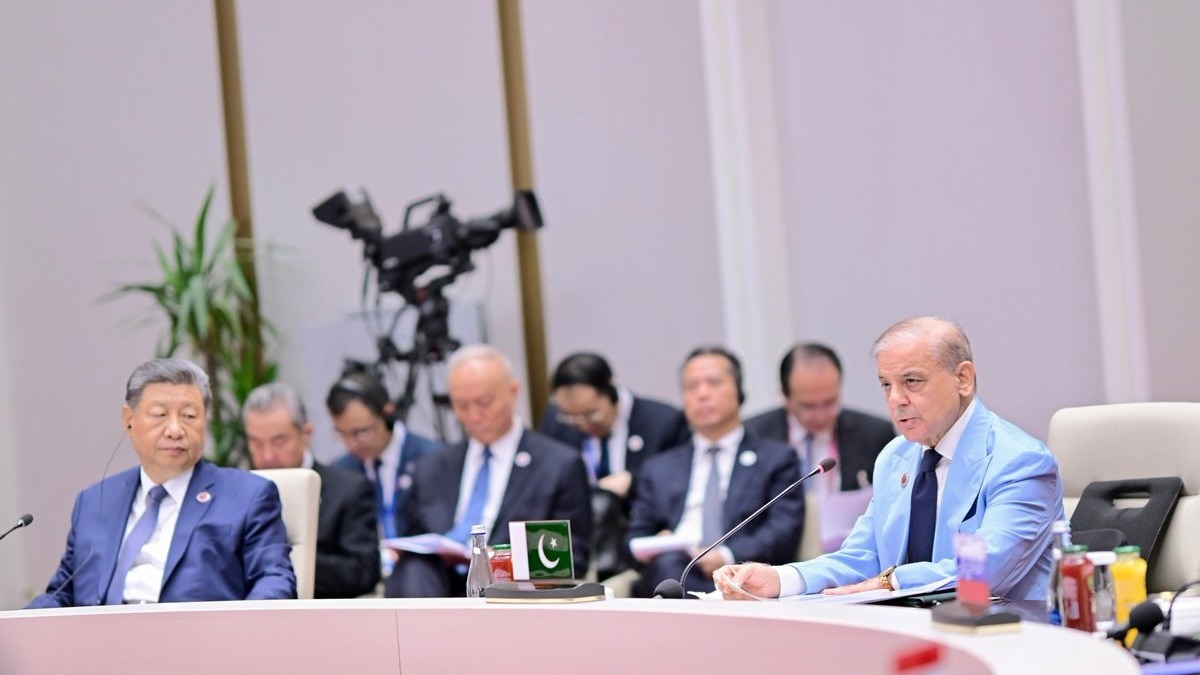
Pakistan Raises Indus Treaty Concerns as India Rejects Hague Ruling

Mykhailo Mudryk Joins Tottenham on Season-Long Chelsea Loan

Churchill Brothers Acquire Jamshedpur FC, Set for ISL Entry