3 hrs ago
Mineral Tax Reform Pits National Economic Integration Against State Revenues

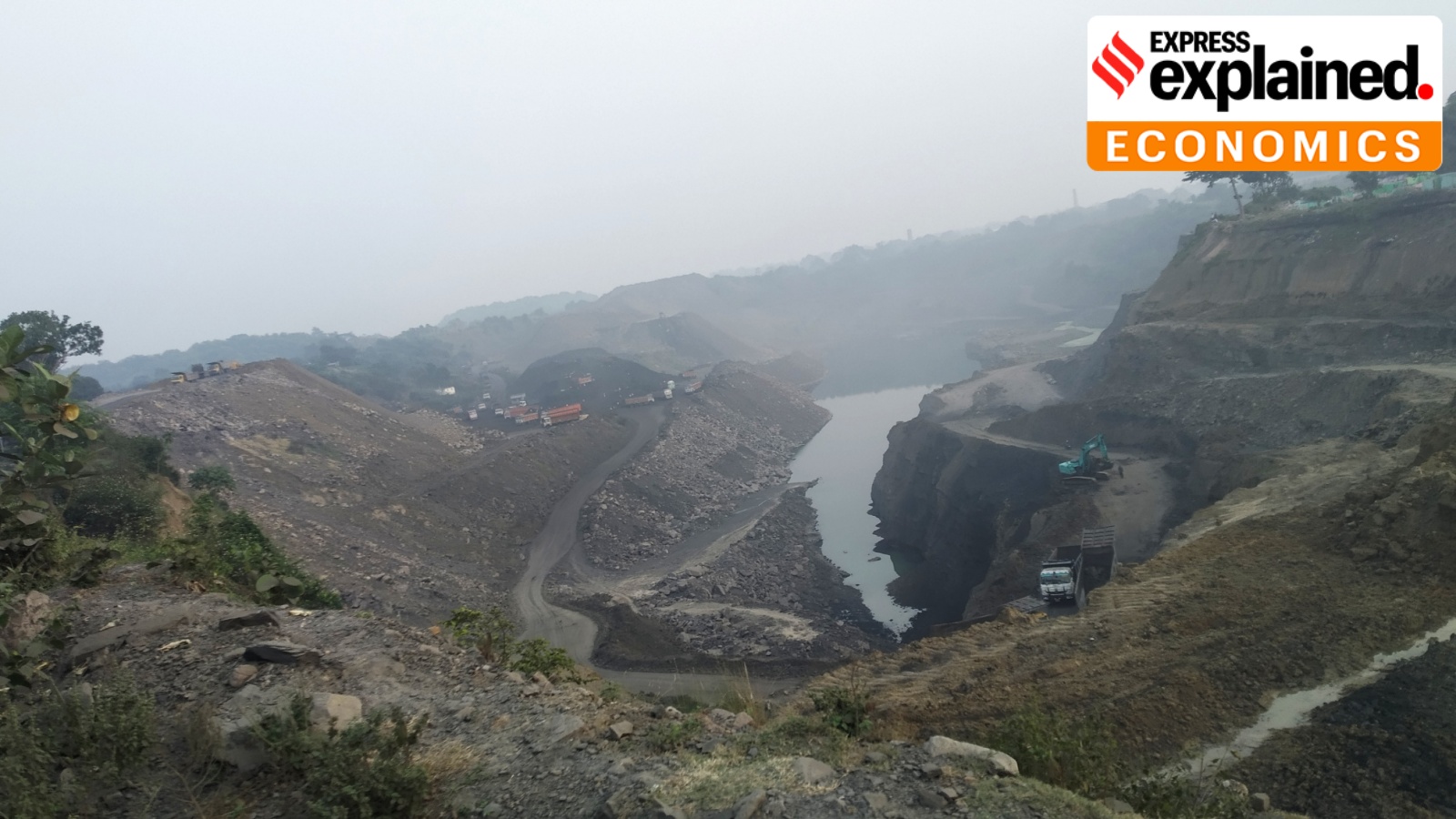
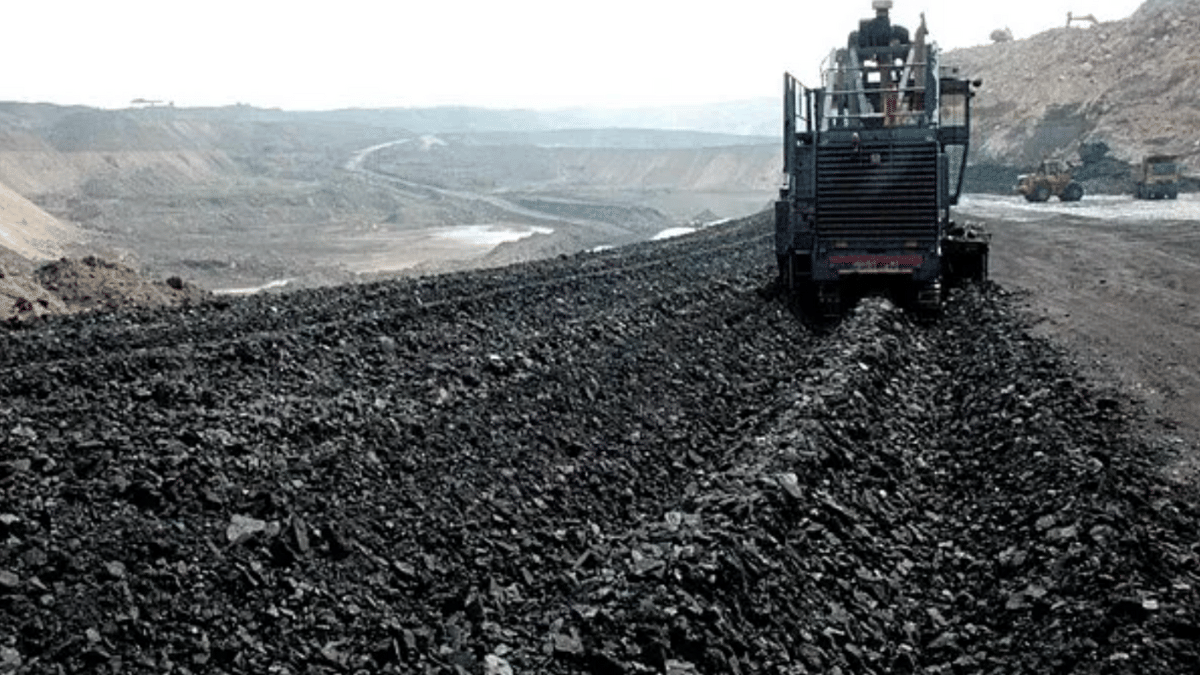
India uses minerals such as coal, iron ore and limestone to make electricity, steel and cement.
These materials are mined in some States but are used across the country.
The article says that extra taxes on mines could make many national projects more expensive.
In 2024, the Supreme Court said that States can tax mineral rights under the Constitution.
Jharkhand then created a new cess on land containing minerals.
Jharkhand says this money is important for its own budget and development.
The Union government and the article’s author argue that the country needs predictable mineral costs and a common framework.
The article also says mineral-rich States should invest this temporary resource income in lasting assets such as schools, hospitals, roads and industries.

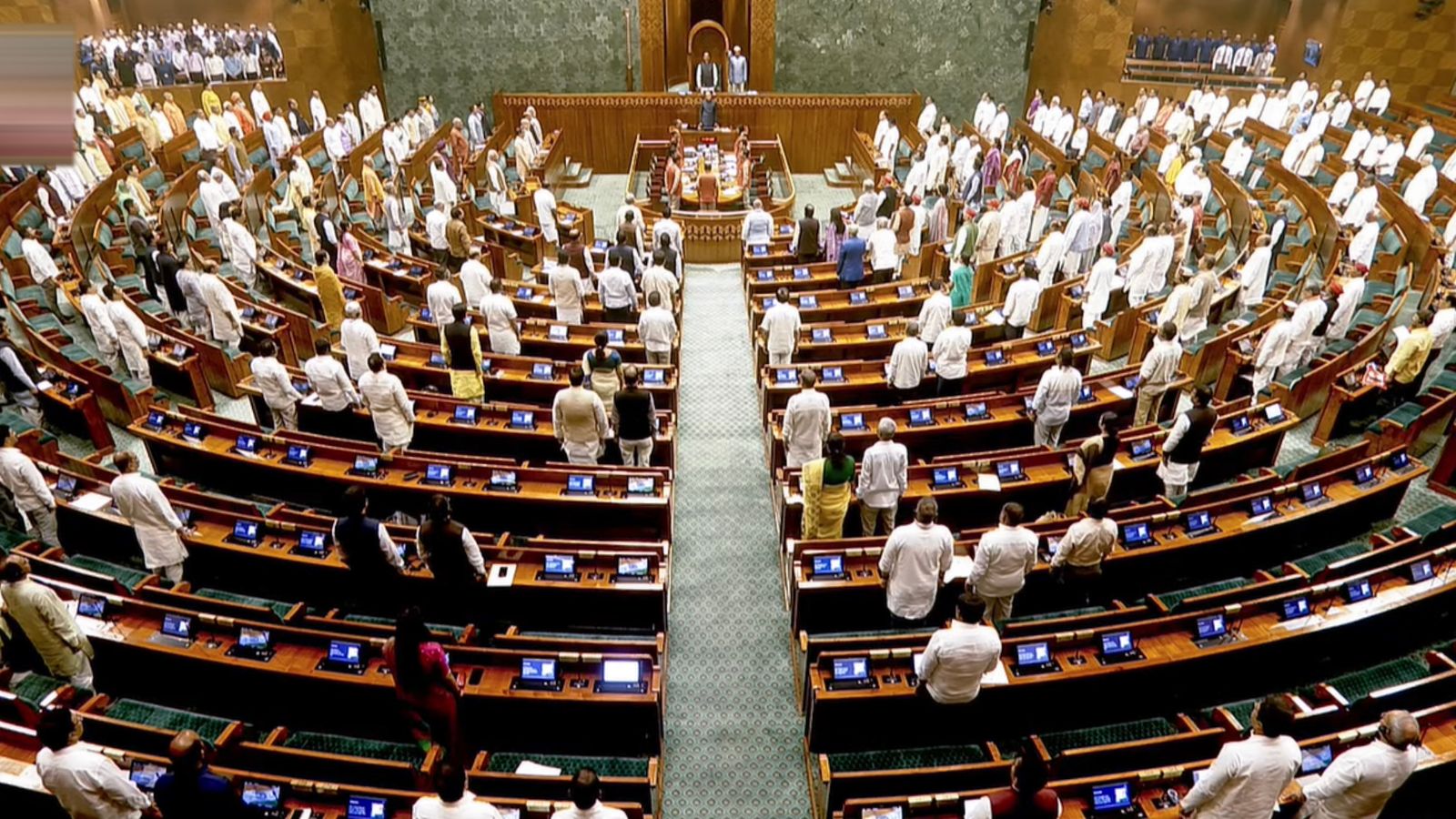
The Mines and Minerals Amendment Act, 2026 seeks a more uniform national framework for mineral-related taxation.
The Supreme Court’s 2024 ruling held that royalty is not a tax and affirmed States’ power to tax mineral rights.
Jharkhand introduced a mineral-bearing land cess after the ruling, collecting about Rs 1,379 crore in 2024-25, according to figures cited by the State government.
The article argues that additional State levies could raise costs for power, steel, cement, infrastructure and consumers nationwide.
It also urges Jharkhand to direct mineral revenues toward long-term infrastructure, human capital and productive investment rather than mainly recurring expenditure.
- Who
- The Union government, mineral-producing States including Jharkhand, Chief Minister Hemant Soren, and the Jharkhand Mukti Morcha are central to the debate.
- What
- Parliament’s Mines and Minerals Amendment Act, 2026 seeks to limit fragmented State-level mineral taxes and create greater uniformity.
- Where
- The debate concerns India’s national mineral supply chains, with particular focus on Jharkhand and other mineral-producing States.
- When
- The dispute follows the Supreme Court’s July 2024 ruling; Jharkhand’s cess was enacted in 2024, and the amendment was passed in 2026.
- Why
- Supporters say uniformity is needed to prevent higher national industrial costs, while Jharkhand argues that States should retain legitimate revenues from resources extracted within their territory.
National Economic Uniformity
State Fiscal Autonomy
Mineral taxation
National Economic Uniformity
The Union government and the article’s author argue that fragmented State taxes and cesses could raise the cost of essential inputs throughout India’s economy.
State Fiscal Autonomy
Jharkhand argues that mineral-producing States have a legitimate constitutional and fiscal claim to revenue from resources extracted within their territory.
Impact of the amendment
National Economic Uniformity
Supporters say the Mines and Minerals Amendment Act, 2026 establishes predictability and protects national industrial supply chains without eliminating States’ main mining revenues.
State Fiscal Autonomy
Hemant Soren has warned that the legislation could deprive Jharkhand of thousands of crores and has announced a statewide agitation.
Use of mineral revenue
National Economic Uniformity
The article argues that finite mineral income should fund permanent productive assets and raise Jharkhand’s long-term capacity.
State Fiscal Autonomy
The State’s welfare allocations reflect the view that mineral revenues can also support current social programs, although the article questions the balance between recurring and capital expenditure.
Key facts
- Supreme Court ruling
- In July 2024, an 8:1 Constitution Bench majority held that royalty is not a tax and affirmed States’ power to tax mineral rights.
- Jharkhand cess
- The State enacted the Jharkhand Mineral Bearing Land Cess Act, 2024 after the ruling.
- Reported collection
- Jharkhand’s State government cited collections of about Rs 1,379 crore in 2024-25, with a sharp rise in 2025-26.
- Welfare allocations
- Jharkhand’s 2025-26 Budget allocated Rs 13,363 crore to the Maiya Samman Yojana and about Rs 5,000 crore for free electricity.
- Central concern
- The article argues that multiple mineral levies could increase costs for electricity, steel, cement, infrastructure and consumers.
- Proposed use of revenues
- The article advocates investing mineral income in infrastructure, education, healthcare, skills and industrial capacity.
Sources
Related news

MMDR Amendment Bill 2026 Sparks State-Centre Mining Tax Battle
Parliament Passes Mines and Minerals Amendment Bill Curbing State Levies
India's mining tax overhaul reignites Centre-state tussle over revenue

Parliament Passes Mining Bill Limiting State Mineral Levies
India Bill Bars States From Taxing Mineral Rights and Land
Centre Bars States From Levying Taxes on Mineral Rights

Sangma Says Meghalaya Government Stable Amid BJP-UDP Speculation

Abhishek Banerjee Alleges BJP Attack on Kolkata TMC Office

Pune Police Detain Santosh Pandit Over Video Targeting Minister Patil
Shiv Sena(UBT) Calls Maharashtra Drug-Free Pledge Hypocritical and Event-Driven
Modi Signals More Responsive Approach After Student Protests