1 week ago
India's Response to Mecca Pact Faces Strategic Test
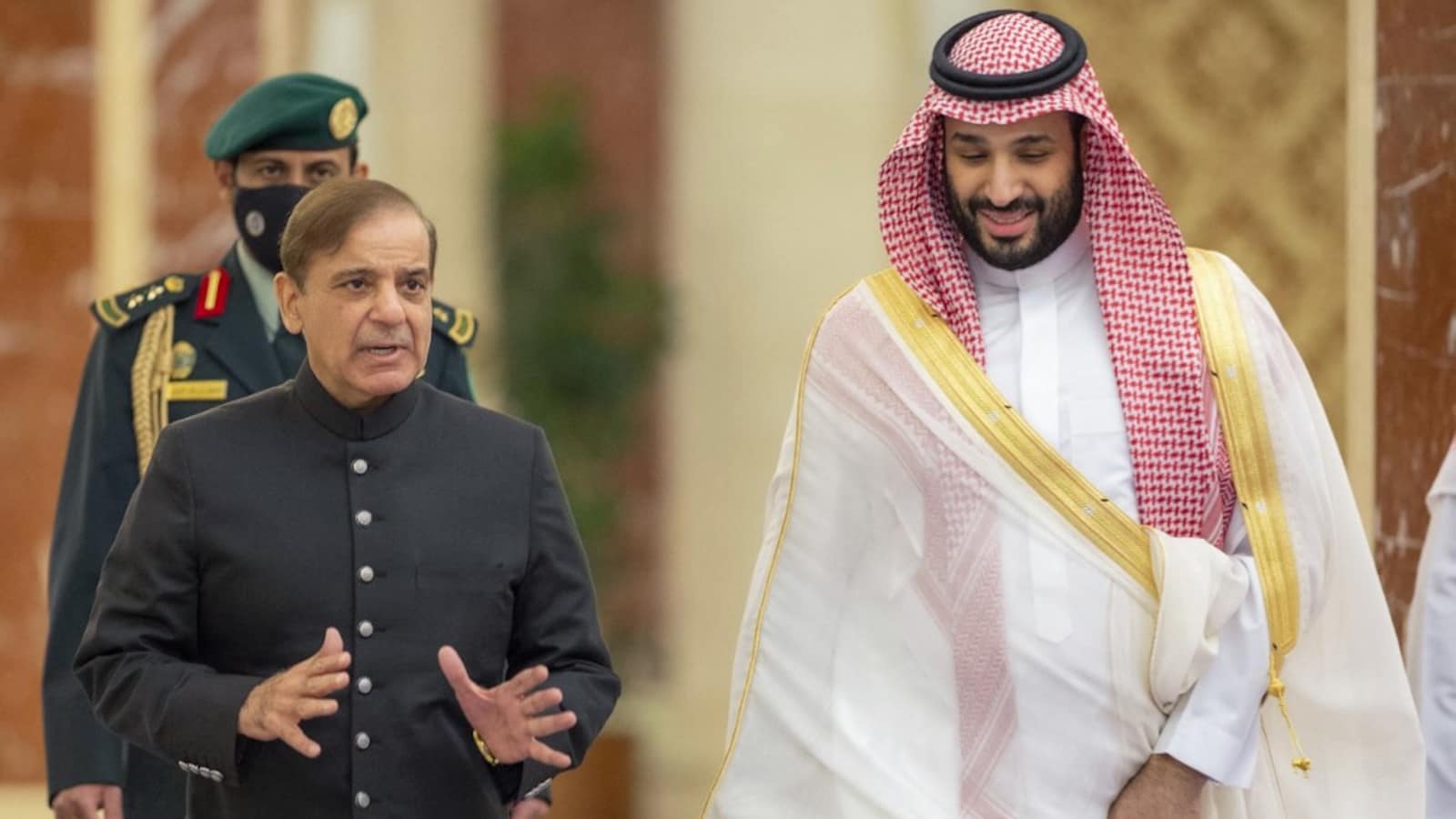
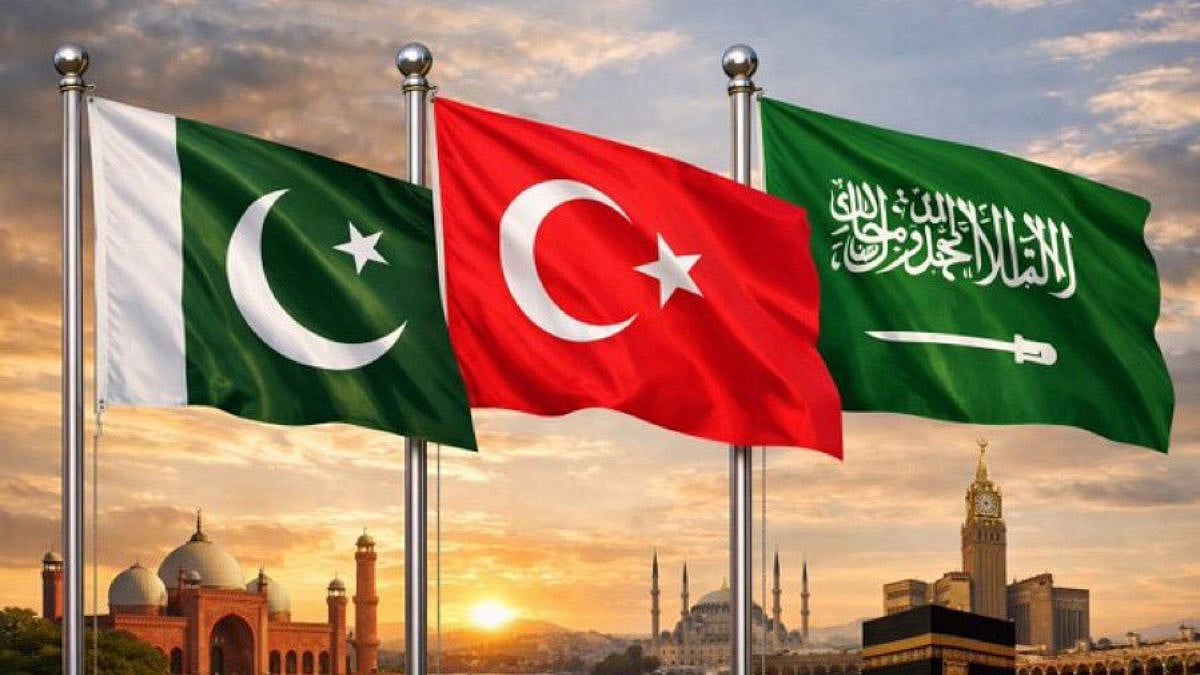
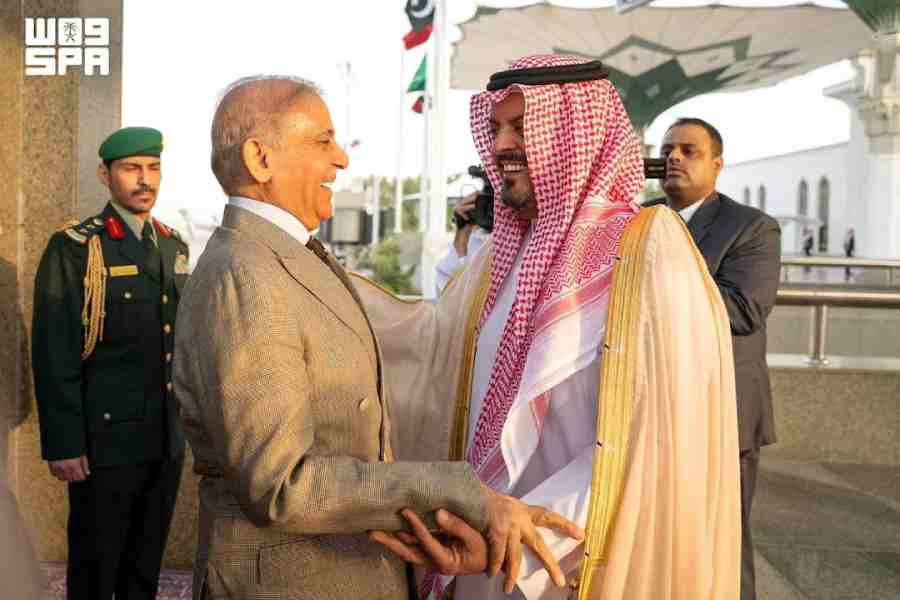
Saudi Arabia, Turkey, and Pakistan have made a new security agreement.
It says that an attack on one country could be treated as an attack on all three.
However, the countries have not explained exactly what help they must provide.
The article says their armies may not be able to fight large wars far from home.
Pakistan wants money and diplomatic support, Saudi Arabia wants more protection, and Turkey wants defence-industry markets and greater influence.
A missile attack on Saudi Arabia soon after the pact also raised questions about how useful the agreement is.
Still, the author says India should not ignore it.
India should strengthen partnerships with countries such as the United Arab Emirates, Israel, Greece, Cyprus, and Armenia while continuing to engage Iran.

The trilateral Mecca security pact links Saudi Arabia, Turkey, and Pakistan alongside an existing Saudi-Pakistani defence agreement.
The pact's collective-defence obligations remain unclear because its text has not been made public.
The article questions whether the three countries have the military and economic strength to conduct sustained operations for one another.
Pakistan, Saudi Arabia, and Turkey appear to view the arrangement as serving different financial, security, diplomatic, and industrial interests.
The author urges India to build stronger regional partnerships while remaining engaged with Iran and monitoring the pact closely.
- Who
- Saudi Arabia, Turkey, and Pakistan are the parties to the Mecca security pact; the article focuses on its implications for India.
- What
- A trilateral security arrangement promises collective deterrence and treats an armed attack on one member as an attack on all, although its obligations are undisclosed.
- Where
- The arrangement concerns Mecca and the broader West Asian regional security environment.
- When
- The pact followed months of discussions; the article does not provide an exact signing date and says Houthi missiles struck Saudi Arabia within hours of it.
- Why
- The countries are seeking different benefits, including protection for Saudi Arabia, financial and diplomatic support for Pakistan, and defence-industry markets and influence for Turkey.
Strategic Concern
Alliance Skepticism
Implications for India
Strategic Concern
If Pakistan gains Saudi funding and advanced technology through Turkey, the arrangement could create a serious security challenge for India.
Alliance Skepticism
The pact may be too weak and internally contradictory to function as a durable military alliance.
Collective defence
Strategic Concern
The agreement could become a meaningful regional security framework and should therefore be treated as a development India cannot ignore.
Alliance Skepticism
Its secret obligations, differing national interests, and limited ability to conduct out-of-area operations make military intervention unlikely.
India's policy
Strategic Concern
India should strengthen security partnerships with regional countries and avoid waiting for the pact to fail.
Alliance Skepticism
The pact's limitations suggest that India need not become alarmed, although the article still argues against dismissing it.
Key facts
- Pact members
- Saudi Arabia, Turkey, and Pakistan
- Existing agreement
- Saudi Arabia and Pakistan already have a Strategic Mutual Defence Agreement.
- Collective-defence wording
- The pact reportedly treats an armed attack on one member as an attack on all three.
- Transparency
- The pact's text and specific defence obligations have not been made public.
- Immediate test
- The article says Houthis fired missiles at Saudi Arabia within hours of the pact, without a visible response from the new partners.
- Pakistan's interests
- Pakistan is described as seeking financial, diplomatic, and political support.
- India's proposed response
- The author recommends stronger bilateral and multilateral security partnerships while maintaining engagement with Iran.
Sources
Related news
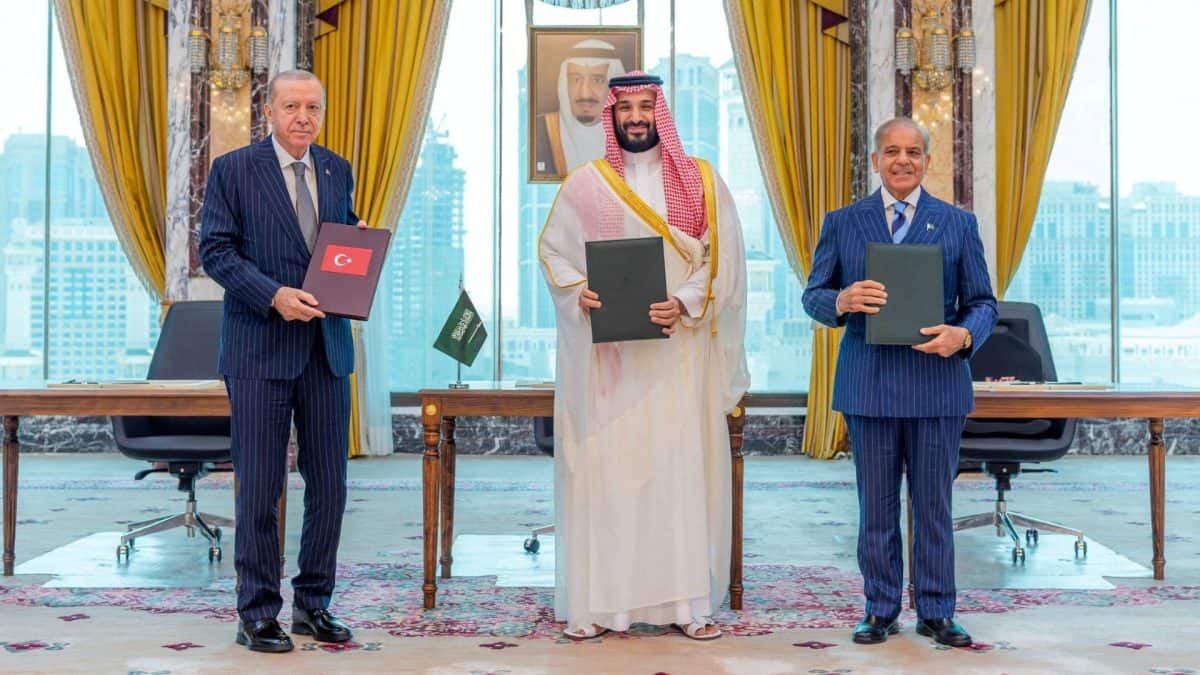
India has no reason to fear Saudi-Turkey-Pakistan Mecca pact

Saudi Arabia, Turkey, Pakistan Sign Mecca Defence Agreement
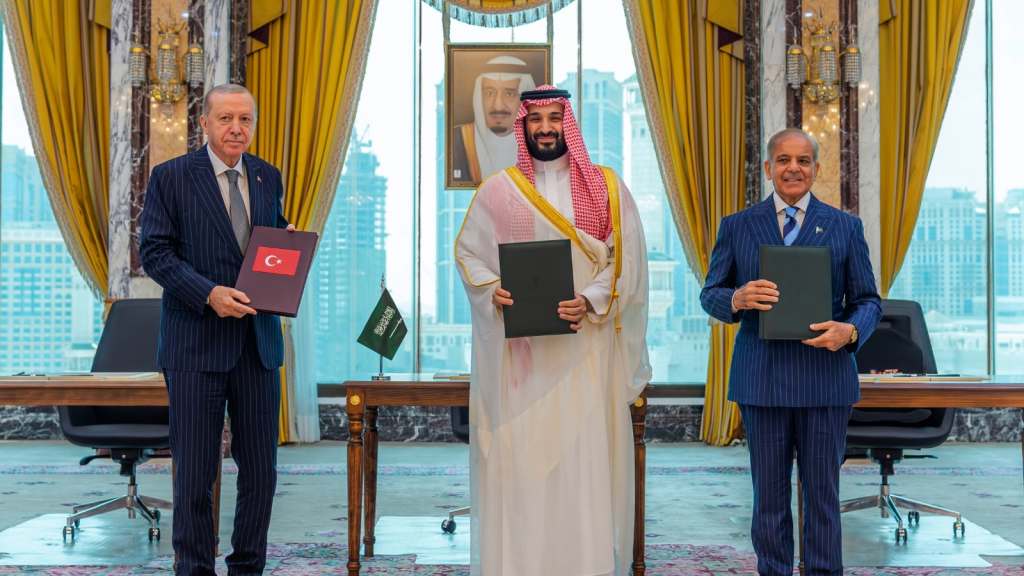
India urged to respond carefully to Pakistan-Saudi-Turkey defence pact
Saudi-Turkey-Pakistan Defence Pact Raises Security Concerns For India
Pakistan, Saudi Arabia and Turkey Sign Mutual Defence Pact
Pakistan seeks Mecca pact front against Israel and India

UPI Accepted in 11 Countries, But Payments Vary

Serbia’s Burned Dunes Prompt Debate Over Future Forests
UPI Hits Record August Volume as Festive Demand Fuels Growth

Greece Offers Skiing, Ancient Sites, Hiking, and Winter City Breaks
Israel and Greece Sign €3 Billion Achilles Shield Deal