1 day ago
Serbia’s Burned Dunes Prompt Debate Over Future Forests

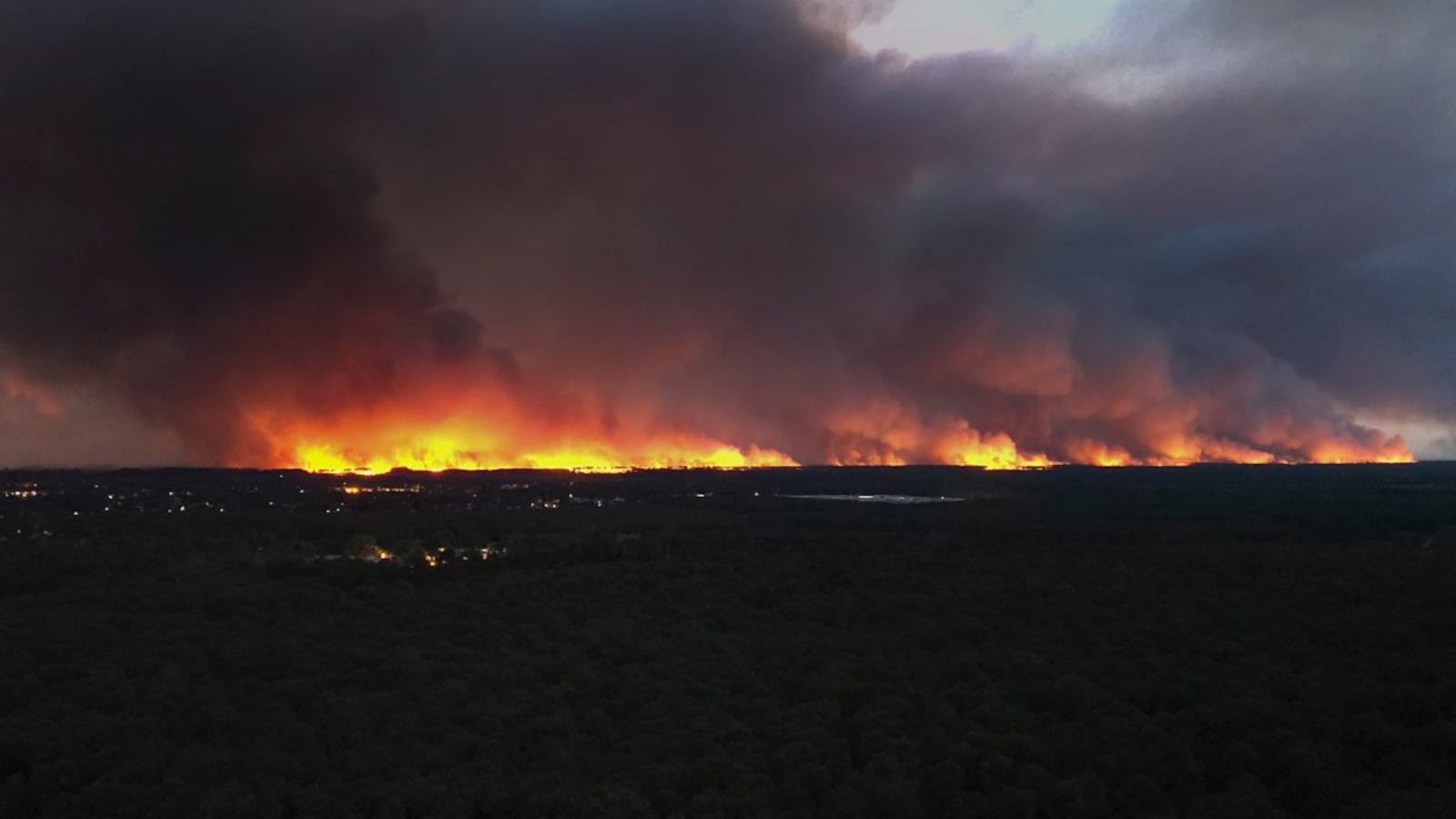
A large fire burned part of a special sandy forest area in Serbia.
Foresters now have to decide how to help the land recover.
They must first study the damage, which could take about a year.
Some burned trees may need to be removed slowly so they do not cause more fires or attract harmful beetles.
The area has traditionally had black pine and black locust trees.
Experts are considering other trees, such as oak, ash, poplar and birch, because some existing trees burn easily.
One expert says it may be better to wait several years before planting many new trees in safe areas.
Another expert says special planting methods may be needed to help sandy soil hold water.
The decisions are meant to help the reserve cope with hotter weather and more wildfires.

A wildfire scorched Serbia’s Deliblatska Pescara reserve more than a month before foresters began planning restoration.
Experts say assessing the damage alone could take about a year, followed by gradual removal of weakened and burned trees.
Foresters are considering birch, poplar, ash and oak as alternatives to highly flammable black pine and black locust.
The European Forest Fire Information System identifies 2023–2025 as Serbia’s worst three-year fire period this century.
Experts disagree over whether to replant quickly or observe damaged areas for three to five years where erosion is not an immediate threat.
- Who
- Serbian foresters, University of Belgrade lecturer Jovana Devetakovic, European Forest Institute expert Alexander Held and forestry professor Theocharis Zagas.
- What
- They are planning how to restore the Deliblatska Pescara reserve after a wildfire while making it more resilient to future fires.
- Where
- The Deliblatska Pescara reserve in Serbia, about 80 kilometers from Belgrade; comparable reforestation work was discussed in Greece’s West Peloponnese.
- When
- More than a month after the fire; damage assessment is expected to take about a year, and some experts recommend observing areas for three to five years.
- Why
- Global warming is expected to make wildfires more common, while existing conifers and other trees have been damaged by repeated fires.
Observe and adapt before replanting
Restore with targeted planting
Timing of replanting
Observe and adapt before replanting
Alexander Held advised against rushing into large-scale replanting and recommended observing suitable areas for three to five years.
Restore with targeted planting
Restoration planners are considering replanting with species such as birch, poplar, ash and oak after removing damaged material.
Choice of tree species
Observe and adapt before replanting
Held questioned whether black locust and black pine belong in the ecosystem, noting that replanted plots of both species were hit by earlier fires.
Restore with targeted planting
Foresters may continue restoration with a broader selection of trees, while replacing highly flammable conifers with potentially better-suited species.
Managing sandy soil
Observe and adapt before replanting
The observation approach allows natural changes to become clearer before large-scale intervention where erosion is not an immediate concern.
Restore with targeted planting
Theocharis Zagas said sandy areas may require organic material in planting holes and materials that capture water and improve soil humidity.
Key facts
- Affected area
- Deliblatska Pescara reserve in Serbia
- Distance from Belgrade
- About 80 km (50 miles)
- Assessment timeline
- Damage assessment alone could take about one year
- Potential replacement trees
- Birch, poplar, ash and oak
- Existing prominent trees
- Black pine and black locust
- Worst fire period
- 2023–2025 was Serbia’s worst three-year fire period this century, according to the European Forest Fire Information System
- Recommended observation period
- Three to five years in areas without immediate erosion risks
Quotes
Jovana Devetakovic
Lecturer at the University of Belgrade’s Faculty of Forestry
“Special methods must be applied, using organic material in planting holes and materials that catch water and improve soil humidity.”
 theprint.in
“For the first 15, 20 or even 25 years, it likely won’t look like a forest — it will look like low shrubland.”
theprint.in
Alexander Held
Senior expert with the European Forest Institute
“The real question is: do you want Robinia (black locust) and Pinus nigra (black pine) in this ecosystem?”
theprint.in
Sources
Related news

Europe Faces Intensifying Wildfires While Climate Debate Continues

Europe's worst wildfire season signals need for climate adaptation
Letters Debate Forest-Fire Prevention, Hotel Safety and Loneliness
New Wildfire Forces Evacuation of 525 in Southwest France
Europe battles wildfires as record heat and drought fuel blazes
Belgium's biggest wildfire burns 3,000 hectares, advances toward German border

Belgium's largest wildfire burns High Fens, forces evacuations

World's seas hottest July on record as Europe faces heatwaves
Southern Spain wildfire worsens as wind gusts hamper firefighting