3 hrs ago
Pakistan Announces Austerity Measures as Gulf Conflict Raises Fuel Prices

Pakistan is taking steps to save money and fuel.
This is happening because a conflict in the Gulf has made fuel more expensive.
Some government workers are being encouraged to work from home.
Working from home could reduce fuel use.
The government also wants to lower its spending.
The conflict may affect more than just oil prices.
Pakistan depends on fuel and natural gas brought in from other countries.
This makes disruptions to energy supplies and shipping especially important for Pakistan.

Pakistan announced austerity measures as a Gulf conflict pushed fuel prices higher.
The measures encourage more government employees to work from home.
Officials aim to conserve fuel and reduce government expenditure.
The regional conflict is affecting Pakistan beyond oil markets.
Pakistan is vulnerable to energy and maritime-trade disruptions because it relies on imported fuel and LNG.
- Who
- The Pakistani government and government employees.
- What
- Pakistan announced austerity measures, including encouraging more government employees to work from home.
- Where
- Pakistan, amid the effects of a regional Gulf conflict.
- When
- Why
- To conserve fuel and reduce government expenditure as higher fuel prices and potential energy and maritime-trade disruptions affect the country.
Key facts
- Country
- Pakistan
- Main action
- Austerity measures were announced.
- Work arrangement
- More government employees were encouraged to work from home.
- Primary objective
- Conserve fuel and cut government expenditure.
- External pressure
- A Gulf conflict is driving fuel prices higher.
- Energy exposure
- Pakistan depends on imported fuel and LNG.
- Additional risk
- The regional conflict may disrupt energy supplies and maritime trade.
Sources
Related news
Pakistan Revives Austerity Measures as Fuel Prices and Tensions Rise
Pakistan Weighs Smart Lockdown as Fuel Prices Surge
Gulf Crisis Drives Power, Gas Shortages Across Pakistan, Bangladesh

Qatar Slashes Budgets as US-Iran Conflict Hits Economy
PPP Criticises Pakistan Fuel Policy, Seeks Consumer Relief

Pakistan backs Saudi Arabia after Houthi attacks threaten regional security
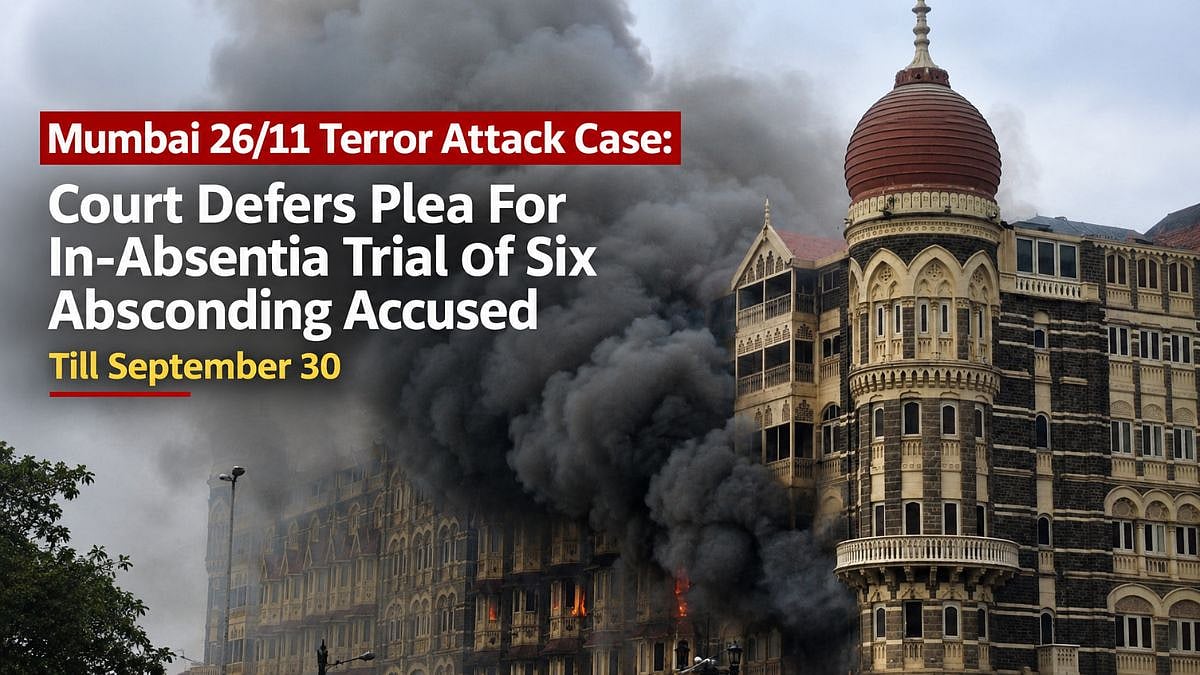
Mumbai Court Defers In-Absentia Trial Plea Until September 30

Pakistan Supreme Court Suspends Lawyer Couple’s Social Media Sentences

Pakistan Calls Terrorism Common Challenge as India Joins Regional Meeting

India Accuses Pakistan of Breaching Naval Separation Agreement