

1 hr ago
Pakistan Calls Terrorism Common Challenge as India Joins Regional Meeting
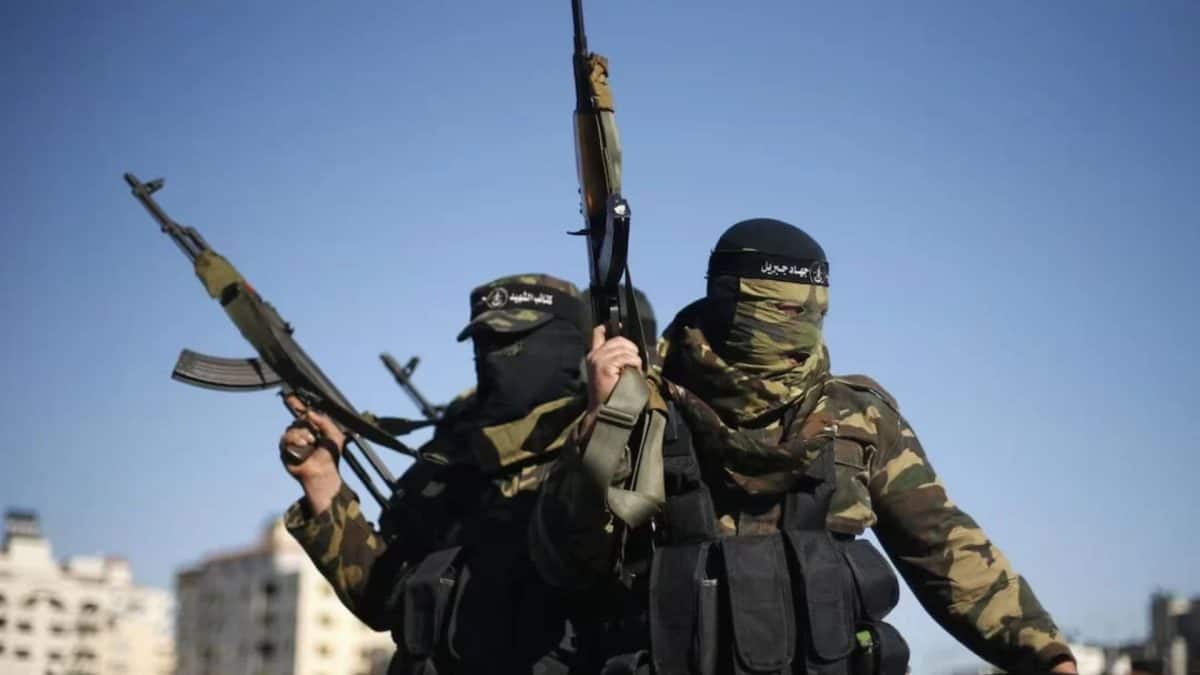
India and Pakistan have difficult relations, but both countries face the problem of terrorism.
India’s representative attended a regional security meeting in Islamabad.
Pakistan said it hopes India will keep participating in these meetings.
The meeting is meant to help countries share information and work against terrorism, extremism and separatism.
Pakistan also discussed Sikh pilgrims who wanted to travel to India.
Reports said they were stopped from boarding a plane.
Pakistan said that report was incorrect and explained that the visas had not been coordinated under the usual agreement.
Officials said the pilgrims might be able to travel through the Wagah Border instead.

Pakistan confirmed that India’s chargé d’affaires attended the 46th Regional Anti-Terrorist Structure of the Shanghai Cooperation Organisation meeting in Islamabad.
Foreign Office spokesperson Sajjad Haider Khan said terrorism is a common challenge for India and Pakistan.
The meeting, held on September 14, focused on regional cooperation against terrorism, extremism and separatism.
Pakistan rejected reports that Sikh pilgrims were prevented from boarding a flight to India, calling them a malicious media campaign.
Officials said the pilgrims’ visas were not covered by the 1974 bilateral protocol and suggested travel through the Wagah Border.
- Who
- Pakistan, India, the Regional Anti-Terrorist Structure of the Shanghai Cooperation Organisation, and Sikh pilgrims travelling to India.
- What
- Pakistan acknowledged India’s participation in a regional antiterrorism meeting and disputed reports about Sikh pilgrims being stopped from flying to India.
- Where
- The antiterrorism meeting took place in Islamabad, while the pilgrims were reportedly stopped at Faisalabad International Airport.
- When
- The meeting was held on September 14; Pakistan discussed the issues during a Thursday weekly briefing.
- Why
- The meeting aimed to strengthen cooperation against terrorism, extremism and separatism; the pilgrimage dispute concerned visa coordination and travel arrangements.
Pakistan’s Account
Reported Pilgrims’ Account
Whether pilgrims were prevented from travelling
Pakistan’s Account
Pakistan said reports that the Sikh pilgrims were not allowed to board the plane were incorrect and described them as a malicious media campaign.
Reported Pilgrims’ Account
Media reports said the pilgrims were stopped at Faisalabad International Airport while travelling to India for religious rituals.
Visa and travel arrangements
Pakistan’s Account
Pakistan said it was unaware that the Indian High Commission had issued the visas and that they were not covered by the 1974 bilateral protocol. Officials said the pilgrims should have coordinated with the Pakistan Sikh Gurdwara Parbhandhak Committee and used the Wagah Border.
Reported Pilgrims’ Account
The pilgrims reportedly obtained their Indian visas independently through the Delhi Mandar Management Committee and attempted to travel by air.
Key facts
- Meeting
- 46th Meeting of the Council of the Regional Anti-Terrorist Structure of the Shanghai Cooperation Organisation
- Meeting date
- September 14
- Meeting location
- Islamabad
- Pakistan spokesperson
- Sajjad Haider Khan
- Pakistan’s position
- Terrorism is a common challenge for India and Pakistan.
- Pilgrimage route discussed
- Officials said the pilgrims may be allowed to travel through the Wagah Border.
- Visa issue
- Pakistan said the visas were not covered by the 1974 bilateral protocol.
Quotes
Sajjad Haider Khan
Pakistan’s Foreign Office spokesperson
“Participation is there, and we hope that participation will continue because the broader objective is peace and security and fighting terrorism, and it is a common challenge for both countries.”
 firstpost.com
“We were not aware that the Indian High Commission had issued these visas, and the visas were not covered under the 1974 bilateral protocol that exists between Pakistan and India.”
firstpost.com
Sources
Related news
Poland Backs India’s Right to Pursue Terrorists Across Borders
Modi Urges SCO to Reject Terrorism as State Policy
Modi Calls for No Double Standards on Terror at SCO

India Dismantles Pakistan Mission Barriers Amid Kashmir Dispute
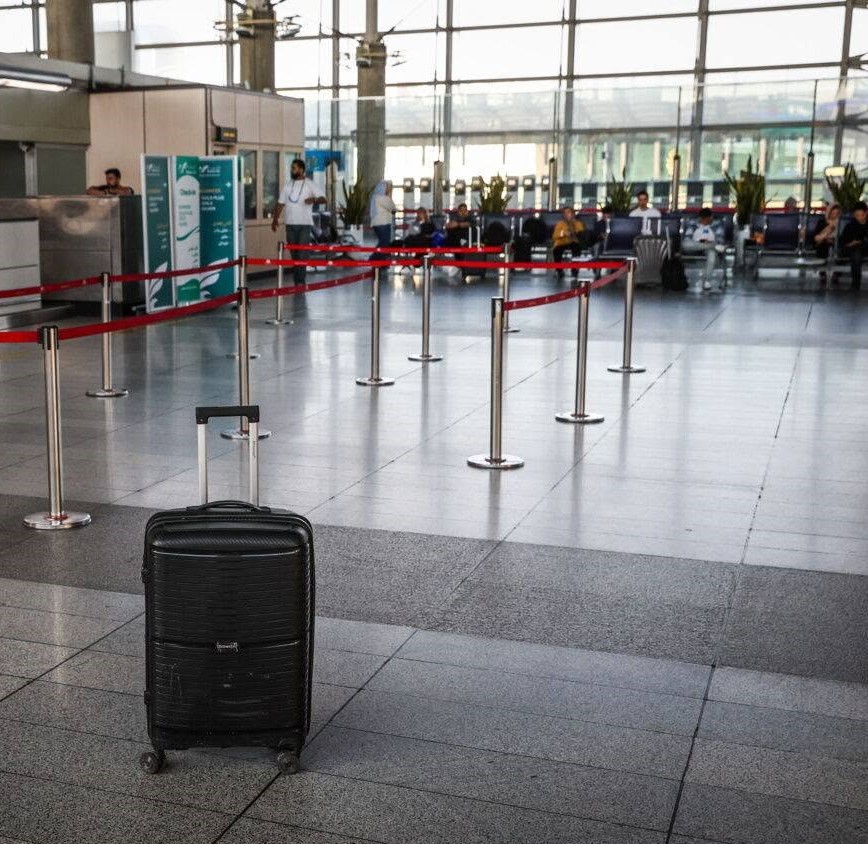
Pakistani Sikh Pilgrims Barred From Indirect Flight to India
