2 hrs ago
Pakistan Revives Austerity Measures as Fuel Prices and Tensions Rise
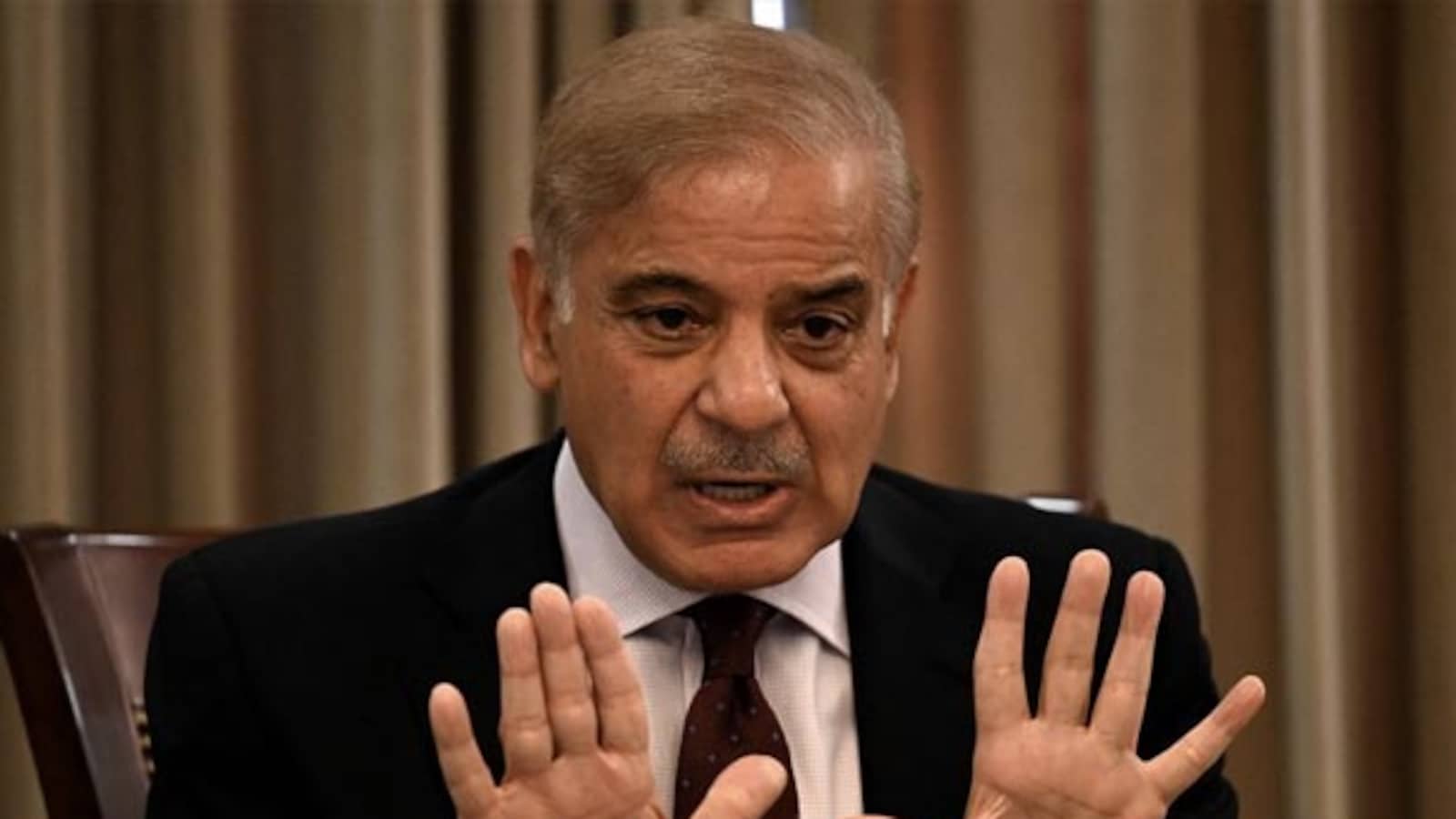
Pakistan is trying to save energy because fuel has become more expensive and fighting in the Middle East may affect oil supplies.
The government approved new money-saving rules for three months.
Government vehicles will get less fuel, and officials will have fewer foreign trips.
The state will not buy most new vehicles or other durable goods.
Officials are also being asked to hold meetings online.
Shops, wedding halls, and restaurants must close earlier than usual.
Drug stores and medical laboratories do not have to follow these closing times.
The rules currently apply in Islamabad, but other parts of Pakistan are being encouraged to adopt them.
A political party says it may organize protests if fuel prices are not reduced.

Pakistan’s cabinet approved three months of austerity measures to conserve energy amid Middle East hostilities.
Official vehicles will receive less fuel, while state vehicle purchases and most foreign official trips are banned.
The government also restricted official dinners, durable-goods purchases, and in-person meetings, with exceptions for IT procurement and foreign delegations.
Markets must close by 9 p.m., wedding halls by 10 p.m., and restaurants by 11 p.m.; drug stores and laboratories are exempt.
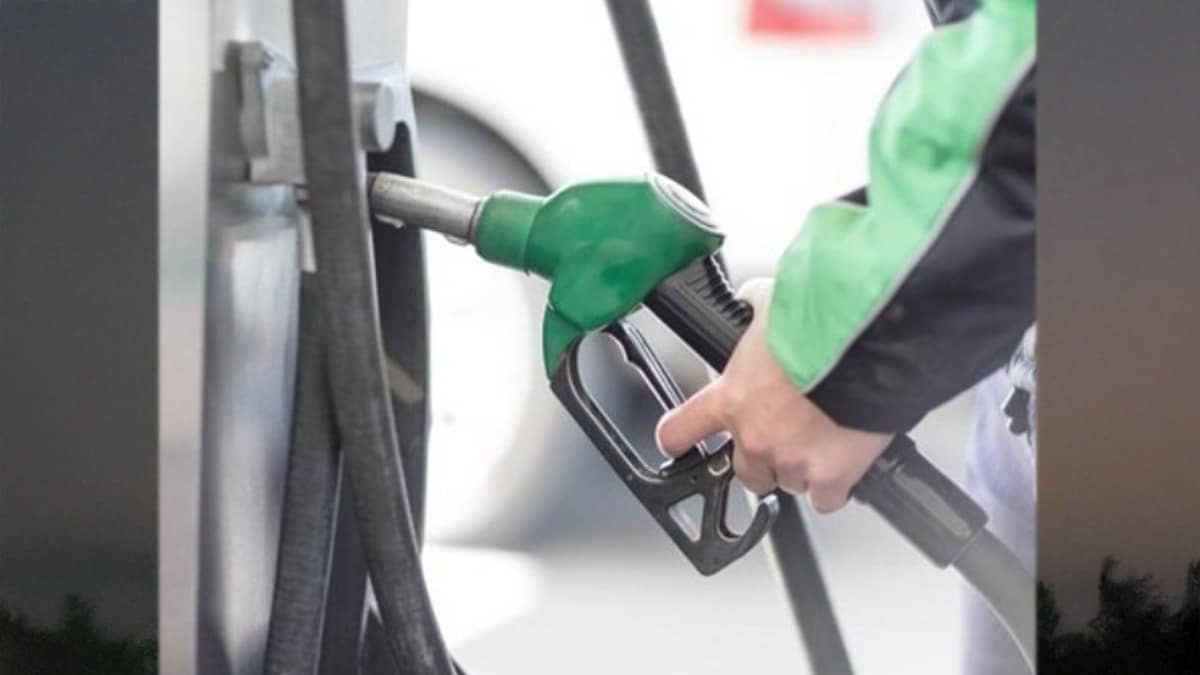
Petrol and diesel prices rose to PkR 384.34 and PkR 415.83 per litre, while Jamaat-i-Islami threatened protests over the increases.
- Who
- Pakistan’s federal government, including Energy Minister Awais Leghari and Climate Change Minister Musadik Malik, announced the measures; Jamaat-i-Islami is opposing the fuel-price increases.
- What
- The government approved a three-month austerity package, including fuel restrictions, bans on some purchases and foreign trips, online meetings, and earlier business closing times.
- Where
- The restrictions currently apply in Islamabad, while provincial and regional administrations are being encouraged to adopt similar policies.
- When
- The measures were announced on Thursday; ministers discussed the pressures at a press conference on Tuesday, and the restrictions will last three months.
- Why
- The government wants to conserve energy and limit the impact of higher petroleum prices and possible oil-supply disruptions linked to escalating Middle East hostilities.
Government rationale
Opposition and public-pressure concerns
Need for austerity
Government rationale
The government says rising international oil prices and possible disruptions around the Hormuz and Bab-el-Mandeb straits require energy conservation and spending controls.
Opposition and public-pressure concerns
Jamaat-i-Islami is demanding lower fuel prices and has threatened countrywide demonstrations if prices are not reduced.
Impact of fuel prices
Government rationale
The government raised petrol and high-speed diesel prices to address the pressure created by higher global crude prices and supply concerns.
Opposition and public-pressure concerns
The fuel-price increase is provoking political pressure, with fears of popular protests cited as a challenge for the government.
Scope of restrictions
Government rationale
Federal authorities initially limited the measures to Islamabad while encouraging provinces and regions to implement matching policies.
Opposition and public-pressure concerns
The measures impose earlier closing times and restrictions on official activity, which could create pressure for businesses and public institutions, although the articles do not report their direct response.
Key facts
- Austerity duration
- Three months
- Petrol price
- PkR 384.34 per litre after a PkR 4.10 increase
- High-speed diesel price
- PkR 415.83 per litre after a PkR 6.41 increase
- Market closing time
- 9 p.m.
- Wedding-hall closing time
- 10 p.m.
- Restaurant closing time
- 11 p.m.
- Exemptions
- Drug stores and medical laboratories; official dinners for foreign visitors and delegations; IT procurement
Sources
Related news
Pakistan Weighs Smart Lockdown as Fuel Prices Surge

Pakistan Announces Austerity Measures as Gulf Conflict Raises Fuel Prices
PPP Criticises Pakistan Fuel Policy, Seeks Consumer Relief
Pakistan Fuel Price Surge Raises Fares and Commodity Costs

Iran Prepares for Painful Fuel Hike Amid US Sanctions

US Prepares Tough Iran Sanctions as Pakistan Seeks Mediation
China, US Prepare for High-Level Exchanges Ahead of Xi-Trump Meeting
Oil Prices Slide as Saudi Export Routes Ease Supply Fears

South Korea Weighs Hormuz Role Amid U.S. Pressure
Pakistan Reaffirms Makkah Pact Duties After Houthi Drone Incident