

1 hr ago
Pakistan backs Saudi Arabia after Houthi attacks threaten regional security
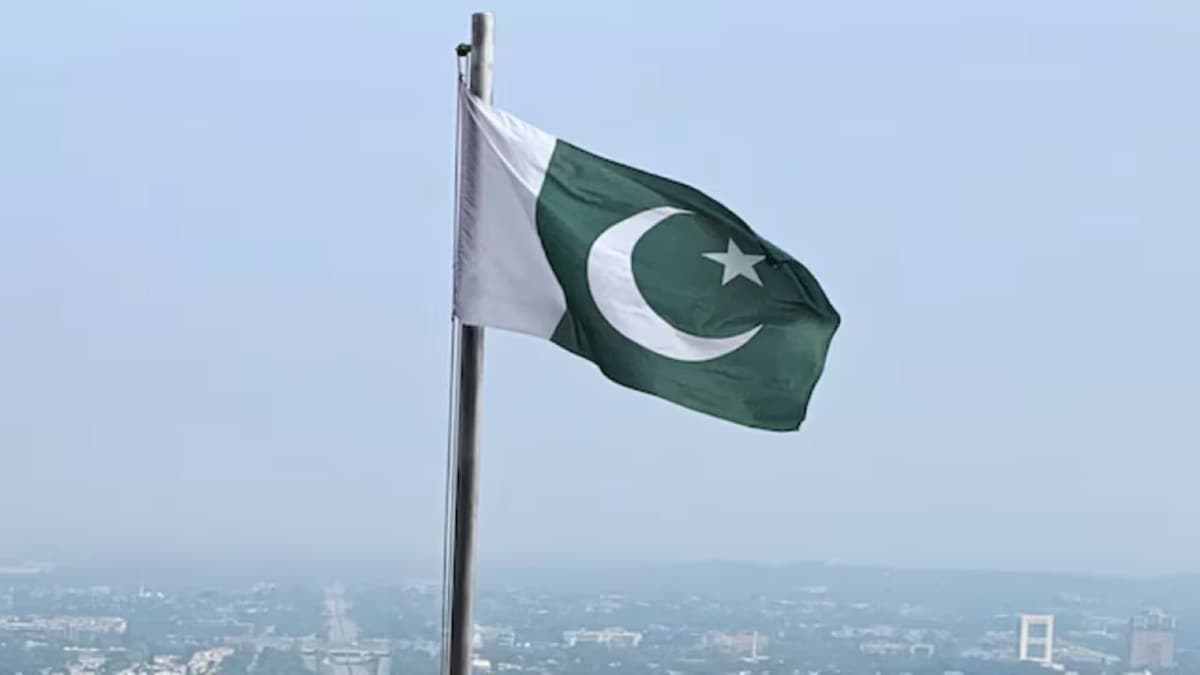
Pakistan said it supports Saudi Arabia after recent attacks by the Houthis.
Prime Minister Shehbaz Sharif spoke by phone with Saudi Crown Prince Mohammed bin Salman.
Sharif said the attacks could hurt regional peace and global energy supplies.
One drone attack led Saudi Arabia to temporarily close an important oil pipeline.
Saudi officials said another attack injured two people and damaged buildings, including a mosque.
The Houthis have also used missiles and drones against Saudi cities and energy facilities.
Pakistan said it will keep working to reduce tensions in the region.
The attacks also raised questions about a defence agreement linking Pakistan, Saudi Arabia and Turkiye.

Pakistan expressed complete solidarity with Saudi Arabia after recent Houthi attacks.
Prime Minister Shehbaz Sharif condemned strikes on Saudi civilian and economic infrastructure.
Saudi Arabia temporarily shut its 1,200-kilometre East-West oil pipeline after a drone attack from Iraq.
Saudi authorities said a Houthi projectile injured two people and damaged several buildings, including a mosque.
The attacks renewed attention on a mutual-defence pact among Pakistan, Saudi Arabia and Turkiye.
- Who
- Pakistan, Saudi Arabia and the Houthi movement are central to the developments; Prime Minister Shehbaz Sharif spoke with Crown Prince Mohammed bin Salman.
- What
- Pakistan expressed solidarity with Saudi Arabia and condemned recent Houthi missile and drone attacks.
- Where
- The attacks affected Saudi Arabia, while one drone was launched from Iraq; the wider security concerns involve West Asia.
- When
- The statement was issued on Sunday after attacks reported on Saturday and during the preceding week.
- Why
- Pakistan said the attacks threaten regional security and could disrupt the global economy and energy supplies.
Pakistan and Saudi Arabia
Houthi movement
Interpretation of the attacks
Pakistan and Saudi Arabia
Pakistan and Saudi Arabia characterize the attacks as threats to Saudi civilian and economic infrastructure, regional security and global energy supplies.
Houthi movement
The articles describe the Houthi attacks but do not provide the movement's explanation or stated justification.
Response to the security situation
Pakistan and Saudi Arabia
Pakistan supports Saudi Arabia, seeks reduced tensions and has emphasized that a spillover of the Yemen conflict could activate the mutual-defence pact.
Houthi movement
No Houthi response to Pakistan's statement or the defence pact is reported in the article.
Key facts
- Pakistan's position
- Prime Minister Shehbaz Sharif expressed complete solidarity with Saudi Arabia.
- Pipeline disruption
- Saudi Arabia temporarily shut its 1,200-kilometre East-West oil pipeline after a drone attack launched from Iraq.
- Reported casualties
- Saudi authorities said a projectile injured two people.
- Property damage
- Several buildings, including a mosque, were damaged.
- Reported wider casualties
- Houthi missile and drone attacks injured at least 73 civilians the previous week.
- Defence pact
- Pakistan, Saudi Arabia and Turkiye signed a mutual-defence pact on August 7.
- Diplomatic coordination
- Sharif and Mohammed bin Salman agreed to remain in close contact and expressed hope of meeting soon.
Quotes

Pakistan Prime Minister’s Office
The Pakistani government office that issued the statement describing Prime Minister Shehbaz Sharif’s position
“While expressing complete solidarity with the Saudi leadership as well as the brotherly people of Saudi Arabia, the Prime Minister stated that the recent Houthi actions threatened regional peace and security and could further disrupt the global economy and energy supplies.”
 CNBC TV 18
Sources
Related news

Pakistan Backs Saudi Arabia After Houthi Attacks Threaten Energy

Pakistan Warns Iran as Houthi Attacks Escalate in Saudi Arabia

Pakistan Warns Iran as Saudi Arabia Weighs Houthi Retaliation

Pakistan Defers Military Action After Houthi Attacks on Saudi Arabia

Pakistan Rules Out Immediate Military Action After Houthi Attacks

Pakistan rejects Saudi war role as Houthi Red Sea gains
Report Says Iranian Hardliners Derailed US-Iran Peace Deal
Jaishankar, Saudi Foreign Minister Discuss West Asia Conflict, Ties
Trump Says He Does Not Care About Iran-Gulf Meeting
