1 hr ago
UPI Merchant Fees May Not Raise Store Prices, NPCI Says

A new proposal would make some businesses pay a small fee when customers use UPI for larger payments.
NPCI says stores will probably pay this fee themselves instead of changing the prices customers see.
The government has told banks to make sure merchants do not add the fee to customers’ bills.
Some types of payments, such as those for essential services, would have different fees.
UPI app providers are also not allowed to add platform or hidden charges under the FAQ guidance.
The new rules were earlier expected to start on October 15.
Reuters reported they may instead start on January 1, 2027.
That delay has not been formally confirmed, and NPCI has not made a final decision.

A proposed UPI merchant discount rate would charge 0.4% on specified merchant transactions above ₹2,000, capped at ₹300 for payments of ₹75,000 and above.
NPCI says merchants are likely to absorb nominal processing costs rather than raise listed prices.
The government has advised banks to prevent merchants from passing MDR charges to customers; UPI app providers are barred from platform or hidden fees under the FAQs.
A flat ₹5 MDR is proposed for qualifying transactions in essential services and thin-margin sectors, while capital-market-related UPI payments would face a 0.02% rate capped at ₹300.
Reuters reported the framework may be delayed until January 1, 2027, but NPCI has not made a final decision and the government has issued no formal announcement.
- Who
- The National Payments Corporation of India, the government, banks, merchants and UPI users.
- What
- A proposed merchant discount rate for certain UPI transactions, with NPCI saying merchants are expected to absorb the costs.
- Where
- India.
- When
- The framework was earlier proposed to begin October 15; Reuters reported a possible delay to January 1, 2027.
- Why
- The proposal introduces merchant-side fees for specified UPI transactions, prompting concern that businesses might pass the costs on to customers.
Concern about added costs
NPCI and government assurances
Whether store prices could rise
Concern about added costs
Local business owners have argued that the extra charge could reduce their margins, and there are concerns that merchants may pass it on to buyers.
NPCI and government assurances
NPCI says merchants generally absorb nominal digital processing costs and have no economic incentive to raise listed prices; the government has advised banks to prevent customer pass-through.
Key facts
- Standard proposed MDR
- 0.4% on specified merchant transactions above ₹2,000.
- Standard fee cap
- Capped at ₹300 for payments of ₹75,000 and above.
- Essential services and thin-margin sectors
- A flat ₹5 MDR per qualifying transaction; examples include railways, telecommunications, insurance, fuel and agricultural inputs.
- Capital-market-related UPI payments
- A proposed 0.02% MDR, capped at ₹300.
- Customer charges
- The article says MDR is a merchant-side charge and does not apply to customers making UPI payments.
- Possible implementation date
- Reuters reported a possible deferral to January 1, 2027; no formal government announcement or final NPCI decision was reported.
Quotes
NPCI
The National Payments Corporation of India, which facilitates UPI payments.
“Payment acceptance costs are considered standard operational overheads that are offset by increased footfall, higher average ticket values, and reduced cash-handling risks.”
 livemint.com
Sources
Related news
UPI MDR Charges Raise Sustainability Hopes and Merchant Concerns
UPI Sets 0.4% MDR on High-Value Merchant Payments

Government Defends UPI Merchant Fee, Says Consumers Won’t Pay

UPI MDR Begins October 15, Merchants Face Charges, Customers Don’t
RBI Governor Says New UPI MDR Unlikely to Curb Volumes

India Plans Daily Monitoring of New UPI Merchant Fee

GTRI Urges Government to Withdraw Proposed UPI Merchant Charges
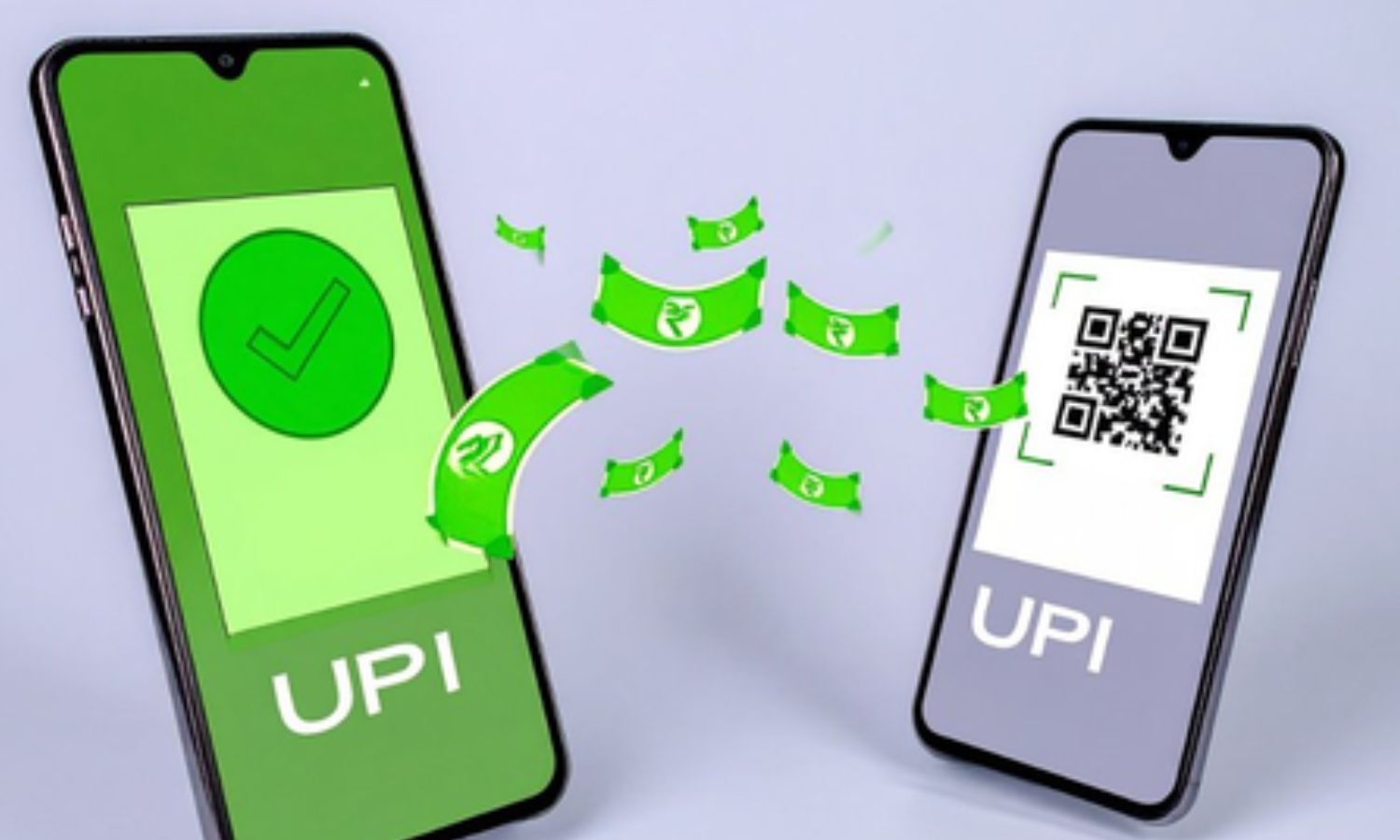
Zimbabwe in Talks to License India’s UPI Payments Technology

UPI Apps Won’t Charge Consumers as Merchant MDR Begins
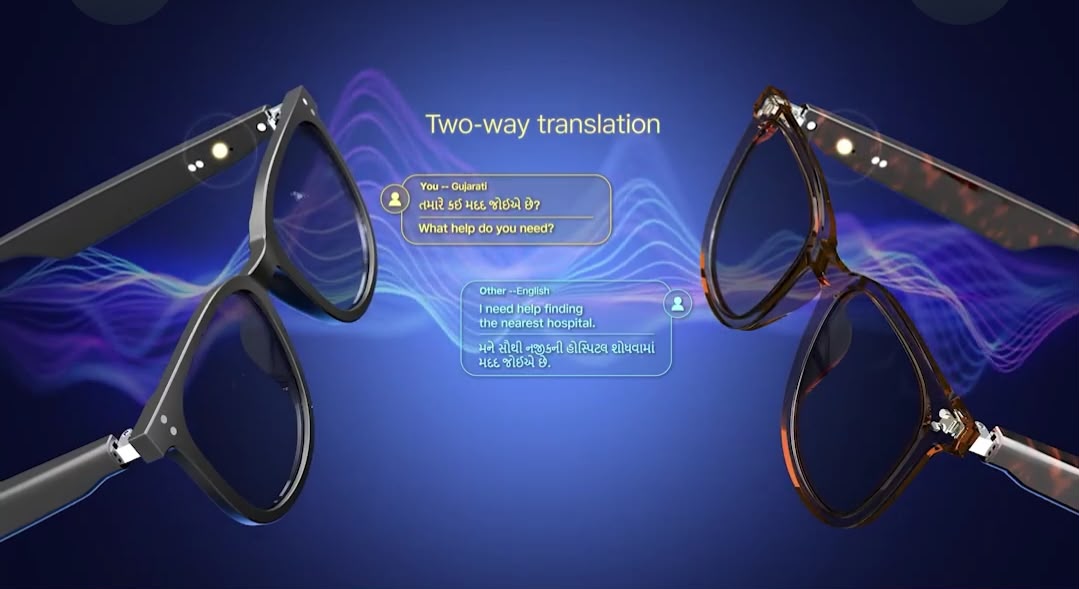
Jio Showcases AI Wearables, Including Glasses for UPI Payments