

6 days ago
Nepal Deluge Raises Flood Risk Across Bihar and Uttar Pradesh
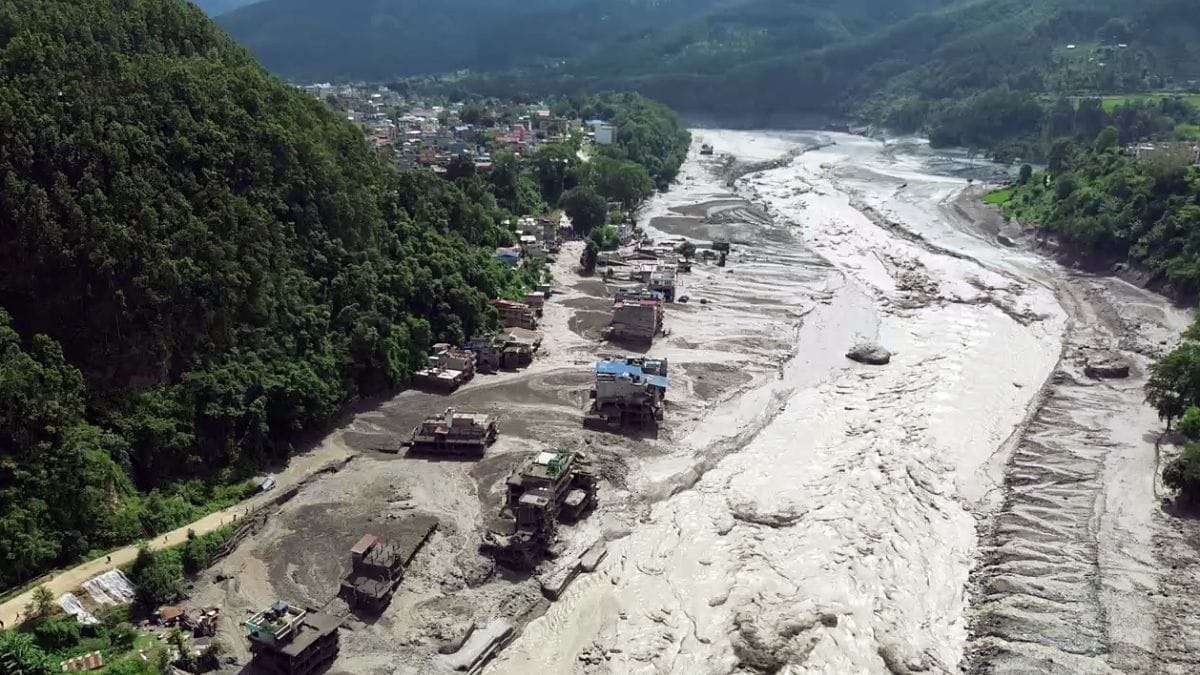
Heavy flooding in Nepal could send more water toward parts of India.
Bihar and eastern Uttar Pradesh are the areas authorities are watching most closely.
The water can move through the Gandak river system after crossing into India.
Officials have warned that the next 48 hours are important.
They are sharing live updates with disaster-response teams.
Some nearby districts have been told to prepare for possible evacuations.
Experts say the danger is still present, but river flow in India has been decreasing.
They also say the water spreads out on the plains, which may reduce the chance of very severe flooding.

Authorities warned that the next 48 hours could be critical for Bihar and eastern Uttar Pradesh.
Floodwaters from Nepal’s Bhote-Koshi-Trishuli system can flow into India’s Narayani-Gandak river system.
At-risk districts include five in Bihar and two in Uttar Pradesh near the Nepal border.
The Central Water Commission said water levels and discharge were being monitored in real time.
Water discharge from Valmikinagar barrage fell from 1.50 lakh to 1.04 lakh cusecs.
- Who
- The National Disaster Response Force, Central Water Commission, state governments, and weather and flood experts are monitoring the situation.
- What
- Flooding in Nepal has raised concerns about possible downstream flooding in Bihar and eastern Uttar Pradesh.
- Where
- Potentially affected areas include East Champaran, West Champaran, Gopalganj, Saran, and Muzaffarpur in Bihar, and Maharajganj and Kushinagar in Uttar Pradesh.
- When
- The next 48 hours were identified as the most critical period; monitoring began after warnings issued Wednesday night.
- Why
- Floodwaters from Nepal’s Bhote-Koshi-Trishuli system can enter India through the Narayani-Gandak river system.
Flood-risk warnings
Risk-moderation assessment
Potential severity
Flood-risk warnings
The National Disaster Response Force and Central Water Commission warned that Nepal’s flooding could create a flood-like situation downstream in Bihar and Uttar Pradesh, prompting preparations and possible evacuations.
Risk-moderation assessment
Experts said the risk remains but noted that the Narayani river’s flow on the Indian side was not at an alarming level and had been declining.
Water movement in India
Flood-risk warnings
Authorities warned that a sudden rise in Nepal’s Trishuli river could travel downstream through the Gandak river system.
Risk-moderation assessment
Experts said water spreads out after reaching the plains, making intense flooding less likely than in the mountains.
Weather contribution
Flood-risk warnings
Moderate rain was forecast in parts of Uttar Pradesh, adding to continued monitoring concerns.
Risk-moderation assessment
Mahesh Palawat said the forecast moderate rain was unlikely to significantly affect river water levels.
Key facts
- Critical period
- The next 48 hours
- Most at-risk states
- Bihar and eastern Uttar Pradesh
- Bihar districts identified
- East Champaran, West Champaran, Gopalganj, Saran, and Muzaffarpur
- Uttar Pradesh districts identified
- Maharajganj and Kushinagar
- Valmikinagar barrage discharge
- Declined from 1.50 lakh cusecs at 11 pm Wednesday to 1.04 lakh cusecs Thursday morning
- Potential river pathway
- Bhote-Koshi-Trishuli to Narayani-Gandak, which eventually joins the Ganga
Quotes
Narendra Singh Bundela
Inspector-General of India’s National Disaster Response Force.
“They (the Nepal authorities) have been releasing water from the Gandak barrage since last night, but the good news is that once water hits the plains, it tends to scatter well and the risk of intense floods is not as high as it is in the mountains”
 theprint.in
“We have been monitoring the water discharge levels and are also keeping track of the river water levels on the Indian side. We are releasing real time updates to the NDRF and the state disaster management teams”
theprint.in
Sources
Related news

Nepal Flash Flood Prompts High Alerts Across Bihar, Uttar Pradesh
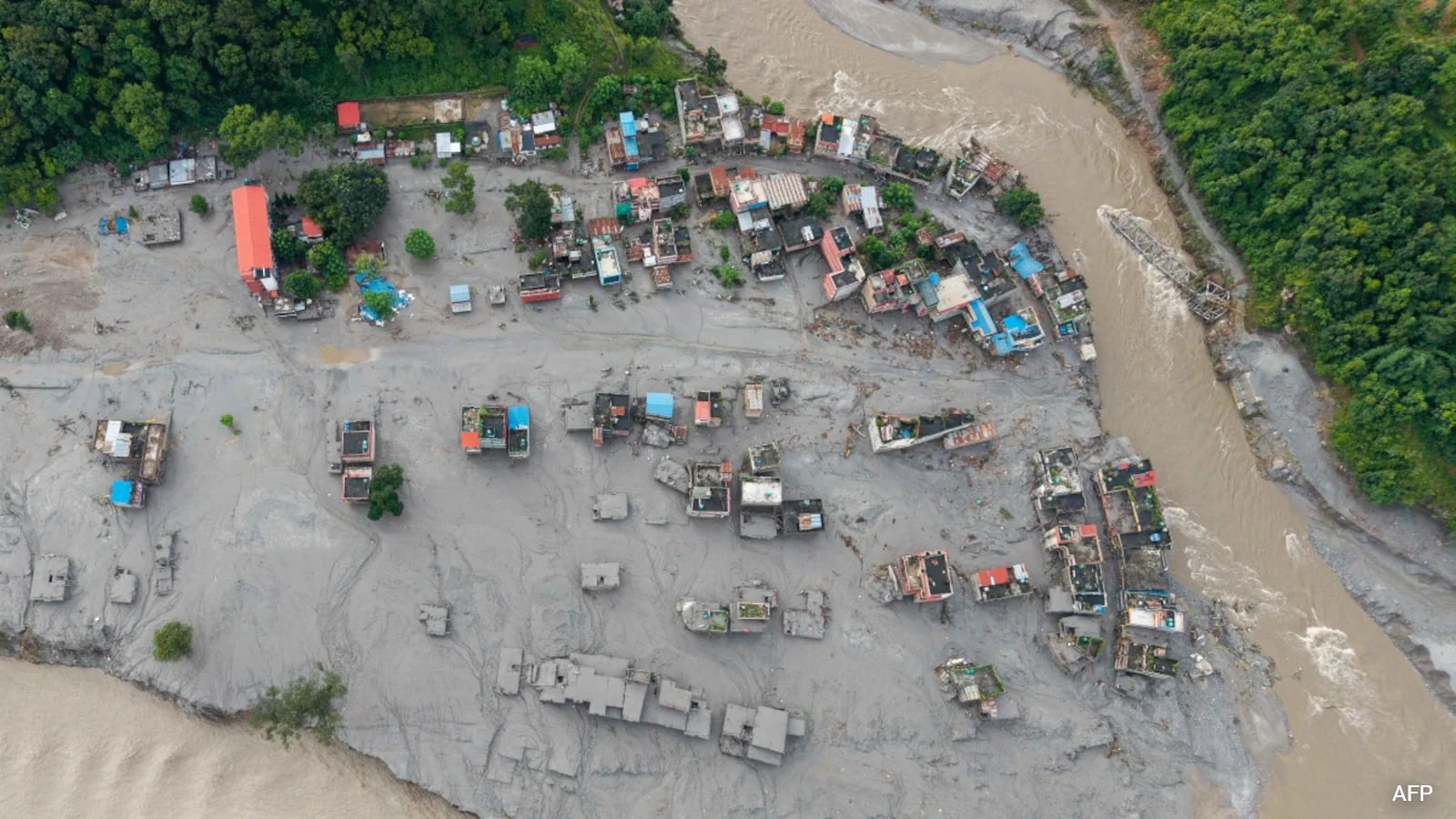
Nepal Floods Raise Gandak River Risk Across India
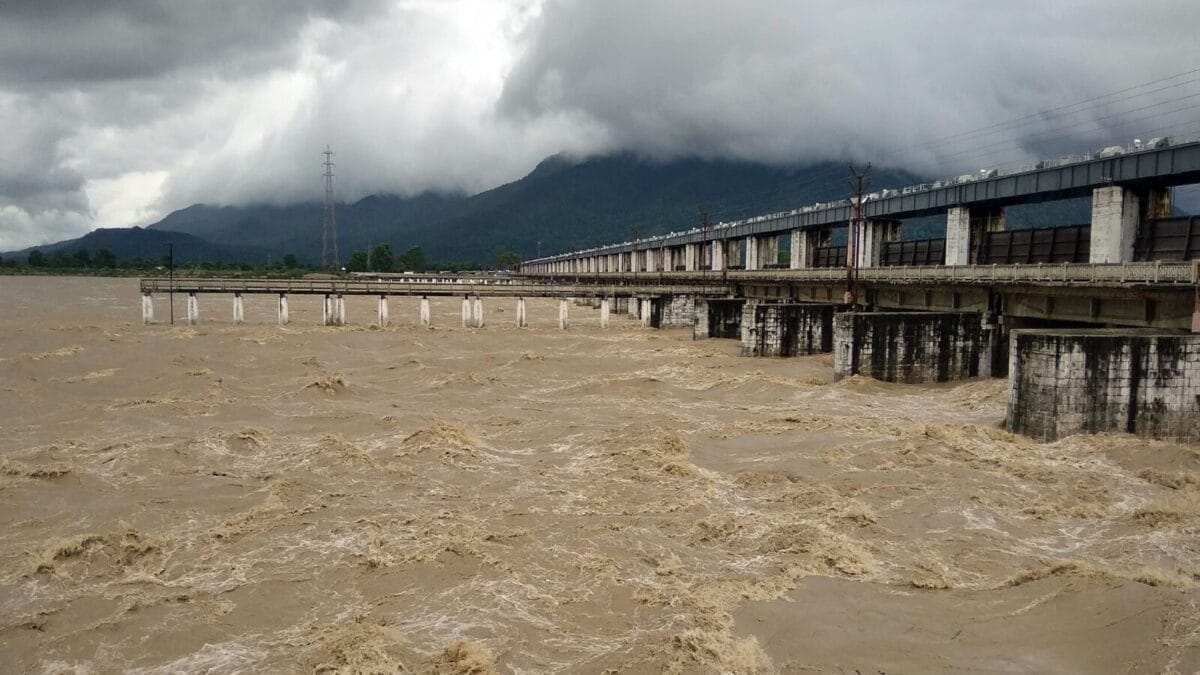
Gandak River Falls, Easing Flood Threat From Nepal

Bihar Raises Alert After Nepal Floods Threaten Gandak Surge
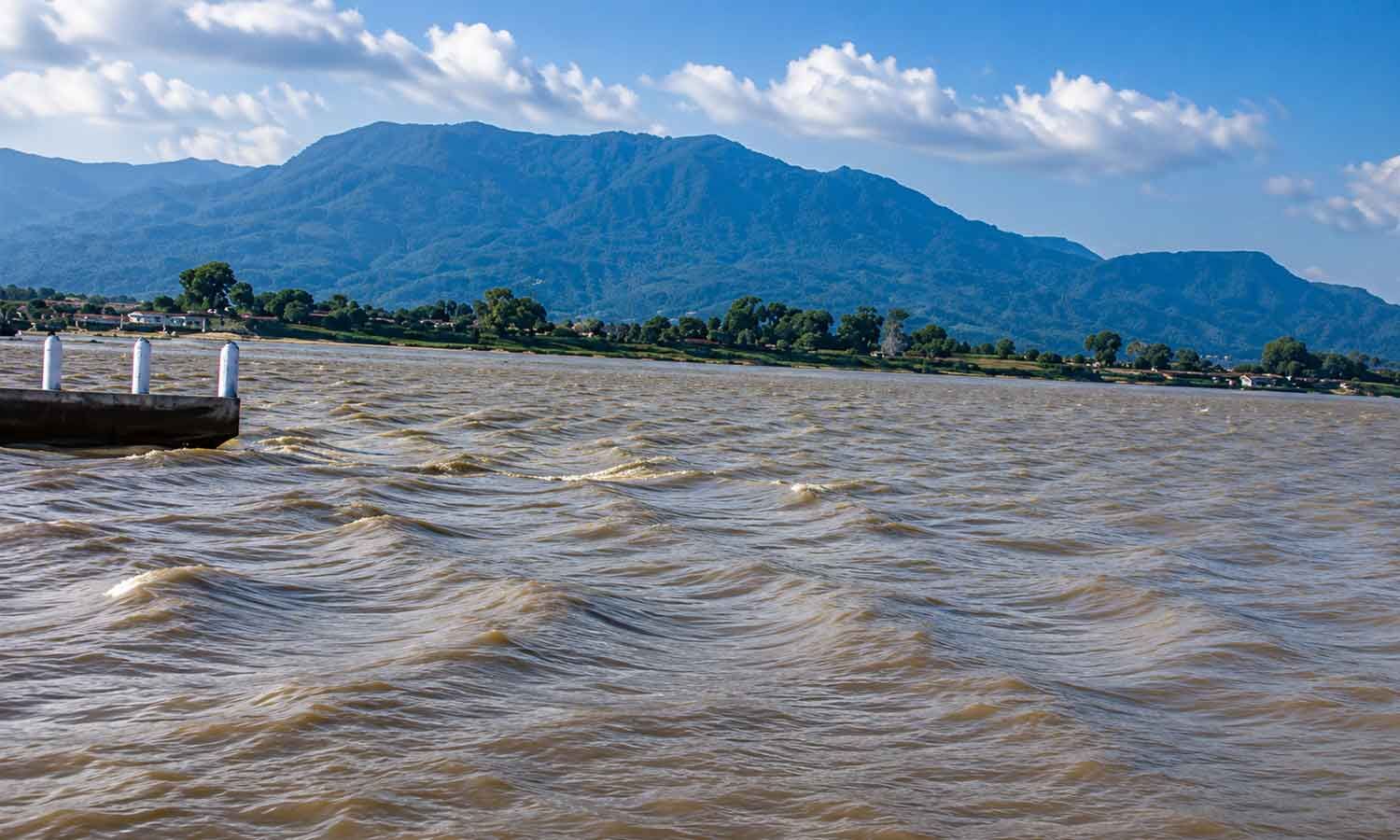
Bihar Flood Threat Grows as Rivers Swell After Nepal Floods

NDRF Raises Alert as Nepal Flood Wave Threatens Bihar, UP

Nepal Thanks India as Glacial Disaster Rescue Efforts Continue
Nepal Warns of Heavy Rain After Deadly Floods
Nepal Flood Exposes Delayed Alerts and Cross-Border Warning Gaps
India to Rebuild Nepal School After Principal Saves 1,600
Maharashtra Mountaineers Join Search for Missing Nepal Trekkers
