1 week ago
Nepal Flash Flood Prompts High Alerts Across Bihar, Uttar Pradesh

A sudden flood hit Nepal near the Tibet border on Wednesday.
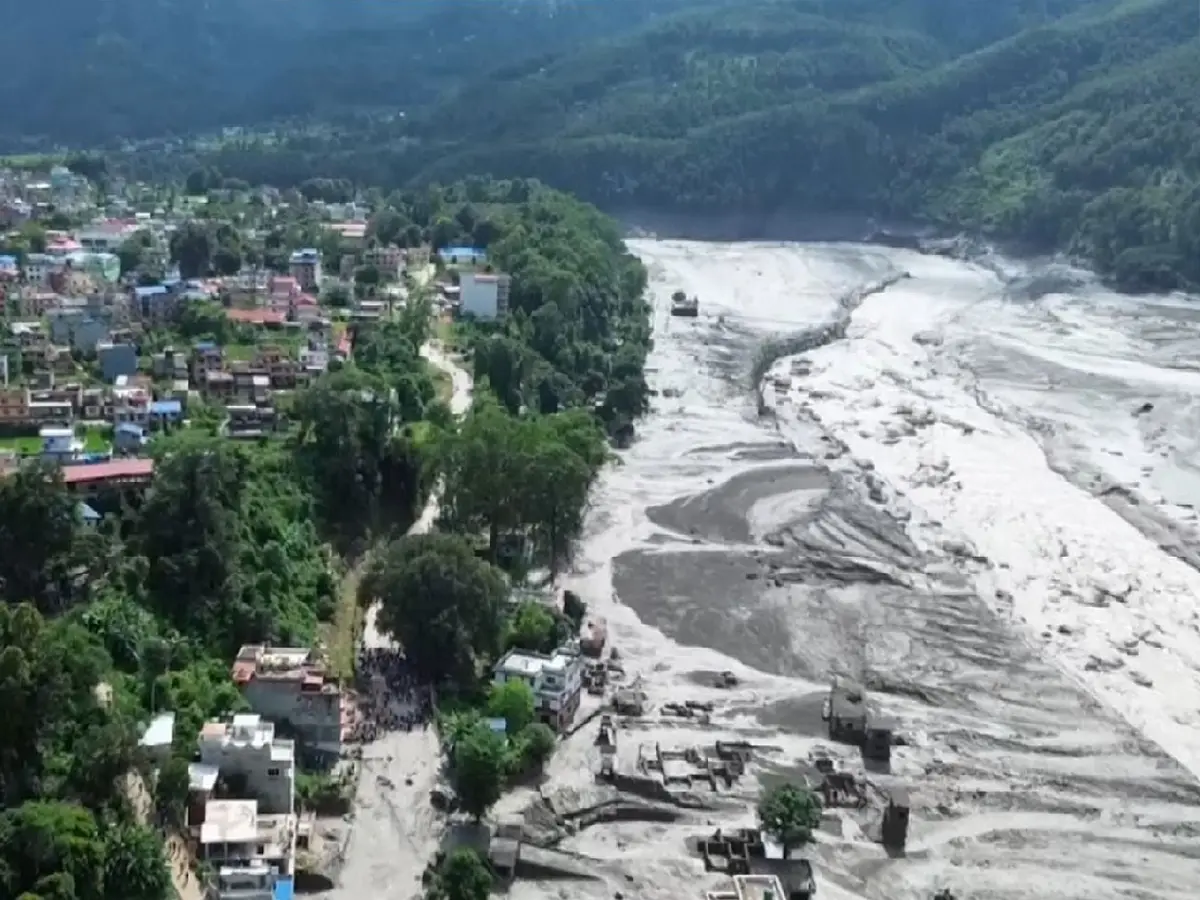
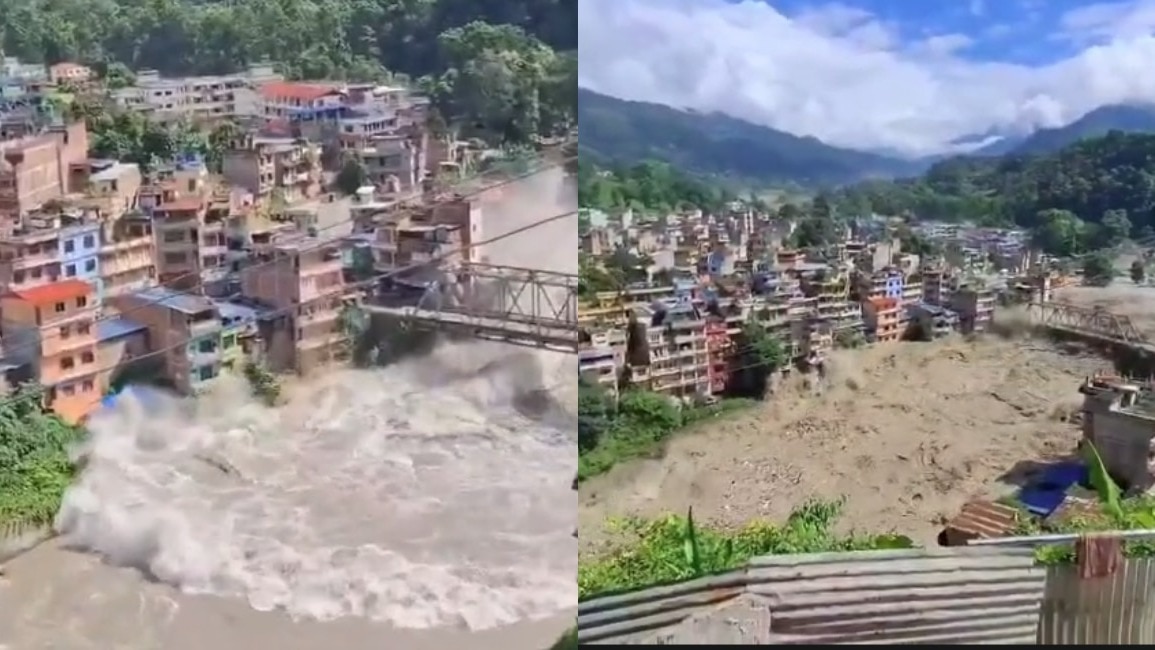
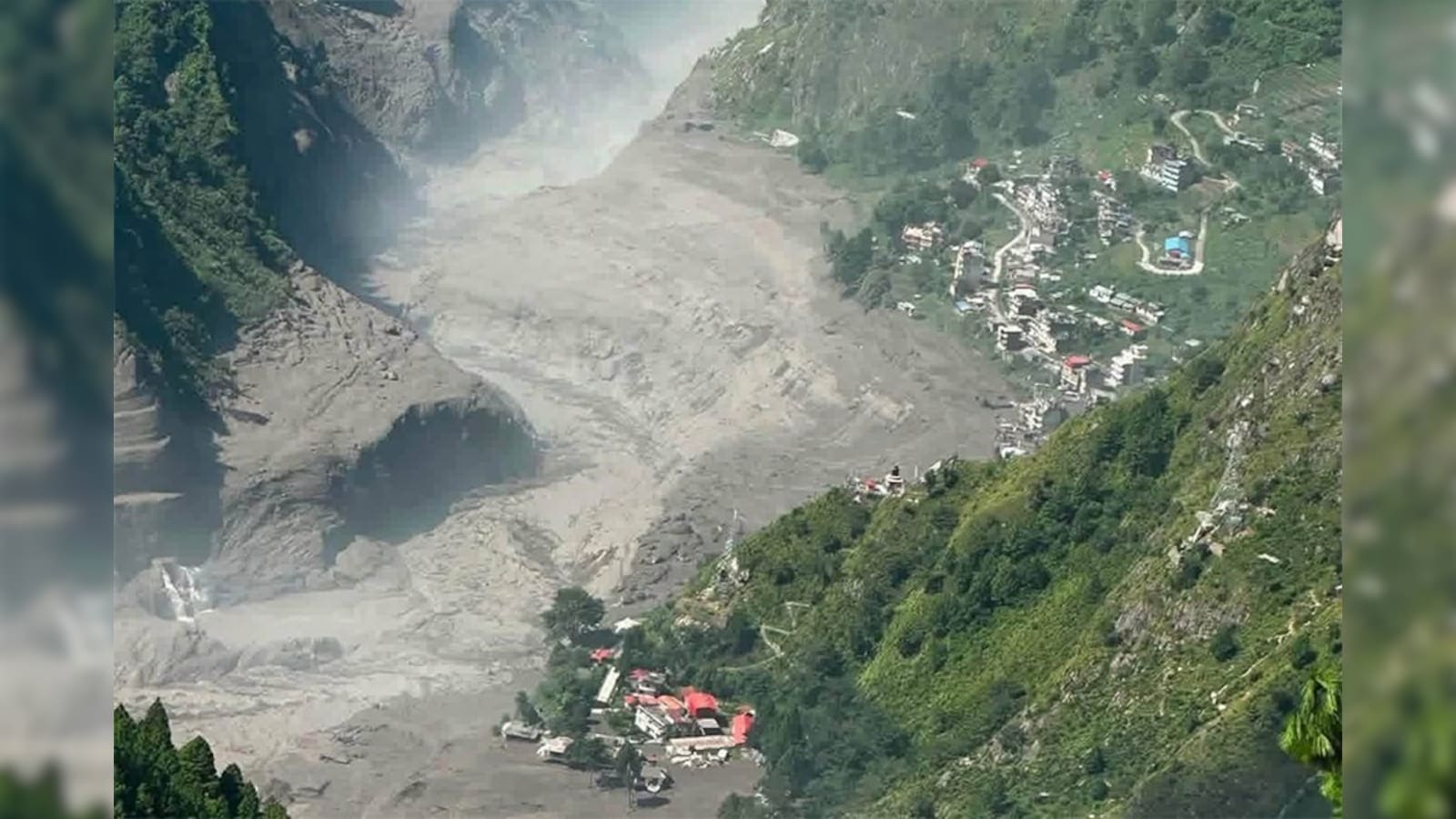
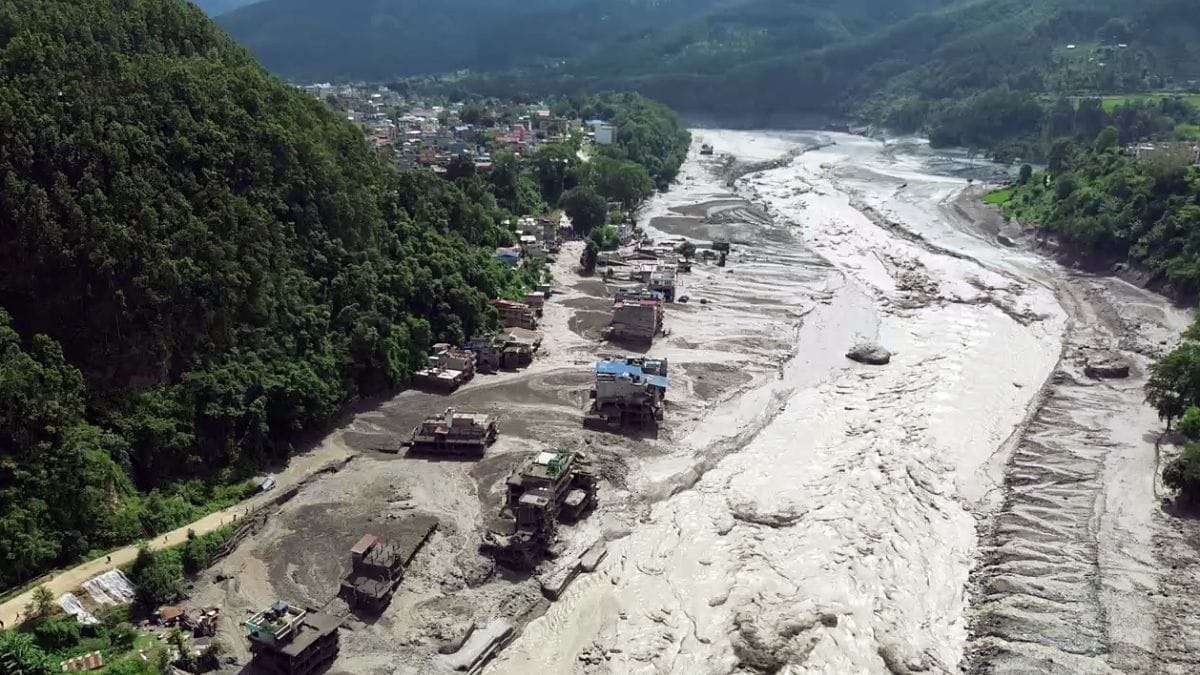
It swept through villages and damaged roads, bridges, buildings and power facilities.
At least eight or nine deaths were reported, but different reports gave different numbers.
Many travelers and some security workers were still missing.
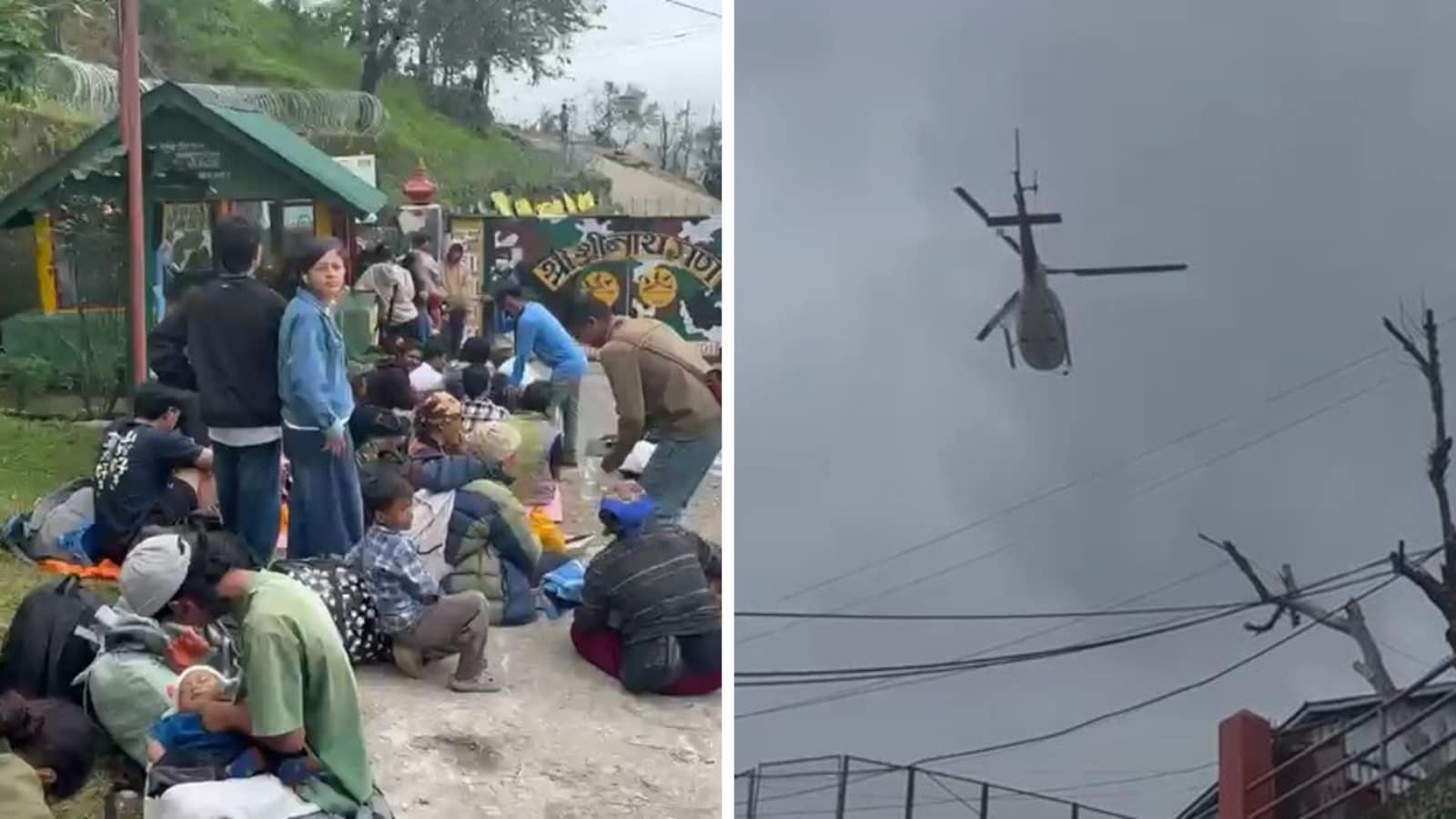
Rescue teams, soldiers, police and helicopters were searching for people.
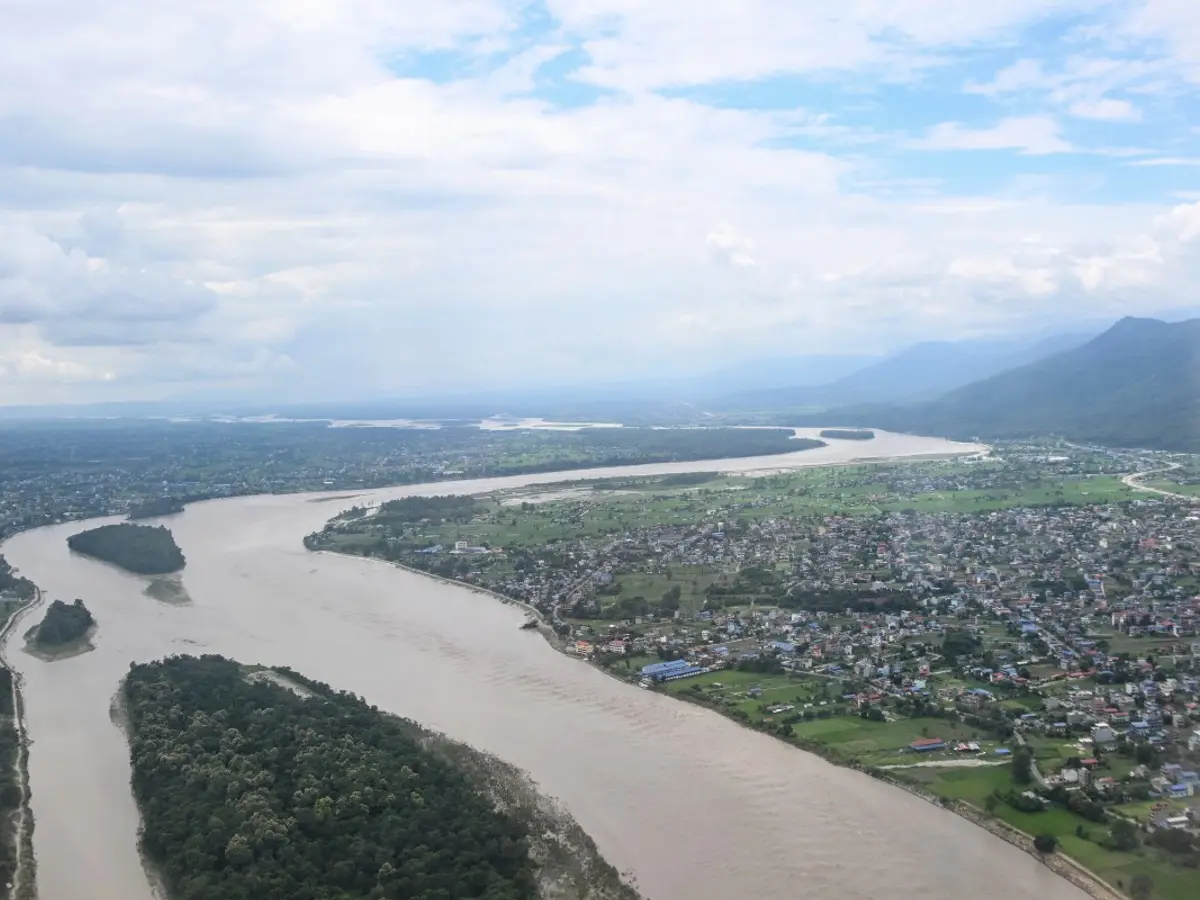
The water moved into rivers connected to the Gandak system, which flows into India.
Bihar opened the gates of the Gandak Barrage and prepared to move people if needed.
Uttar Pradesh warned officials in two districts to stay ready.
Officials were still investigating exactly what caused the flood.

A flash flood struck Nepal’s Rasuwa district around 8:30–9 a.m. Wednesday, damaging villages, roads, bridges, police facilities and hydropower infrastructure.
Reports put the confirmed death toll at at least eight or nine, while one headline said 16 and another report mentioned nearly 100; the toll remains provisional and inconsistent.
The Nepal Tourism Board said 384 travelers’ whereabouts were unconfirmed, including 291 foreign nationals, 93 Nepali nationals and 105 Indian nationals; 37 NRIs were also being verified.
Nepali authorities deployed the army, police, Armed Police Force, helicopters and relief groups, while reports differed on the number of missing security personnel.
Because floodwater entered river systems flowing toward India, Bihar opened all 36 Gandak Barrage gates and prepared monitoring, evacuations and emergency response; Uttar Pradesh alerted Maharajganj and Kushinagar.
- Who
- Residents, travelers, Nepali security personnel and rescue workers were affected; authorities in Nepal, Bihar and Uttar Pradesh responded.
- What
- A flash flood caused deaths, missing-person reports and extensive damage in Nepal, while prompting downstream flood preparations in India.
- Where
- The main damage was reported in Nepal’s Rasuwa, Nuwakot and Dhading areas, with water moving through the Bhote Koshi, Trishuli and Gandak-linked river systems.
- When
- The flood occurred around 8:30–9 a.m. on Wednesday, August 26, 2026; downstream alerts were issued later that day.
- Why
- Authorities feared a sudden rise in downstream water levels could affect communities, embankments and low-lying areas in Bihar and Uttar Pradesh.
Possible Flood Triggers and Risks
Cautious Official Assessments
Cause of the flood
Possible Flood Triggers and Risks
Reports linked the sudden water rise to suspected glacial-lake outburst activity near the Nepal-China border; another report suggested an ice-and-rock avalanche potentially initiated by an earthquake. Satellite imagery also showed significant rainfall on the Tibetan side.
Cautious Official Assessments
Nepal’s Flood Forecasting Division said the flooding did not appear to result from heavy rainfall in Rasuwa, and officials said the exact trigger and timing had not been confirmed.
Expected downstream danger
Possible Flood Triggers and Risks
Indian authorities prepared for a possible sudden surge in the Gandak, with one report citing a potential flood wave of around three metres and possible effects on vulnerable districts.
Cautious Official Assessments
An Indian advisory said the flood wave’s intensity was likely to reduce as it traveled downstream, although authorities continued monitoring and preparations.
Death toll
Possible Flood Triggers and Risks
Some headlines and reports cited 16 or nearly 100 deaths, suggesting the disaster’s eventual toll could be much higher.
Cautious Official Assessments
Other article bodies and live updates reported at least eight or nine deaths and described the toll as provisional, so no single figure was confirmed.
Key facts
- Reported deaths
- Article reports varied from at least eight or nine deaths to a headline citing 16 and a separate report mentioning nearly 100; the toll was provisional and inconsistent.
- Travelers unaccounted for
- The Nepal Tourism Board listed 384 travelers whose whereabouts were unconfirmed: 291 foreign nationals and 93 Nepali nationals.
- Indian travelers
- At least 105 Indian nationals were among the travelers whose whereabouts were unconfirmed; 37 NRIs were also being verified.
- Missing security personnel
- Reports cited seven or nine missing Armed Police Force personnel and 26 missing Nepal Police personnel.
- Flood movement
- Floodwater entered the Bhote Koshi from the Tibetan side, reached Galchhi in Dhading and was expected to move toward Muglin and the Gandak-linked river system.
- Bihar measures
- Bihar opened all 36 Gandak Barrage gates, sent a technical monitoring team, alerted Gandak-basin districts and prepared evacuation and relief arrangements.
- Indian alerts
- Bihar heightened vigilance in districts including West Champaran, East Champaran, Gopalganj, Saran, Muzaffarpur and Vaishali; Uttar Pradesh alerted Maharajganj and Kushinagar.
Quotes

Samrat Choudhary
Chief Minister of Bihar
“In view of the rising water levels in the Gandak and Narayani rivers and the possibility of flooding in Uttar Pradesh's Maharajganj and Kushinagar districts due to its impact, instructions have been issued to the local administration to remain fully vigilant and ensure necessary preparations”
 NDTV
NDTV
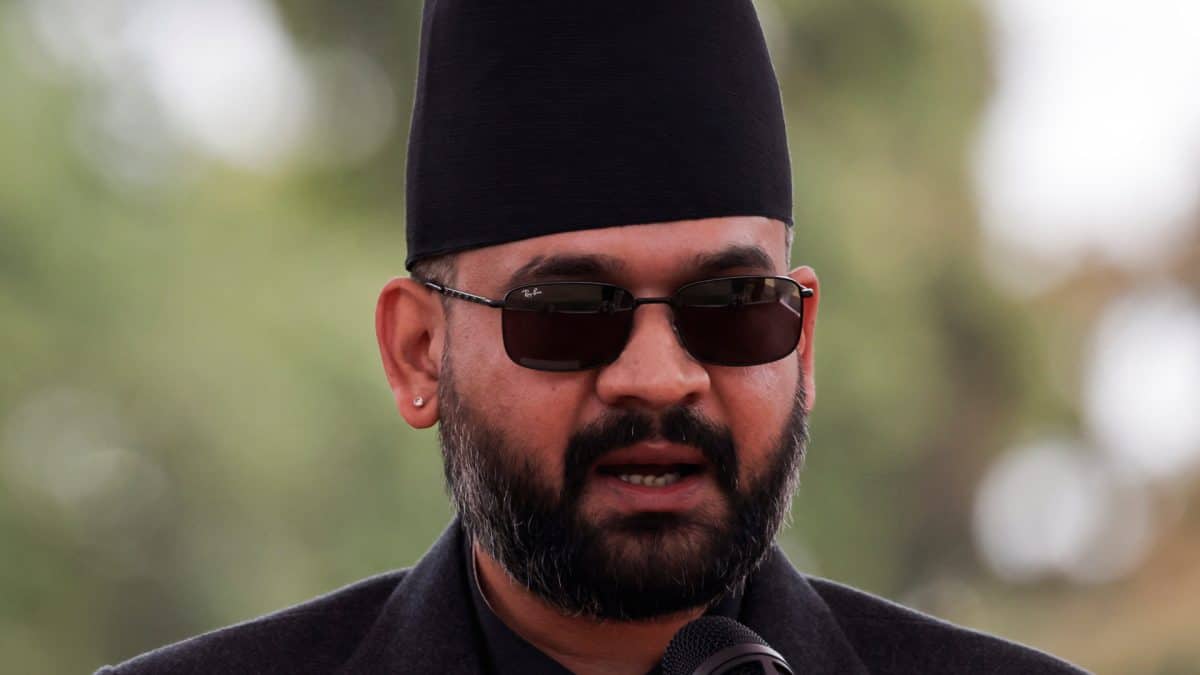
“Spoke to Prime Minister Balendra Shah and conveyed condolences on the loss of lives due to the floods in Nepal. The people of India stand in solidarity with their sisters and brothers in Nepal at this difficult time.”
 wionews.com
Sources
High alert in neighbouring states of UP and Bihar after devastating flash floods in Nepal
Nepal flash floods trigger Gandak alert in Bihar; several districts at risk
Bihar on alert after Nepal flash flood, officials told to monitor Gandak and Kosi rivers closely
Alert In UP And Bihar After Flash Floods Kill 16 In Nepal
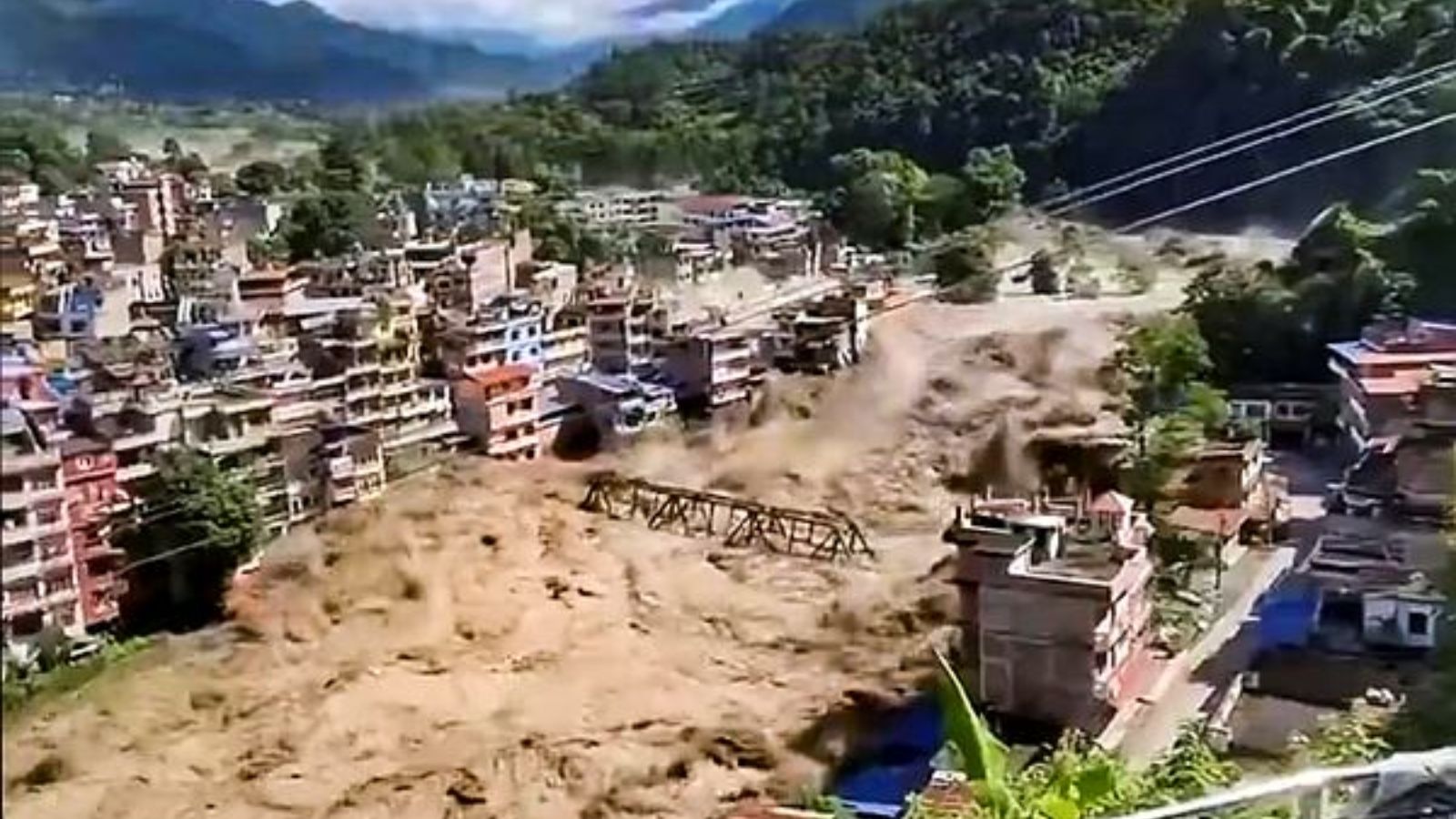
Nepal Flood Live Updates: Bihar on alert after Nepal flash floods lead to swelling of Gandak River
Related news

Bihar Raises Alert After Nepal Floods Threaten Gandak Surge
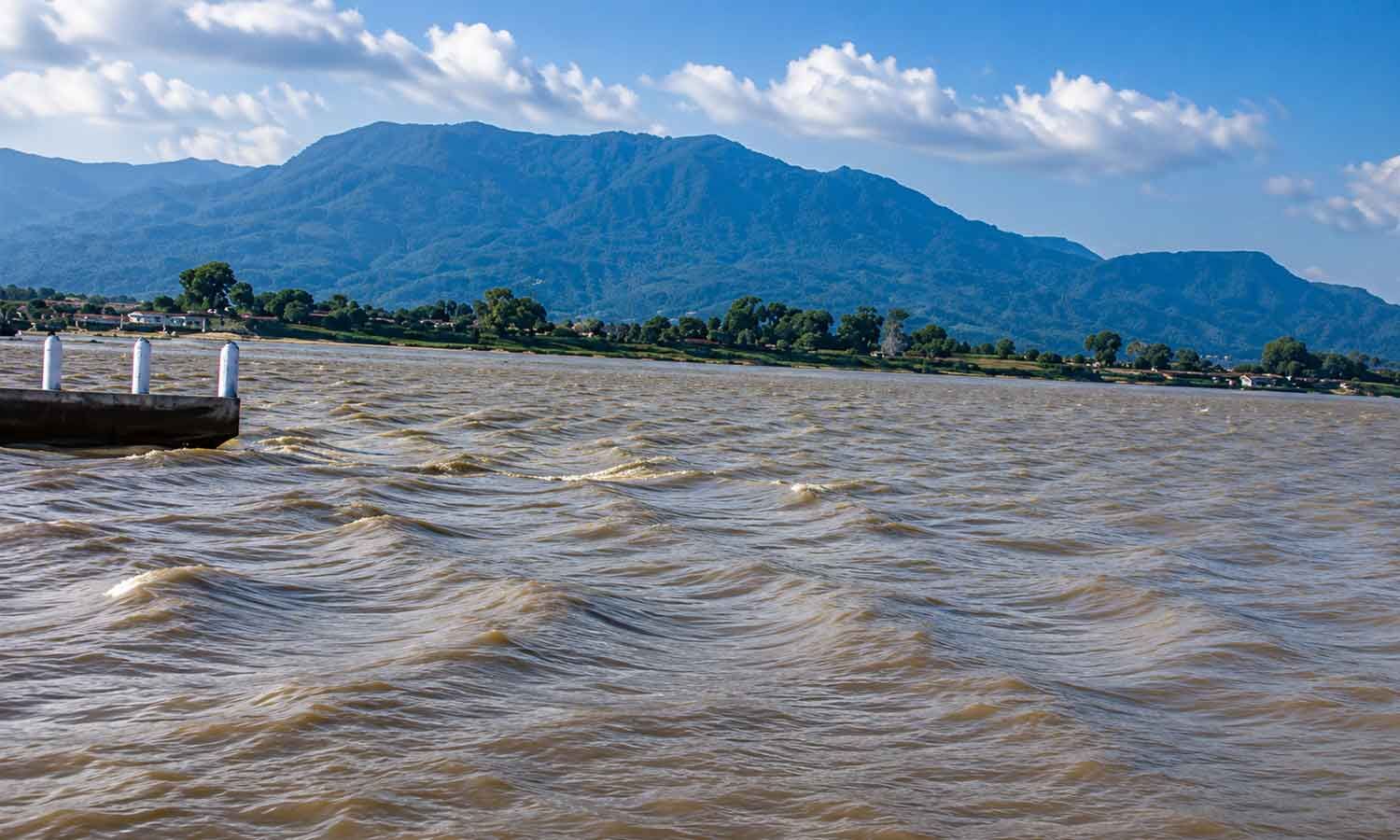
Bihar Flood Threat Grows as Rivers Swell After Nepal Floods

Nepal Flash Flood Raises Concern as Bihar Monitors Gandak River
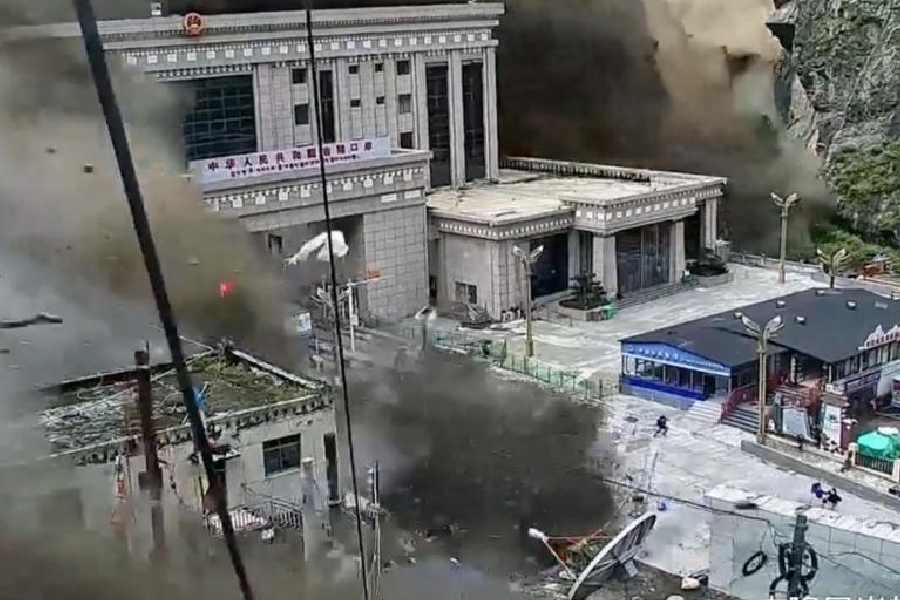
India Offers Nepal Aid as Floods Leave Travellers Missing
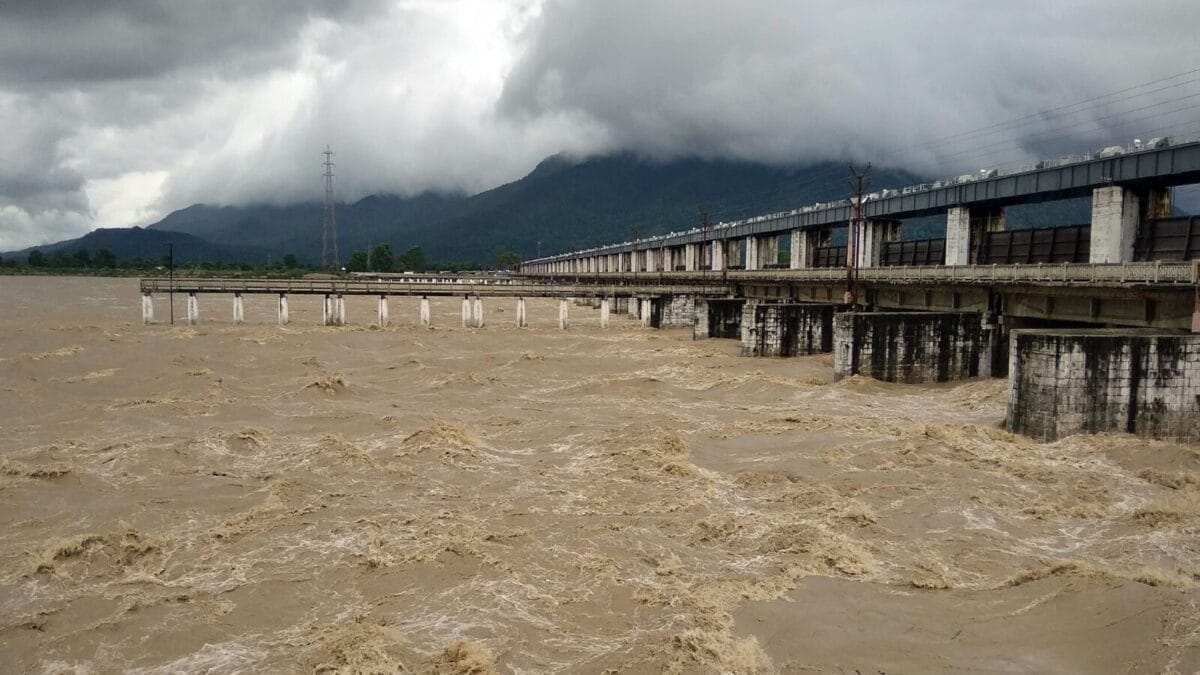
Gandak River Falls, Easing Flood Threat From Nepal
Nepal Deluge Raises Flood Risk Across Bihar and Uttar Pradesh

Nepal Thanks India as Glacial Disaster Rescue Efforts Continue
Nepal Warns of Heavy Rain After Deadly Floods
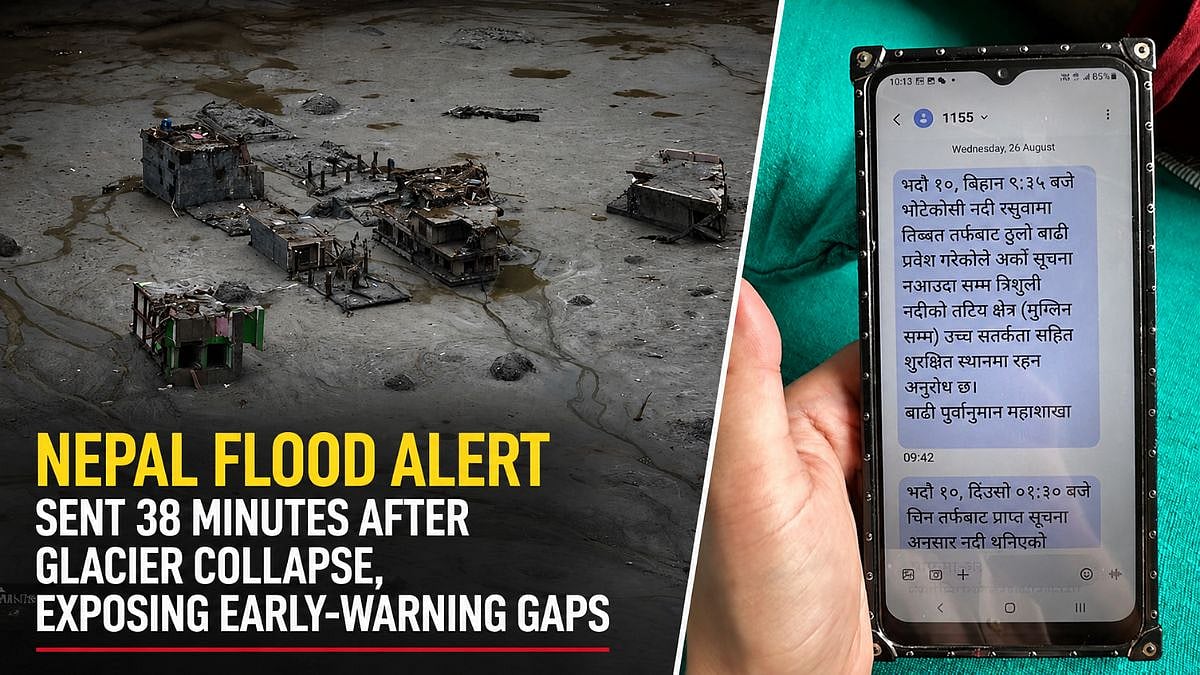
Nepal Flood Exposes Delayed Alerts and Cross-Border Warning Gaps

Bhotekoshi Flood Crisis: Nepal PM Shah Calls for Courage
Nepal PM Thanks India, China Amid Climate Compensation Demand