

2 hrs ago
Floods Leave Nepal Facing Major Waterborne Health Risks
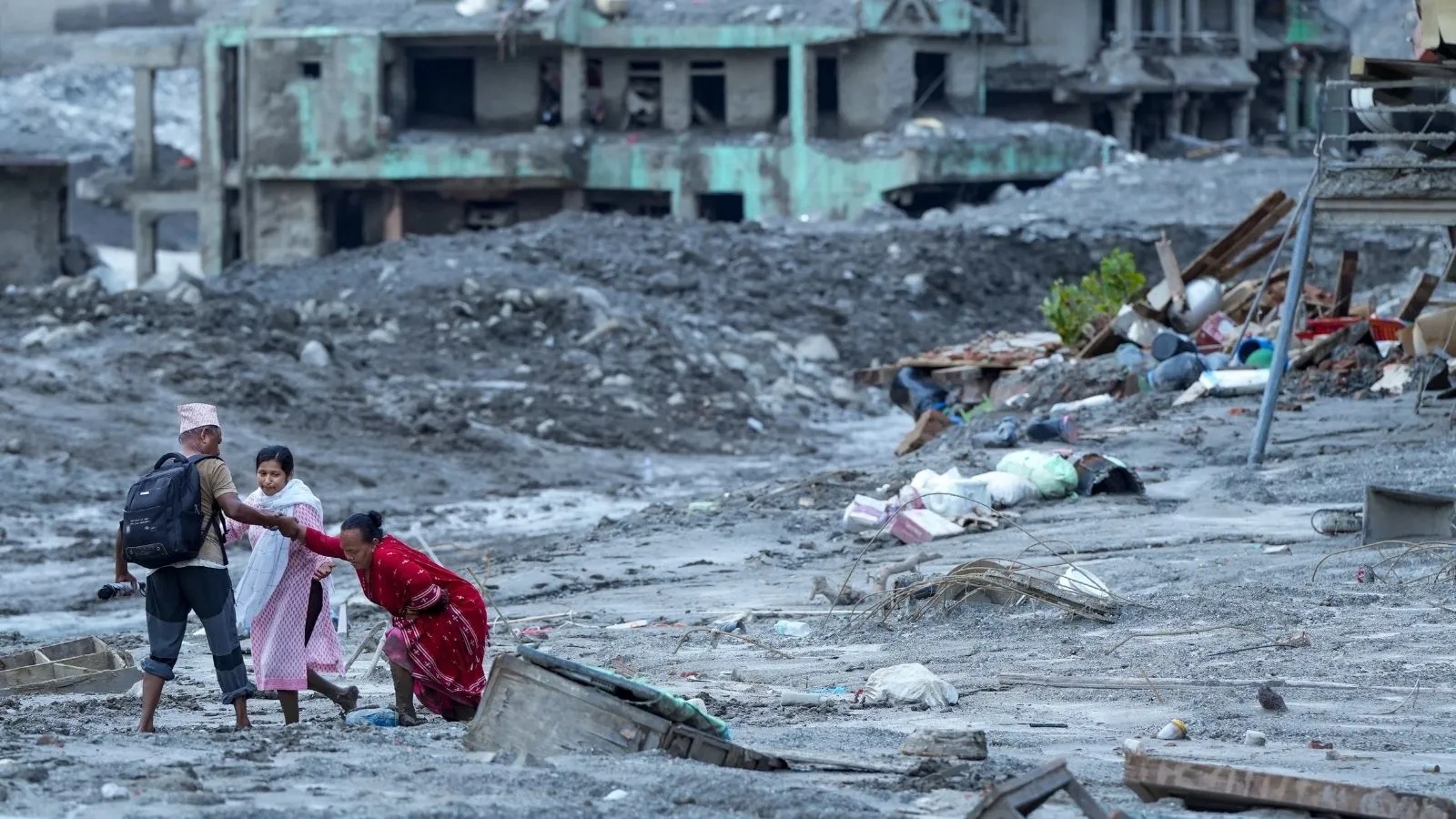
Floodwater can make drinking water and food unsafe.
It may carry sewage, animal waste, chemicals and germs.
This can cause diarrhoea, vomiting, stomach cramps, fever and dehydration.
Serious infections such as typhoid, cholera, dysentery and hepatitis A or E may spread.
Children, older adults and medically vulnerable people can lose fluids quickly.
People should drink safe water and avoid food touched by floodwater or kept without refrigeration.
They should wash their hands, keep raw and cooked food separate, and seek help for severe symptoms.
Stress after a flood may also cause IBS-like symptoms that need medical care and counselling.

Floodwater can contaminate drinking water and food with sewage, animal waste, chemicals and decaying material.
Common warning signs include diarrhoea, vomiting, abdominal cramps, fever and dehydration.
Contaminated food and water may spread typhoid, cholera, dysentery, and hepatitis A and E.
People should avoid untreated water and food exposed to floodwater or stored without proper refrigeration.
Repeated vomiting or diarrhoea, bloody stools, persistent fever, severe pain, low urine output, dizziness, weakness or confusion require medical attention.
- Who
- People living in areas affected by the Nepal-Tibet flash floods, especially children, older adults and medically vulnerable individuals.
- What
- Health experts warned that contaminated water and food could cause gastrointestinal infections, dehydration and other complications after flooding.
- Where
- Flood-affected areas of Nepal and Tibet.
- When
- After the recent flash floods, including after floodwaters recede.
- Why
- Floodwater can mix with sewage, animal waste, chemicals and decaying material, contaminating food, drinking-water sources and sanitation systems.
Key facts
- Primary health concern
- Gastrointestinal infections caused by contaminated food and water.
- Possible symptoms
- Diarrhoea, vomiting, abdominal cramps, fever and dehydration.
- Potential infections
- Typhoid, cholera, dysentery, and hepatitis A and E.
- Highest-risk groups
- Young children, older adults and people who are medically vulnerable.
- Food precautions
- Avoid food exposed to floodwater, spoiled food and food stored improperly during power outages.
- Water precautions
- Do not drink untreated water, even if it looks clean.
- Emergency warning signs
- Blood in stool, persistent fever, severe abdominal pain, reduced urine output, dizziness, weakness or confusion.
Quotes
Dr Manish Dodmani
Consultant gastroenterologist at KIMS Hospitals Thane
“One of the immediate concerns is contamination of drinking water and food. Floodwater can mix with sewage, animal waste, chemicals and decaying material, creating a setting where infections can spread quickly. For people in affected areas, diarrhoea, vomiting, abdominal cramps, fever and dehydration are some of the symptoms that should not be ignored.”
 indianexpress.com
“People should be especially careful about drinking untreated water, eating food that has been exposed to floodwater, or consuming food that has been stored without proper refrigeration. Even when water looks clean, it may still contain harmful microorganisms.”
indianexpress.com
Sources
Related news
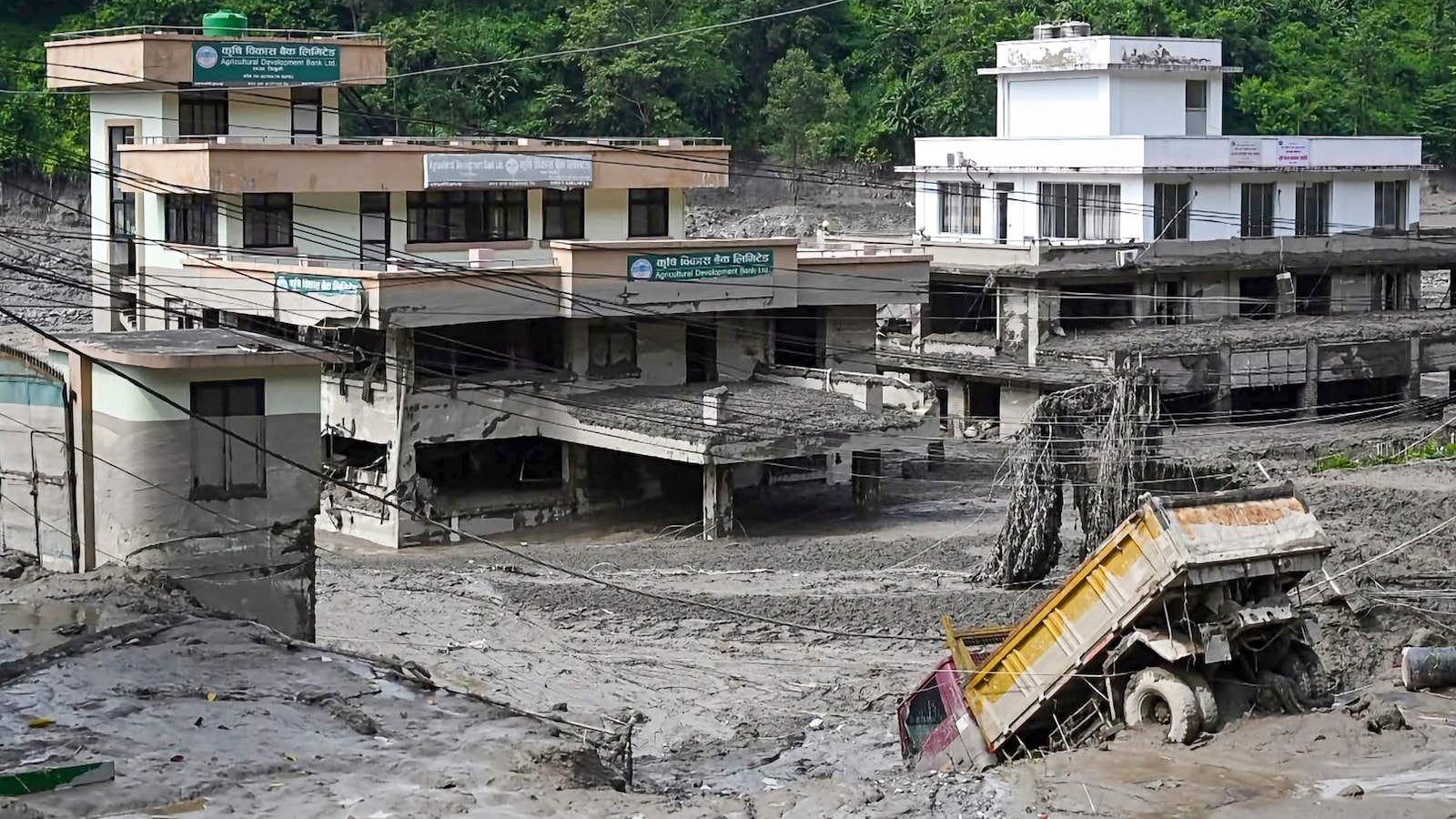
Nepal Floods Raise Concerns Over Infectious Disease Risks
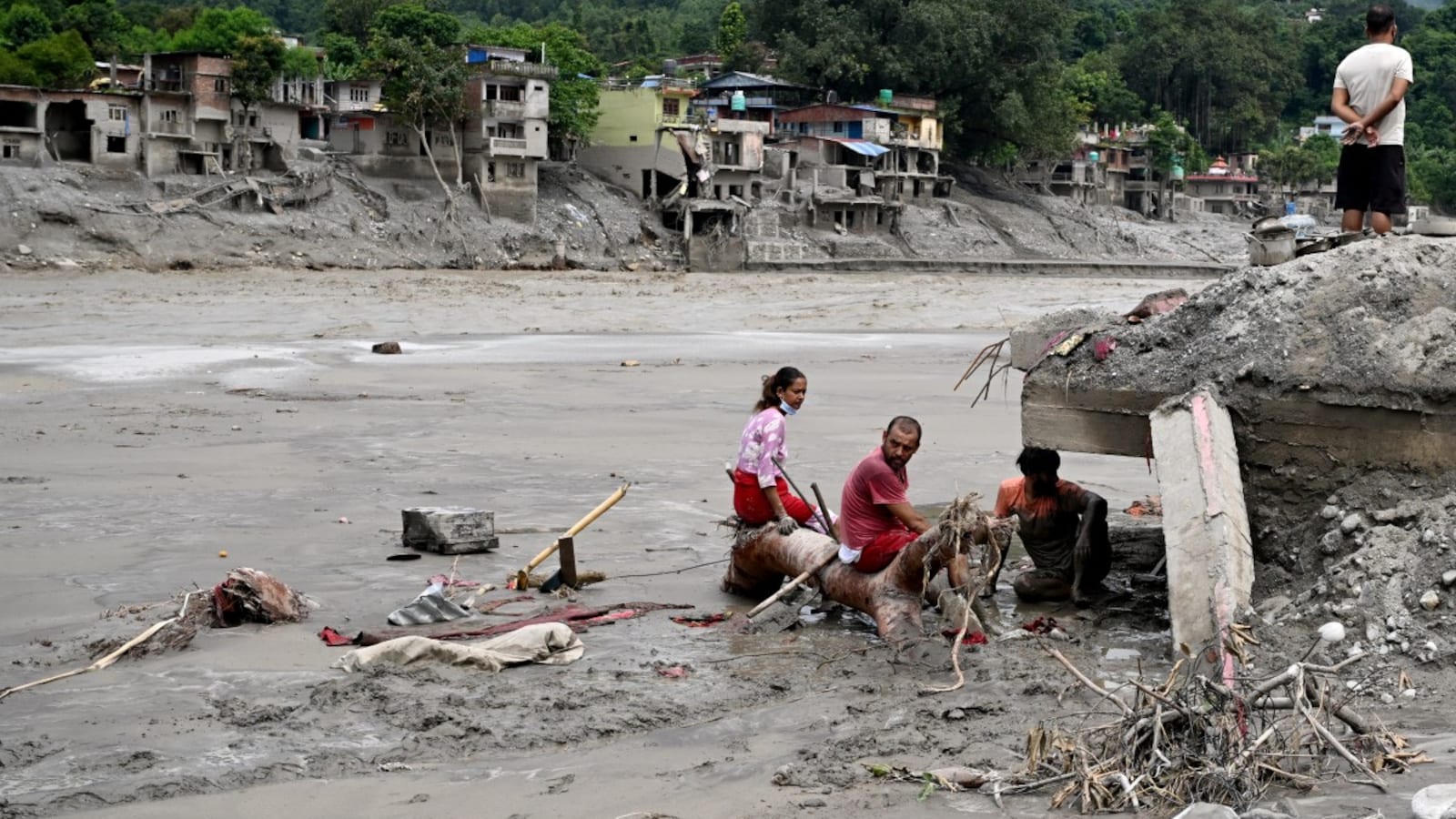
Nepal Flood Health Risks Can Persist Long Afterwaters Recede

Nepal Floods Raise Infectious Disease Risks and Safety Measures
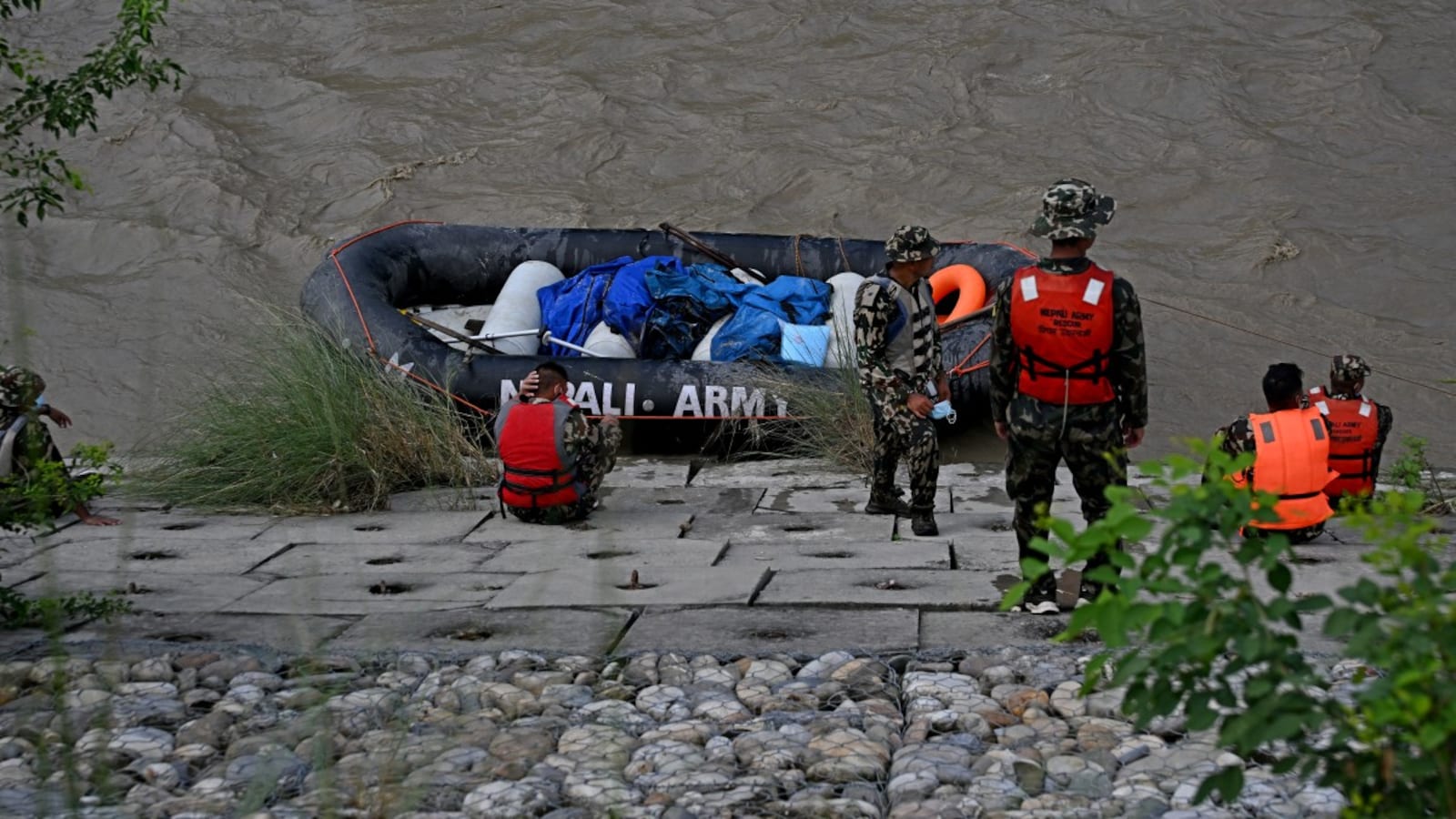
Nepal Floods Send Contamination Downstream, Threatening Bihar's Health

Bihar Warns Against Unknown Fish Carried By Nepal Floodwaters
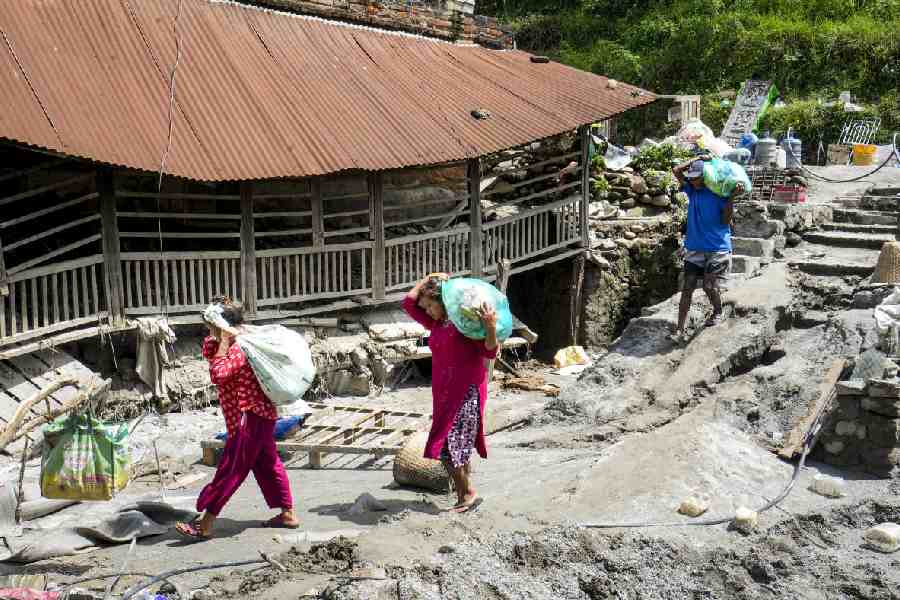
Nepal Flood Survivors Struggle for Food, Water and Shelter
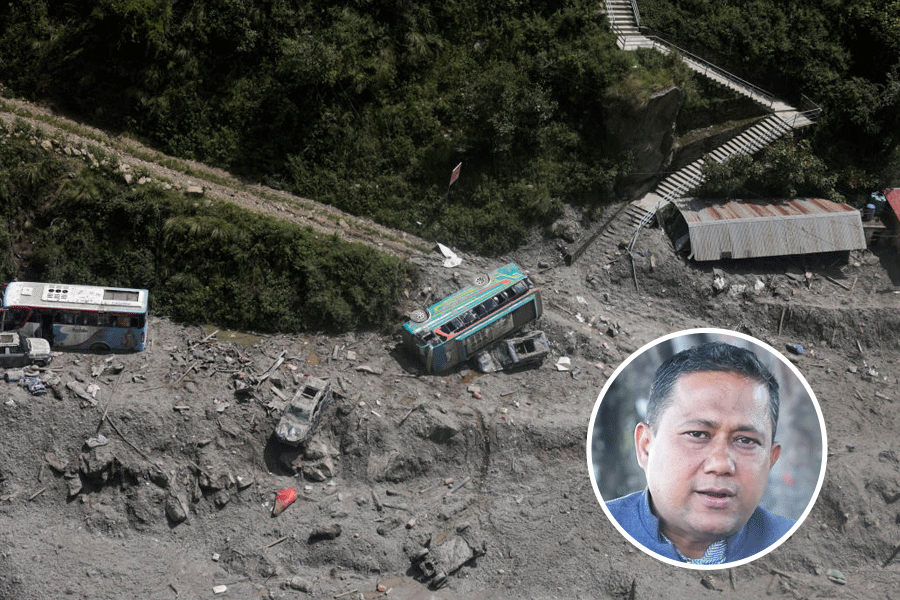
Nepal Calls Bhotekoshi Floods Himalayan Tsunami as Toll Rises

Magnitude 5.0 Earthquake Strikes Tibet After Nepal Flash Floods
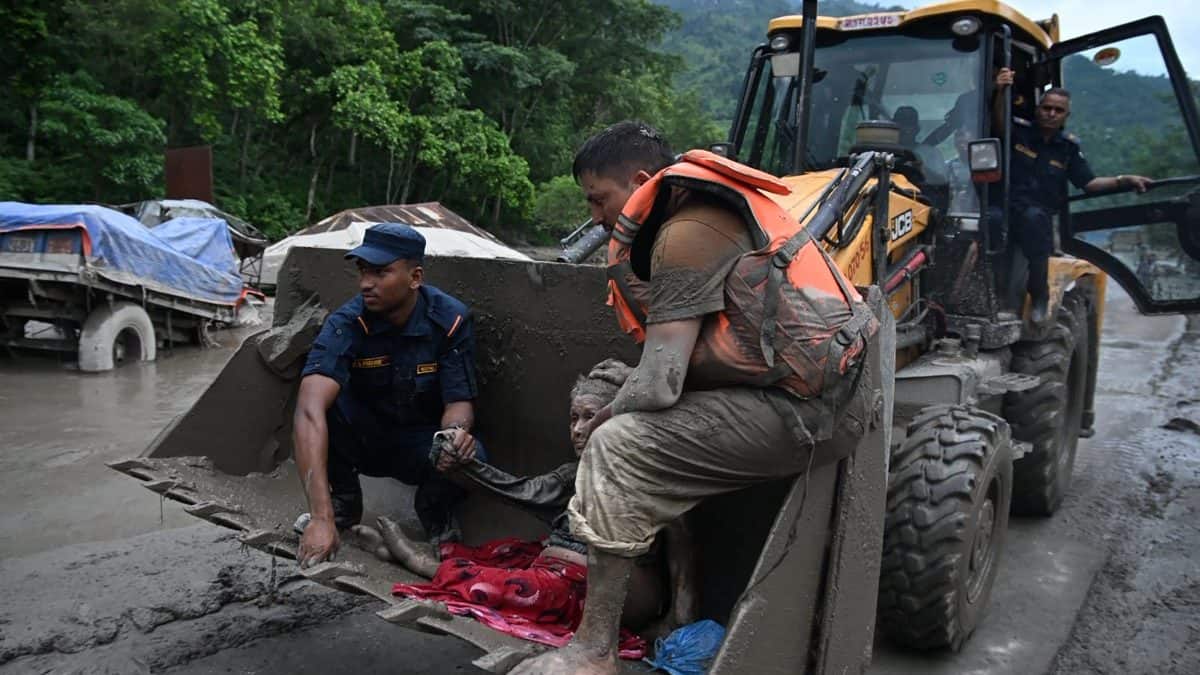
India Expands Nepal Flood Aid Beyond Emergency First Response
Magnitude 5.0 Earthquake Strikes Tibet After Deadly Nepal Glacier Disaster