4 hrs ago
UPI Debate Grows After Chandni Chowk Shops Reportedly Stop Payments
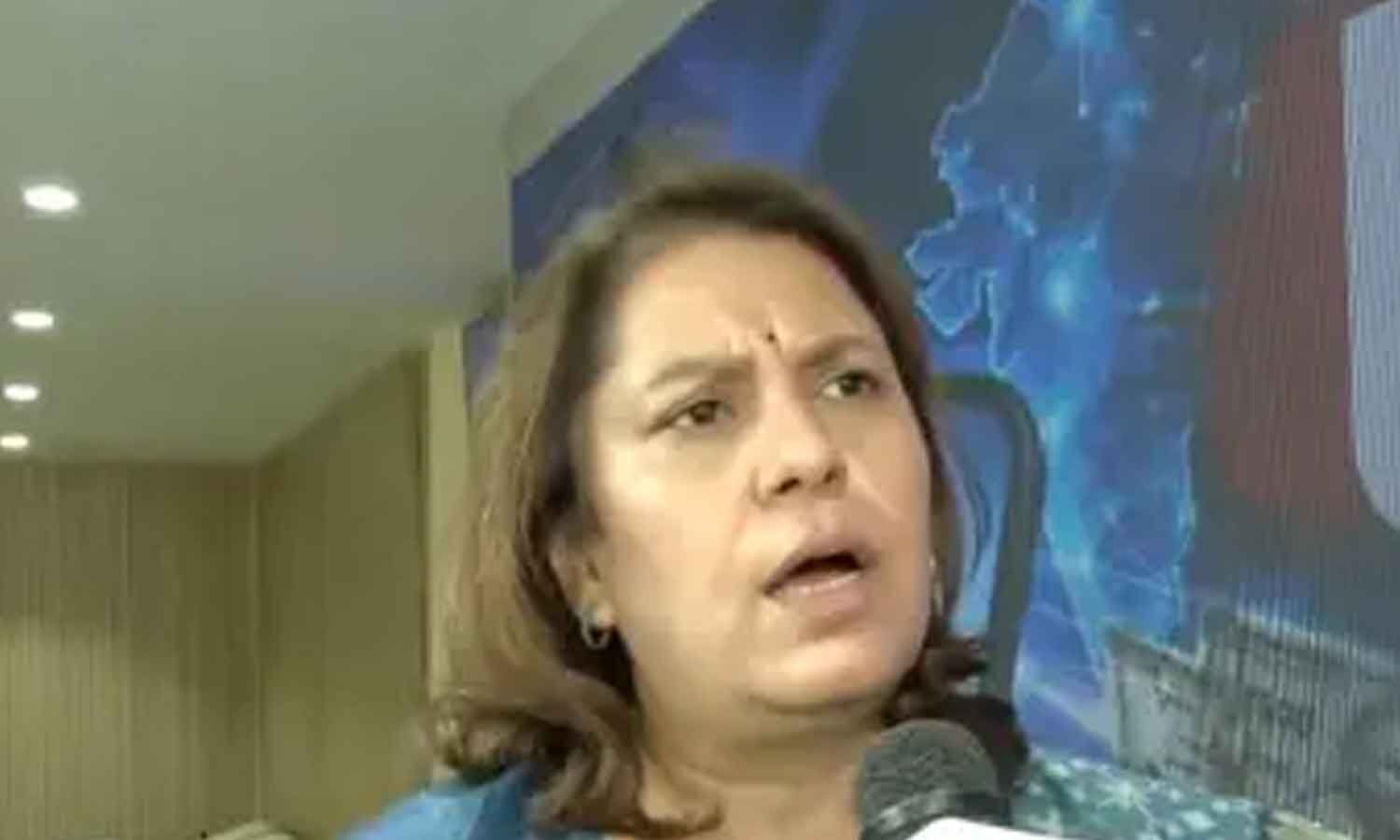
Some shops in Chandni Chowk were reported to have stopped taking UPI payments.
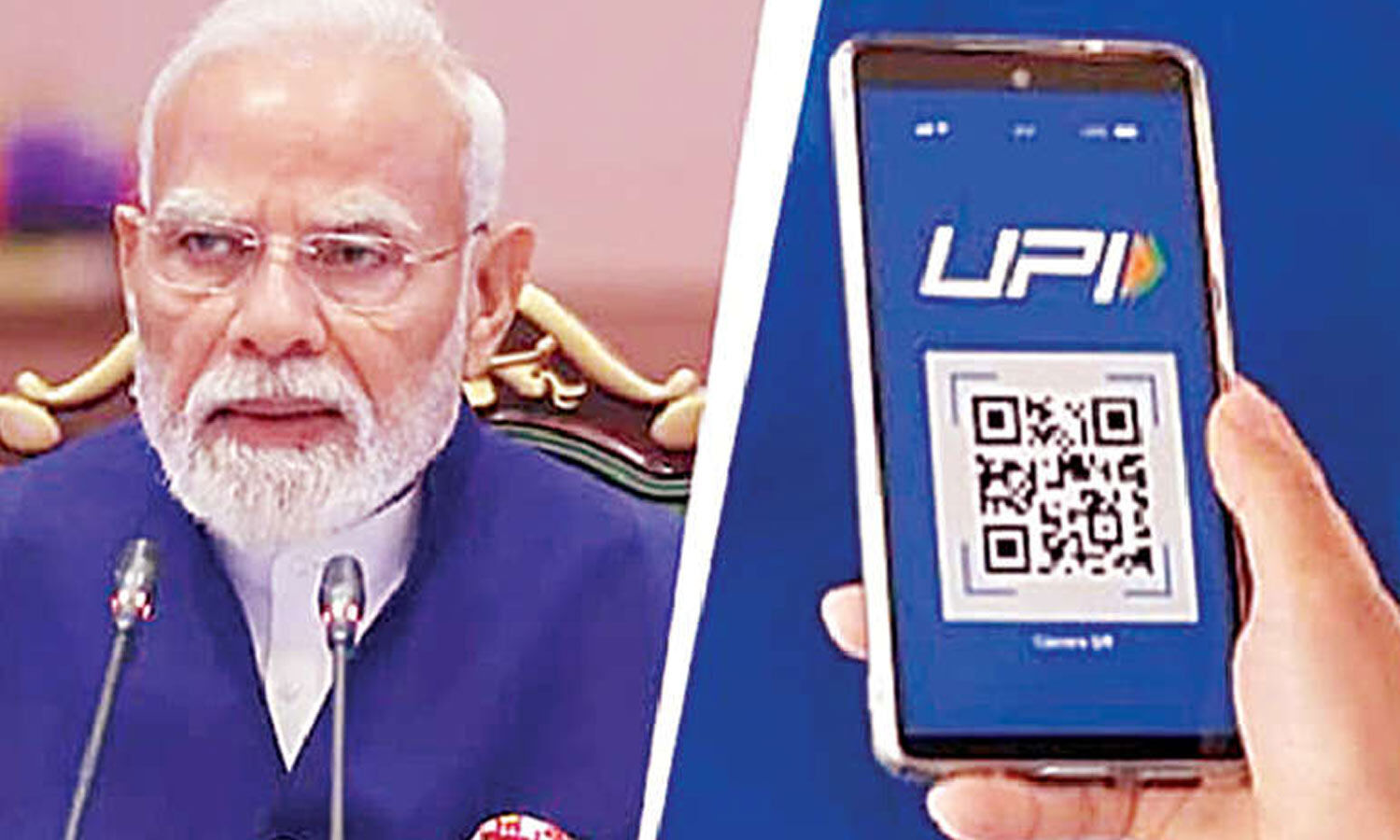
UPI is a way to pay digitally using a phone.
Supriya Shrinate said this could happen if customers are asked to pay extra money.
She said people may choose cash instead.
She also predicted that the practice could spread to other places.
The government said banks cannot charge for UPI payments up to Rs 2,000.
The same rule applies to payments up to Rs 2,000 made with RuPay debit cards.
The Finance Ministry said India makes its digital-payment decisions independently.

Some shops in Delhi’s Chandni Chowk market reportedly stopped accepting UPI payments.
Congress leader Supriya Shrinate said customers would likely switch to cash if UPI payments involved extra costs.
Shrinate predicted the trend could spread across Delhi and eventually the country.
The government said banks cannot charge for UPI transactions up to Rs 2,000.
The Finance Ministry rejected claims that UPI policy changes were driven by foreign influence.
- Who
- Congress leader Supriya Shrinate, Chandni Chowk shopkeepers, the government and the Finance Ministry.
- What
- Some Chandni Chowk shops reportedly stopped accepting UPI payments, prompting a debate over transaction charges and digital-payment policy.
- Where
- Delhi’s Chandni Chowk market, with possible implications across Delhi and India.
- When
- The government announced the charge restriction on Monday; Shrinate commented on Wednesday.
- Why
- Shrinate linked the reports to concerns about additional costs, while the government said qualifying UPI transactions cannot be charged and denied foreign influence over the policy.
Shrinate’s view
Government’s position
Effect of additional costs
Shrinate’s view
Shrinate said customers would not want to pay extra money and might switch from UPI to cash.
Government’s position
The government’s notification says banks cannot impose charges on UPI payments up to Rs 2,000.
Foreign influence
Shrinate’s view
Shrinate alleged that government decisions were being made for the benefit of US companies and under their pressure.
Government’s position
The Finance Ministry said India’s digital-payment decisions are made independently and rejected claims of foreign influence.
Future of the trend
Shrinate’s view
Shrinate said stopping UPI payments in Chandni Chowk could spread across Delhi and eventually the country.
Government’s position
The government response focused on the charge rules and did not endorse that prediction.
Key facts
- Reported development
- Some shops in Delhi’s Chandni Chowk market reportedly stopped accepting UPI payments.
- UPI charge limit
- Banks cannot impose charges on UPI transactions of up to Rs 2,000.
- RuPay rule
- No charges can be imposed on payments up to Rs 2,000 made through RuPay-powered debit cards.
- Shrinate’s prediction
- She said the practice could spread across Delhi and eventually the country.
- Cash comparison
- Shrinate said cash in the economy rose from Rs 17 lakh crore during demonetisation to more than Rs 40 lakh crore today.
- Government response
- The Finance Ministry rejected claims that changes in the UPI ecosystem were caused by foreign influence.
Quotes

Supriya Shrinate
Congress leader who commented on reports of Chandni Chowk shops stopping UPI payments
“The UPI system that was created -- if you have to pay extra money, you will pay it or you won’t. You will stop and pay in cash. The problem is that when demonetisation happened, cash was demonised. At that time, there was Rs 17 lakh crore in cash in the economy. Today, it is more than Rs 40 lakh crore, which is more than two and a half times higher.”
 thehansindia.com
“This is bound to happen; this will happen. Because people are not going to pay extra money out of their own pockets. Today, this has happened in Chandni Chowk; tomorrow, it will happen across Delhi, and eventually across the country.”
thehansindia.com
Sources
Related news
Congress Warns UPI Fees Loom After Government Notification

Ashneer Grover Warns UPI Charges Could Revive India’s Cash Economy
Rahul Gandhi Targets Modi Government Over Proposed UPI Charges

UPI Charges Debate Grows as MDR Framework Opens Higher Payments

Congress Calls New UPI Merchant Fees ‘Modi Tax’

Centre Rejects Foreign Pressure Claims Over New UPI Charges
India Cuts Export Levies on Petrol, Diesel and ATF

PIL Challenges UPI MDR Charges Above ₹2,000 in Supreme Court

Small Retailers Resist UPI MDR as Cash Payments Loom
Bank of Baroda Launches AI-Powered bob World 2.0 Banking App