

2 hrs ago
Government Rejects Rethink as UPI Fee Begins October 15
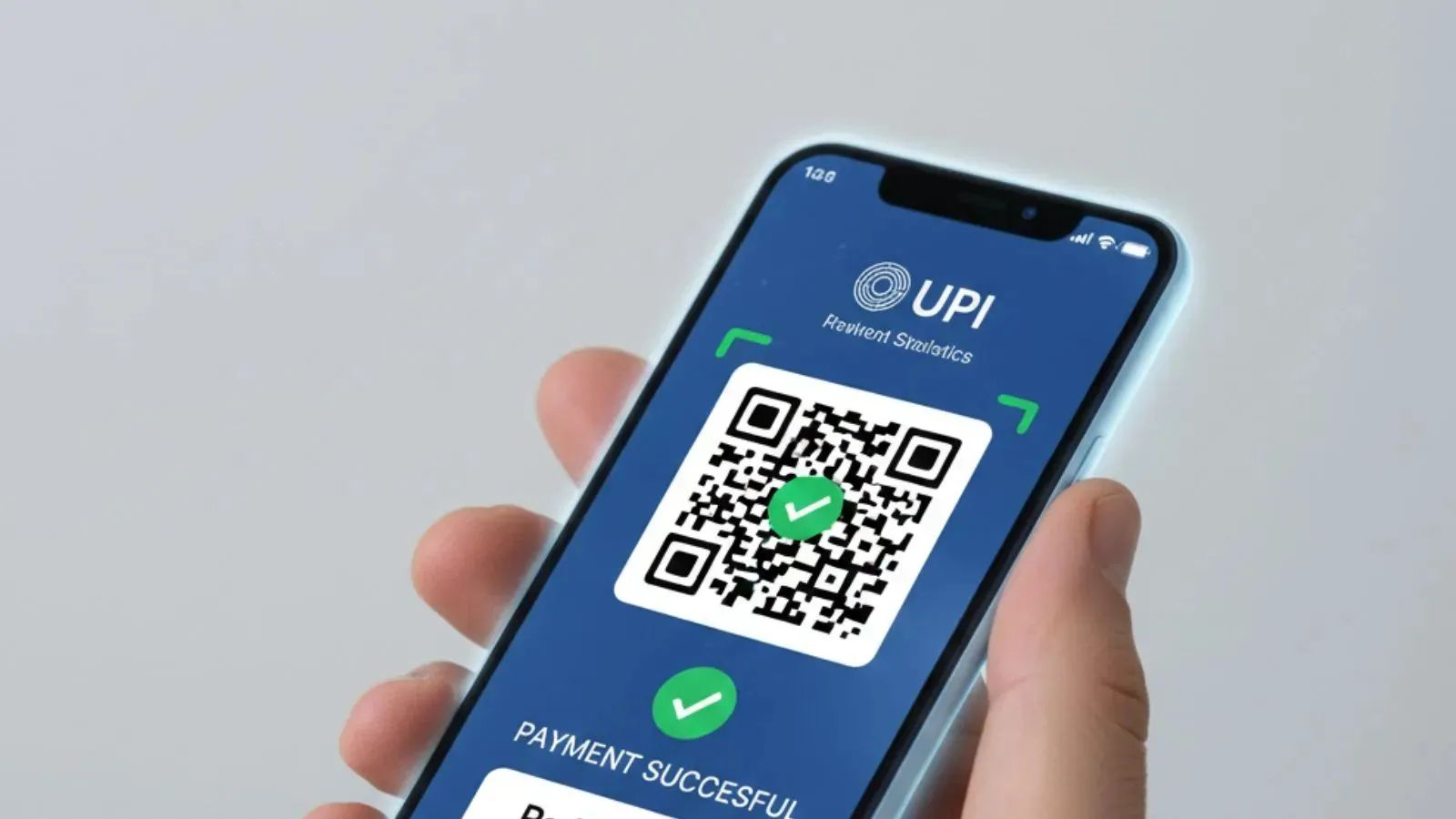
The government plans to charge merchants a small fee when customers make UPI payments above Rs 2,000.
The fee is called a Merchant Discount Rate, or MDR.
It is scheduled to start on October 15.
People sending money to friends or making smaller payments will still use UPI for free.
Customers are not supposed to pay this fee directly.
Small vendors earning up to Rs 1 lakh each month through UPI QR codes will remain exempt.
The government says the money will help make UPI safer and financially sustainable.
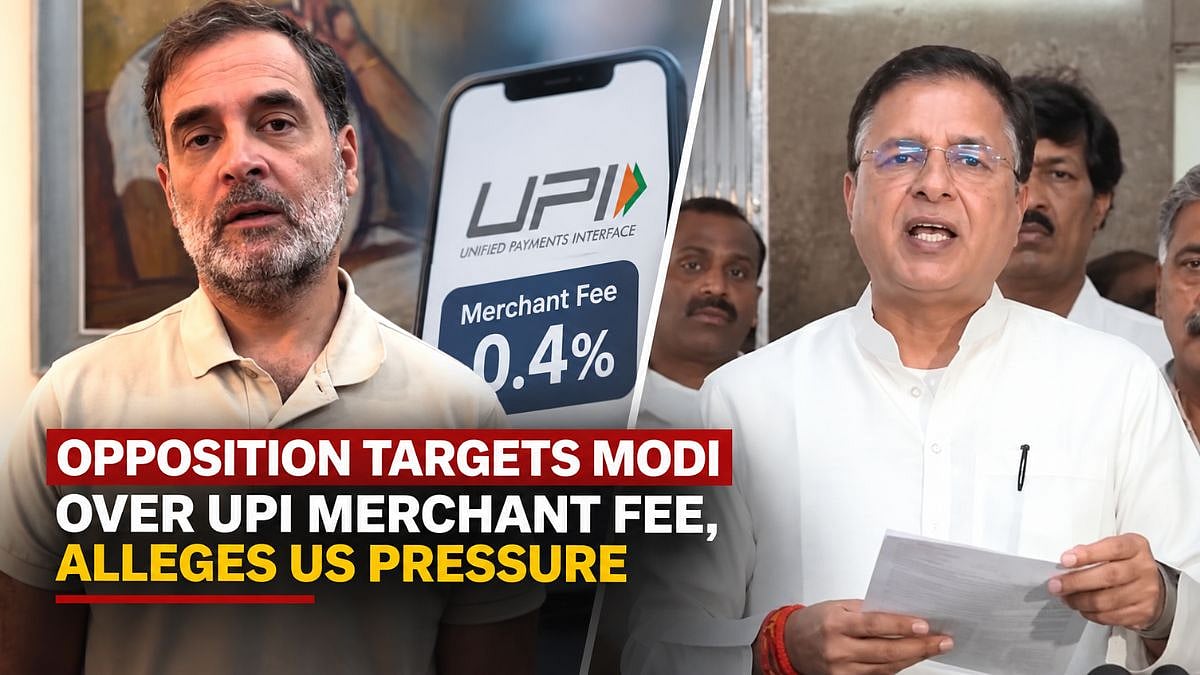
Traders and opposition parties disagree and say the decision hurts businesses and may have been influenced by the United States.

The government says it will not withdraw the 0.4% MDR on merchant UPI payments above Rs 2,000.
The fee is scheduled to take effect on October 15, while person-to-person transfers and smaller payments remain free.
The Finance Ministry says customers will not pay the charge, which will apply within the merchant payment ecosystem.
Vendors earning up to Rs 1 lakh monthly through UPI QR codes will continue to pay zero charges.
Traders, shopkeepers and opposition parties have criticized the move, while the government says it will strengthen UPI’s financial sustainability and security.
- Who
- The Indian government and Finance Ministry announced the policy; traders, shopkeepers and opposition parties criticized it.
- What
- A 0.4% Merchant Discount Rate will apply to merchant UPI payments above Rs 2,000, with some fixed charges for specified necessities.
- Where
- The policy applies to UPI merchant payments in India.
- When
- The new fee framework is scheduled to take effect on October 15.
- Why
- The government says the charge is intended to support UPI’s safety, security, expansion and financial self-sustainability.
Government Position
Critics’ Position
Need for the fee
Government Position
The government says MDR is necessary to make UPI financially self-sustaining and strengthen its safety and security.
Critics’ Position
Traders, shopkeepers and opposition parties oppose the charge, calling it an added burden on merchants and referring to it as the “Modi Tax”.
Foreign influence
Government Position
The Finance Ministry says claims that the policy resulted from foreign influence are false and that India makes UPI decisions independently.
Critics’ Position
The Congress alleges that the government surrendered to a United States demand, with Rahul Gandhi accusing Prime Minister Narendra Modi of yielding to pressure from US President Donald Trump.
Impact on users and small businesses
Government Position
The government says everyday UPI payments remain free, unlimited and affordable, while small merchants are protected from charges.
Critics’ Position
Critics argue that applying MDR to larger merchant payments could increase costs for traders and shopkeepers, despite the government’s exemptions.
Key facts
- Merchant fee
- 0.4% MDR on merchant UPI transactions above Rs 2,000.
- Effective date
- October 15.
- Customer charges
- Customers will not be required to pay the MDR directly.
- Exempt payments
- Person-to-person transfers and smaller payments remain outside the charge.
- Small-vendor exemption
- Vendors earning up to Rs 1 lakh monthly through UPI QR codes will continue to pay zero charges.
- Necessities charge
- Fuel, telecom and train-ticket payments above Rs 2,000 will carry a fixed Rs 5 charge per transaction.
- Transaction share
- The government says more than 95% of merchant transactions are below Rs 2,000.
- Existing support cost
- A parliamentary committee said the government spends around Rs 2,000 crore annually on the zero-MDR incentive scheme.
Quotes
Finance Ministry
India’s government ministry responsible for finance and economic policy
“Some claims suggest the change is due to foreign influence. This is false. India’s UPI policy decisions are made independently, with the clear goal of building a self-sustaining, inclusive, and affordable digital payments ecosystem.”
 indianexpress.com
“UPI continues to be free for customers. Sending money to friends, paying at shops, or scanning a QR code — all remain without charges.”
indianexpress.com
Sources
Related news
India Adds UPI Merchant Fees Above ₹2,000
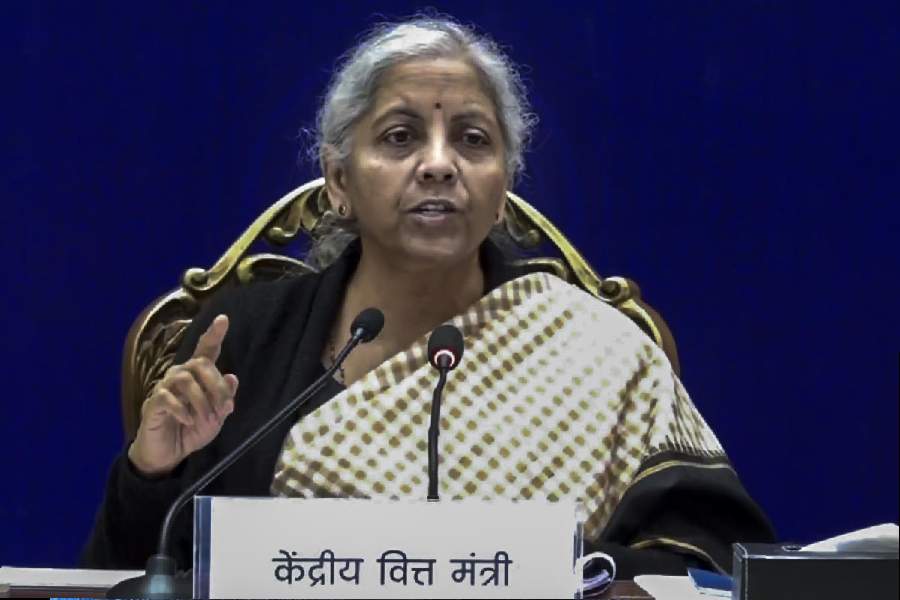
India Rejects Foreign Pressure Claim Over New UPI Charges

UPI Sets 0.4% MDR on High-Value Merchant Payments
Centre Rejects Foreign Influence Claims Over New UPI MDR
UPI Merchant Fee Draws Opposition Attack, Government Defence
UPI MDR Above ₹2,000 May Begin Within Two Weeks
India Sends 47 Lakh Litres of Diesel to Bangladesh

Rajnath Singh Praises Suvendu Adhikari’s Four-Month Bengal Governance
How Modi-Era Policies Reshaped India’s Digital Economy

Haifa Commemorates Indian Soldiers’ Role in World War I