1 hr ago
India Rejects Foreign Pressure Claim Over New UPI Charges
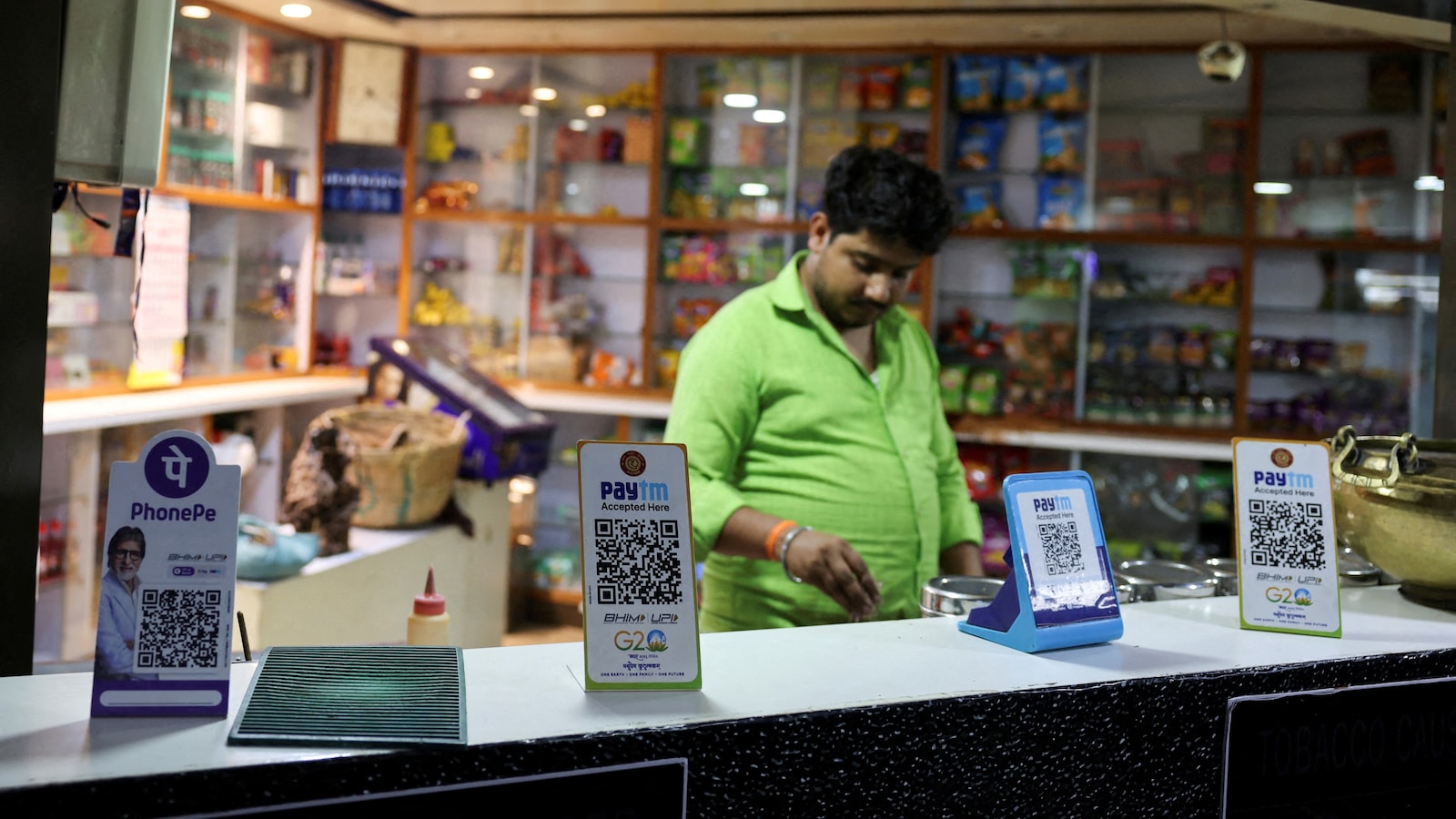
India is changing some rules for payments made through UPI.
Starting October 15, merchants may pay a small fee when customers make UPI payments above Rs 2,000.
People sending money to other people will not pay this fee.
Small merchants and many everyday payments will also remain free.
Essential services will have a flat Rs 5 fee for qualifying transactions.
The government says this fee is not a tax because the government does not collect it.
Instead, the money will be shared among banks and payment apps that help operate UPI.
Officials say the money will help make UPI safer, stronger, and more useful for small businesses.
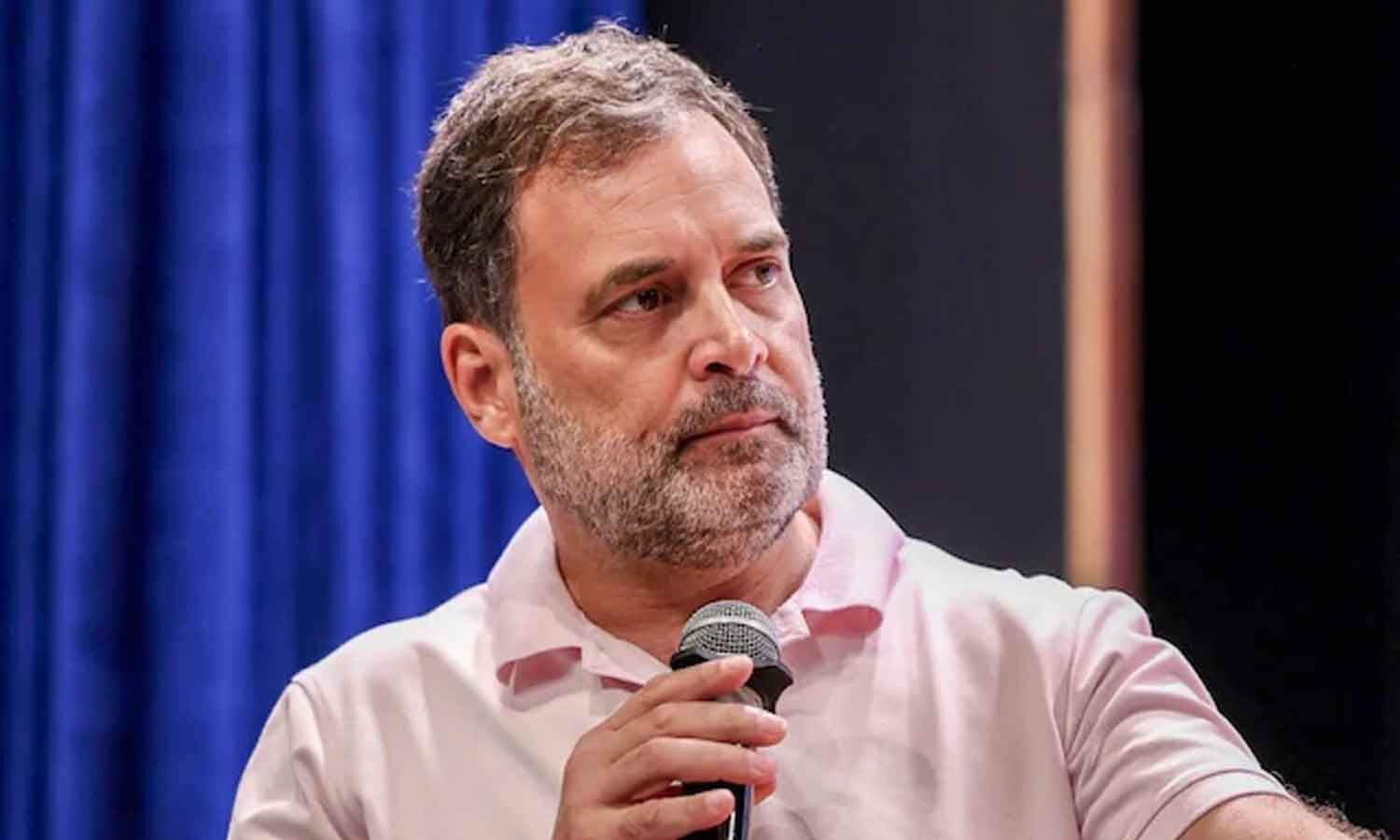
Opposition leaders argue that the policy was introduced because of pressure from the United States.

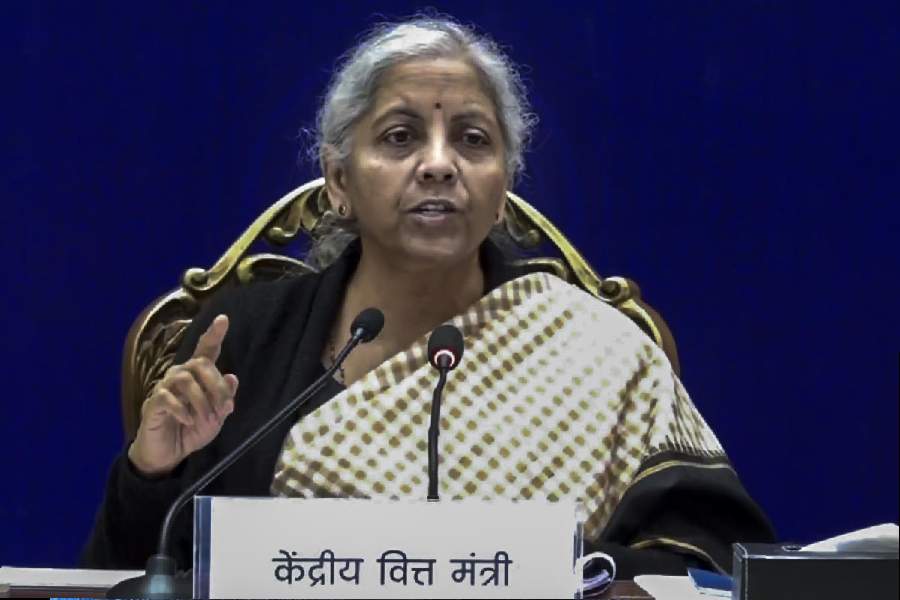
The Finance Ministry denied that foreign pressure influenced the new UPI Merchant Discount Rate policy.
From October 15, a 0.4% MDR will apply to person-to-merchant UPI payments above Rs 2,000.
Merchants, not consumers, will pay the charge; person-to-person transfers will remain free.
Small merchants, rural and semi-urban QR payments, and most everyday transactions will remain exempt.
The government says MDR revenue will support UPI infrastructure, cybersecurity, innovation, and small businesses.
- Who
- The Union Finance Ministry, the National Payments Corporation of India, and Opposition leaders including Rahul Gandhi, Mallikarjun Kharge, and KC Venugopal.
- What
- The government introduced a Merchant Discount Rate of up to 0.4% on person-to-merchant UPI payments above Rs 2,000 and rejected claims that foreign pressure caused the decision.
- Where
- Across India's UPI digital payments network.
- When
- The policy was announced and defended on September 16, 2026, and is scheduled to take effect on October 15, 2026.
- Why
- The government says the fee will help make UPI financially sustainable and fund infrastructure, cybersecurity, innovation, and support for smaller merchants.
Government and UPI Officials
Opposition Critics
Reason for the charge
Government and UPI Officials
The Finance Ministry says the policy was made independently and is intended to create a self-sustaining, inclusive, affordable, secure, and innovative digital payments ecosystem.
Opposition Critics
Congress and other Opposition leaders allege that the government introduced the MDR after succumbing to US pressure.
Whether MDR is a tax
Government and UPI Officials
The government says MDR is neither a tax nor a government or NPCI charge; revenue will be distributed among banks, payment application providers, and other ecosystem participants.
Opposition Critics
Rahul Gandhi called the measure a 'UPI tax,' while KC Venugopal described it as a 'new Modi tax.'
Effect on users and merchants
Government and UPI Officials
Officials say consumers, P2P transfers, small merchants, and most everyday payments will remain unaffected, while the proceeds will support infrastructure and small businesses.
Opposition Critics
Opposition leaders argue that the policy ultimately burdens ordinary citizens and reflects the government's broader concessions to Washington.
Key facts
- Standard MDR
- Up to 0.4% on person-to-merchant UPI payments above Rs 2,000.
- Who pays
- Merchants, not consumers, will pay the MDR.
- Person-to-person payments
- P2P UPI transfers will remain free regardless of amount.
- Small merchants
- Merchants collecting up to Rs 1 lakh monthly through UPI QR codes remain exempt.
- Essential services
- Railway, fuel, telecom, insurance, and other listed essential-service payments above Rs 2,000 will carry a flat Rs 5 fee.
- Capital markets
- Mutual fund and stockbroking payments will carry an MDR of 0.02%, capped at Rs 300.
- UPI scale
- UPI processed 24.5 billion transactions in August 2026 and handled transactions worth roughly Rs 314 lakh crore in financial year 2025-26.
Quotes

Union Ministry of Finance
The Indian government ministry responsible for finance policy
“Some claims suggest the change is due to foreign influence. This is false. India’s UPI policy decisions are made independently, with the clear goal of building a self-sustaining, inclusive, and affordable digital payments ecosystem.”
 freepressjournal.in
 telegraphindia.com
 NDTV
NDTV
 thestatesman.com
“The new framework ensures resources from higher-value merchant transactions are reinvested to support small businesses and strengthen digital payments across the country.”
freepressjournal.in
thestatesman.com
Sources
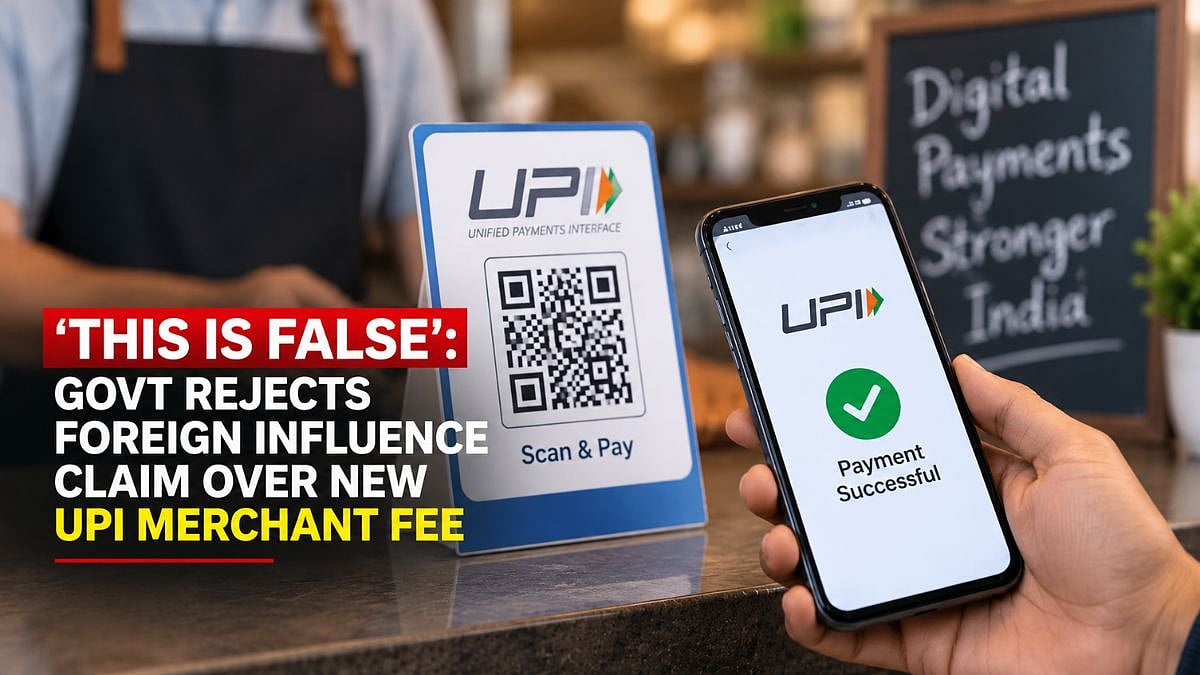
‘This Is False’: Govt Rejects Foreign Influence Claim Over New UPI Merchant Fee
Centre denies US pressure, says MDR on UPI payments is India’s own decision - Telegraph India
"No Foreign Influence": On UPI Charges, Centre Trashes Opposition's Claim

UPI MDR charges row: Govt dismisses Opposition’s ‘foreign influence’ claim
Related news
Centre Rejects Foreign Influence Claims Over New UPI MDR

Government Rejects Rethink as UPI Fee Begins October 15
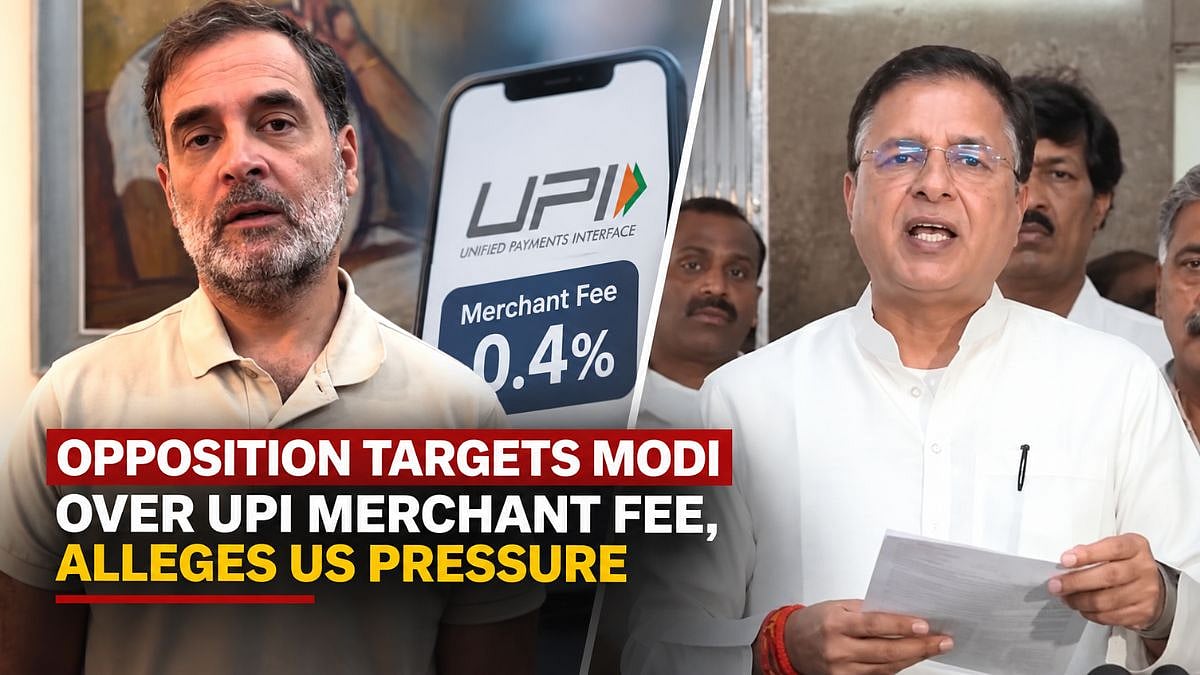
UPI Merchant Fee Draws Opposition Attack, Government Defence
India Adds UPI Merchant Fees Above ₹2,000

Congress Calls New UPI Merchant Fees ‘Modi Tax’

New UPI MDR Charges Raise Fears of Cash Return
US House Advances Russia Sanctions Bill, Kharge Attacks Modi
After Haldwani Controversy, Nitin Nabin Demands Faster Uttarakhand BJP Response
Experts Challenge British-Interpolation Claims About Manusmriti Bias