2 hrs ago
Pakistan Tightens Islamabad Security Ahead of Rival Protest Marches

Pakistan is preparing for two large political protests in its capital, Islamabad.
One protest is led by Jamaat-i-Islami against a tax added to fuel prices.
The other is planned by PTI for September 27 and calls for Imran Khan to be released from jail.
The government is putting containers on roads and increasing security at important places.
It says violent groups will not be allowed to enter the capital.
Hospitals have been told to stay ready in case people are injured or need urgent care.
The finance minister says blocked roads and strikes could cost the country more than $400 million in one day.
Protest leaders and the government disagree about the demands and how the protests should be handled.

Pakistan has deployed containers and strengthened security around Islamabad ahead of separate PTI and Jamaat-i-Islami mobilisations.
PTI plans a nationwide protest and march toward Islamabad on September 27 to demand Imran Khan’s release.
Jamaat-i-Islami has protested since August 16 against the petroleum levy and is also mobilising toward the capital.
Finance Minister Muhammad Aurangzeb estimates disruptions could cost Pakistan PKR 120 billion, or more than $400 million, in one day.
Hospitals including PIMS and Federal Government Polyclinic have been ordered to keep emergency services, intensive care, operating theatres, blood banks and ambulances ready.
- Who
- Pakistan’s government, Pakistan Tehreek-i-Insaf, Jamaat-i-Islami, and their supporters are involved; Imran Khan is the central figure in PTI’s demand.
- What
- Authorities are tightening Islamabad security ahead of two protest campaigns while warning that disruption could cause major economic losses.
- Where
- Islamabad, Pakistan, including routes into the capital, entry and exit points, sensitive locations, and major hospitals.
- When
- Jamaat-i-Islami’s protest began on August 16, and PTI has scheduled its nationwide protest for September 27; PIMS arrangements are expected to continue until September 30.
- Why
- Jamaat-i-Islami wants the petroleum levy withdrawn, while PTI is demanding Imran Khan’s release; the government says it must preserve public order and prevent economic disruption.
Protesters’ demands
Government’s position
Reason for mobilization
Protesters’ demands
PTI is seeking Imran Khan’s release, while Jamaat-i-Islami is demanding withdrawal of the petroleum levy.
Government’s position
The government says the protests and possible road blockages threaten law and order and economic activity.
Access to Islamabad
Protesters’ demands
PTI intends to march toward Islamabad, and Jamaat-i-Islami’s mobilisation toward the capital is already underway.
Government’s position
The government has deployed containers, reviewed entry and exit policing, and says violent groups will not be allowed to reach Islamabad.
Economic consequences
Protesters’ demands
The parties are pursuing political and economic demands through protest campaigns.
Government’s position
Finance Minister Muhammad Aurangzeb describes prolonged strikes, sit-ins and blocked roads as “self-inflicted pain” that could cost PKR 120 billion in one day.
Key facts
- PTI protest date
- September 27
- Jamaat-i-Islami campaign
- Opposes the petroleum levy; protests have continued since August 16.
- Estimated daily economic impact
- PKR 120 billion, or more than $400 million.
- Estimated sector losses
- Services: PKR 86 billion; industry: PKR 25 billion; agriculture: PKR 9 billion.
- Estimated revenue loss
- The government could lose approximately PKR 17 billion in revenue.
- IT exports cited
- Pakistan earned $811 million from IT exports in July and August; the finance minister said earlier internet disruptions reduced IT exports by about 80 percent.
- Medical preparations
- PIMS and Federal Government Polyclinic are keeping emergency and trauma facilities, intensive care units, operating theatres, blood banks and ambulances operational.
Quotes
Attaullah Tarar
Pakistan’s information minister
“No violent group will be allowed to reach Islamabad.”
 thestatesman.com
Sources
Related news
Pakistan PTI March Tensions Rise as Sister Arrested
Pakistan Government Talks With Jamaat-e-Islami End Without Breakthrough
Naqvi Warns PTI Against Forceful March Into Islamabad

Pakistan Announces Three-Month Austerity Drive Amid Gulf Conflict
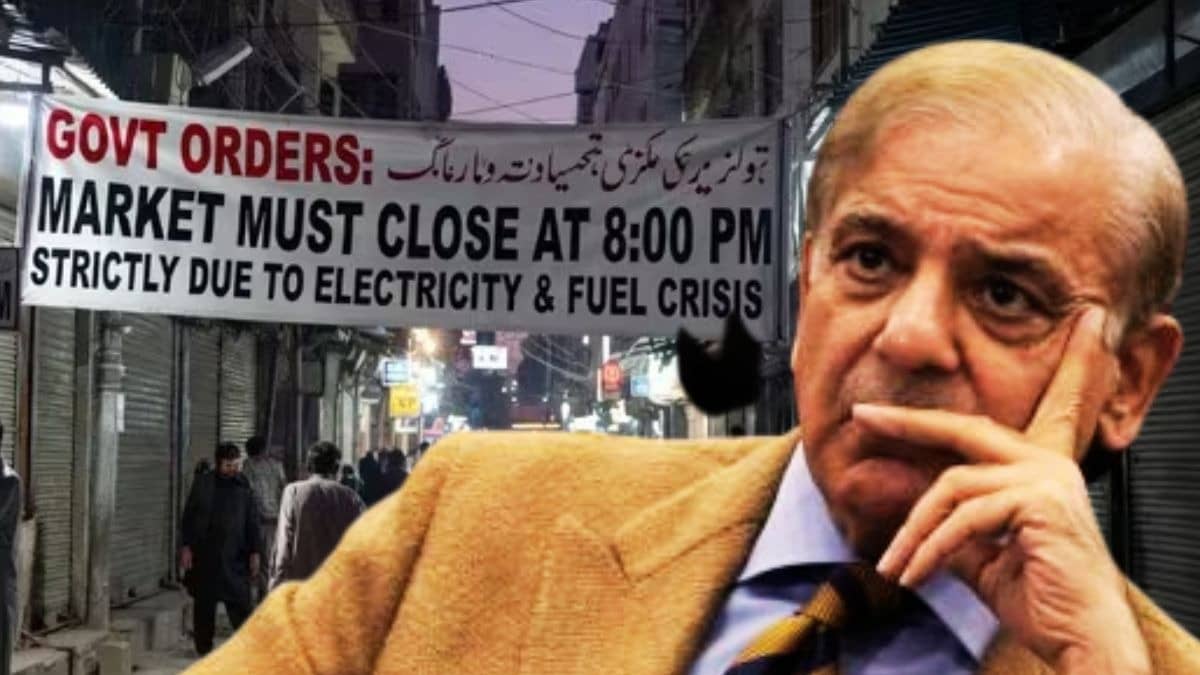
Pakistan Imposes Fuel, Spending and Wedding Austerity Measures
PTI Lawmakers Ride Donkey Carts to Protest Pakistan Fuel Hike

Bollywood Stars Who Defined the Bold Style of the 1980s
Historian Highlights Qutb Shahi Women’s Political and Cultural Influence
Book Review Reframes Aurangzeb and Mughal Imperial Power