7 hrs ago
Pakistan Government Talks With Jamaat-e-Islami End Without Breakthrough
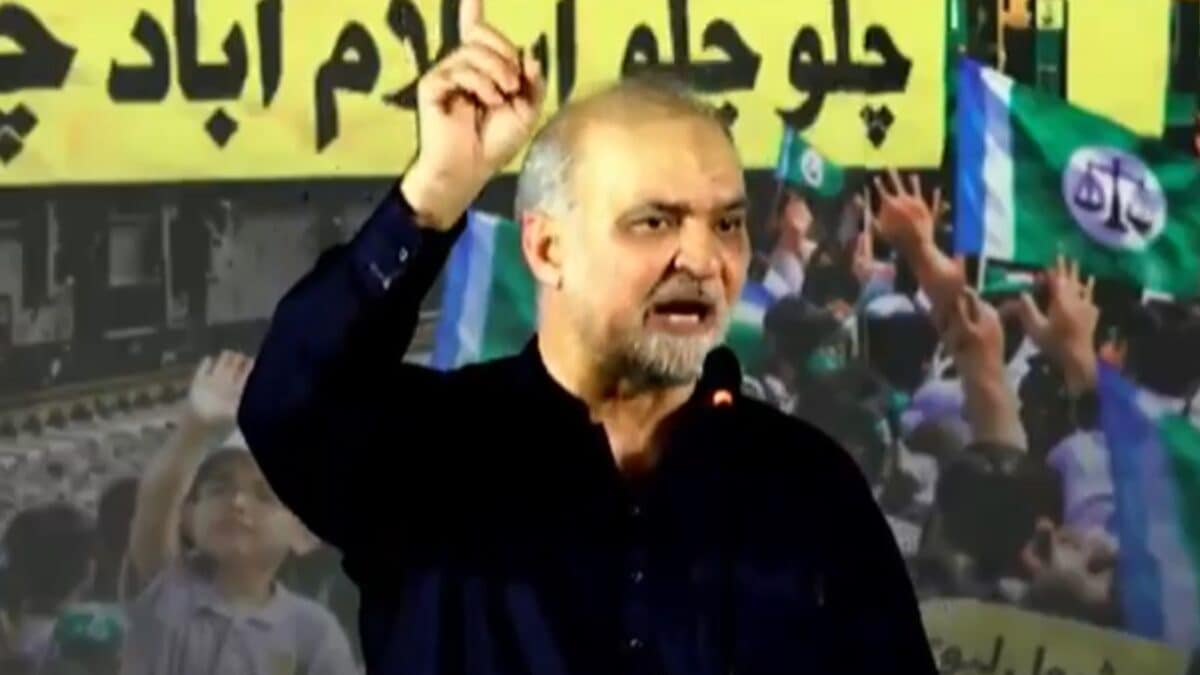
Jamaat-e-Islami has started a large march in Pakistan.
Its supporters are traveling from several cities toward Islamabad.
The group wants fuel prices and utility bills to become cheaper.
It also wants fewer taxes on salaried workers and industrial employees.
The party says richer groups should carry more of the tax burden.
The government asked the group to delay the march, but Jamaat-e-Islami refused.
The march is expected to turn into a sit-in in Islamabad on September 23.
Security has been increased and Islamabad’s Red Zone has been sealed.
Two other groups have also announced marches later in the month.

Jamaat-e-Islami began its Super Long March toward Islamabad on September 20 after rejecting the government’s request to postpone it.
Marchers departed from Karachi, Peshawar, Quetta and Lahore, with the movement scheduled to become a sit-in in Islamabad on September 23.
The party is demanding withdrawal of the petroleum development tax and lower petrol prices, including a proposed baseline of Rs 225 per liter.
Other demands include utility-rate reductions, tax relief for salaried workers and industry, and shifting taxes toward wealthier groups and large landowners.
Pakistan is also facing planned marches by Pakistan Kisaan Ittehad on September 25 and Pakistan Tehreek-e-Insaf on September 27.
- Who
- Jamaat-e-Islami, led by Emir Hafiz Naeemur Rehman, and the Pakistan government are the main parties involved; Pakistan Kisaan Ittehad and Pakistan Tehreek-e-Insaf have also announced marches.
- What
- Jamaat-e-Islami has launched a Super Long March toward Islamabad after talks with the government produced no breakthrough.
- Where
- The march began from Karachi, Peshawar, Quetta and Lahore and is headed toward Islamabad.
- When
- The march began on September 20, 2026, and is scheduled to become an Islamabad sit-in on September 23.
- Why
- Jamaat-e-Islami is protesting fuel and utility costs, taxes on salaried and industrial workers, government spending, and taxes on educational materials.
Jamaat-e-Islami
Pakistan Government
Whether to proceed with the march
Jamaat-e-Islami
Jamaat-e-Islami rejected the government’s appeal for deferment and proceeded with its march toward Islamabad.
Pakistan Government
The government appealed for the march to be postponed; the article does not specify further details of its position.
Economic policy demands
Jamaat-e-Islami
Jamaat-e-Islami is demanding lower fuel and utility prices, tax relief for salaried and industrial workers, reduced federal spending, and greater taxation of wealthy groups.
Pakistan Government
The government held negotiations with Jamaat-e-Islami, but the talks ended without a breakthrough and the article does not report acceptance of the demands.
Key facts
- March start date
- September 20, 2026
- Planned Islamabad sit-in
- September 23
- Starting cities
- Karachi, Peshawar, Quetta and Lahore
- Main fuel demand
- Withdrawal of the petroleum development tax and a proposed petrol price of Rs 225 per liter
- Utility demand
- Cuts of up to 20% or more in electricity and gas rates
- Spending demand
- A suggested reduction of about 35% in non-development federal expenditures
- Security measures
- Islamabad’s Red Zone was sealed and heavy security was deployed
Sources
Related news
Pakistan PTI March Tensions Rise as Sister Arrested
PTI Lawmakers Ride Donkey Carts to Protest Pakistan Fuel Hike
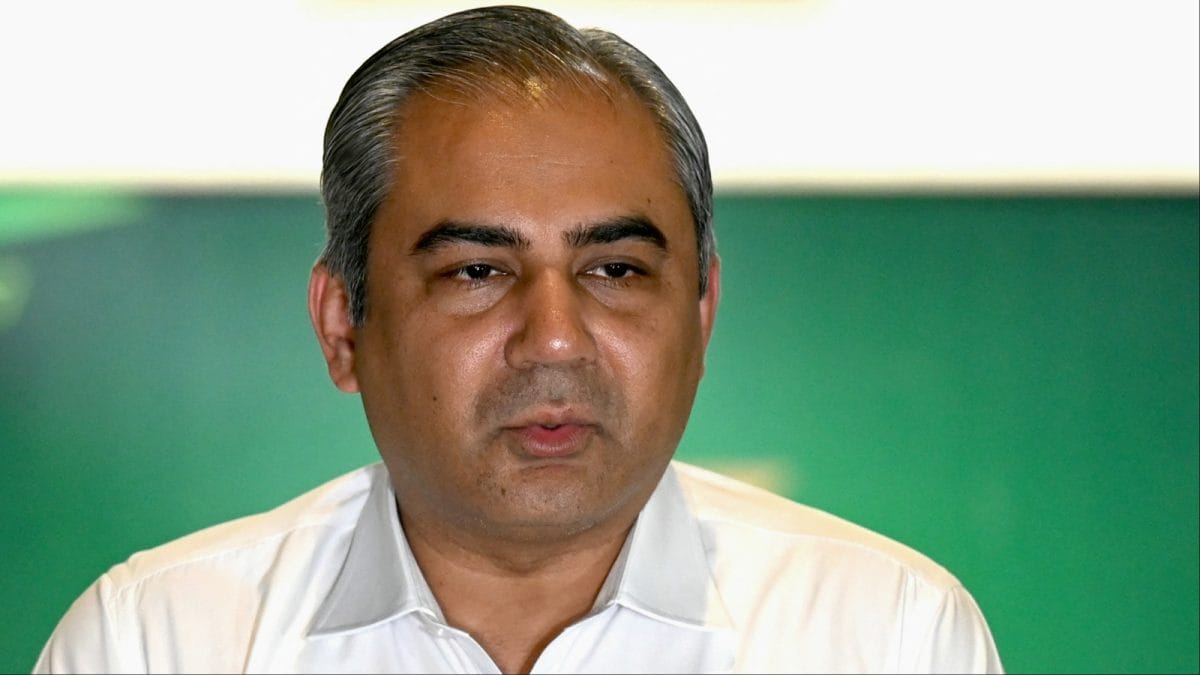
Naqvi Warns PTI Against Forceful March Into Islamabad
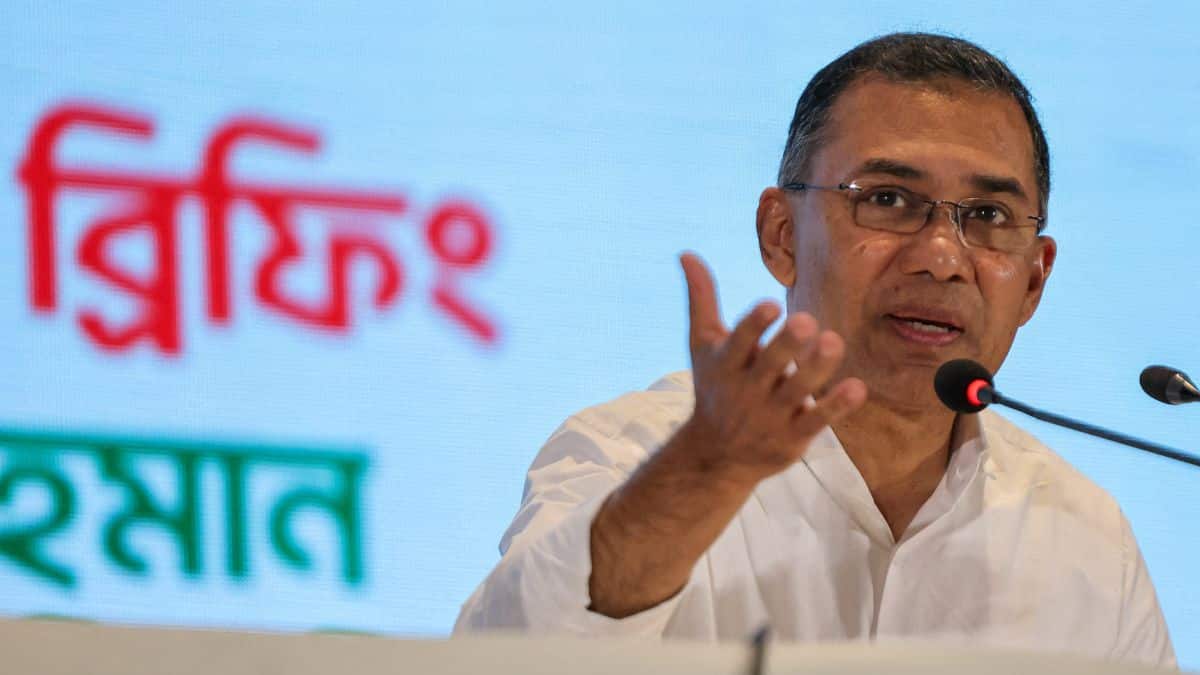
Bangladesh Opposition Escalates Pressure on Prime Minister Tarique Rahman

Pakistan Announces Three-Month Austerity Drive Amid Gulf Conflict

PoK Action Committee Calls Four-Day Consultations Amid Continuing Protests
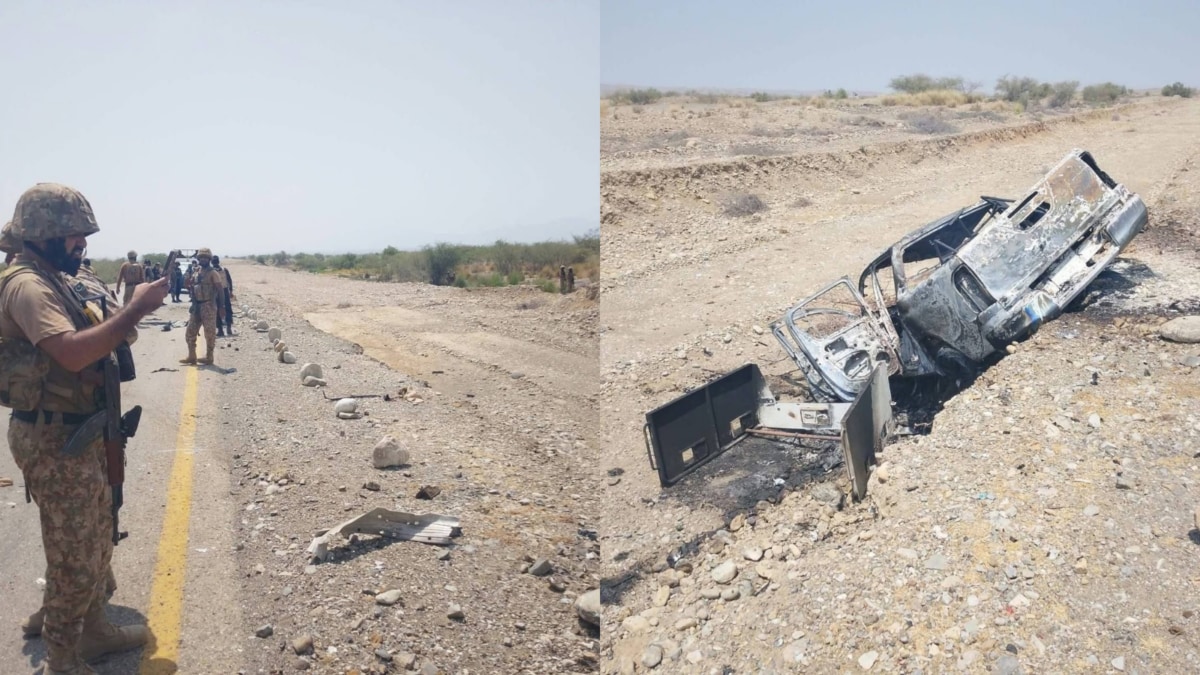
BLA Attack on Pakistani Army Convoy Leaves 23 Feared Dead

Rights Group Condemns Arrest of Retired Balochistan Police Surgeon
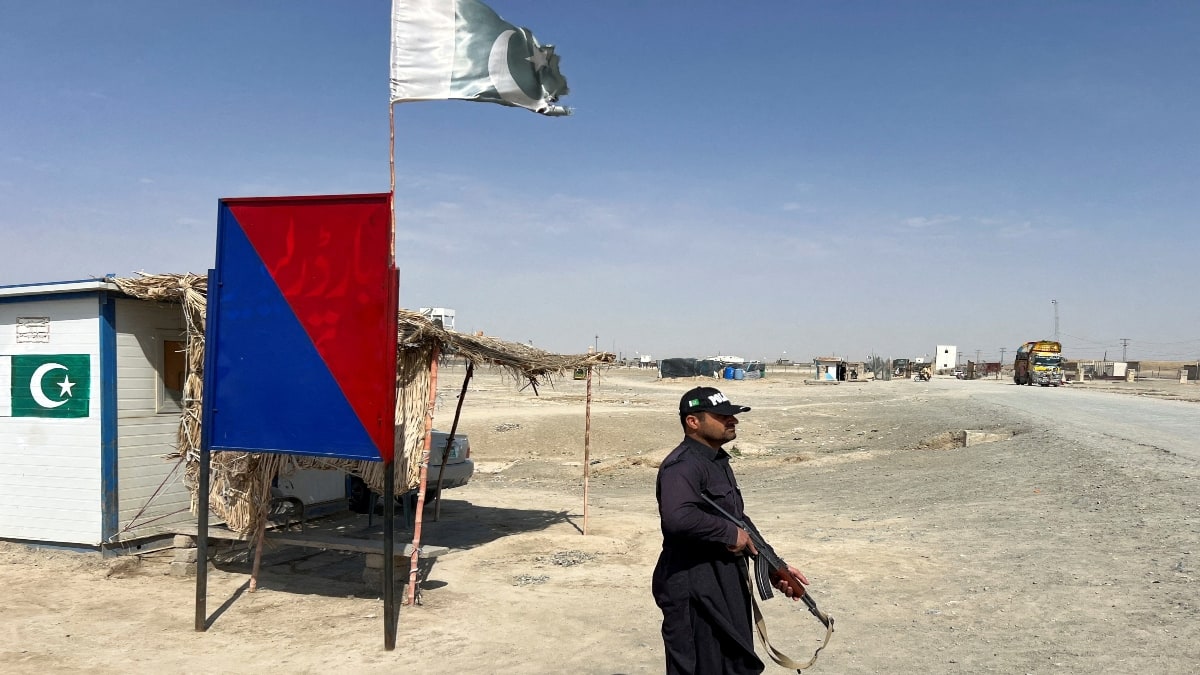
BLA Claims 25 Killed as Pakistan Reports 48 Militants Dead

Pakistani Forces Kill 12 After Balochistan Convoy Attack