1 week ago
Tunnel Excitement Overshadows Golconda Fort’s Declining Heritage
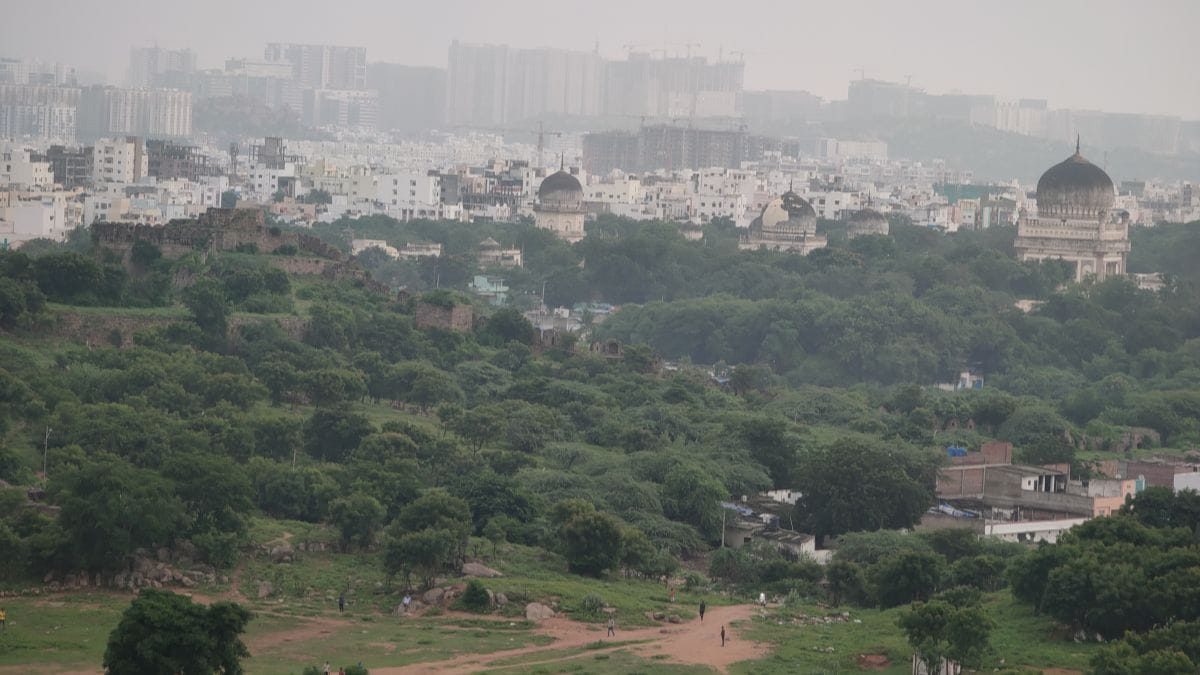
People in Hyderabad became excited after hearing that a secret tunnel might have been found near Golconda Fort.
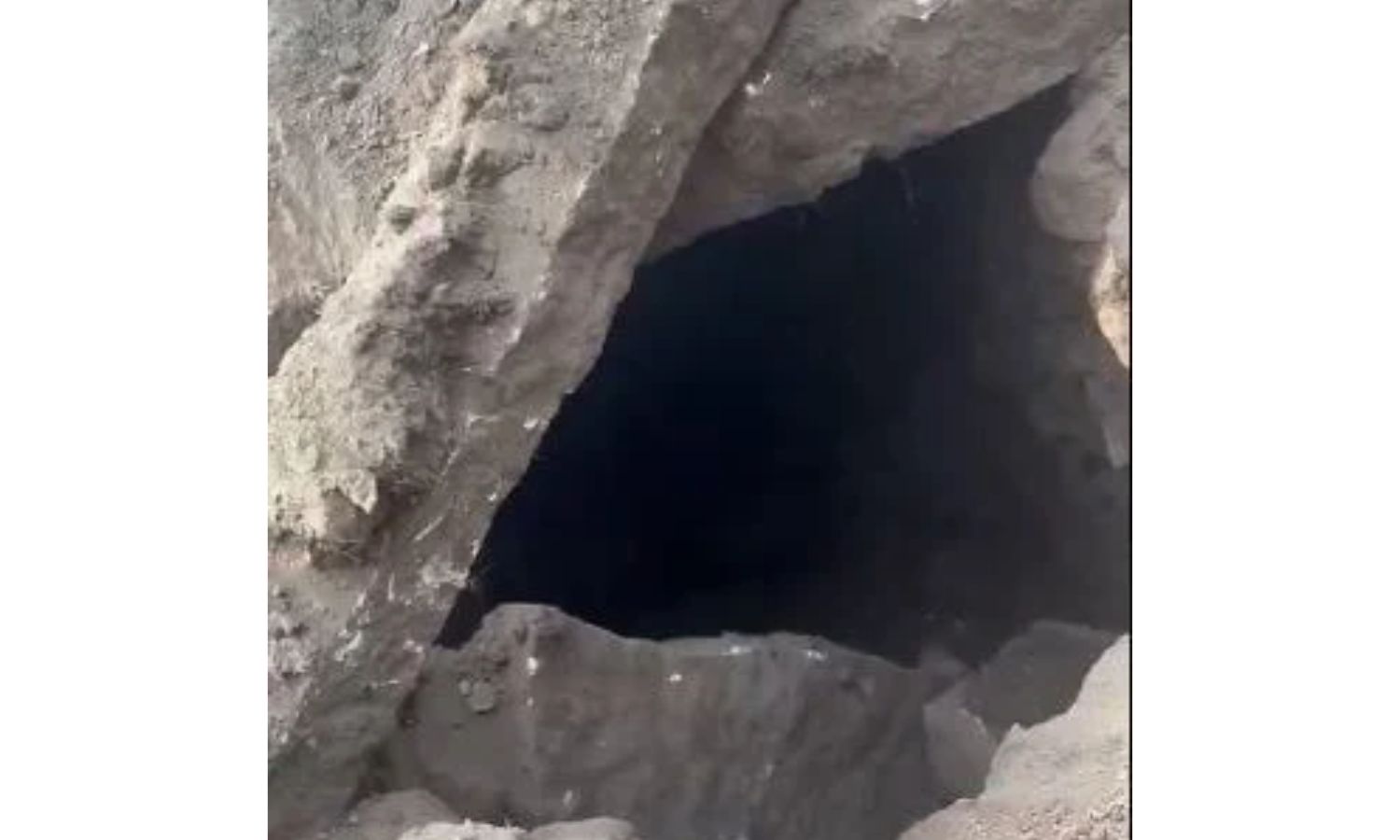
The Archaeological Survey of India later said it was only a small cave or chamber.
Stories about tunnels are popular because some people believe old rulers built underground routes between the fort and the Charminar area.
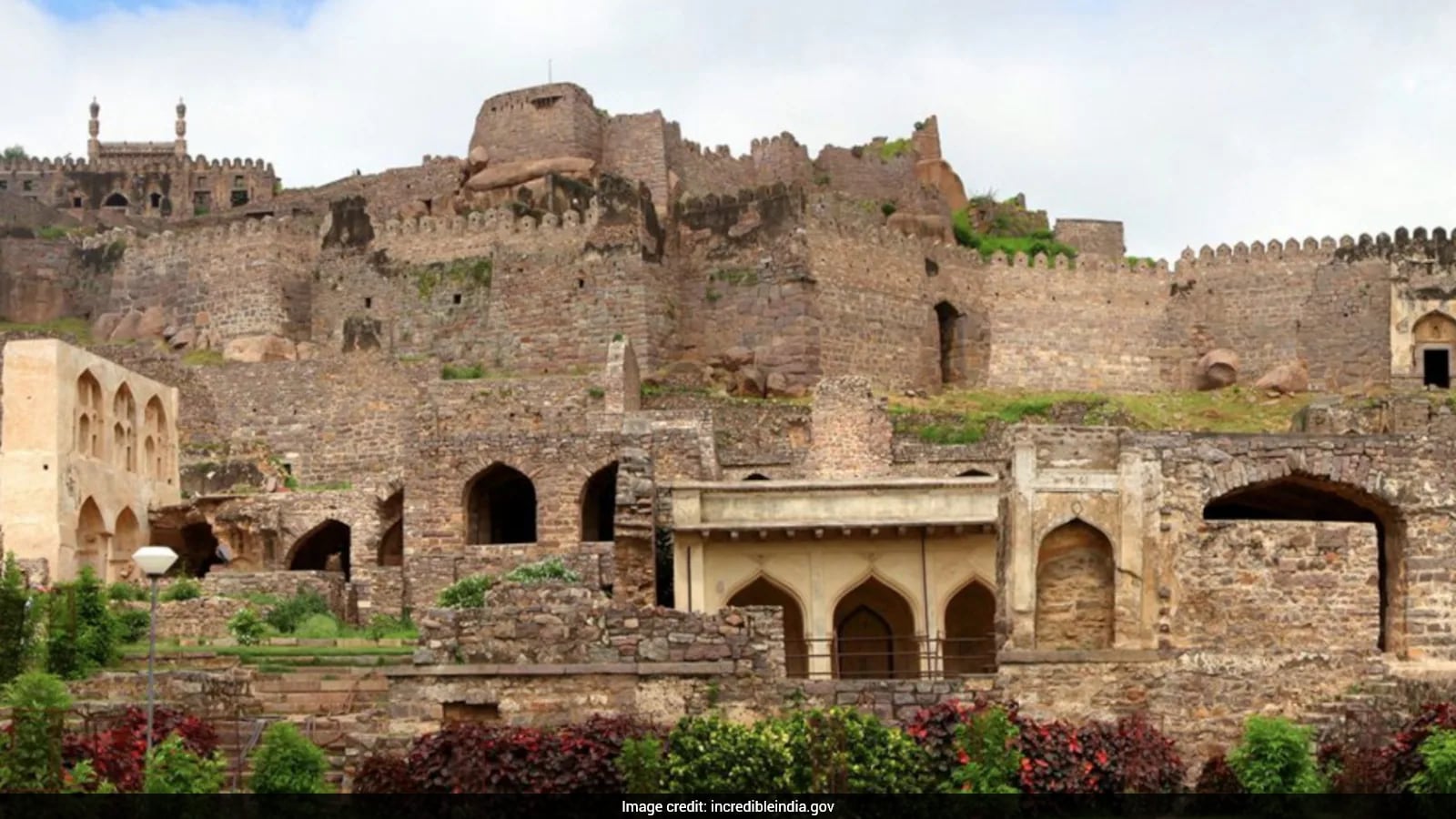
Golconda Fort was once a large fortified city ruled by the Qutb Shahi dynasty.
It played an important role before and after Hyderabad was founded.
Today, only the main palace area is properly protected and open with tickets.
Other parts of the fort have homes, encroachments and neglected buildings.
The writer says protecting the fort matters more than chasing unverified tunnel stories.

The Archaeological Survey of India said the reported structure near Golconda Fort was a small cave or chamber, not a tunnel.
Tunnel stories remain popular because of beliefs about links between Golconda Fort and Hyderabad’s Old City.
Golconda Fort was developed by the Qutb Shahi rulers and later abandoned after Hyderabad was founded in 1591.
The fort’s outer areas reportedly face encroachments, poor maintenance and jurisdictional complications involving the Indian Army.
The article urges the Archaeological Survey of India to protect the entire fort before further damage becomes irreparable.
- Who
- The Archaeological Survey of India, Hyderabad residents, the Indian Army and the Qutb Shahi rulers are central to the account.
- What
- A suspected secret tunnel near Golconda Fort was identified by the Archaeological Survey of India as a small cave or chamber, prompting renewed concern about the fort’s poor preservation.
- Where
- Golconda Fort in Hyderabad, Telangana, including the area near Patancheru Darwaza and the Old City near Charminar.
- When
- The tunnel report emerged last week; the fort was developed between the early 1500s and 1687, and Hyderabad was founded in 1591.
- Why
- Tunnel stories attract public attention, while the article argues that the fort’s neglected outer areas, encroachments and unclear protection require greater attention.
Heritage Protection
Development and Jurisdiction
What deserves attention
Heritage Protection
The article argues that the entire Golconda Fort, including its gates and outer areas, should be protected as Hyderabad heritage.
Development and Jurisdiction
The account says many residents view the land mainly as real estate, while the Archaeological Survey of India focuses primarily on the main palace complex.
Responsibility for the fort
Heritage Protection
The Archaeological Survey of India is described as the fort’s rightful custodian and is urged to act against further encroachments.
Development and Jurisdiction
The Indian Army controls areas connected with the former military garrison, and the article says the Archaeological Survey of India rarely asserts its jurisdiction there.
Tunnel claims versus evidence
Heritage Protection
The writer says public attention should shift from unverified tunnel stories to the fort’s documented deterioration.
Development and Jurisdiction
Tunnel reports continue to generate excitement because of longstanding beliefs about underground connections between Golconda Fort and the Charminar area, although the latest structure was identified as a cave or chamber.
Key facts
- Structure identified
- The Archaeological Survey of India described it as a small cave or chamber, not a tunnel.
- Fort builders
- The Qutb Shahi or Golconda rulers developed Golconda Fort as a walled city.
- Fort size
- At its height, the fort had a circumference of about 6.5 kilometres, 87 bastions and eight gates.
- Hyderabad’s founding
- Hyderabad was founded in 1591 by Muhammad Quli Qutb Shah.
- Final siege
- The Mughal battle for Golconda Fort lasted about eight months in 1687.
- Protected area
- The article says the Archaeological Survey of India mainly protects the ticketed Bala Hisar palace complex.
- Preservation concerns
- The fort’s outer areas reportedly face homes, civilian encroachments, disrepair and changing land use.
Sources
Related news

Tunnel Discovery Near Qutb Shahi Tombs Revives Golconda-Charminar Mystery
ASI Identifies Golconda Fort Tunnel Claim As Buried Chamber
Hyderabad Tunnel Discovery Revives Historic Secret Passage Rumours
Historic forts in erstwhile Karimnagar district left to decay

Champa Darwaja Hanuman Temple Keeps Hyderabad's Heritage Alive

Historic 'Milky Well' that quenched Nizams' thirst now faces neglect

Historical Fiction Chronicles Queen Tarabai’s Resistance To Aurangzeb

Dharavi SSC Aspirant Wins Rs 25 Lakh on KBC 18

Pakistan Seeks $10 Billion US Treasury Forex Facility
Why Akbar’s Din-i-Ilahi Failed as a State-Building Strategy