3 weeks ago
India Failing Breastfeeding Priority as Exclusive Rates Decline, Survey Shows
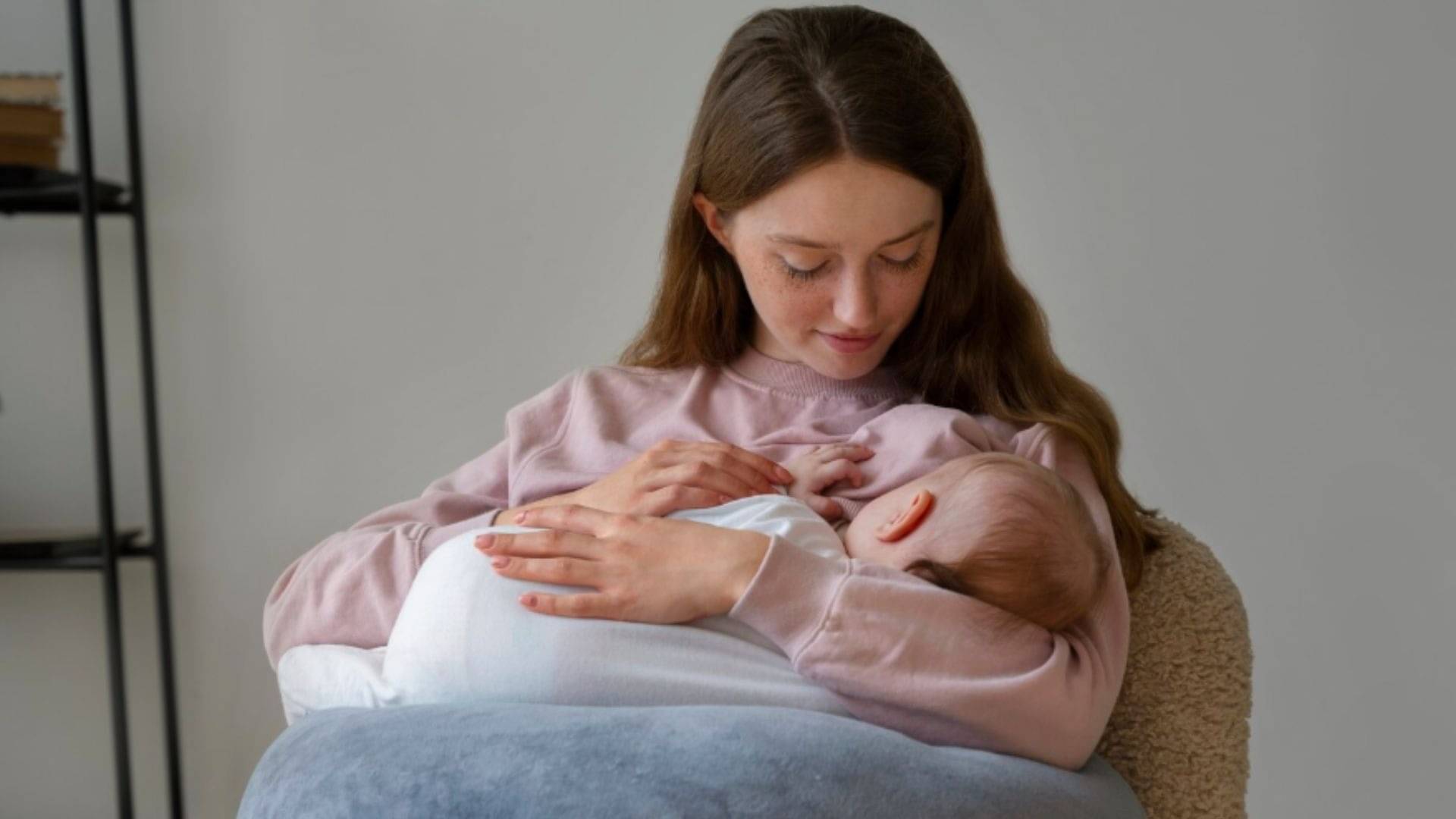
Every first week of August, people around the world talk about breastfeeding.
Breastfeeding means feeding a baby only milk from its mother for the first six months.
This milk is very healthy and helps babies grow strong.
A new report from India says fewer moms are doing this than before.
The number went down from 63.7 out of 100 to 55.8 out of 100.
But there is some good news: more babies are being fed right after birth than before.
That number went up from 41.8 to 50.1 out of 100.
The article says moms need help from family, workplaces, and hospitals.
It says companies should not trick moms into buying baby formula.
With more support, more babies can be healthy.

World Breastfeeding Week is observed from 1st to 7th August 2026 under the theme 'Breastfeeding for a sustainable start in life: strengthen what works'.
Exclusive breastfeeding in India fell from 63.7% in NFHS-5 (2019-21) to 55.8% in NFHS-6 (2023-24), per the Ministry of Health and Family Welfare.
Early initiation of breastfeeding within one hour of birth improved from 41.8% to 50.1%, linked to higher institutional birth rates and the Mother's Absolute Affection (MAA) program.
The article argues breastfeeding is a public health priority needing systemic support such as daycare, breastfeeding rooms, and skilled lactation professionals, not just maternal effort.
WHO's 1981 International Code of Marketing of Breast-milk Substitutes is highlighted, with criticism of targeted formula advertising and undisclosed influencer sponsorships.
Exclusive breastfeeding means a baby receives only human milk for the first six months, with no water, juices, pre-lacteal feeds, or infant formula.
- Who
- Indian mothers and infants, along with the World Health Organization (WHO), UNICEF, WABA, and India's Ministry of Health and Family Welfare.
- What
- Exclusive breastfeeding rates declined while early initiation of breastfeeding improved, prompting calls to treat breastfeeding as a systemic public health priority.
- Where
- India
- When
- World Breastfeeding Week (1-7 August 2026), with data from NFHS-6 (2023-24) compared to NFHS-5 (2019-21).
- Why
- Lack of structural support for mothers and aggressive marketing of breastmilk substitutes undermine sustained breastfeeding despite better early initiation.
Public Health Advocates
Formula Industry / Individual-Responsibility View
Who is responsible for breastfeeding success
Public Health Advocates
Breastfeeding is a public health priority, and the system must build support networks at home and work, including mandatory lactation professionals and antenatal counselling, rather than placing the burden on individual mothers.
Formula Industry / Individual-Responsibility View
Breastfeeding is largely framed as a mother's responsibility and personal effort, with maternal intent and dedication seen as the key factors in feeding outcomes.
Marketing of breast-milk substitutes
Public Health Advocates
Commercial promotion of infant formula is unethical, undermines infant nutrition, and targets vulnerable mothers with false claims of equivalence to breastmilk, so it should be restricted under the 1981 WHO Code.
Formula Industry / Individual-Responsibility View
Formula companies market products as a simple fix and a valid choice for mothers struggling with breastfeeding, using algorithm-targeted ads and sponsored influencer posts to reach parents.
Key facts
- World Breastfeeding Week
- 1-7 August 2026
- 2026 Global Theme
- Breastfeeding for a sustainable start in life: strengthen what works
- Exclusive Breastfeeding (NFHS-6, 2023-24)
- 55.8% (down from 63.7% in NFHS-5)
- Early Initiation Within 1 Hour (NFHS-6)
- 50.1% (up from 41.8% in NFHS-5)
- Data Source
- National Family Health Survey (NFHS-6), Ministry of Health and Family Welfare, India
- International Code of Marketing of Breast-milk Substitutes
- Adopted by WHO in 1981
- Selecting Organizations for WBW Theme
- WABA in collaboration with WHO and UNICEF
Sources
Related news

World Breastfeeding Week campaigns held across Visakhapatnam hospitals
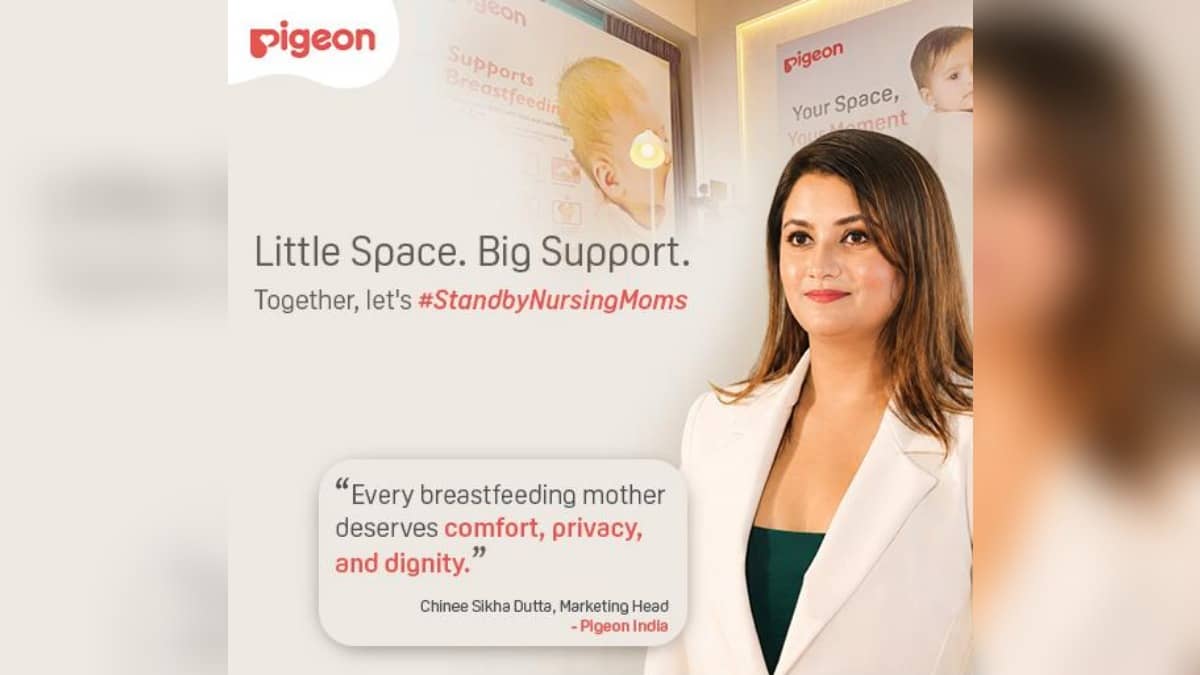
Pigeon India Calls for More Breastfeeding-Friendly Spaces

AIIMS Bibinagar Experts Advocate Breastfeeding Support Through Postnatal Period

Breastfeeding: a small act that gives a lifetime of health

Tirupati Collector urges further improvement in exclusive breastfeeding

WHO Says Breastfeeding Is a Child's Powerful Health Protector
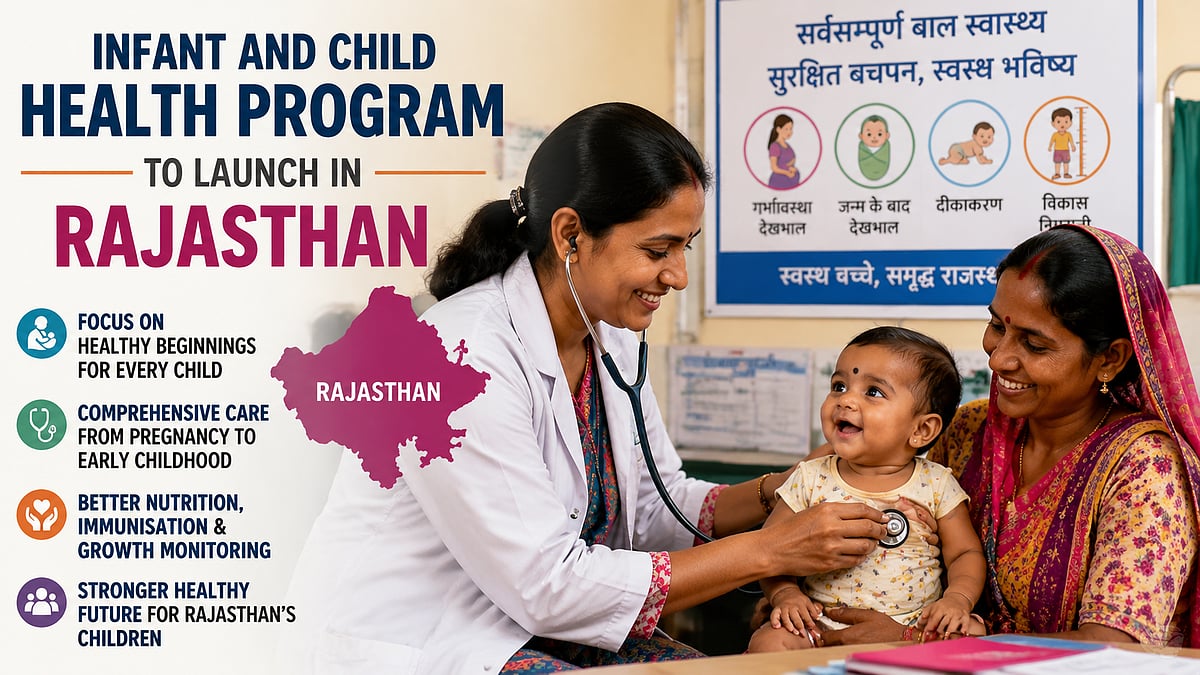
Comprehensive Infant and Child Health Pilot to Launch in Rajasthan

India's Rising Caesarean Rates Raise Calls for Dignified Childbirth
Committee Probes Jaipur Power Failure Disrupting NEET PG 2026
Power, Technical Glitches Disrupt NEET-PG Exam in Jaipur
NEET-PG 2026 Conducted Nationwide Amid Robust Security, Jaipur Retest Set